

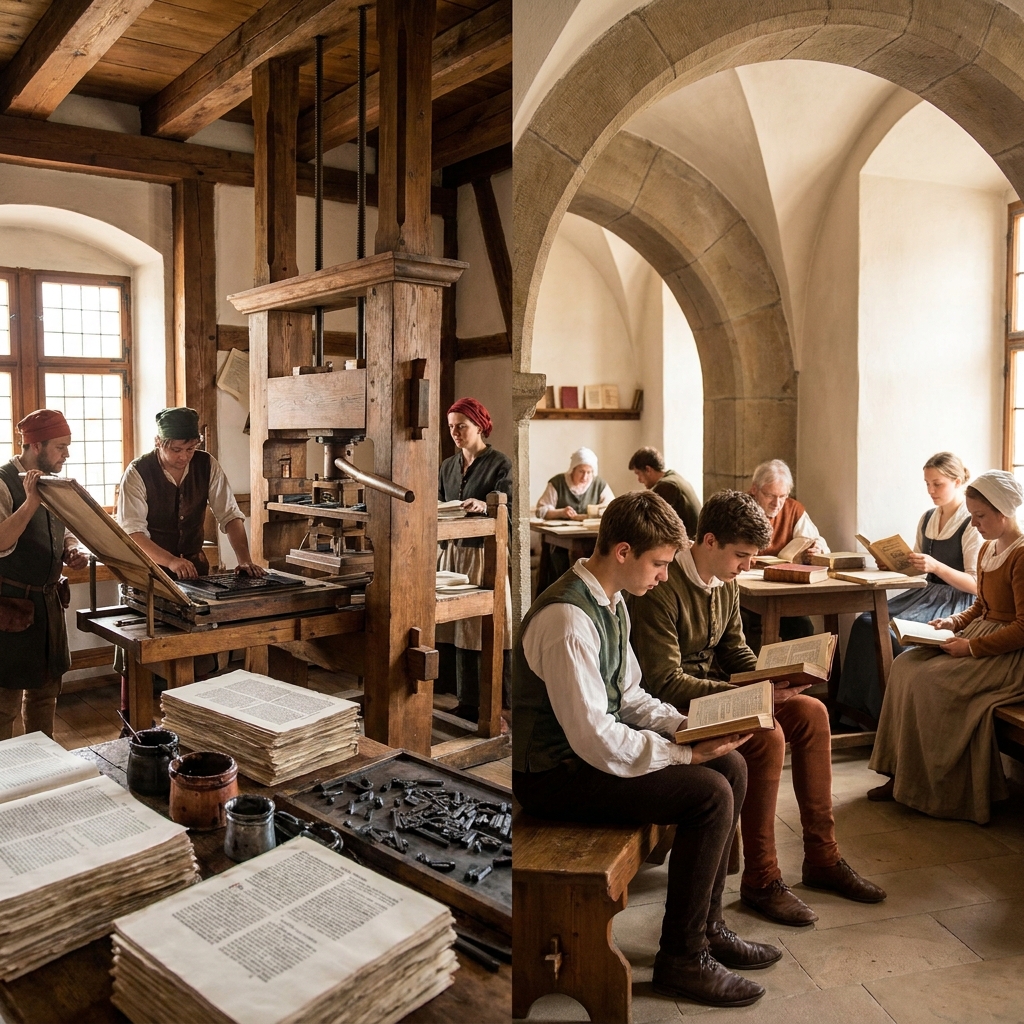
…and that is why so many of our ninth graders get stuck before they even open a browser. They start with a topic as wide as the ocean and expect to find a single, magic source that explains it all. If we want them to write something substantial in our English 9 classes, we have to teach them that the initial search is the hardest part. Crafting Focused Research Inquiries is built exactly for that moment of frustration, helping students transition from overwhelming generalities to specific, manageable questions.
This lesson covers the nuts and bolts of narrowing a scope, using the printing press as a primary example. The material moves students from a vague inquiry about how the printing press changed the world to a much tighter look at literacy rates in 15th-century Germany. It is a simple shift, but it changes everything for a student trying to manage sources. Students also practice this skill by looking at historical maps of the Ottoman Empire, analyzing how borders changed relative to trade routes and local revolts. Teachers in Fremont Unified, Huntington Beach Union High School District, Bassett Unified, and Modoc Joint Unified use these same materials to ensure students across California are meeting the same rigor for high school research writing.
The standard behind the work
The lesson maps to CA.ELA.WHST.9-10.7, the California-adopted standard for writing in history, social studies, science, and technical subjects. The standard asks students to conduct both short and sustained research projects, emphasizing the need to narrow or broaden an inquiry based on what they find. It requires them to synthesize multiple sources to show they actually understand the topic rather than just summarizing what they read. My favorite part of this standard is the focus on synthesis, as it pushes students to create a new, clearer understanding of a topic rather than just listing facts. If they don’t grasp how to prune their research question early on, they will eventually hit a wall when they have to synthesize diverse evidence later in the semester.

Where students slip
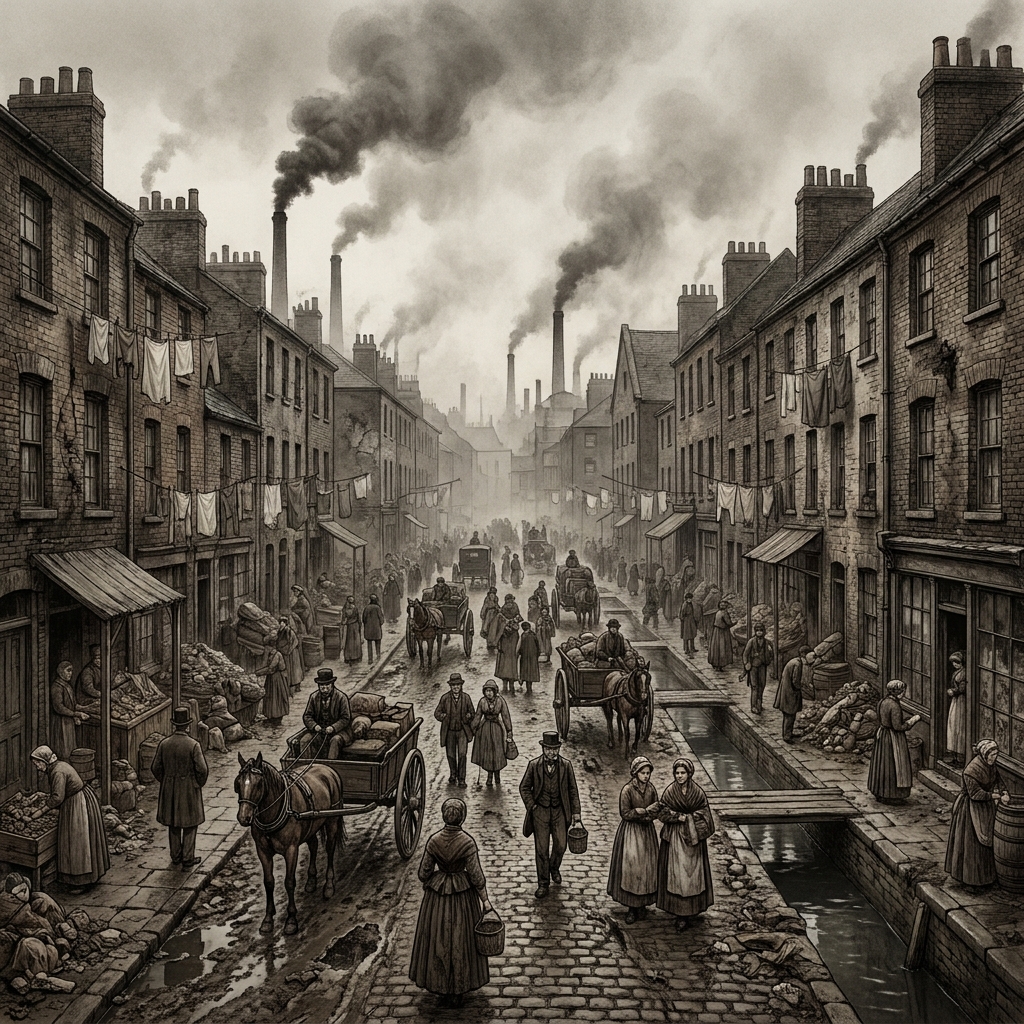
The most common hurdle here is the student who falls in love with their first, too-broad topic. They want to write about the entire Industrial Revolution or the whole scope of the Roman Empire because they find it fascinating, but the research becomes a disaster when they realize there is too much data to handle. This lesson provides clear vocabulary like Research Inquiry, Narrowing Scope, and Synthesis to give them the language they need to talk through these pivots. A research inquiry, as defined here, is the process of asking focused questions to explore a topic, and narrowing that scope involves identifying specific sub-topics that can be answered with strong textual evidence. Reminding them that they can always broaden their question if they find too little information is a massive relief for the anxious researcher.
Finding the right fit
I find this material works best as a whole-class assignment just before we start a formal research paper, but it is also excellent as an intervention for a student who missed the week we introduced the basics. It fits perfectly into an independent study schedule as well, especially for the student who tends to get lost in the weeds of a project. The direct instruction only takes about 45 minutes, which is enough to reset their path without eating up too much of our writing workshop time. The lesson provides a logical sequence: identify a broad interest, narrow it down, check the evidence, and synthesize. It is a clean, practical flow that works because it assumes the student is capable of critical thought if we just give them a better process to follow. When we skip this step, we usually end up reading papers that are broad, shallow, and difficult to grade because there is no clear argument present. This is the foundation that keeps their research from falling apart later.

Related lessons

Constructing Research Narratives, Developing narratives through the effective synthesis of diverse historical evidence

Writing Informative Explanatory Texts, Drafting explanatory texts that communicate technical or historical information clearly
Constructing Disciplined Arguments, Building logical arguments supported by specific evidence and historical analysis