

Effective programming requires more than just making code function; it requires organizing logic so that the same instructions can be reused in different contexts. Teaching students to transition from writing repetitive blocks of code to using procedures and parameters is a central goal in computer science curriculum. This shift helps students understand that efficiency and code organization are the hallmarks of a skilled programmer.
When coding starts to feel repetitive
A parent once asked me why their student had to rewrite the exact same ten lines of code just to draw a slightly different shape on the screen. It is a common frustration when kids are first learning to program. They see the pattern, but they do not yet have the tools to collapse that repetition into something cleaner. In 8th grade computer science, we eventually reach the point where efficiency matters more than just getting the program to run.
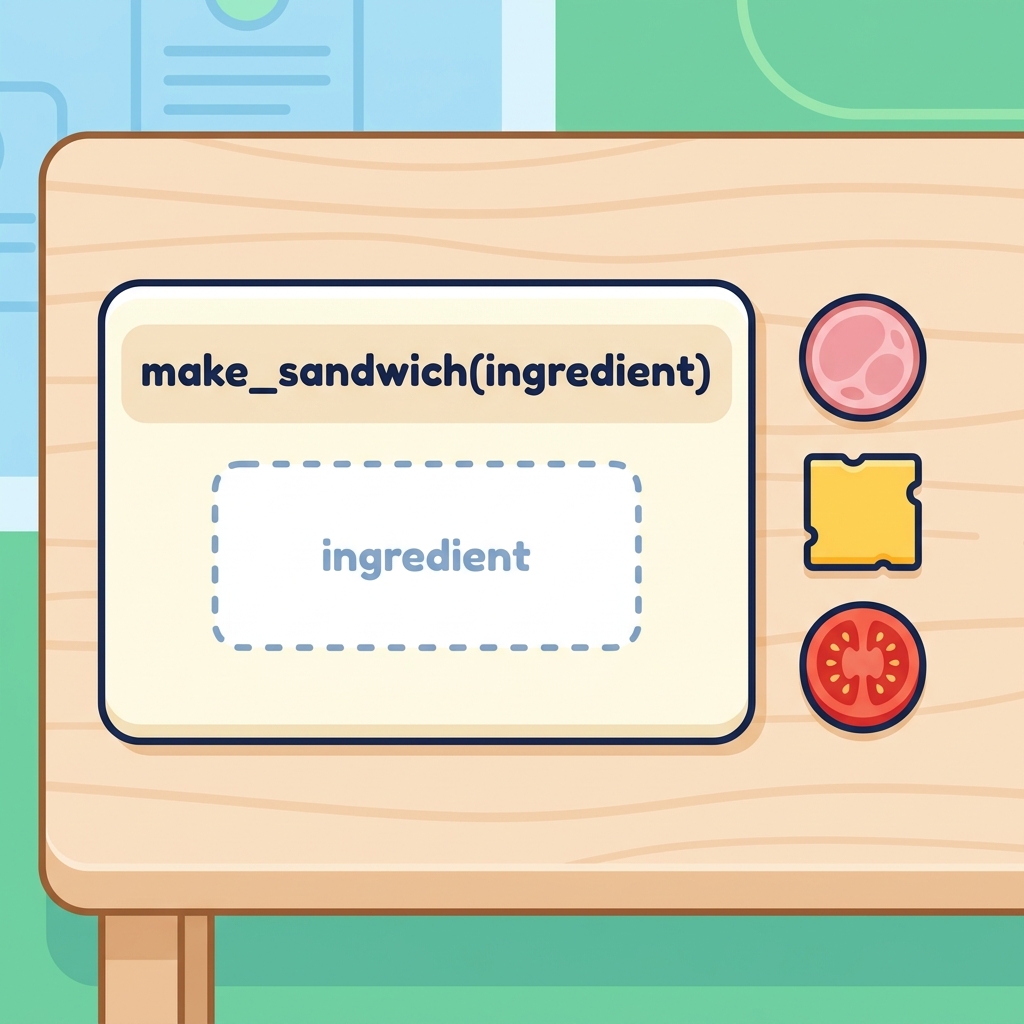
This is where Building Reusable Code with Parameters becomes a lifesaver. If you are teaching an 8th grade computer science class and the calendar is starting to feel like an enemy, this lesson acts as a reset button. Whether you have a handful of students who missed the foundational week on modularity or you need a reliable substitute day plan, this resource allows students to work through the logic of code organization without needing constant one-on-one intervention from you.
What the lesson actually asks students to do
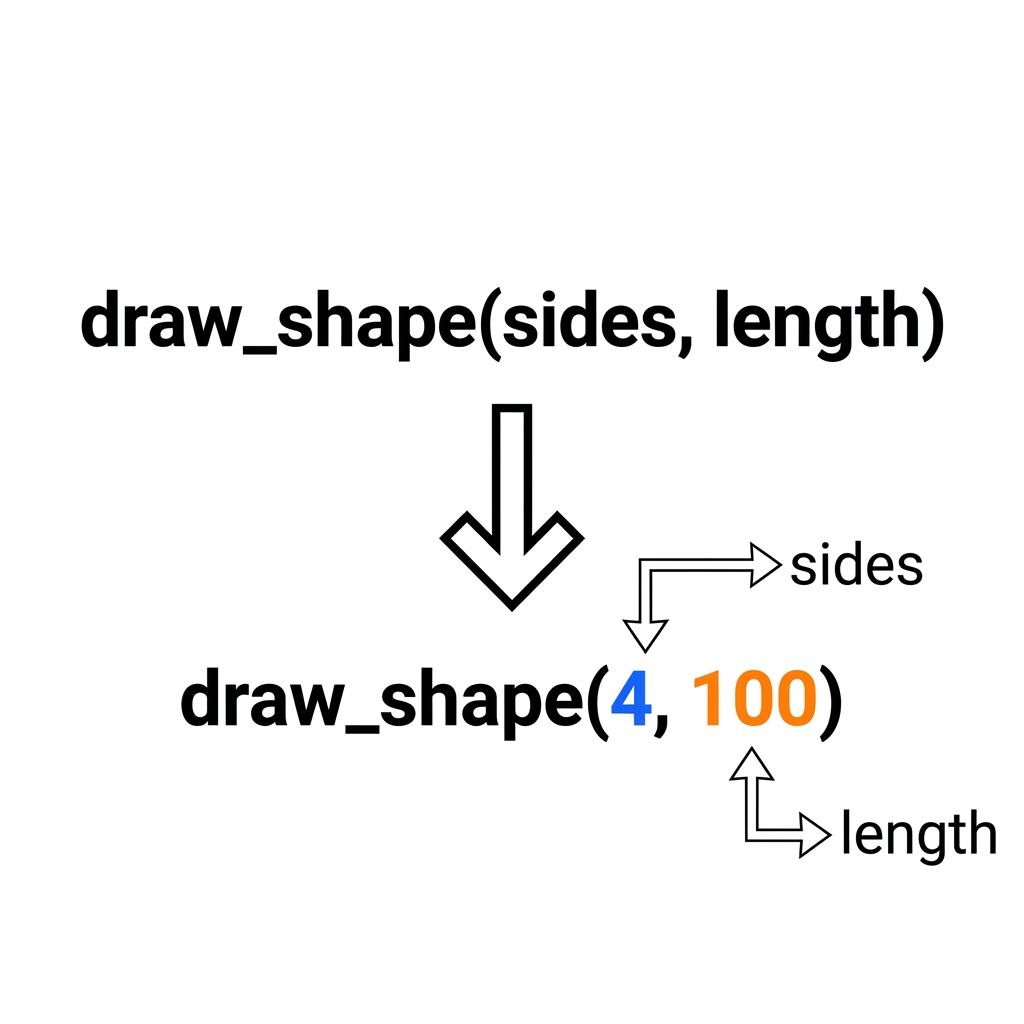
The core of this 8th grade computer science parameters lesson is moving away from brute-force coding toward functional abstraction. Students start with a simple opener: drawing squares. They realize that drawing a square with specific side lengths is just a loop that repeats instructions. The lesson pushes them to turn that loop into a reusable procedure called draw_shape(sides, length).
By introducing two parameters, the students learn they can draw a square with a side length of 100 by calling draw_shape(4, 100). The lesson then bridges this to a real-world scenario where a game needs enemies to spawn with different health levels. It makes the abstract concept of parameters concrete. Here is the vocabulary they work with:
- Procedure: A named sequence of instructions that performs a specific task.
- Parameter: A placeholder in a procedure that allows you to pass different values into it.
- Function abstraction: The process of hiding the complex internal steps of a procedure so the programmer only needs to know what the procedure does, not how it does it.
The lesson does a great job of explaining that real-world mobile apps rely on this exact logic to display user profiles. It is the same standard taught across the state, from Fremont Unified and Compton Unified to Davis Joint Unified and Antelope Elementary School District.
Understanding the standard
The primary focus here is CA.CS.6-8.AP.14. This California-adopted standard asks students to create procedures with parameters to organize their code and make it easier to reuse. It is part of the Algorithms and Programming domain and the Modularity cluster. It is not just about making code shorter, though that is a nice benefit. It is about training the student brain to recognize when a block of logic is worth packaging up so that it can be invoked repeatedly in different contexts.
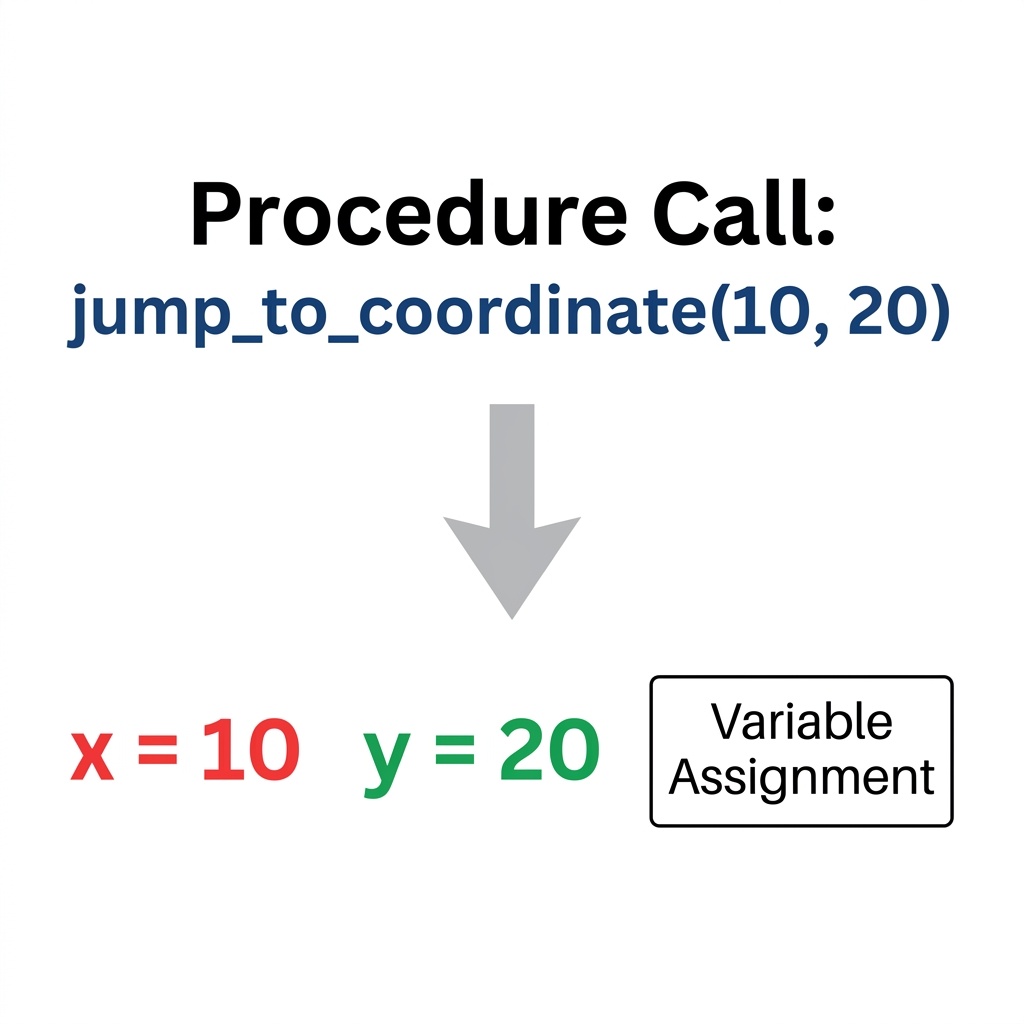
One caveat: students often struggle to grasp that the parameter is just a placeholder. They want to put actual values in the definition phase rather than waiting until the procedure is called. Watch for that hurdle. Once they see that the parameter is a generic bucket waiting for a number, the lightbulb usually turns on.
This lesson fits well as a whole-class assignment or for a student who missed the week and needs to catch up during an intervention block. Because it is self-contained and explicitly walks through the logic of why procedures matter, it is a sturdy tool for an independent study session or a day when you are out of the classroom. It respects the student’s time and gives them a clear path to mastery without unnecessary filler.
Related lessons
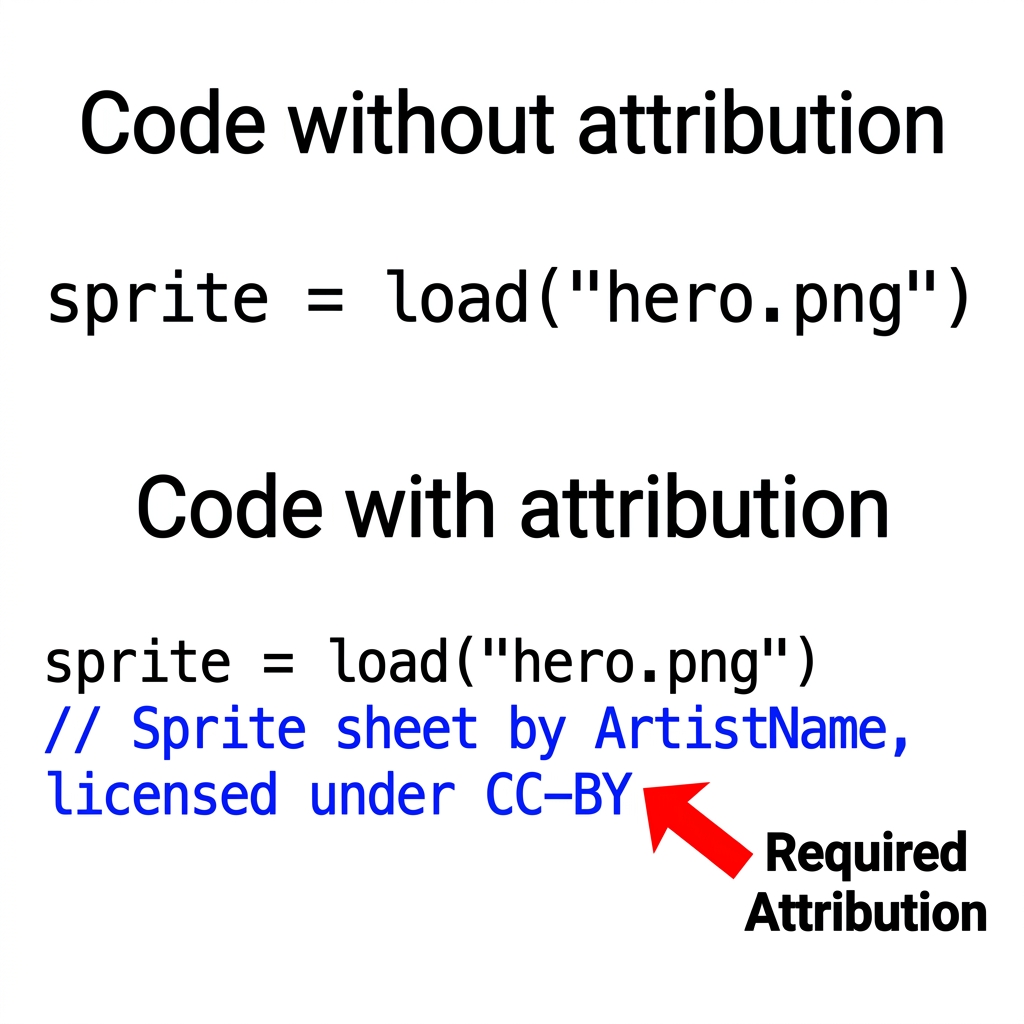
Building with Code and Media, Teaches students to integrate media elements into their computer programs
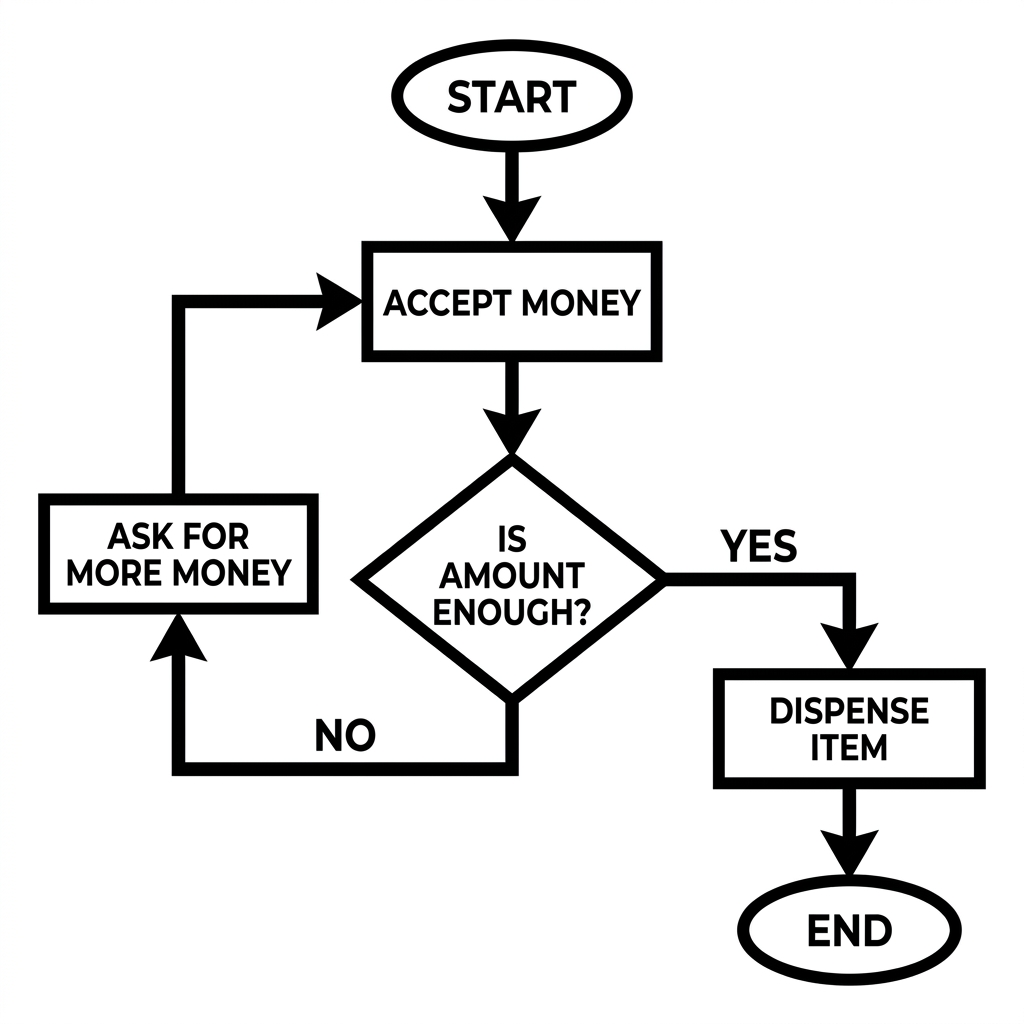
Designing Algorithms with Flowcharts and Pseudocode, Covers planning program logic using diagrams and written code structures
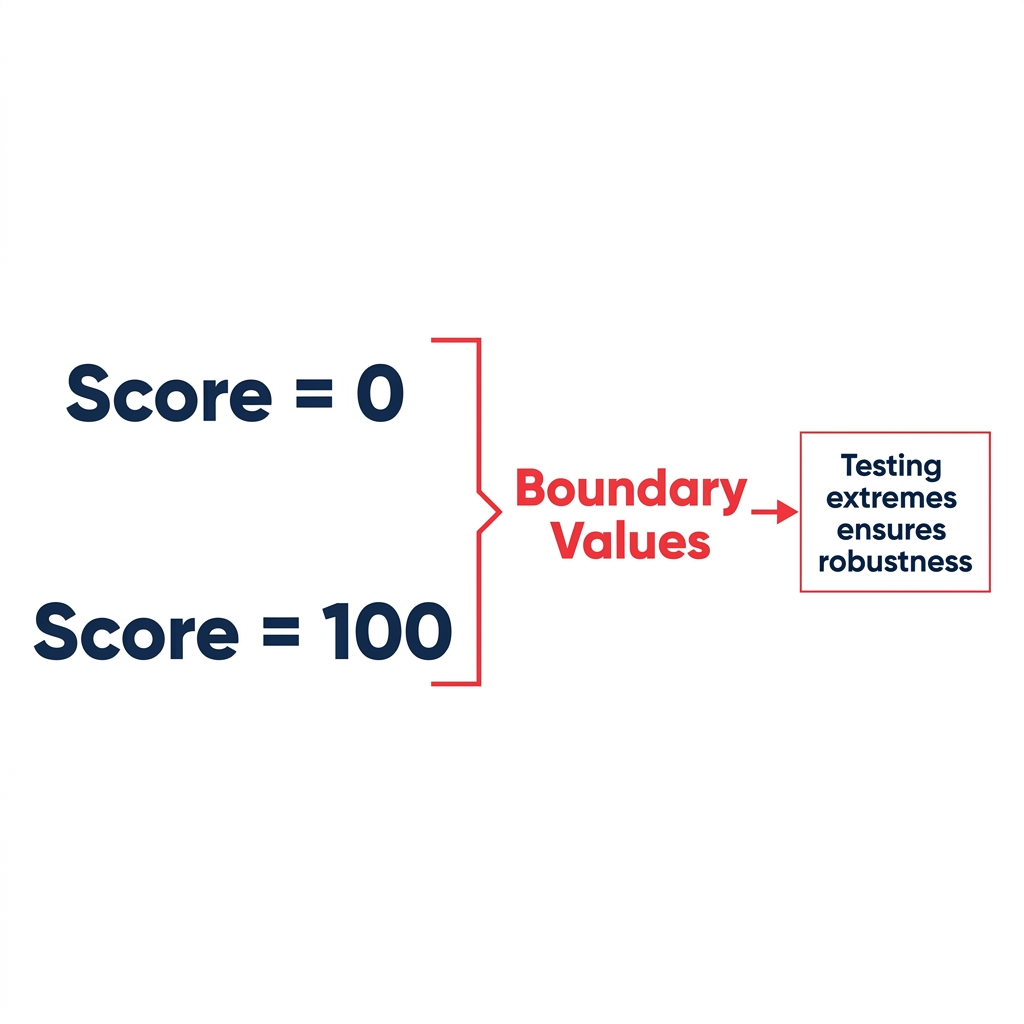
Testing and Refining Programs, Focuses on identifying errors and improving existing computer software code