

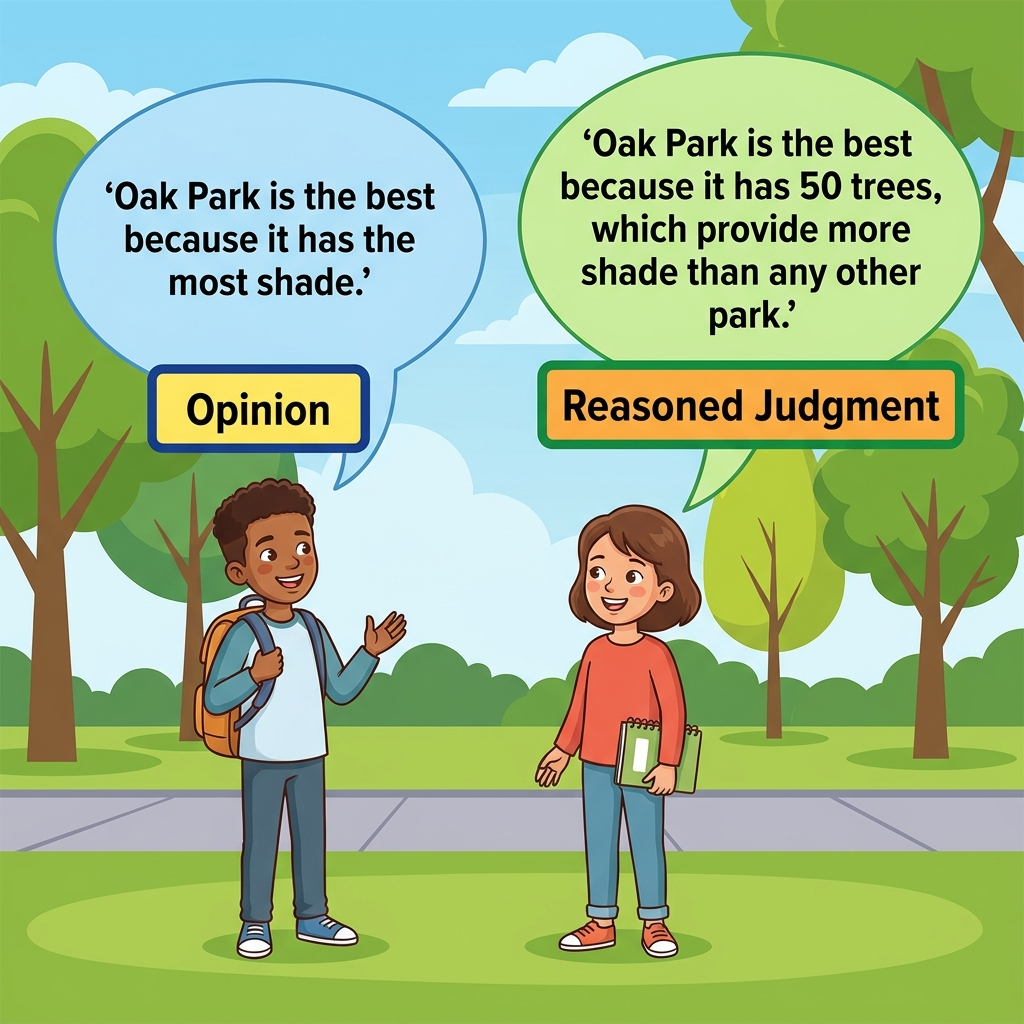
“Cite textual evidence to support analysis of what the text says explicitly as well as inferences drawn from the text.” That is the official language of the standard. It sounds simple enough on paper, but in any 6th grade English Language Arts classroom, getting students to move beyond their own opinions and root their thoughts in a provided source is a daily battle. This specific skill is the foundation for almost everything they will do in secondary school history and social studies. When they cannot point to a quote, their argument evaporates. This Using Textual Evidence in History lesson is built specifically to address this transition from opinion to analysis.
Teachers at West Contra Costa Unified, Torrance Unified, Lemon Grove School District, or Huntington Beach City Elementary School District know the task of teaching CA.ELA.RI.6.1 is consistent across the state. This standard asks students to handle both explicit facts and inferred conclusions, pulling evidence from both primary and secondary sources. When the standards mention CCSS.ELA-LITERACY.RI.6.1, they are simply reinforcing this requirement to cite evidence for both stated facts and logical inferences. Students who do not grasp this early will find themselves struggling when they reach more complex tasks where the answers are not sitting right on the surface of the page.
What the lesson actually asks students to do
The lesson starts by acknowledging that students already use what they know about reading to handle new info, but it pushes them to define the terms more precisely. Students work with four key terms: Textual Evidence, Primary Source, Secondary Source, and Inference. It makes a clear distinction that a Primary Source is a document created by someone who experienced an event firsthand, whereas a Secondary Source is a document created by someone who studied an event after it happened, like a history textbook. You can use this 6th grade textual evidence lesson to help bridge this gap.
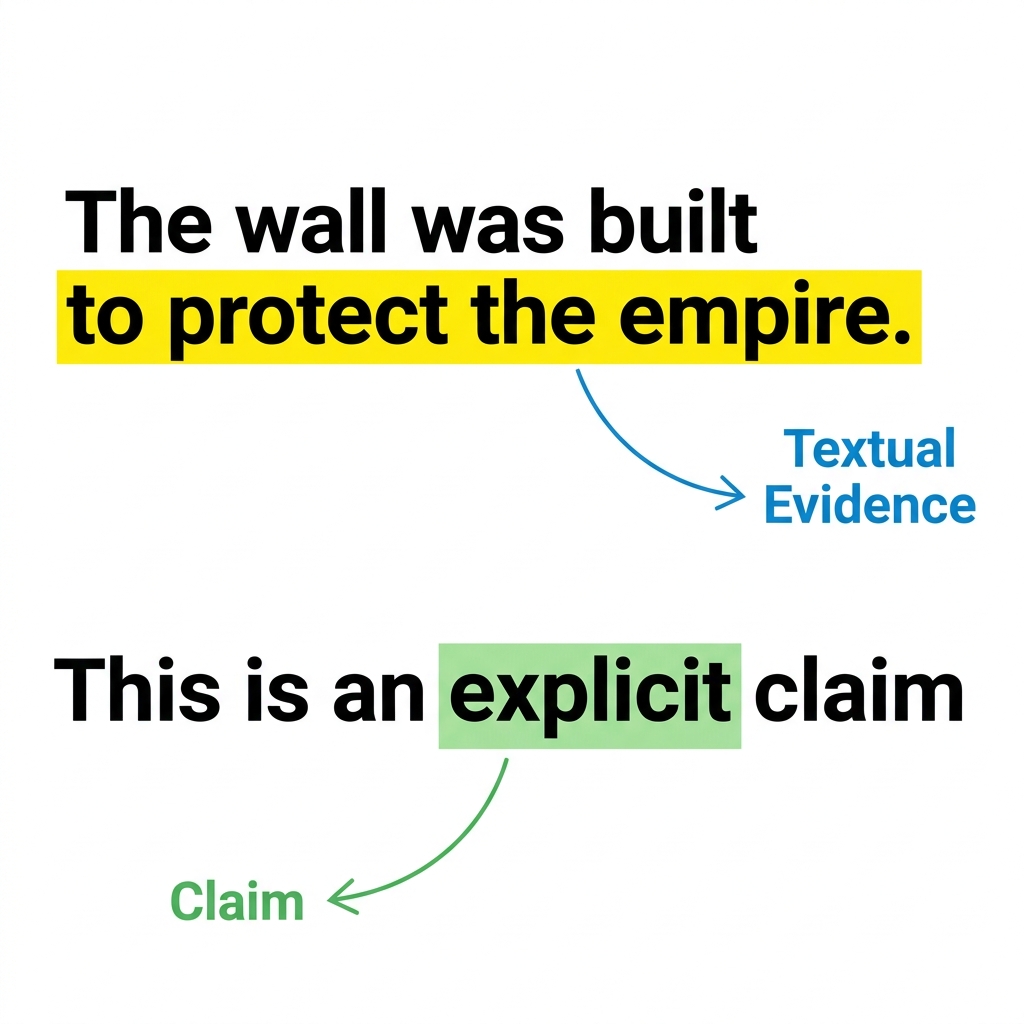
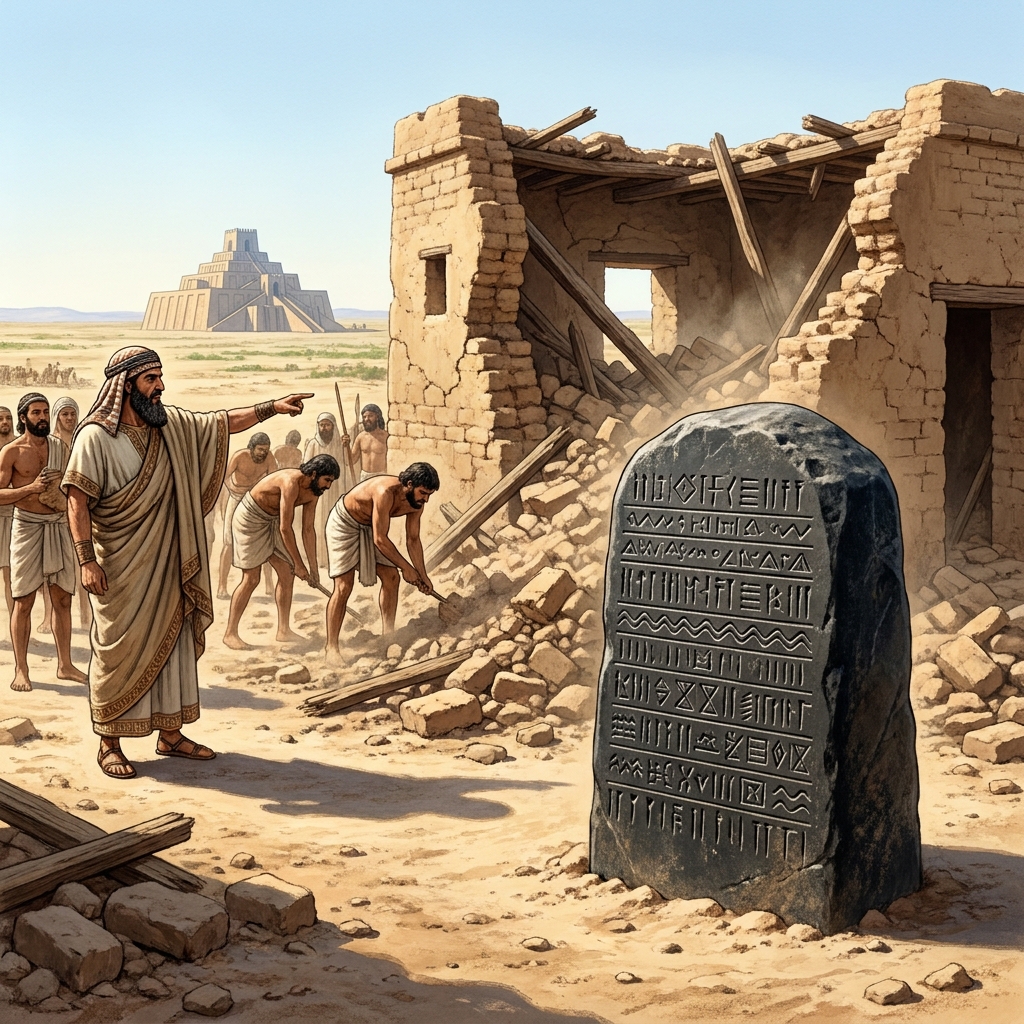
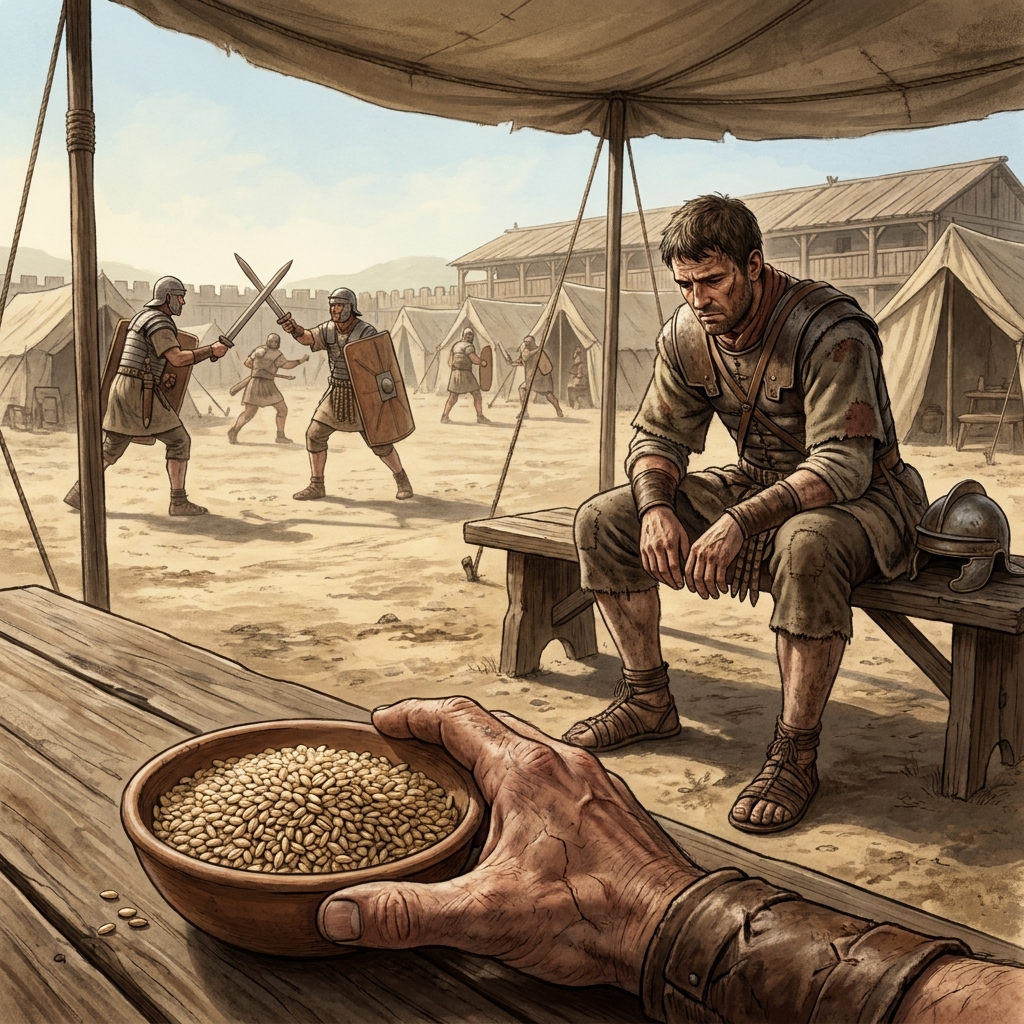
The worked example is where the logic becomes concrete. The lesson uses the Code of Hammurabi, specifically the line: “If a builder builds a house and it falls, the builder shall be put to death.” By identifying this as a primary source, students can then formulate a claim that Babylonian laws were extremely strict. The quote serves as the evidence, not just the reasoning. After that, they move to guided practice involving an Egyptian Pharaoh and a decree regarding grain taxes. It requires them to take that same logical process and apply it to a new historical context.
Where students slip
The biggest hurdle I see is that students often treat the text as an obstacle to their own opinion. They want to say what they think first and then find a quote that loosely supports it, rather than reading the text and letting the evidence form the claim. The lesson includes a why-it-matters statement that I find useful to share: when reading the news, you need to see if the author has evidence for their claims, and when you read instructions, you need to find the evidence that tells you how to do something correctly. It frames this not as an academic chore, but as a survival skill for navigating information.
This lesson works well as a whole-class assignment when you are first introducing primary sources, but it also serves perfectly for a student who missed the week or needs a quick intervention. It is also a solid choice for a substitute day because the instructions are self-contained and the primary source scenario provides an immediate entry point. If a student skips this or fails to understand the link between evidence and inference, they will hit a wall in 7th or 8th grade when they have to write analytical essays. Keep an eye on how they handle the Pharaoh passage during practice; if they can extract the tax info correctly, they are ready for the next level of historical reading.
Related lessons

Understanding Author Purpose and Point of View, Teaches students to identify an author's intent and personal perspective
Analyzing Arguments and Claims, Focuses on identifying evidence that supports an author's central argument
Finding the Big Idea, Guides students toward identifying main themes within informational reading passages