

Understanding how the human brain processes information from the environment is a core component of middle school life science. This 6th grade science lesson on sensory processing offers a structured way to introduce students to the biological mechanisms that connect stimuli to behavior. It provides clear definitions and relatable examples that align with California state standards for life science.
Connecting sensory input to student behavior
A parent once asked me why their student jumped so high whenever the classroom door slammed shut. It was a fair question. That moment of surprise is actually a perfect entry point for 6th grade science. If you have been looking for a way to break down how the human body reacts to the environment, How Your Brain Processes the World provides a clean and clear path to explain these reactions. It moves past simple reflexive explanations to help students understand the actual mechanics of the nervous system.
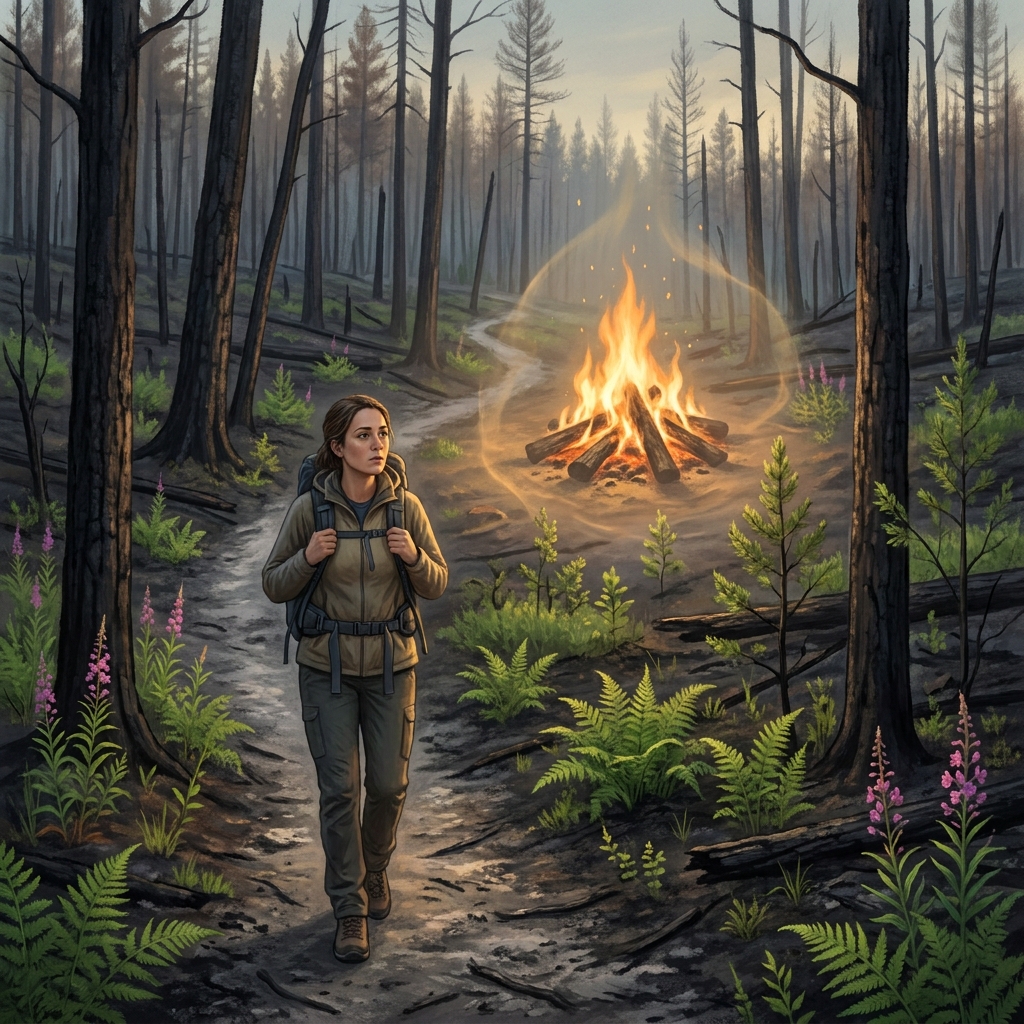
When I taught middle school life science, I found that students often understood they felt things, like cold air or a sudden loud noise, but they lacked the vocabulary to describe the biological chain of events. This lesson fixes that gap by focusing on three essential terms. A stimulus is defined as a change in the environment, such as heat, light, or sound, that causes a living thing to react. The sensory receptor is a specialized cell that detects a specific stimulus and changes it into a signal the body can use. Finally, the lesson defines a memory as information that the brain stores and can recall later. These terms are the building blocks for every middle school life science unit on human biology.
What the lesson actually asks students to do
This lesson is designed to meet CA.MS-LS1-8, the California-adopted standard that asks students to gather and synthesize information about how sensory receptors respond to stimuli by sending messages to the brain. This can lead to immediate behavior or the storage of these events as memories. The California-adopted standard requires students to recognize that these systems are not just random reactions but are essential for survival. This is a foundational expectation across the state, from Montebello Unified and Corona-Norco Unified to Yreka Union Elementary School District and Los Altos Elementary School District.
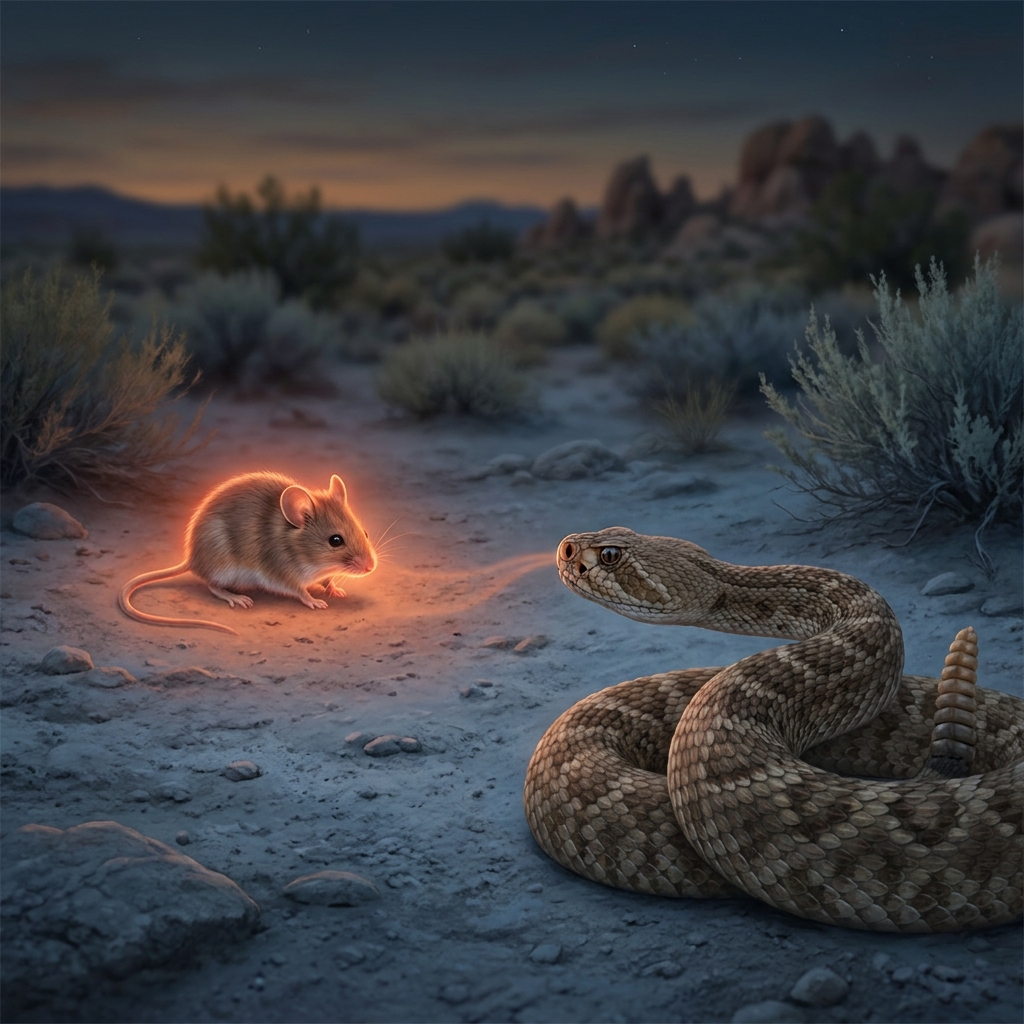
The activity flow is straightforward. It starts with a simple opener that reminds students that their bodies are always sensing the world. It uses the example of touching a hot stove to show how a stimulus creates an immediate reaction. From there, the lesson moves into a worked example involving a rattlesnake. It explains how the snake senses heat from a mouse using specialized pits on its face. The brain then processes this heat signal and triggers an immediate strike. It is a great example because it keeps the biology tied to something tangible that students can visualize. By the time students reach the guided practice, they are ready to look at a more complex scenario involving the California condor.
Using local examples to ground the science
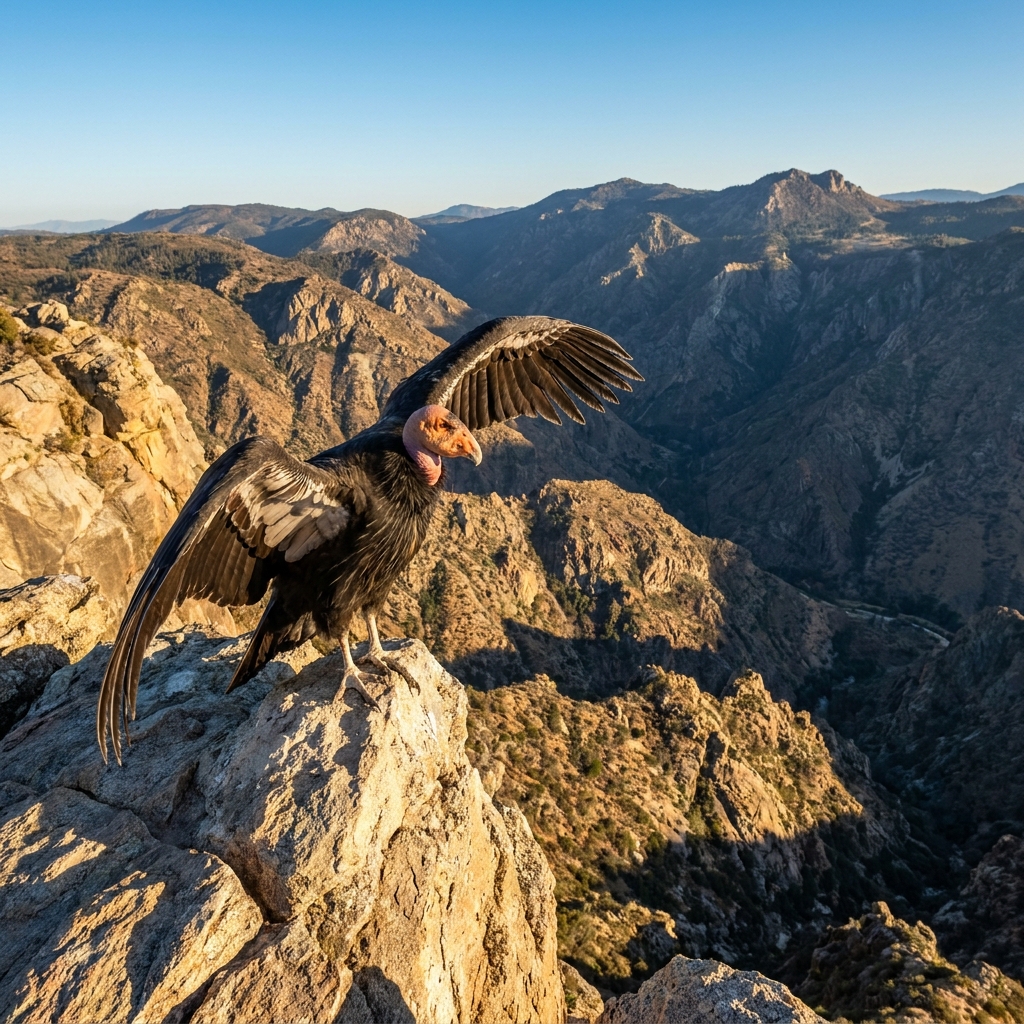
The lesson uses the California condor to demonstrate how animals interact with their surroundings. Because these birds are a keystone species, they play a unique and crucial role in the way an ecosystem functions. The material explains that the condor uses receptors to detect thermal currents. These rising columns of warm air allow the birds to glide while searching for food. I appreciate that the lesson frames this as an adaptation that allows the bird to survive within California mountain ecosystems. It forces students to think about how environmental phenomena are linked to biological success.
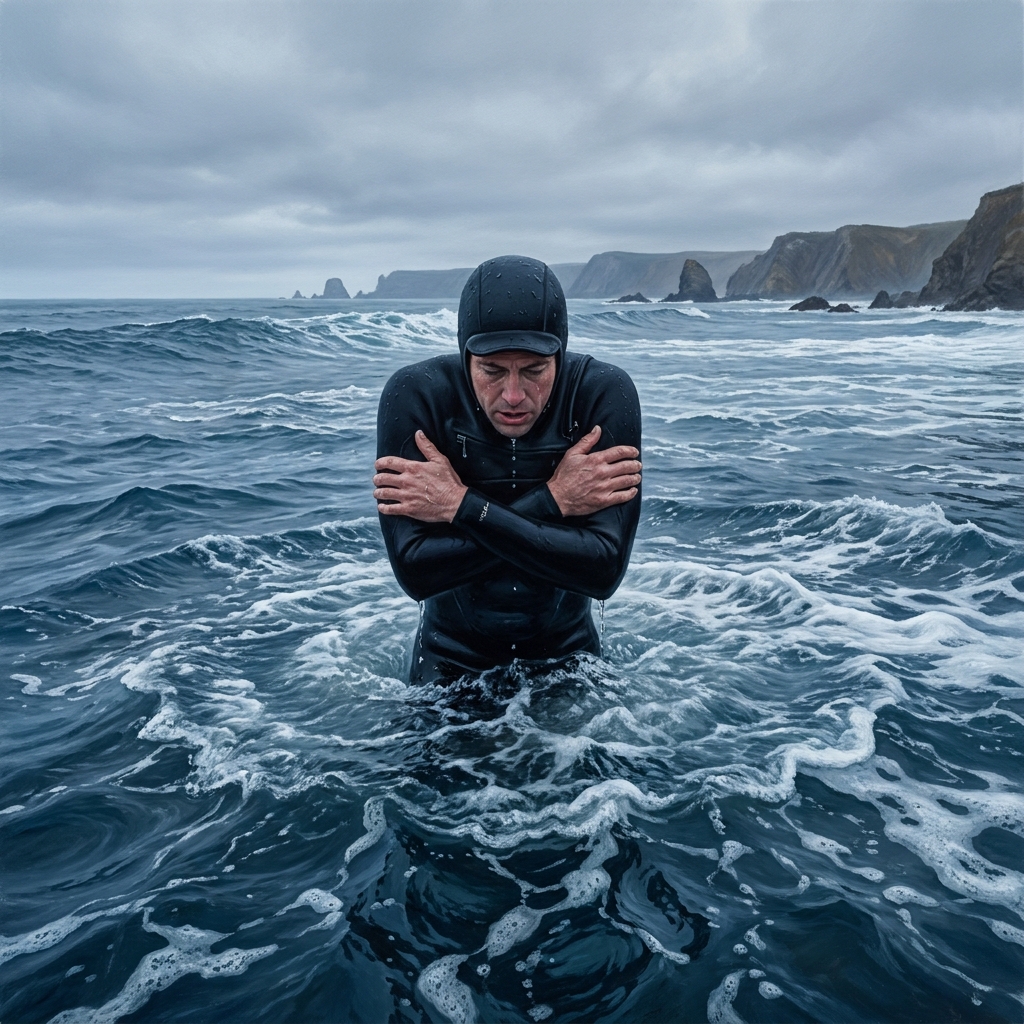
You will find that the lesson also connects to real-world safety design. It explains that scientists study these exact systems to design better alarms and safety systems for emergencies like earthquakes or fires. This is a smart way to link the classroom material to the state infrastructure. It shows that learning about sensory processing is not just about memorizing parts of a diagram. It is about understanding how to keep people safe. If you have a student who missed the week of instruction, this lesson is dense enough to get them back on track without needing a full lecture from you.
When to pull this lesson into your rotation
This 6th grade science sensory processing lesson works well as a whole-class assignment or as a focused task for independent study. If you have an unexpected vacancy in your schedule, this is a perfect substitute day activity. It is structured to take about 45 minutes, which is exactly how long you need to get a class through the material without it feeling rushed. I have found that students sometimes struggle to see the connection between the cellular level and the whole-organism behavior, but the progression from the rattlesnake example to the California condor case study usually clears that hurdle for them.
One small limitation to watch for is the speed at which some students move through the definitions. While the concepts of stimulus and receptor are clear, some students benefit from you sketching a simple diagram on the board to illustrate the path from the receptor to the brain. It does not require a complex drawing. A simple arrow diagram showing a stimulus, a receptor, a signal to the brain, and a final behavior is enough to keep the class focused. This lesson is a solid addition to your middle school life science toolkit, and it fits neatly into the state-aligned curriculum you are already managing.
Related lessons
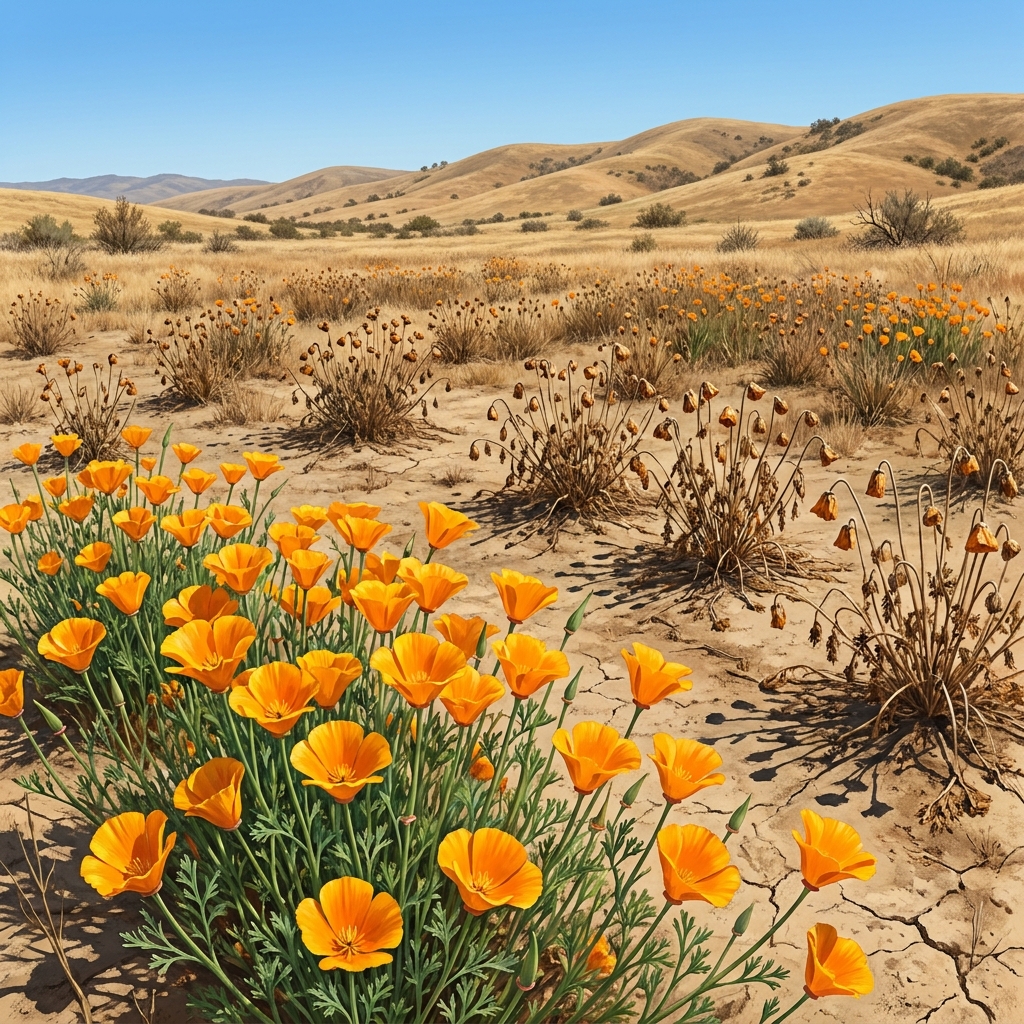
Survival and Genetic Variation, Explains how genetic variations influence survival in changing environments
How Humans and Nature Change Populations, Discusses human and natural impact on animal populations
The Human Body as a System, Covers how body systems work together to maintain function