

When you have a student who needs to revisit specific evolutionary concepts, finding a quick, targeted activity is often the hardest part of the day.
This Embryos and Evolution lesson is a solid resource for 6th grade science classrooms, especially when you are managing intervention, independent study, or a student who missed the week during a larger unit. It takes about 45 minutes to finish, making it a manageable chunk for an independent-study coordinator or a classroom teacher needing a focused sub day activity.
What the lesson actually asks students to do
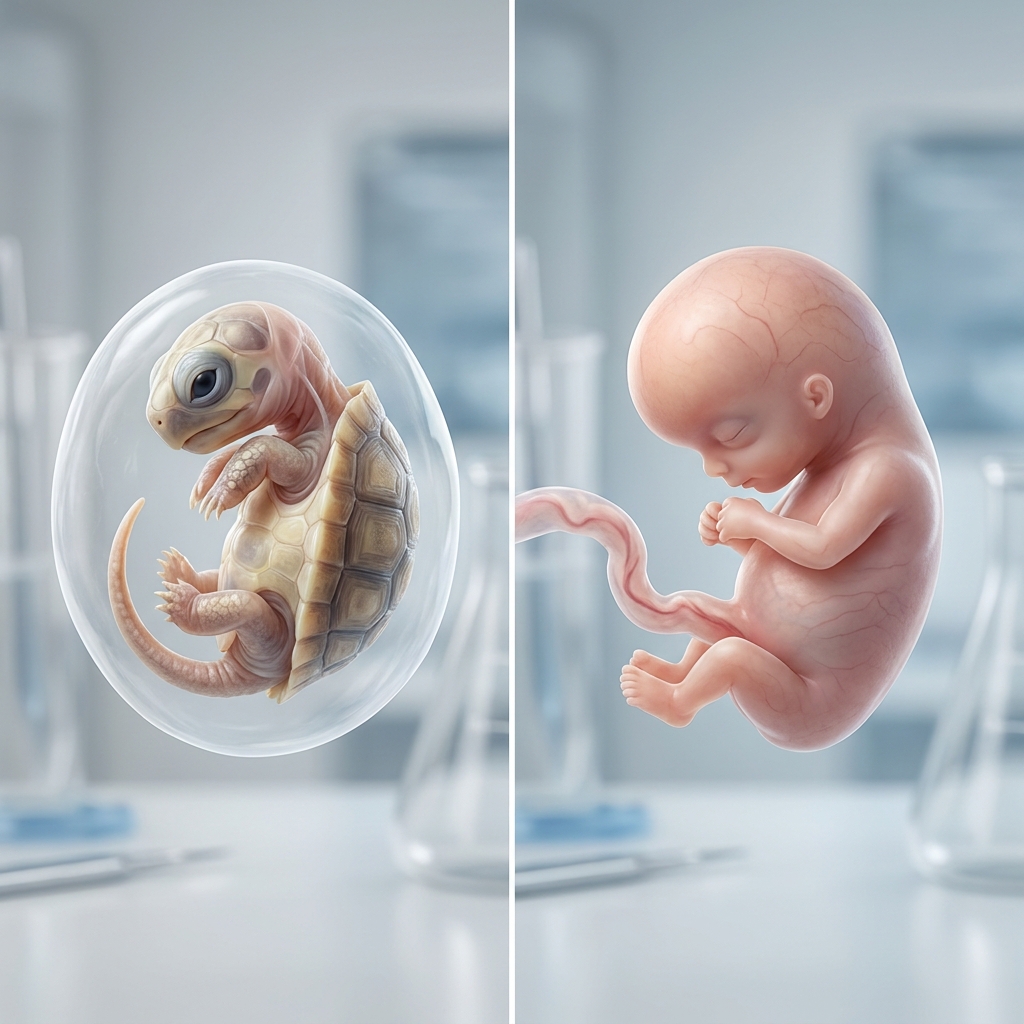
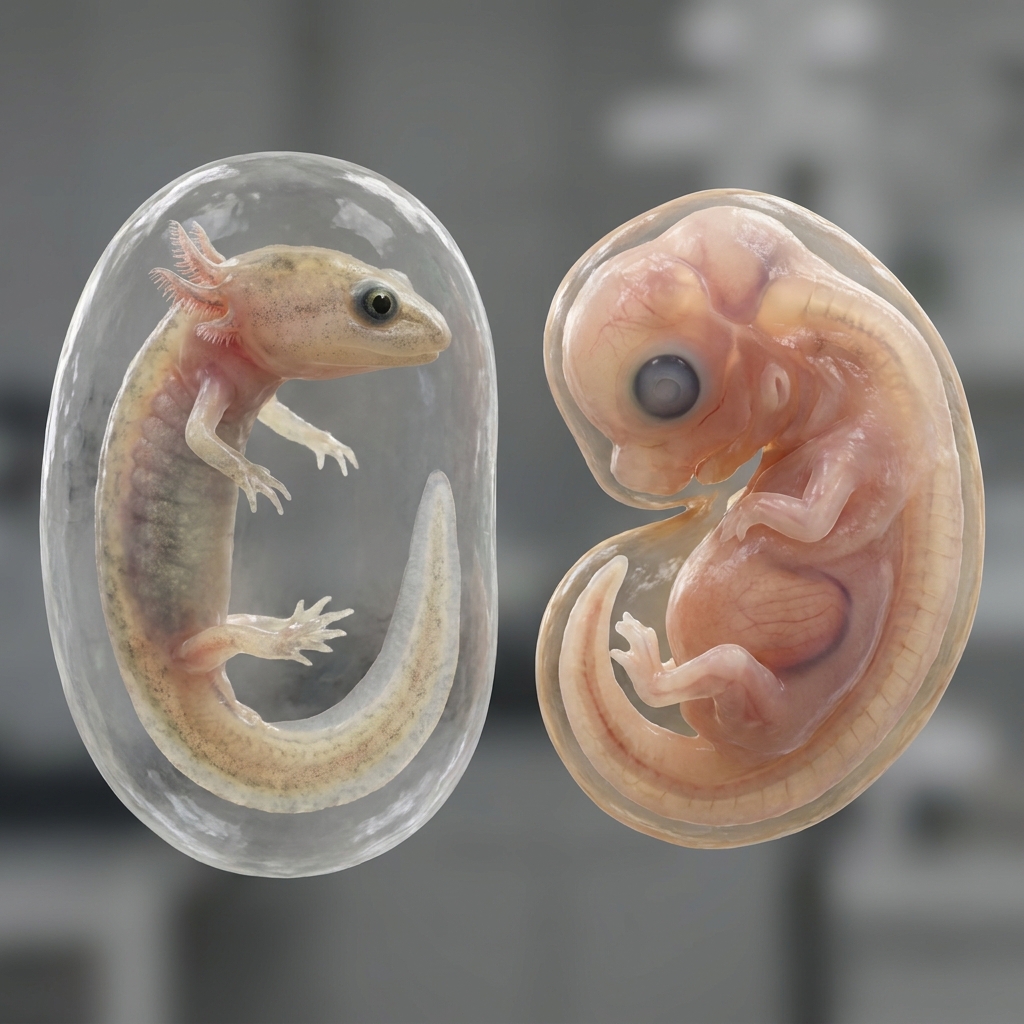
The core of this material is 6th grade science lesson on embryology, which centers on the concept that looking at how animals develop before birth tells us more about their history than looking at them as fully grown adults. Students are asked to analyze visual data to identify similarities between species. For instance, the lesson walks students through the fact that a human embryo and a chick embryo both develop 4 pharyngeal arches in the neck region. It also presents a scenario where students consider a tortoise and a human embryo, noting that both have a tail structure early on, which provides evidence of a shared vertebrate ancestor. The vocabulary includes terms like pharyngeal arches, vertebrate, and developmental traits, all set within the context of how different species interact with environments ranging from rainforests to deserts.

Aligning with state standards
The lesson covers CA.MS-LS4-3, the California-adopted standard that asks students to analyze pictorial data to compare patterns of similarities in embryological development across species to find relationships not visible in fully formed anatomy. This standard is taught the same way across the state, from Santa Ana Unified and Riverside Unified to Lakeport Unified and Natomas Unified. Because California uses an integrated model for science, this work is naturally contextualized with California phenomena such as water systems, which are the interconnected bodies of water like rivers, lakes, and oceans that serve as environments for early vertebrate life and shape how these species evolve.
Where students slip
The tricky part for 6th graders here is letting go of what they see in the mirror or the local zoo. It is counterintuitive to accept that a human started with a tail structure. I have seen students get stuck trying to identify the adult version of the embryo before they have truly analyzed the shared patterns. The lesson does a good job of pushing them to rely on the data provided rather than their preconceptions about what an adult human or bird looks like. If you have an intervention student, check to make sure they are actually comparing the side-by-side images rather than skimming the text, as the visual observation is where the real learning happens. Once the student completes the work, the results provide a clear indicator of whether they can identify evolutionary relationships based on developmental patterns, which makes it easy to grade and record for their progress file.
Related lessons
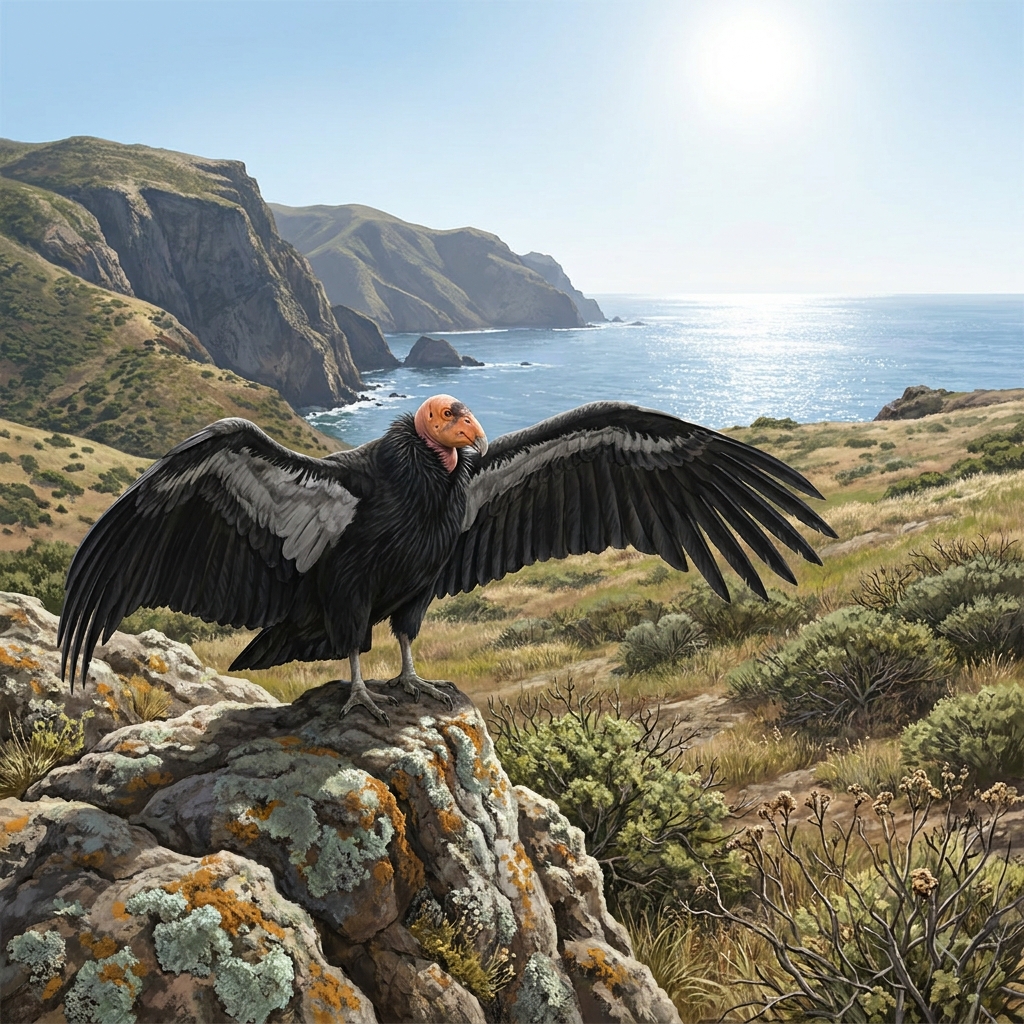
Protecting California's Natural Diversity, Discusses methods for preserving diverse ecosystems within the state
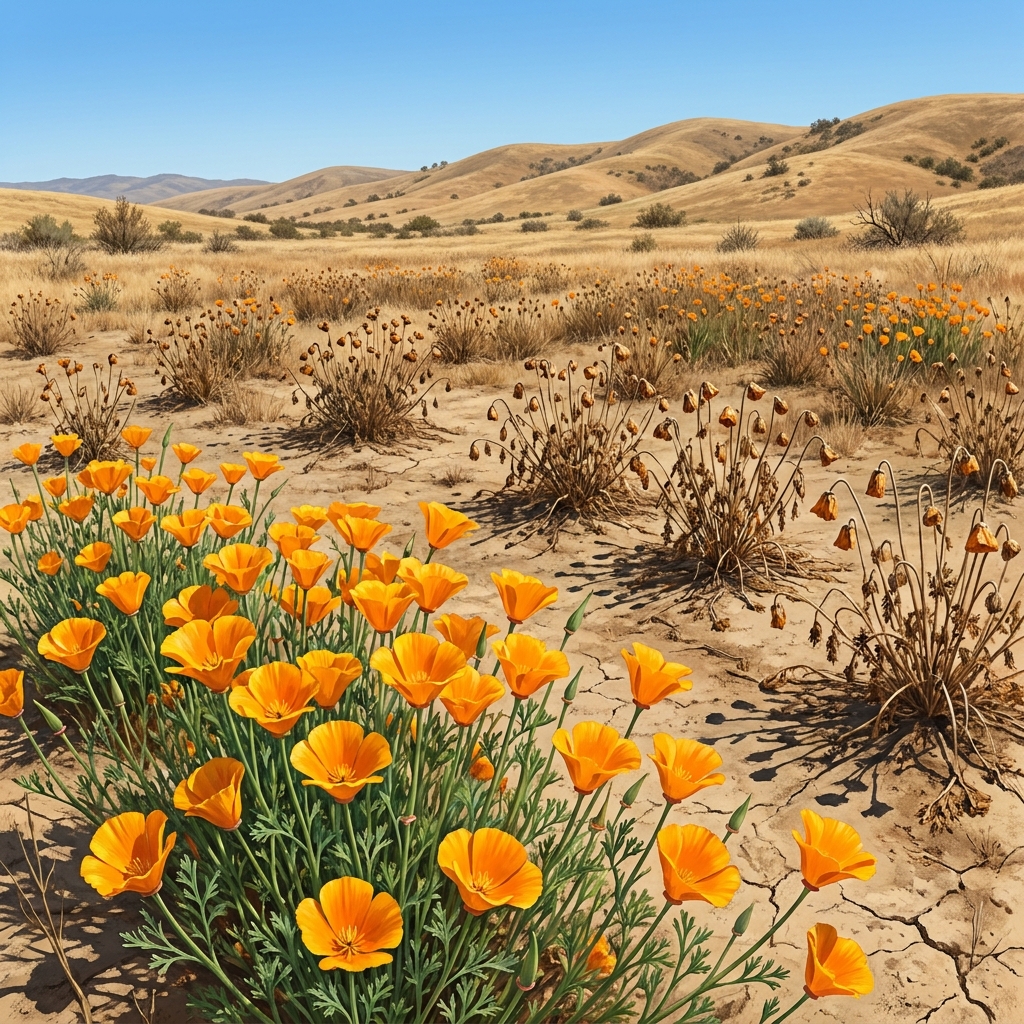
Survival and Genetic Variation, Explains how genetic differences help species adapt and survive
The Building Blocks of Life, Covers the basic biological units that form living organisms