

Sixth grade social studies students often find the transition from studying early civilizations to the expansive Roman Empire a bit overwhelming.
When we look at the specific history of the Roman world, one of the most interesting threads to pull is how a belief system moved from the fringes of a massive territory to its center. The Spread of Christianity in the Roman Empire provides a clear, manageable way for your students to see this transition without getting lost in the weeds of theology. It focuses on the mechanics of history, how the roads and the social conditions of the time actually acted as a catalyst for a religious movement.
Understanding the standard and the mechanics of history
The core of this lesson is CA.HSS-6.7.7, which asks students to describe the circumstances that led to the spread of Christianity in Europe and other Roman territories. Breaking this down, it asks more than just a list of events. It requires students to analyze the interplay between physical geography and social structures. The California-adopted standard demands that students look at the ‘circumstances’ as a puzzle. This means looking at the physical roads that moved people and the societal hierarchies that made a new, inclusive message so attractive to the marginalized.
You will find that teachers in Moreno Valley Unified, Twin Rivers Unified, Needles Unified, and Rosemead Elementary School District all use this same standard to help students see how history functions as a set of moving parts. When a student learns that infrastructure allowed ideas to flow, they are not just memorizing a date. They are grasping a concept that applies across history.
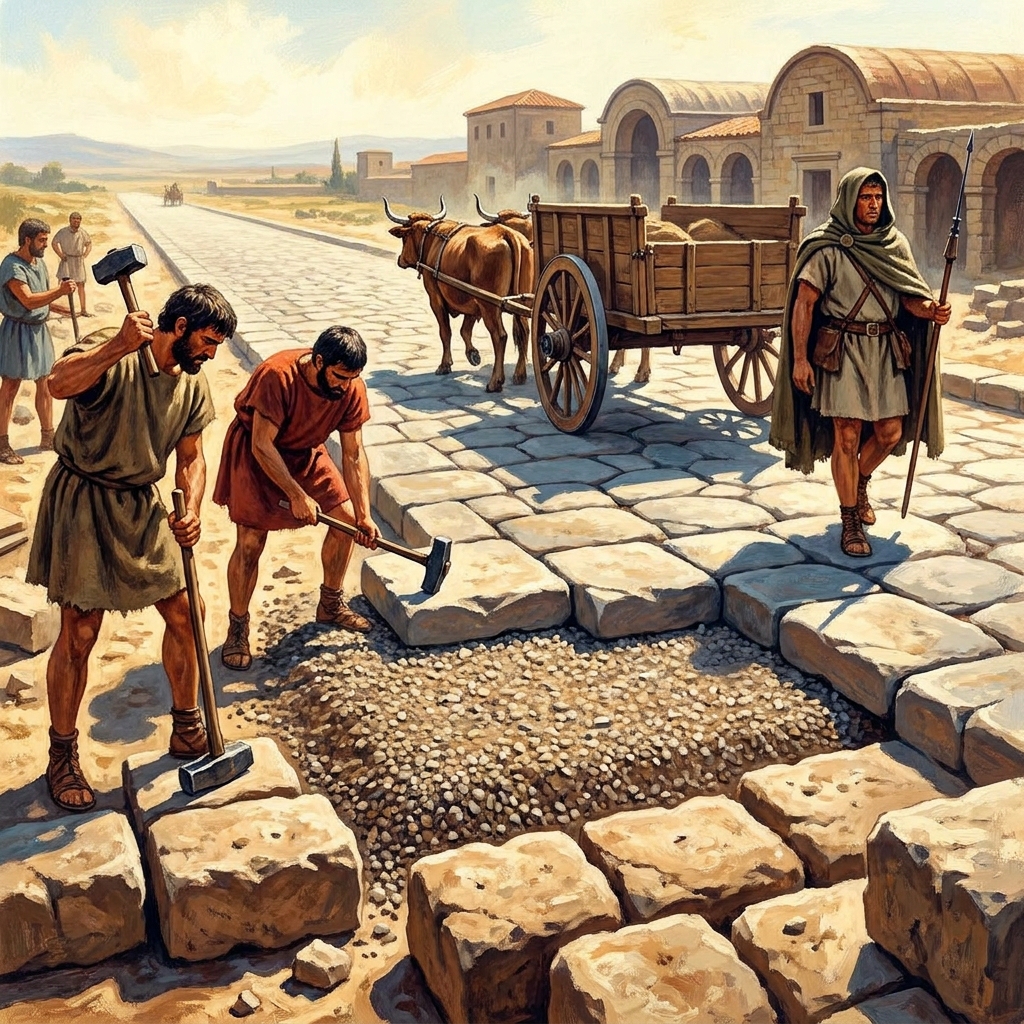
The lesson uses specific vocabulary to build this bridge. Infrastructure is defined as the system of roads, bridges, and communication networks that allows people and ideas to move easily between places. By using this term, the lesson moves away from treating roads as just stones and gravel. It treats them as the internet of the ancient world. Once students understand that a merchant or a missionary could use these stone networks to move quickly across provinces, the spread of an idea like Christianity begins to make sense to them.
Where students find success with this material
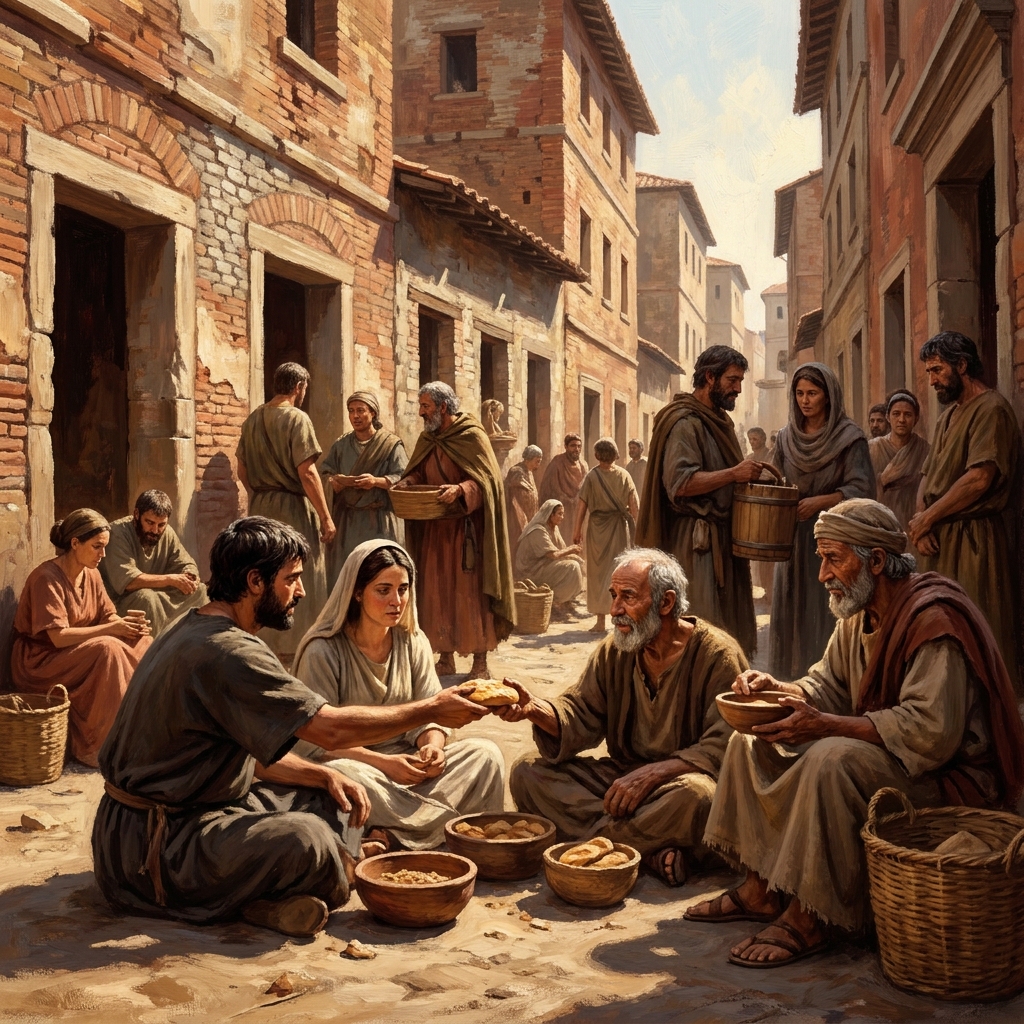
I find that students really pick up on the idea of the hierarchy in Roman society. The lesson guides them through the experience of a citizen who might have felt insignificant within the rigid, top-down structure of the empire. When they read about how these early communities were known for charity and equality, they start to see the human motivation behind the historical shift. It is much easier to teach a middle school ancient history lesson when the students can identify with the people living in that time rather than just looking at a map of names and borders.
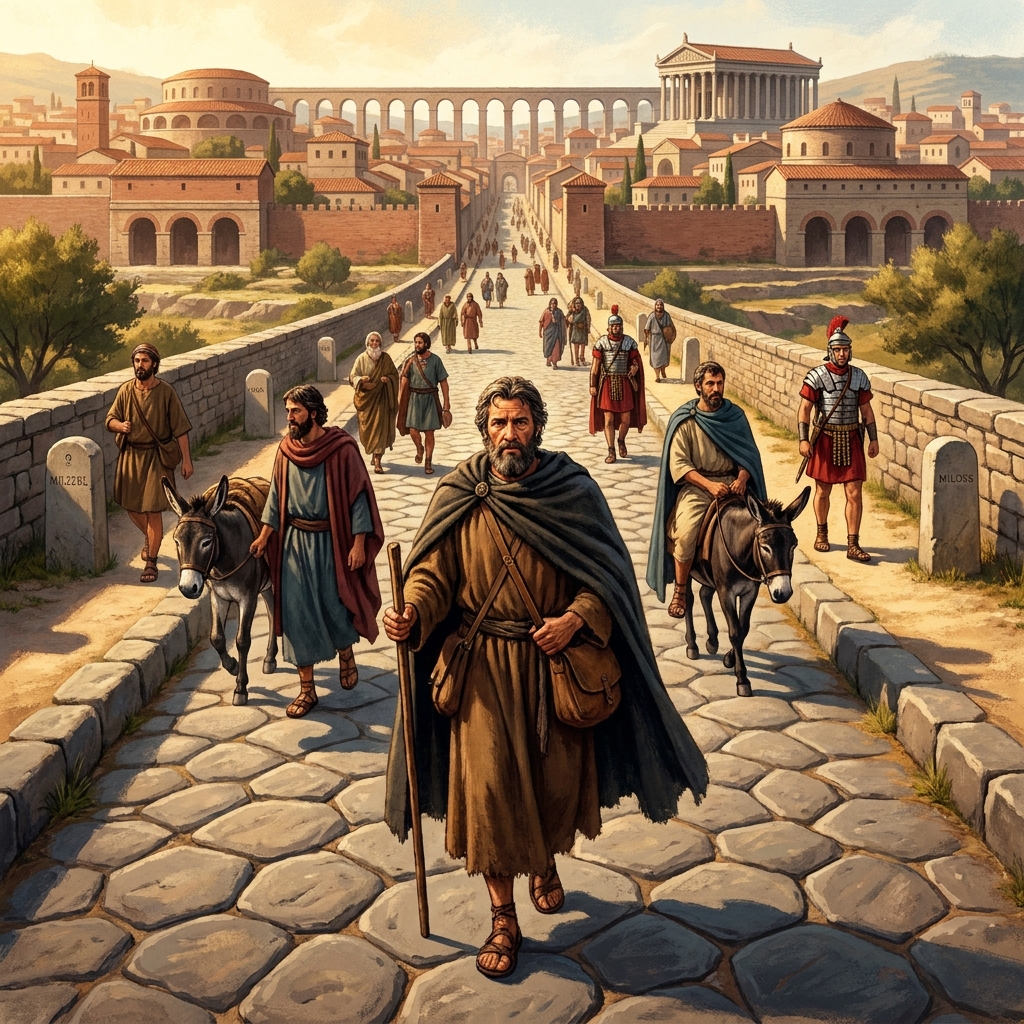
The lesson also introduces the Edict of Milan, the law from 313 CE that finally granted Christians the freedom to practice their religion without fear. It is a perfect capstone for the unit because it shows the official, political side of a movement that had already been growing through the network of roads and the persistence of missionaries. A missionary, as the lesson explains, is someone who travels to different places to share religious beliefs. Combining the physical reality of the road system with the social reality of a group looking for equality gives your class a complete picture.
One caveat: be ready to explain that while these roads were engineered for armies and trade, they were repurposed by social movements. Sometimes students think the roads were built specifically for one purpose, but the beauty of this history is how those physical systems outlasted the specific intentions of the emperors who ordered their construction. It is a great lesson to use as a whole-class assignment or for a student who missed the week and needs to get back up to speed without needing to sit through an entire lecture series. It is also quite effective for a substitute day because the narrative is logical and easy to follow even if you are not there to lead the conversation.
By the time they finish, your students will see that the past is not just a collection of static events. It is a series of connections, much like the modern networks they use every single day to share their own thoughts and ideas across the globe.
Related lessons
The Ethical Roots of Judaism and Western Tradition, Examines core ethical principles and historical roots of Western tradition
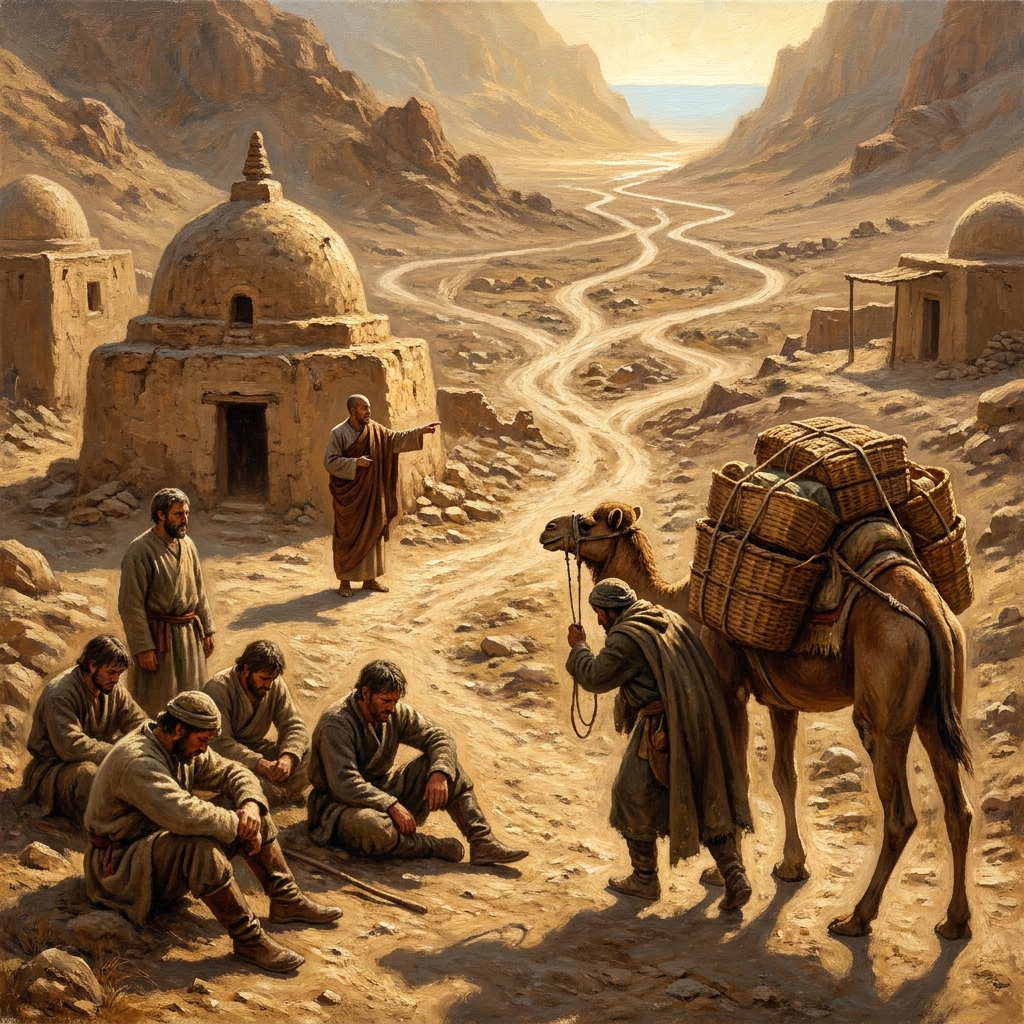
The Teachings and Spread of Buddhism, Discusses primary beliefs and the geographical expansion of Buddhist practice
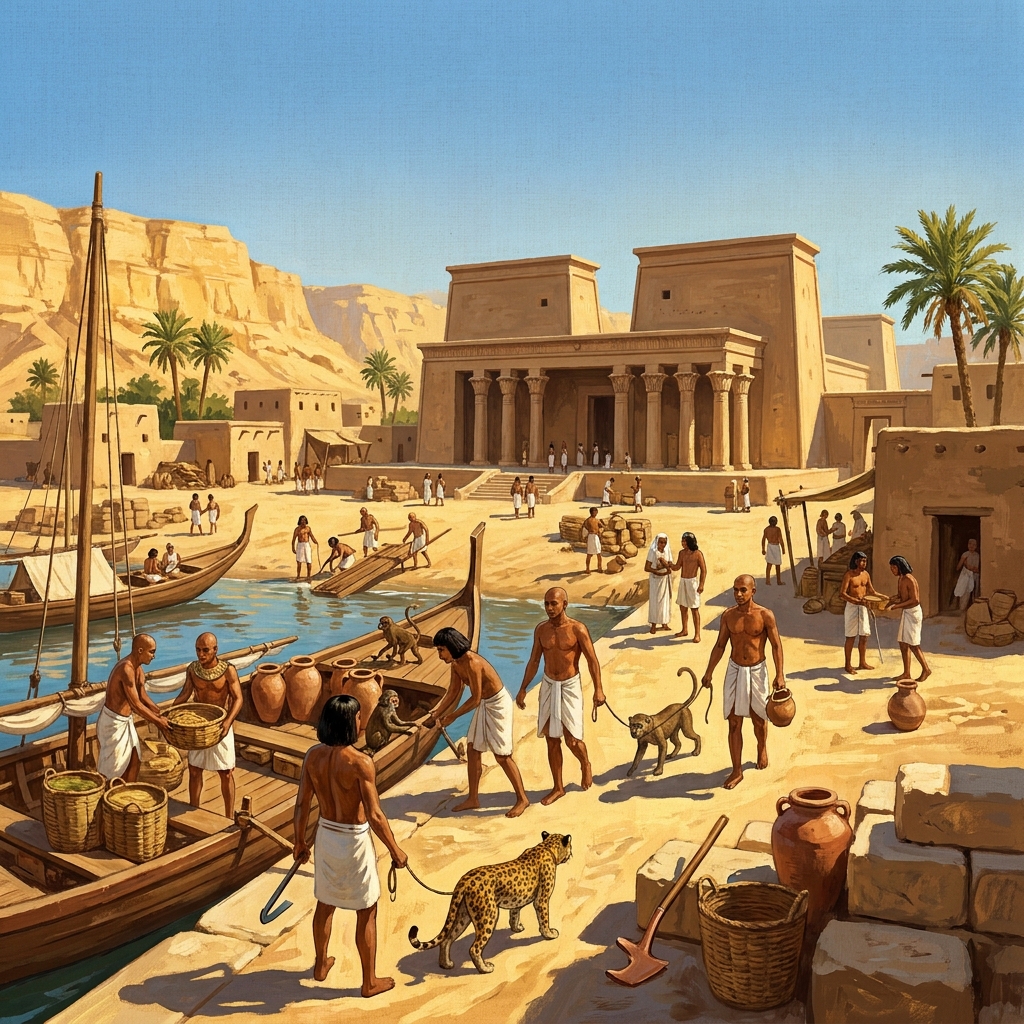
Leaders of Ancient Egypt: Hatshepsut and Ramses the Great, Details the contributions and historical impact of two famous pharaohs