

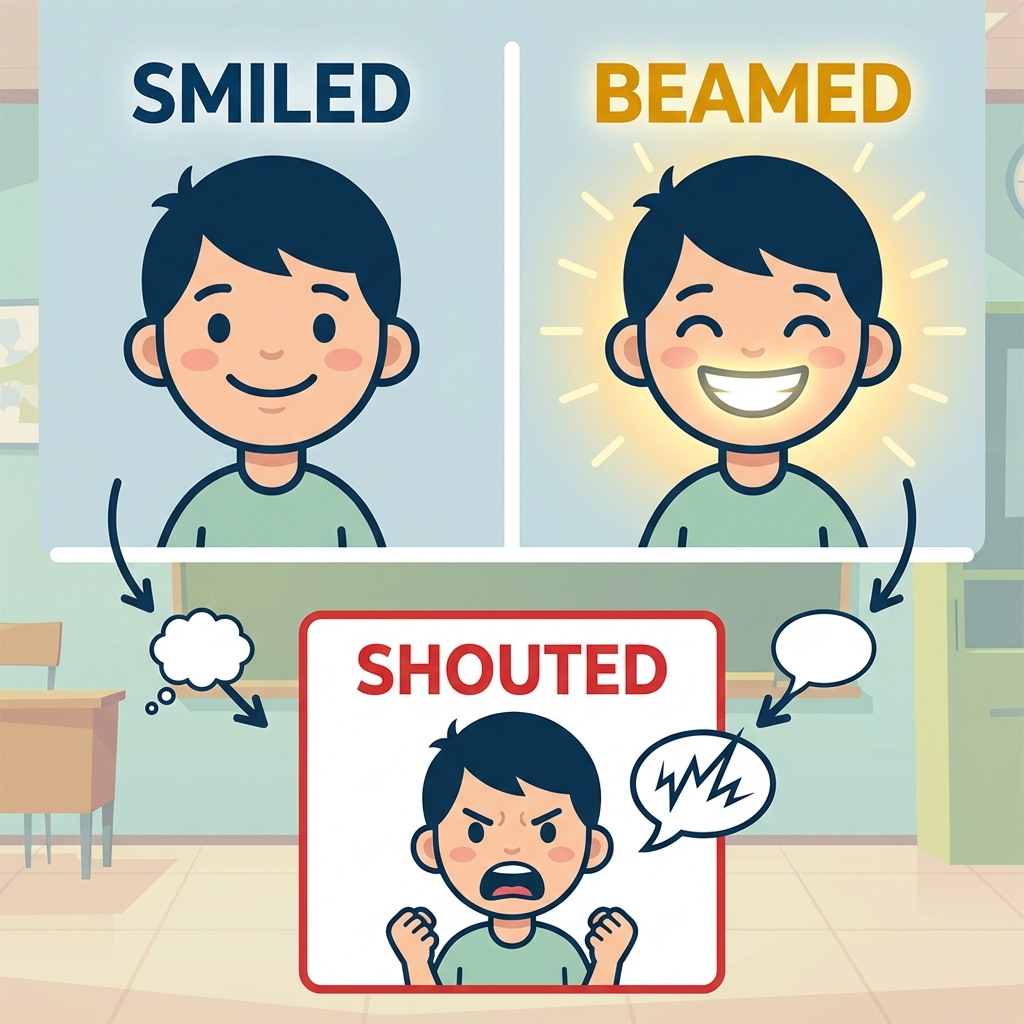
Helping 6th graders refine their writing often requires specific tools to help them move beyond basic vocabulary. Focusing on verb selection allows students to create clearer imagery and more intentional sentences, transforming flat descriptions into engaging prose.
How to push 6th graders past vague descriptions
About midway through the first semester of 6th grade English Language Arts, I usually find that my students have mastered the basics of sentence structure, but their writing still feels a bit flat. They rely on the same five verbs to describe every action. This is where Choosing Precise Words for Better Writing comes in handy. It is a solid, focused lesson designed to help students transition from using general, fuzzy language to selecting words that paint a clear picture for the reader.
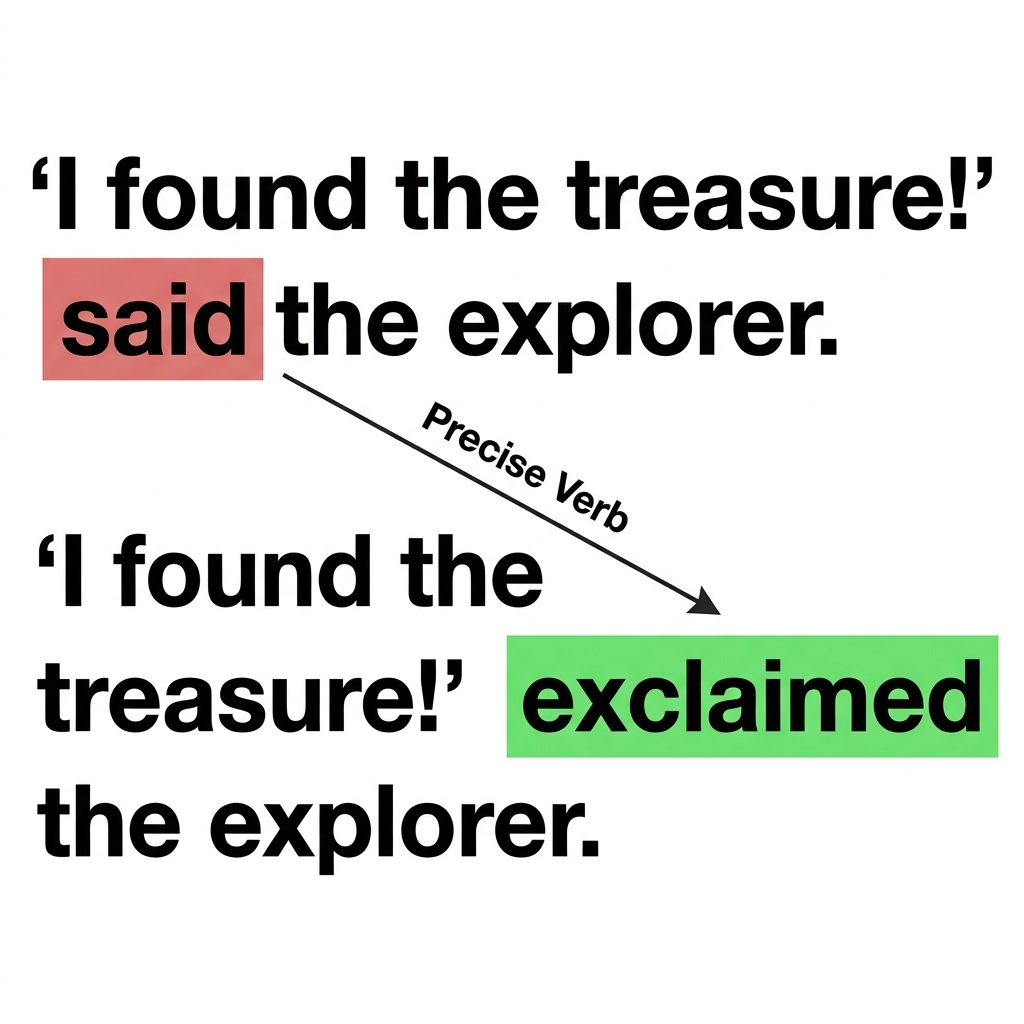
The lesson opens with a straightforward prompt about a farming village. It asks students to imagine a scenario where a farmer works to grow crops. By showing that a word like “works” is technically correct but functionally empty, students start to see the gap between simple sentences and vivid prose. The material then moves into concrete examples. If a character is exhausted, the lesson notes that saying they “walked” is fine, but “trudged” tells the reader exactly how much effort that movement requires. If someone is in a rush, “sprinted” is far more informative than just saying they moved fast. This is the exact kind of shift in thinking that helps students improve 6th grade descriptive writing by replacing vague, tired verbs with specific, intentional vocabulary.
The standard behind the word choice
This lesson is built to support CA.ELA.L.6.6, which asks students to acquire and use grade-appropriate general academic and domain-specific words. Specifically, it focuses on the California requirement to use words that signal precise actions, emotions, or states of being. This standard, which is also written as CCSS.ELA-LITERACY.L.6.6 to cover the gathering of vocabulary knowledge for better comprehension, is consistent across the state. Students in Lodi Unified, Anaheim Union High School District, Lake Elsinore Unified, and Jefferson Elementary School District are all working on the same goal of refining their language to express exactly what they mean.
Vocabulary acquisition here isn’t just a list to memorize. It is broken down into three categories: precise, vague, and domain-specific. The lesson explains that domain-specific terms are those tethered to a particular subject like science or history, which is a great bridge to other content areas. I like that the lesson reminds students that using precise language is a functional skill: they need it to follow instructions correctly or to understand the facts in a news report. Writing isn’t just about creative flair; it is about accuracy.
Where students slip and how to practice
The most common hurdle I see is students feeling like they have to use “big” words to be precise. This lesson does a good job of showing that precision is actually about being clear, not just using long words. Once they grasp that, the guided practice moves them into a paragraph about a volcano. Asking students to analyze the language used to describe a geological event is a perfect way to shift from general academic words to domain-specific ones.
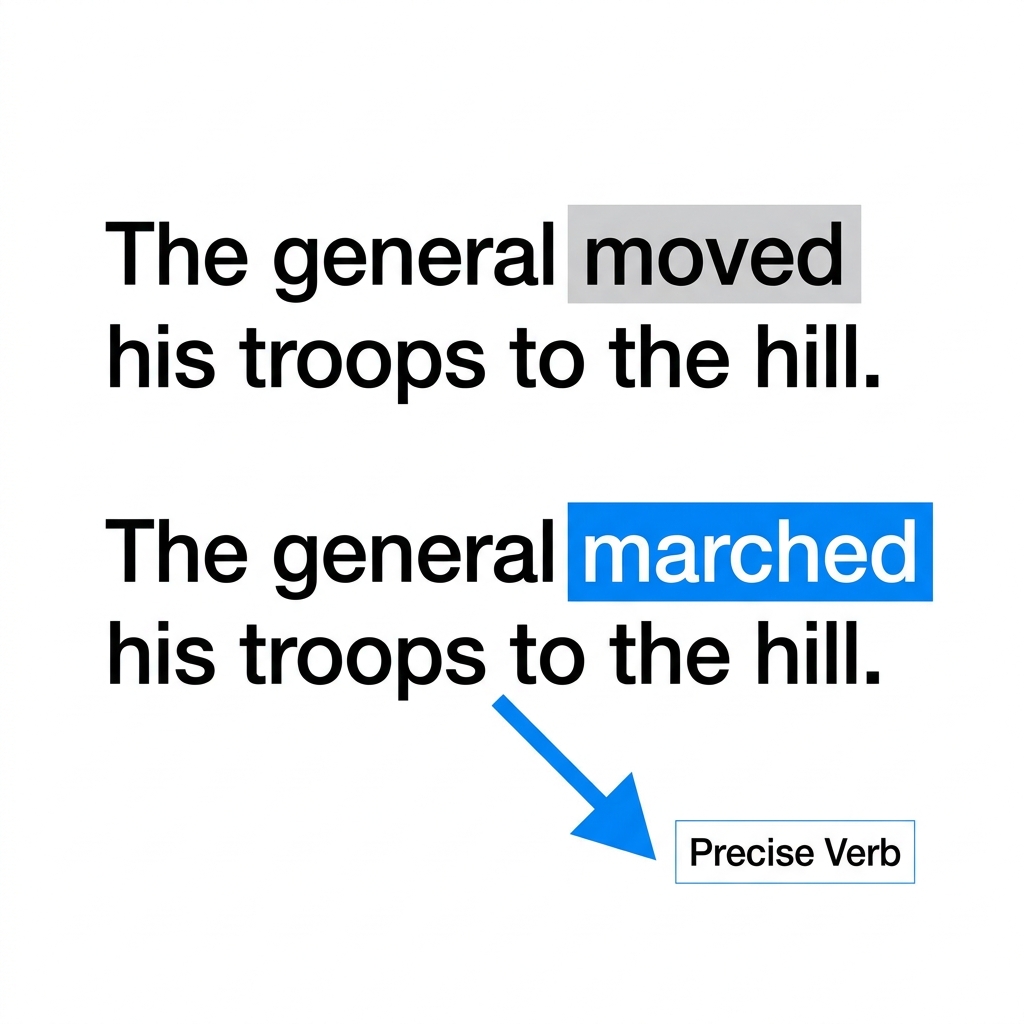
Because this lesson takes about 45 minutes, it fits perfectly into a few different classroom scenarios. If you have a student who missed the week of instruction on narrative drafting, this is a great catch-up assignment. It also works as a standalone activity for a substitute day or a brief intervention session when a small group is clearly struggling to keep their writing from feeling repetitive. It does not try to do too much, which is its greatest strength. It assumes the student knows how to write a sentence and simply gives them a strategy to change the impact of that sentence. If you find your students are getting stuck in the mud of generic verbs, this is a very practical way to clear the path.
Related lessons
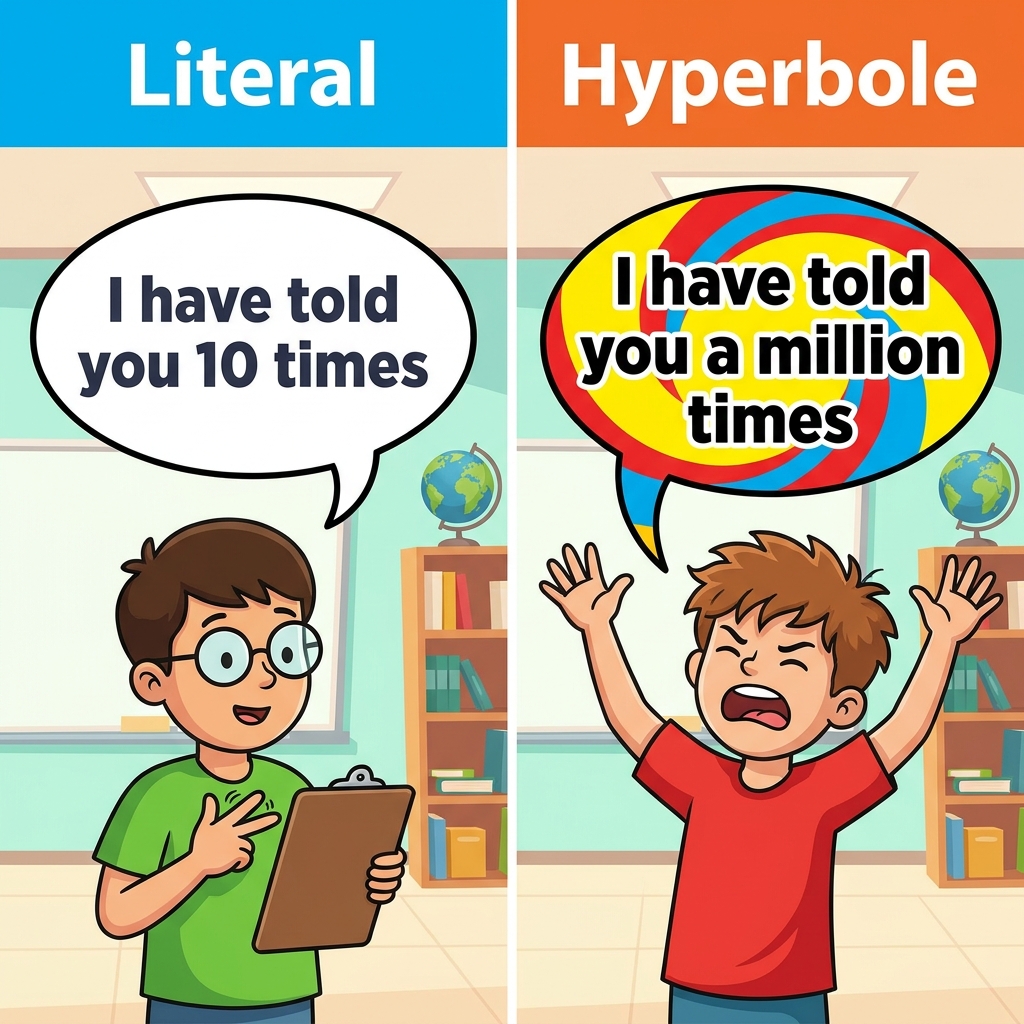
Understanding Figurative Language and Word Nuances, Lessons on identifying and using various types of figurative language
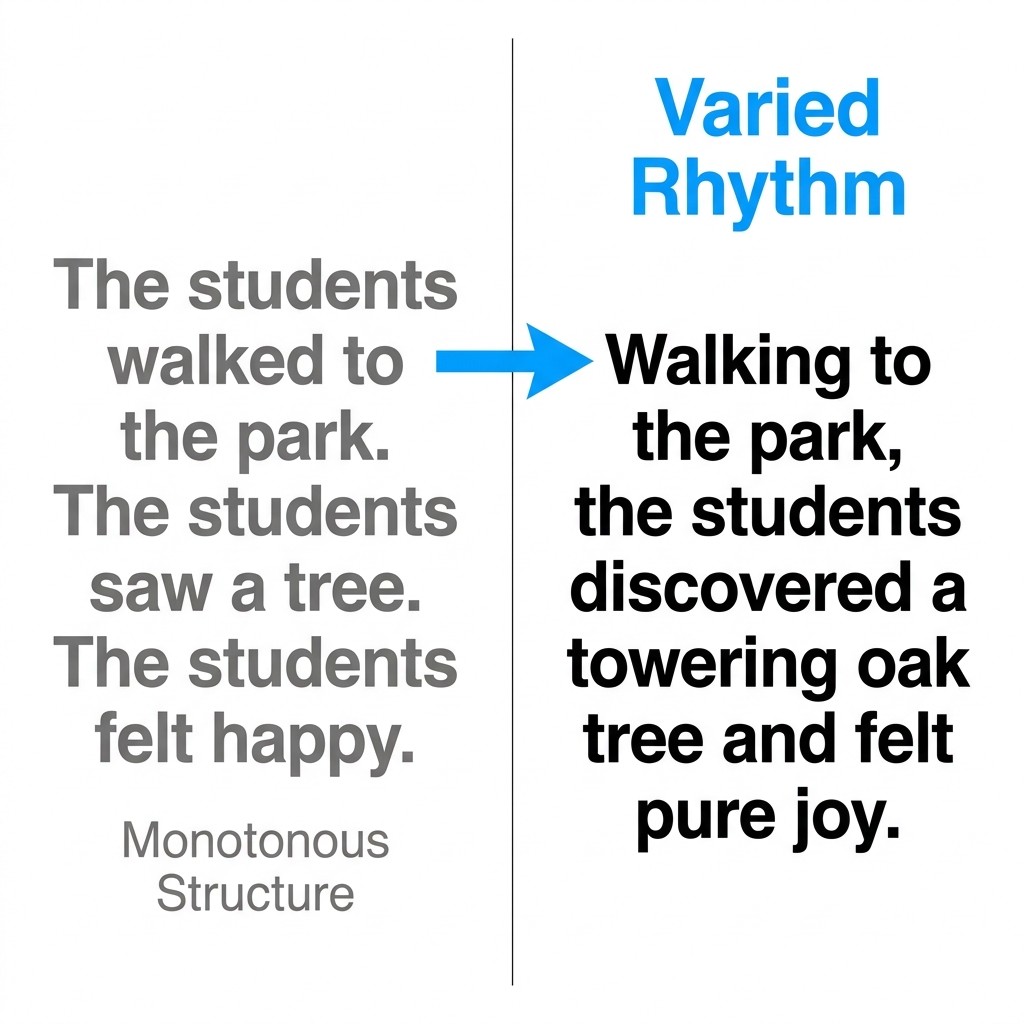
Writing with Style and Variety, Methods for using varied sentence structures and descriptive word choices
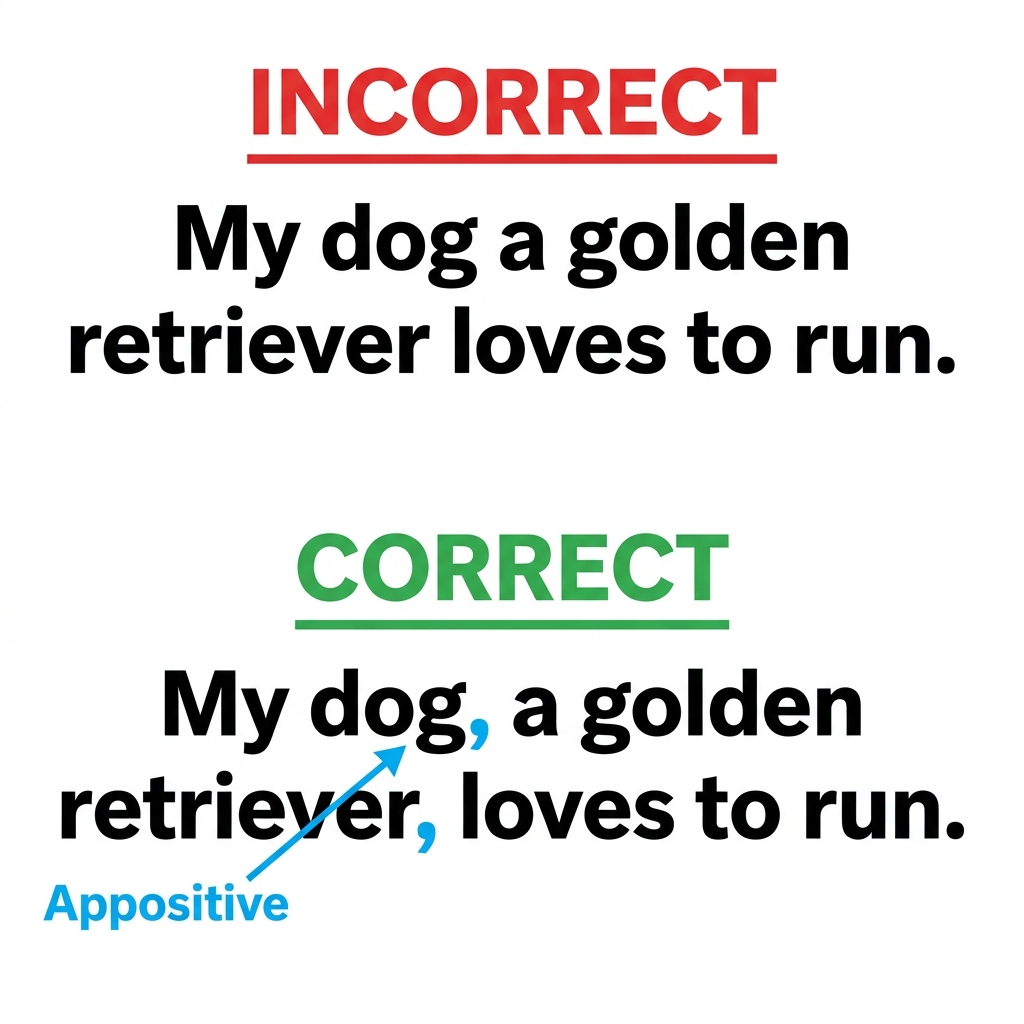
Using Punctuation to Clarify Meaning, Instruction on applying proper punctuation to improve sentence clarity