

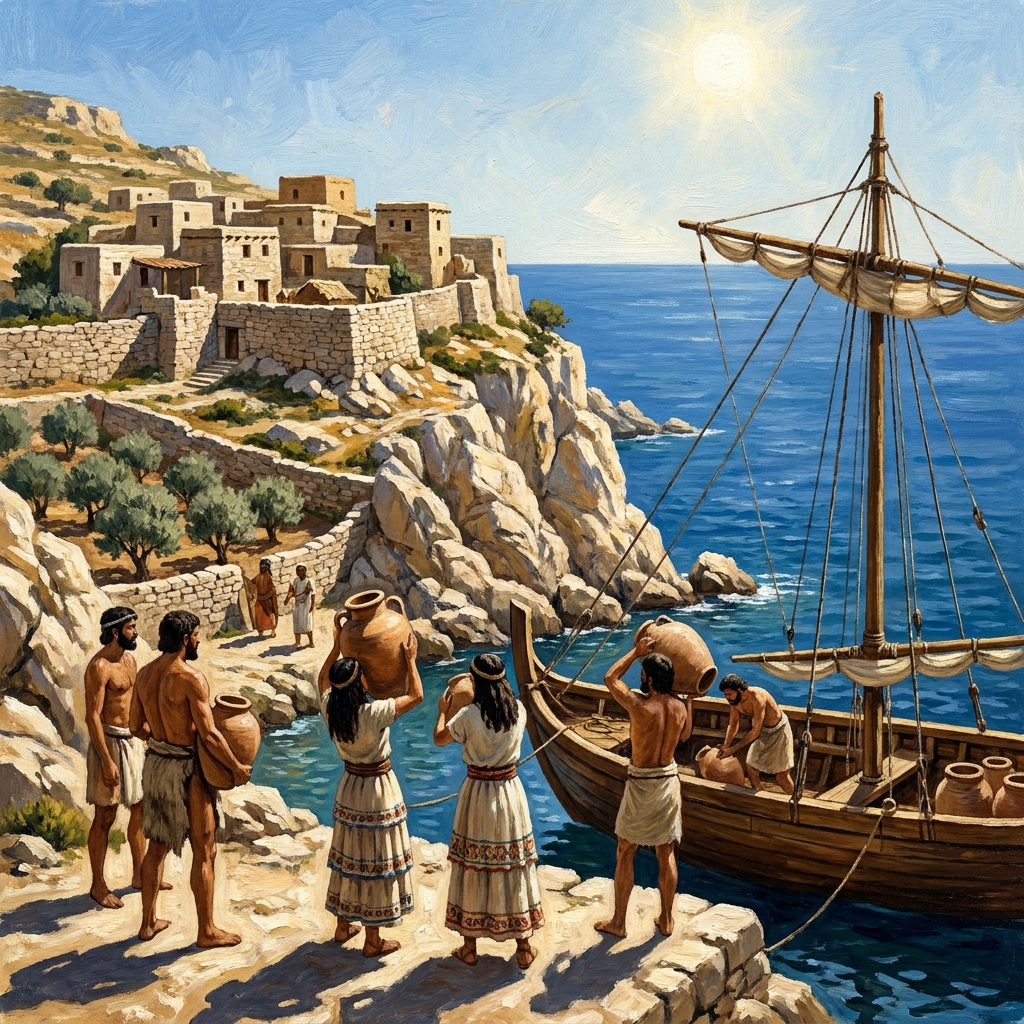
The rugged terrain of the Aegean region is more than just a backdrop for ancient history.
It is the defining factor in how early Greek society took shape. When you start your unit on ancient civilizations, Geography and the Greek City-States provides a concrete way to ground those early weeks of the school year. You are looking at a 6th grade social studies lesson that moves away from rote memorization of names and places. Instead, it asks students to look at a map and think like a planner in an era where mountain ranges and coastal access dictated every economic decision. This lesson works well for a whole-class assignment when you are first introducing the regional geography, or as an independent study unit for a student who missed the week of the initial lecture.
What this lesson actually asks students to do
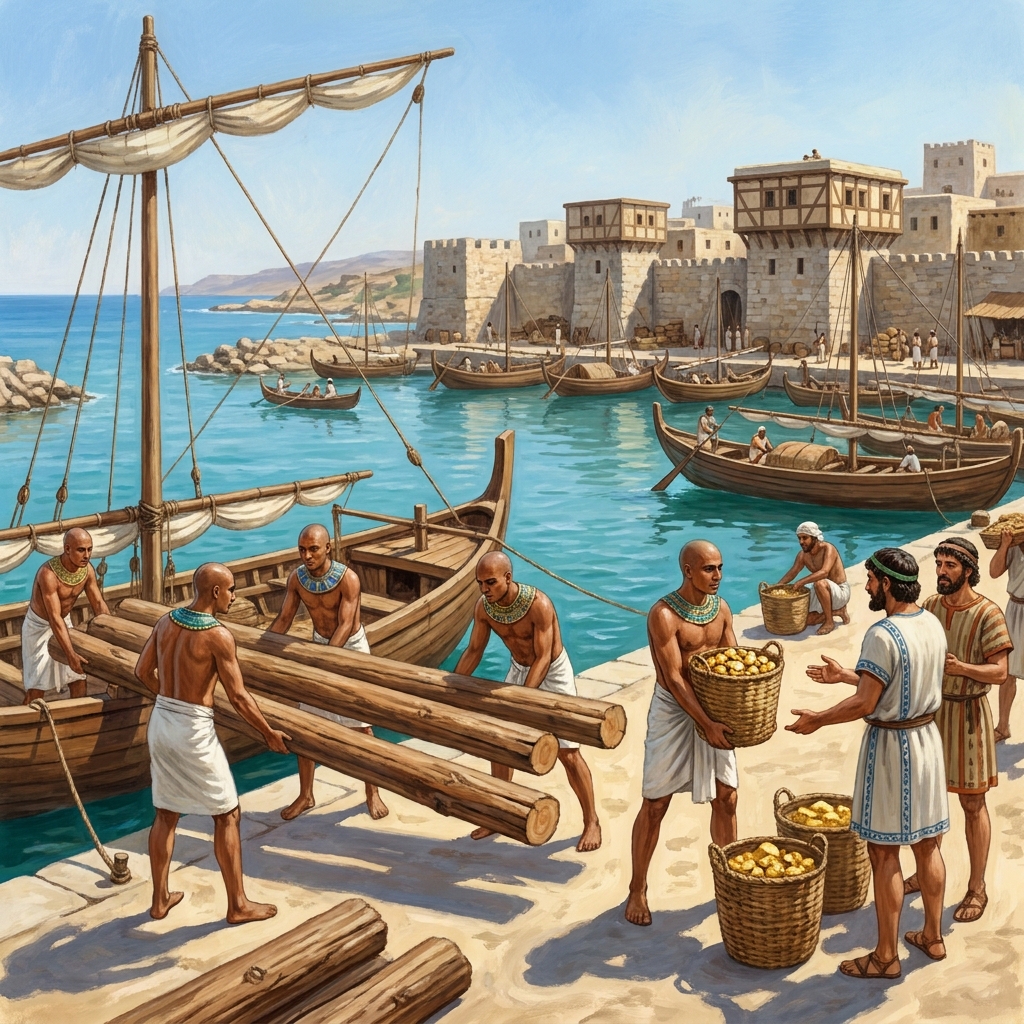
The lesson asks students to explain how the terrain of the Aegean region forced the growth of independent city-states. It uses specific vocabulary like city-state, which the lesson defines as an independent city and its surrounding land with its own laws. It also introduces maritime trade and cultural diffusion. Your students will see examples like Athens, where access to a natural harbor made it possible for residents to trade goods like olive oil across the sea. The lesson materials explain how Mediterranean trade networks functioned as vast systems that connected Greek city-states to places like Egypt, Italy, and Phoenicia. Through these networks, the residents exchanged goods, but also new technologies and ideas.

This 6th grade ancient civilizations geography lesson addresses the primary standard code CA.HSS-6.4.1. This California-adopted standard asks students to discuss the connection between the physical geography and the emergence of city-states. It requires them to examine trade and commerce patterns within the Aegean region and the broader Mediterranean. Educators in the Sweetwater Union High School District, West Contra Costa Unified, Lucia Mar Unified, and ABC Unified all teach this same standard to ensure students understand the geographic foundations of the ancient world. The standard covers HSS-6.4 as a whole, which asks students to analyze the religious, economic, social, and political structures of early Greek civilizations.
Where students hit a wall
The biggest hurdle for 6th graders here is imagining the isolation caused by steep, rocky mountains. We are used to flat highways and open travel. When they look at the map, remind them that those mountains act as natural barriers that kept early communities from merging into one giant nation. The lesson provides a guided practice scenario that helps with this. Students must imagine two city-states: one high in the mountains with iron and one on the coast with grain. They have to map out a trade solution. I watch students struggle to realize that a mountain city cannot just walk to the sea with a heavy wagon of iron. They have to think about the labor of moving goods over rough paths. If you see them getting stuck, ask them to identify the physical geography first. Once they see the mountains, they usually stop trying to invent modern road systems and start talking about the necessity of coastal shipping ports.
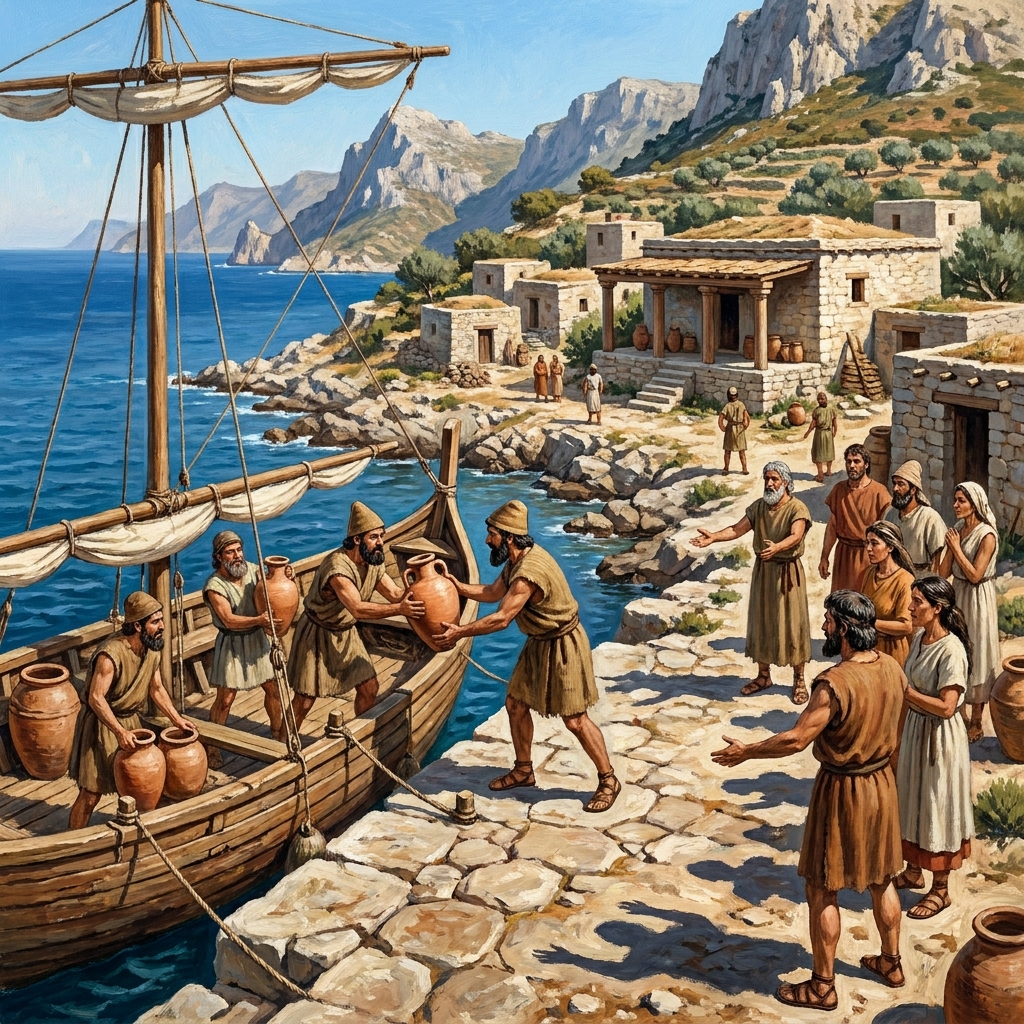
This activity forces them to move beyond the textbook definition of trade. They have to see the economic dependency created by the geography itself. It is a productive challenge for a substitute day or for students who need additional practice with cause-and-effect thinking. Be sure they understand that these city-states were not just trading for survival. They were building the cultural diffusion that defined the era. When they trade grain for iron, they are also trading ideas. That is the moment where the geography stops being just rocks and dirt and starts becoming the catalyst for the development of the Greek world.
Related lessons
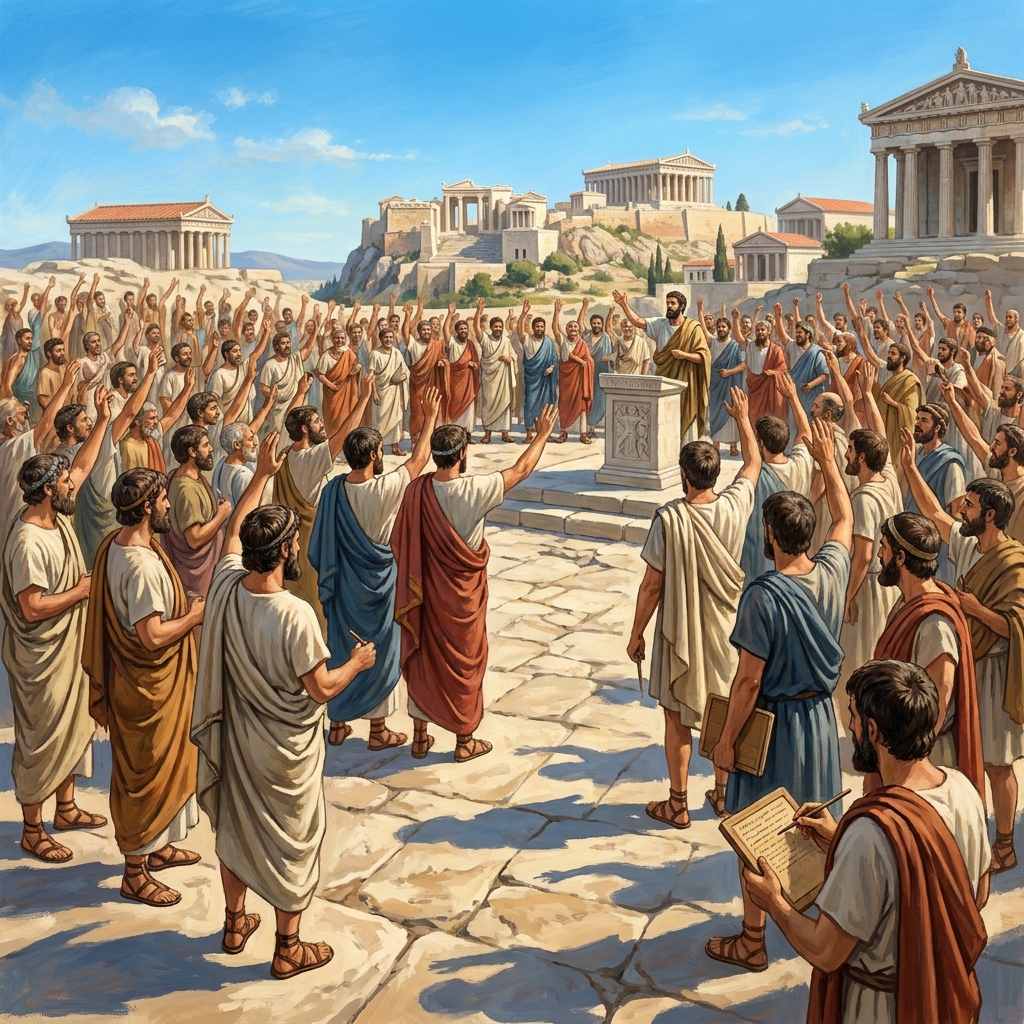
Democracy: Direct vs. Representative, Explains different forms of government in ancient Greek city-states
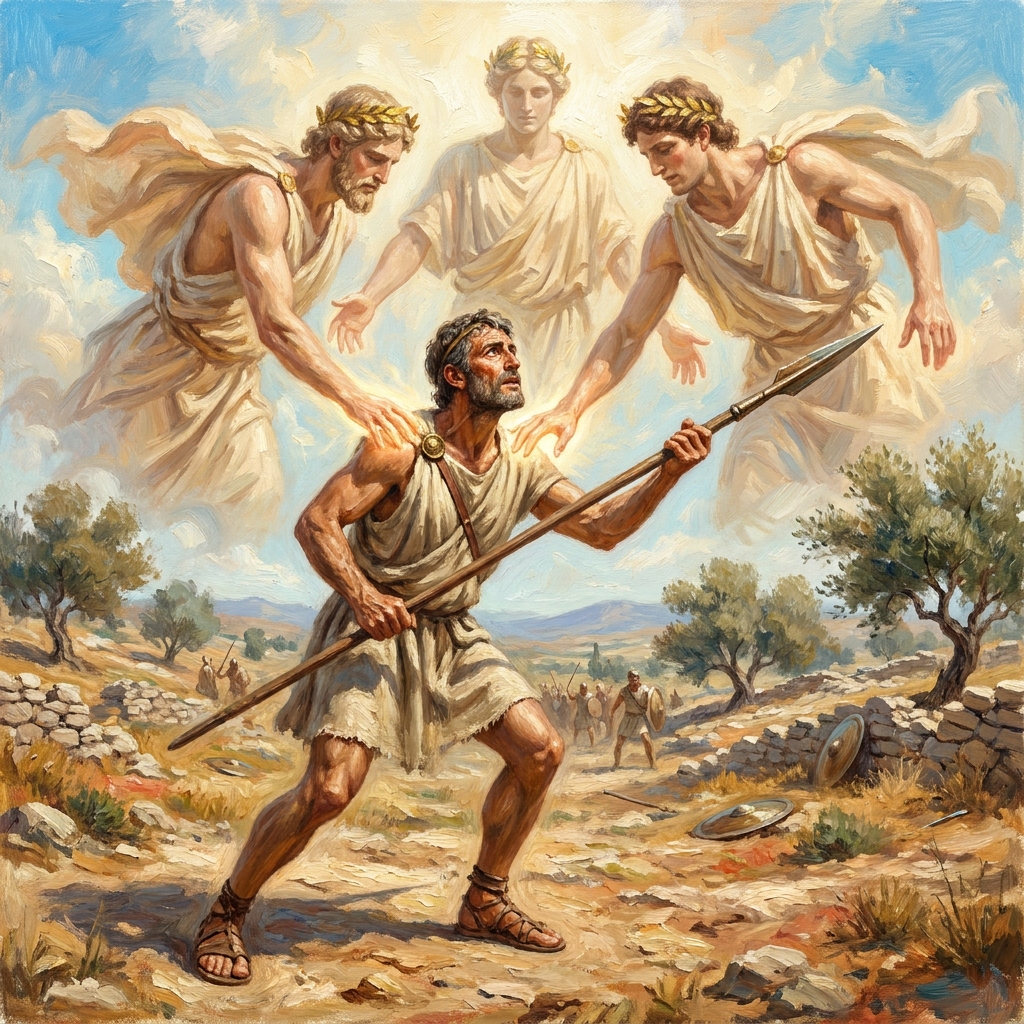
The Enduring Power of Greek Mythology, Discusses the influence of ancient Greek stories and gods
Trade Networks of Ancient Egypt, Examines how ancient Egyptian civilizations managed their economic systems