


Sixth grade students often struggle with knowing when to dash off a quick response and when to slow down for a longer project. Many students find themselves overwhelmed by the difference between a simple response and a complex, multi-day assignment. This confusion often leads to assignments that lack the appropriate tone or depth required for the specific task at hand. Developing a systematic way to approach these different writing demands helps students move past the uncertainty that often hinders their academic progress.
In the Adapting Your Writing for Different Tasks lesson, your students will learn how to shift their tone, style, and timeline to match what an assignment demands. This is perfect for when you have a student who missed the week or someone working on independent study who needs a clear, actionable framework for their writing habits. The entire process takes about 45 minutes, making it a reliable tool for an intervention teacher or a substitute day plan. By using this framework, students learn to distinguish between the writing requirements for a quick science note and those for a longer, more detailed research project. This clarity is essential for success in middle school English Language Arts.
Understanding the TPA strategy
The core of this lesson is the TPA strategy, which teaches students to analyze three components before they put pen to paper or fingers to keys. They look at the Task, or the specific assignment they need to complete; the Purpose, which is the main reason for writing such as to inform, persuade, or entertain; and the Audience, which is the specific group of people reading their work. By breaking these down, students stop guessing about tone and format. They learn to evaluate the requirements of an assignment before they begin, ensuring they align their writing style with the specific demands of the task and the expectations of their intended audience.

This is a foundational skill that is taught consistently across California districts including San Ramon Valley Unified, Moreno Valley Unified, Cloverdale Unified, and Snowline Joint Unified. When you assign this 6th grade writing adaptation lesson, you are giving your students a concrete, repeatable method for navigating the different expectations of history, science, and technical subjects. By mastering this method, students become better prepared to handle the diverse types of writing they encounter across their middle school curriculum.
Connecting to California standards
The lesson is built to meet CA.ELA.W.6.10. This California-adopted standard requires students to write routinely over extended time frames for research and revision, as well as shorter time frames for quick tasks, and to handle a range of discipline-specific goals. This page also addresses CCSS.ELA-LITERACY.W.6.10, which functions as part of the same standard on range of writing, adding further detail on how students should adapt their work for specific audiences and purposes. It is a necessary shift in perspective for a sixth grader who has previously been accustomed to one-size-fits-all writing assignments. Teachers can rely on these standards to frame their instruction, ensuring that students meet the necessary benchmarks for grade-level proficiency. The TPA strategy provides a practical application for these standards, helping students translate abstract requirements into clear, manageable writing tasks that they can successfully execute within their varied coursework.
Working through the examples
The material uses clear, real-world examples to show students how these variables change their process. It uses a science lab report on plant growth as a reference point for a multi-day commitment. Then, it offers a worked example of a formal persuasive essay on climate change. It explains that this requires a formal tone and research because “Scientific data indicates a rise in global temperatures.” Students analyze these examples to understand how tone and depth of research must shift depending on whether they are writing a quick lab note or a formal, persuasive argument. This analysis prepares them to apply the same logic to their own work across different subjects.
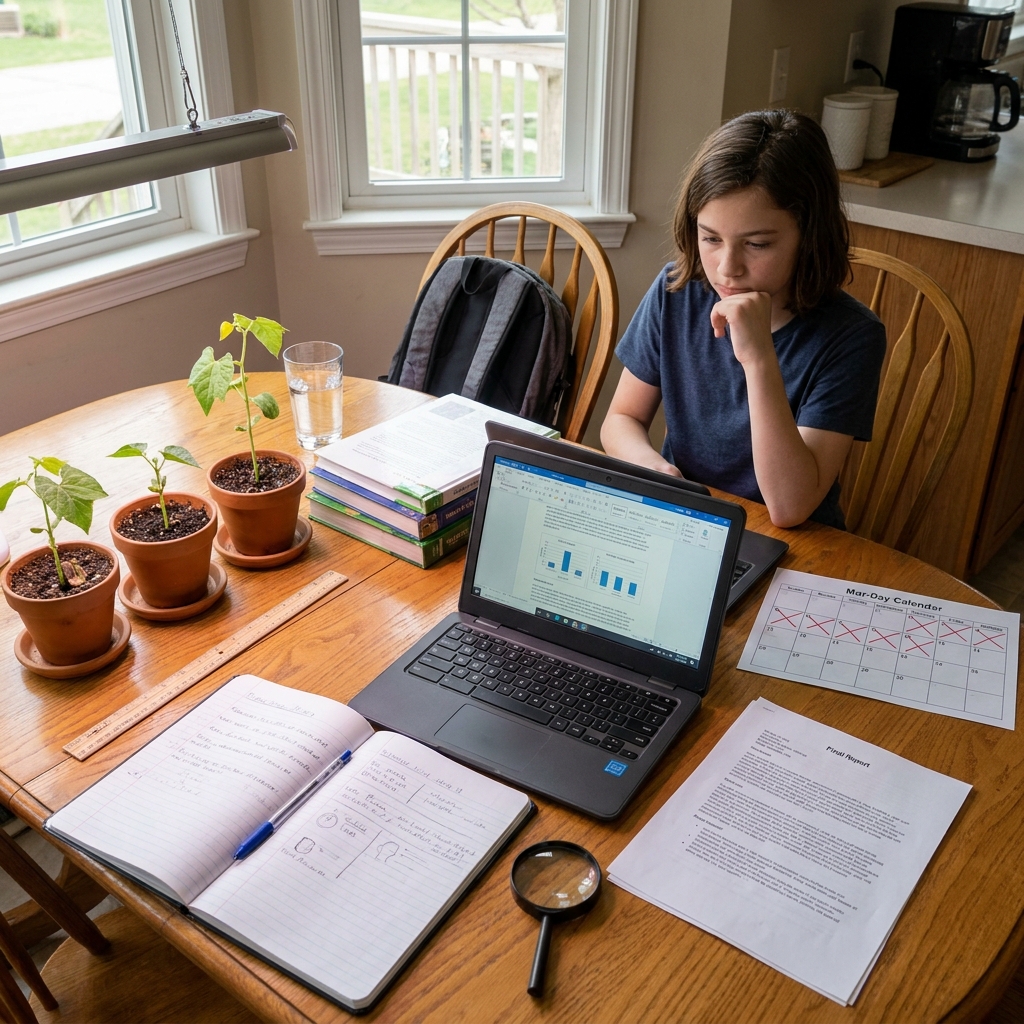
I appreciate how the lesson draws a direct line between the classroom and professional life. It explains that journalists need to balance quick updates with long-term investigative reporting, just as scientists manage daily lab notes alongside multi-year journal articles. This reality check helps students see that they are not just jumping through hoops, but learning how to manage their time like a professional writer. By recognizing that writers in different fields must adjust their approach based on task, purpose, and audience, students gain a better appreciation for the TPA strategy as a practical, real-world skill.
Where students slip
Where I see students stumble is usually in the transition between a quick note and a formal draft. A student might try to write a scientific report with the same breezy tone they use for a quick summary, or they might try to spend five days researching a simple reflection piece. That is where the TPA strategy earns its keep. By forcing the student to categorize the task before starting, they avoid these mismatched efforts. This careful categorization ensures that the student dedicates the appropriate amount of time and effort to each assignment, preventing the common mistake of over-preparing for a simple task or under-preparing for a complex project.
This lesson provides a guided practice section where the student works on a biography project about a famous scientist. Because it is a long-term project, the prompt encourages them to map out the stages of research and drafting. It is a solid, no-nonsense way to ensure they know the difference between a sprint and a marathon in their writing life. If you are a counselor or a site administrator looking for a reliable way to help a student catch up on their writing range, this is a clean, effective path forward. The focus on practical, actionable steps allows students to build confidence as they learn to manage the varied expectations of their writing assignments with greater independence and clarity.
Related lessons
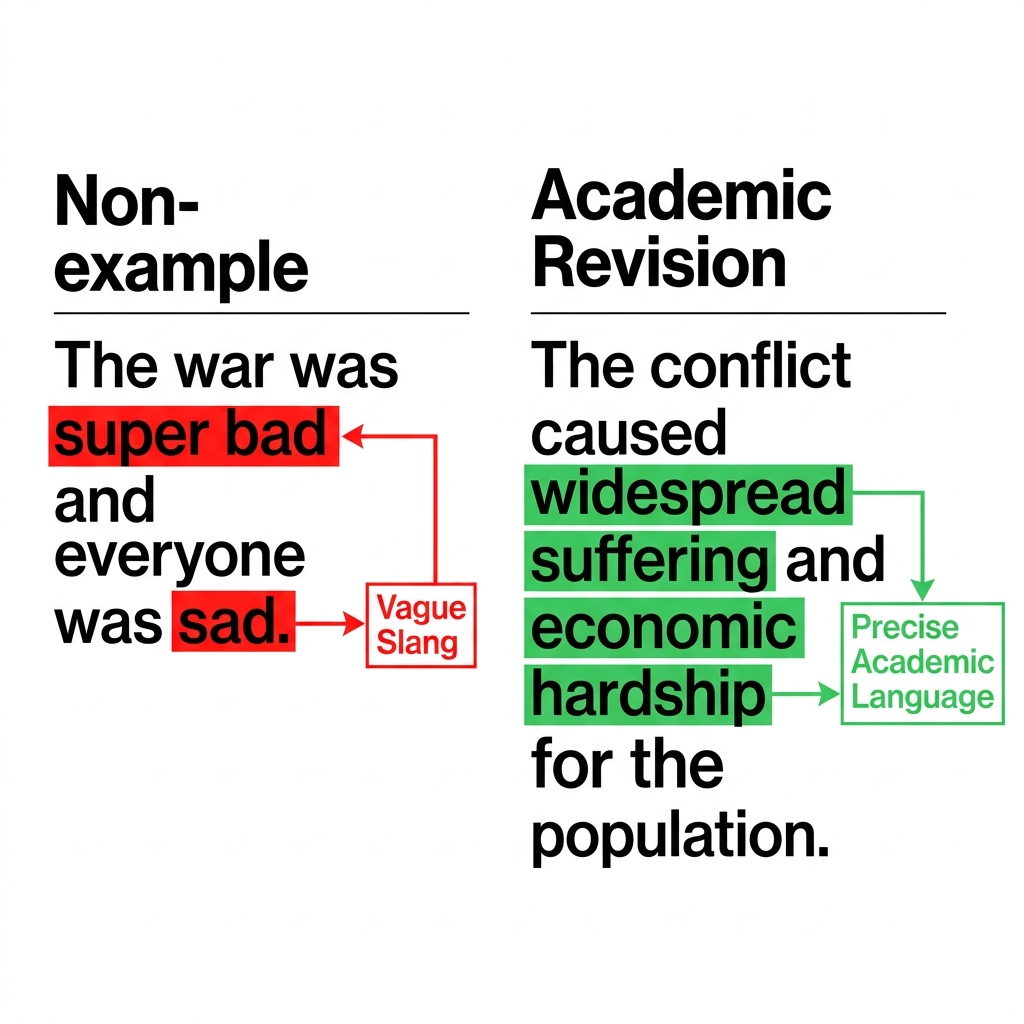
Refining Your Historical Writing, Improving student writing quality within history and social studies contexts
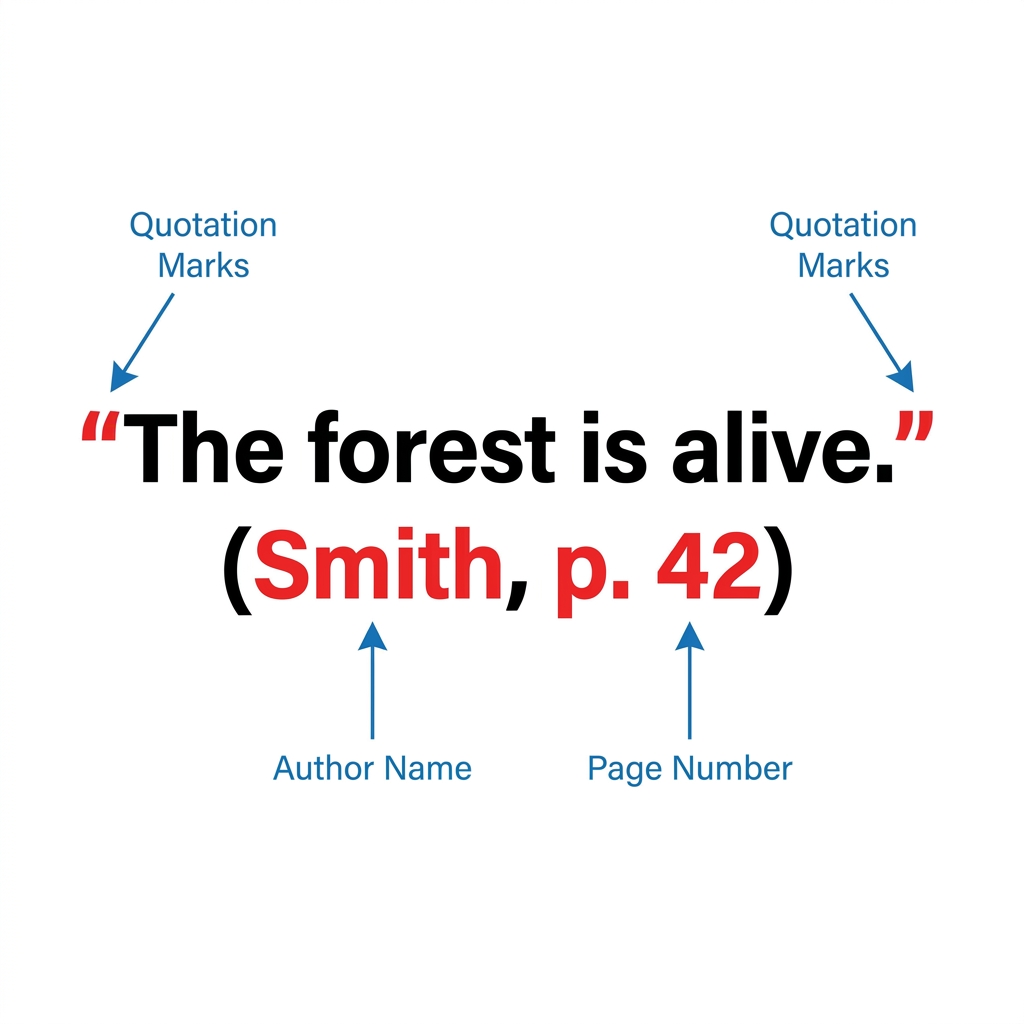
Gathering and Citing Historical Evidence, Methods for finding and documenting sources in historical writing projects

Strengthening Your Writing, Practicing revision techniques to improve clarity and focus in writing