

Finding good materials for twelfth grade economics can be a challenge when you are managing a busy independent study roster.
You want something that explains how labor markets and unions actually function without burying the student in jargon. The Labor Markets and Unionization lesson is a solid option for your twelfth graders. It covers the basics of how employment works and why government intervention like the minimum wage matters for the average person.
Understanding Labor History and Collective Bargaining
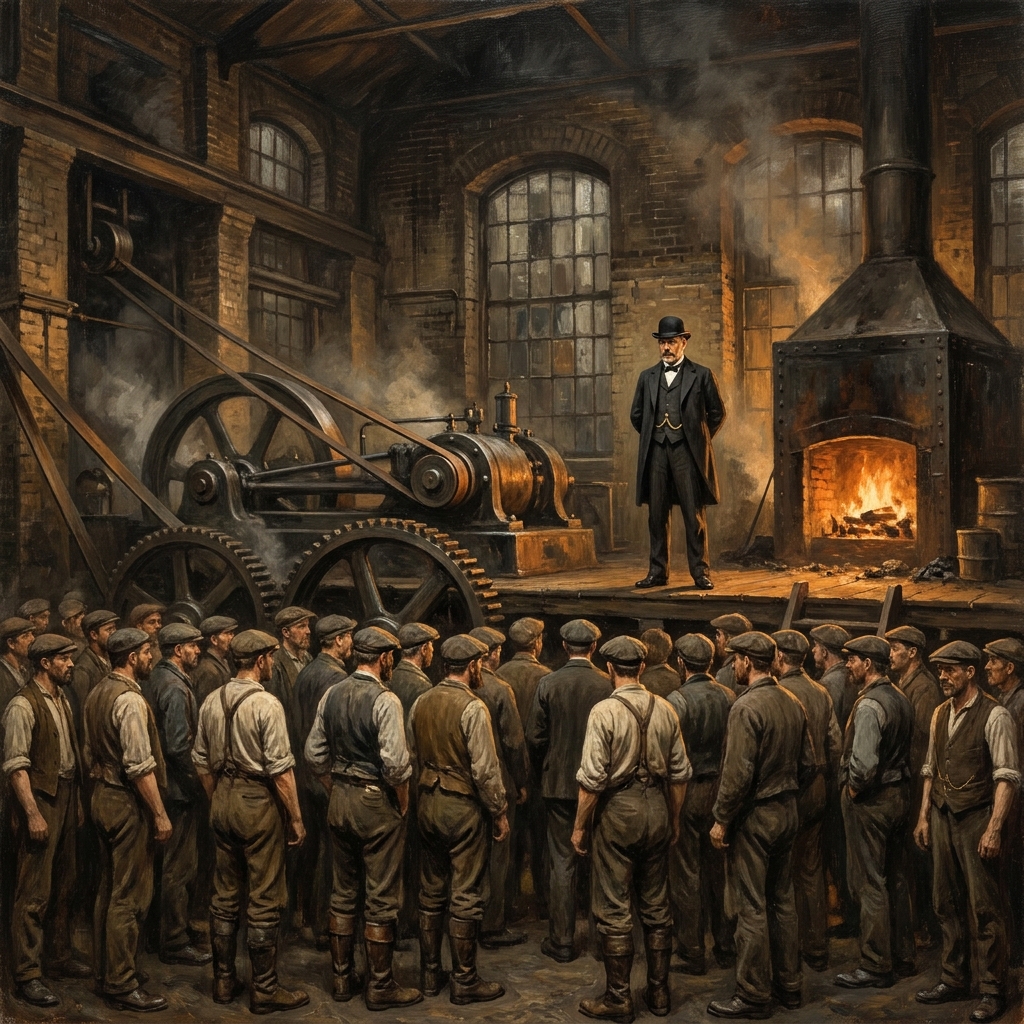
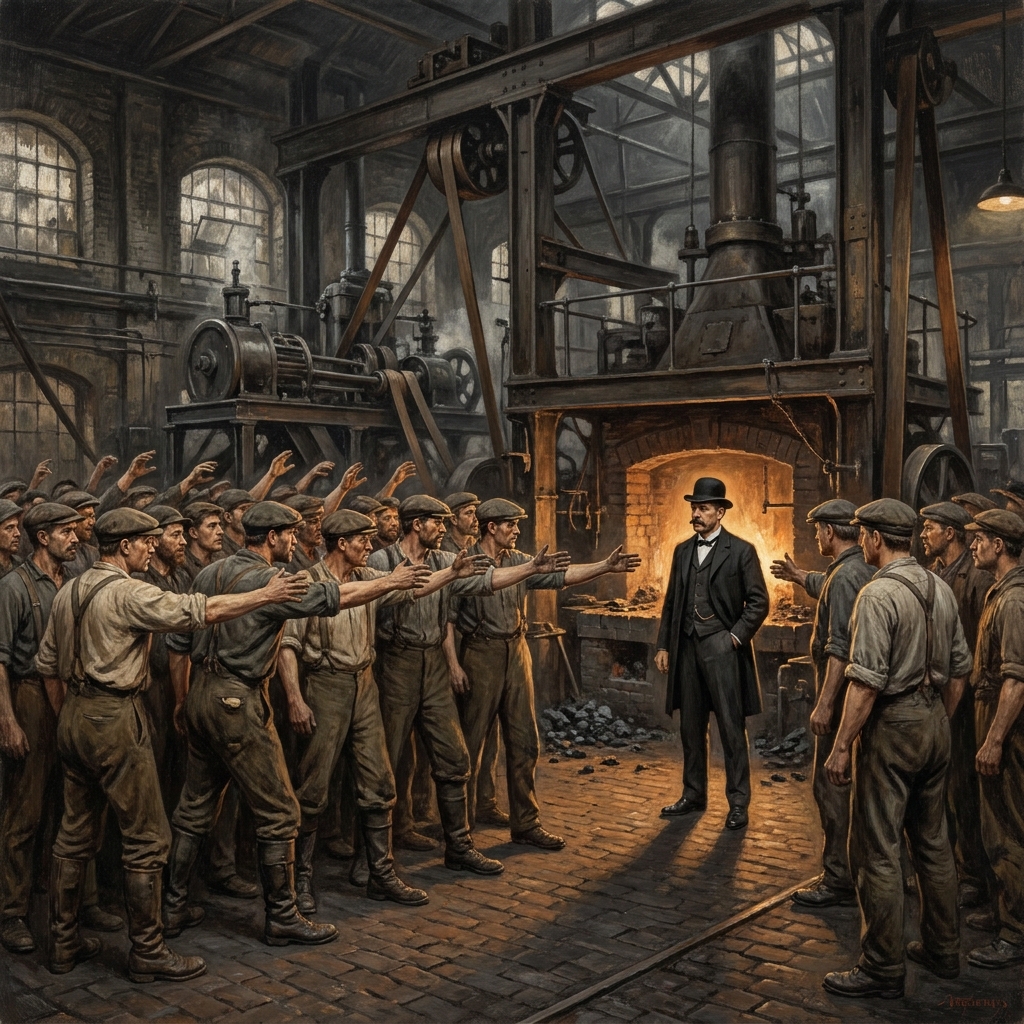
This lesson helps students connect historical context to modern economic life. It opens by looking back at the late 1800s, when industrial factories were the primary site for American work life. At that time, factory owners frequently set wages as low as 15 dollars an hour. Workers had little individual power to ask for higher pay, so they took what they could get just to keep their jobs. The lesson walks the student through why this happened and introduces collective bargaining, defined as the process where workers negotiate as a group to achieve better pay, benefits, and working conditions. The American Federation of Labor provides a clear example of how unions gained influence by combining smaller groups of skilled workers to pressure companies for fair wages. It is a straightforward way to show that workers gained benefits they could not have won alone.

The same standards are taught across the state in Victor Valley Union High School District, East Side Union High School District, Helendale Elementary School District, and Santa Monica-Malibu Unified. The high school economics labor market lesson also introduces the concept of unemployment insurance. It explains this as a temporary bridge that helps workers transition between jobs, provided they stay active in their search for new employment. This distinction is necessary because it teaches students that these programs are not permanent solutions but rather safety nets designed to maintain stability.
Applying Economic Standards in the Classroom
The standard met here is CA.HSS-PoE.12.4.1. This California-adopted standard requires students to understand the operations of the labor market. It specifically asks them to look at the circumstances that led to the establishment of American labor unions and the various procedures those unions use to win benefits for members. The standard also requires that students analyze the effects of unionization and how government-mandated policies, specifically the minimum wage and unemployment insurance, interact with the broader economy. The cluster of standards surrounding this code asks students to analyze the elements of the U.S. labor market in a global setting.
If you have a student who missed the unit in class, or if you need a quick assignment for an independent study session, this works well. It takes about 45 minutes to complete. One limitation to keep in mind is that it does not go into the legal intricacies of every labor law. Instead, it provides a functional understanding of how these concepts influence the daily lives of workers. You might find that your students, especially those who already hold part-time jobs, connect well with the why-it-matters section. It helps them see that knowing their rights helps them advocate for themselves when they start their professional lives.
The vocabulary provided helps ground the discussion. The labor market is defined as the place where employers compete to hire workers and employees compete for available jobs. The minimum wage is defined as a government-mandated price floor that sets the lowest hourly pay an employer can legally pay a worker. These definitions provide the foundation for the short, targeted exercises that help confirm the student understands the material.
This is a practical choice for a substitute day or a student who needs to recover attendance hours. It is low-prep, uses clear language, and covers the primary economic concepts required for the grade level. You can assign this knowing that the student will come away with a functional grasp of why unions form and how the government sets certain employment baselines. It is a predictable lesson that hits the required standards without unnecessary friction.
Related lessons
Labor Markets, Wages, and Productivity, Covers how worker productivity influences wage levels and market rates

Economic Mobility: Capital and Labor in the U.S. Economy, Explains the movement of capital and labor within national markets
Analyzing the Health of the U.S. Economy, Discusses indicators used to measure overall economic performance and stability