

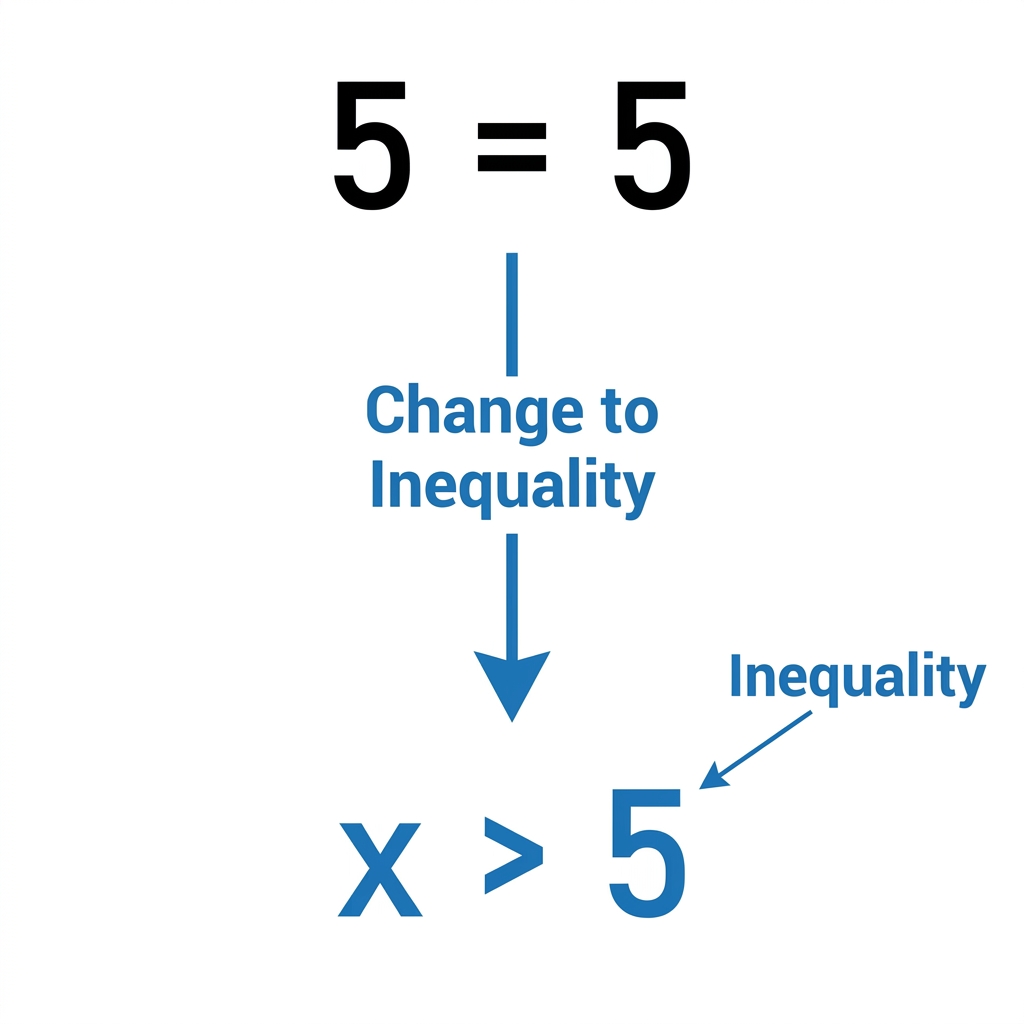
Getting sixth graders to shift their thinking from finding a single, static answer to identifying a range of possibilities is a major milestone in middle school math. I have found that students often get stuck on the idea that every problem must result in one fixed value. Teachers need resources that help students bridge the gap between simple equations and more complex real-world modeling. The Understanding Inequalities lesson acts as a helpful bridge for that specific cognitive hurdle. It starts by acknowledging what students already know: writing equations using an equals sign to show balance. From there, it gently pivots to the reality that in many scenarios, we are not looking for equality, but rather for constraints. The lesson introduces the core concept that inequalities represent a range of values rather than just one single answer, using the relatable example of a city bus that has a maximum capacity of 40 passengers. It frames the problem logically: the bus can hold any number of people up to that limit, not just exactly 40. This is the same logic taught across the state in districts like Long Beach Unified, Los Angeles Unified, Southern Humboldt Joint Unified, and Brentwood Union School District.
Transitioning from equations to inequalities
When students work with the bus capacity example, they begin to see the difference between an equation and an inequality. An equation implies a strict balance, while an inequality implies a boundary. By using the bus example, the lesson allows students to visualize the constraint of 40 passengers as a threshold. If the bus is full, that is the maximum, but the bus can also hold fewer than 40. This foundational shift helps prepare them for more abstract concepts like speed limits and weight restrictions later in the unit. It also helps students understand that variables can represent a variety of possible inputs rather than a single, hidden number.
Defining the math of constraints
The lesson moves into the technical definitions without getting bogged down in jargon. It clearly defines an inequality as a math sentence that shows one value is not equal to another, using symbols like less than or greater than to show a range of possible solutions. It also defines a solution as any value that makes an inequality a true statement. This is important because students need to see that an inequality statement can be satisfied by an infinite number of solutions. To demonstrate this, the lesson uses a speed limit sign set at 65 miles per hour. By explaining that a driver’s speed must be less than 65, and writing this as x < 65, the lesson makes the math feel concrete rather than abstract. You can find this 6th grade inequality lesson helpful for showing students how to turn a written constraint into a formal math expression.
Standard coverage and practical application
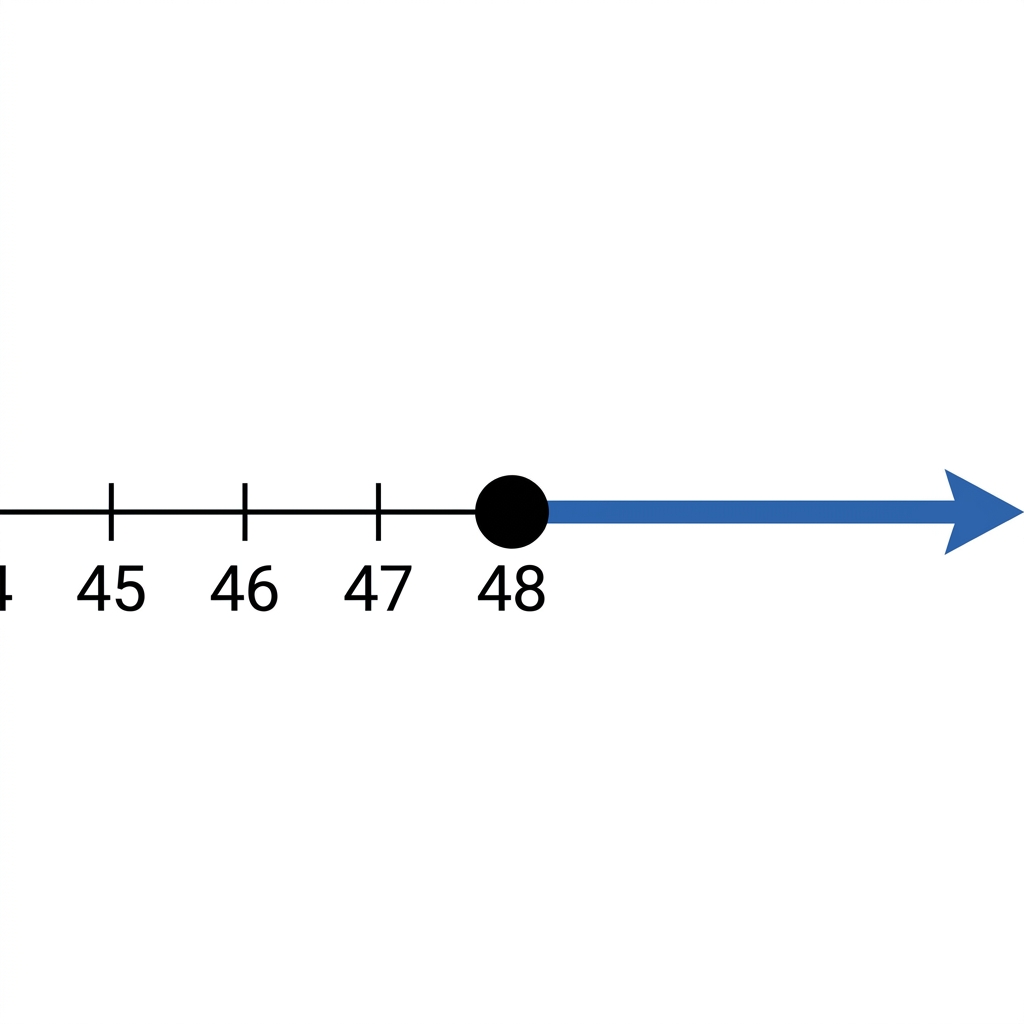
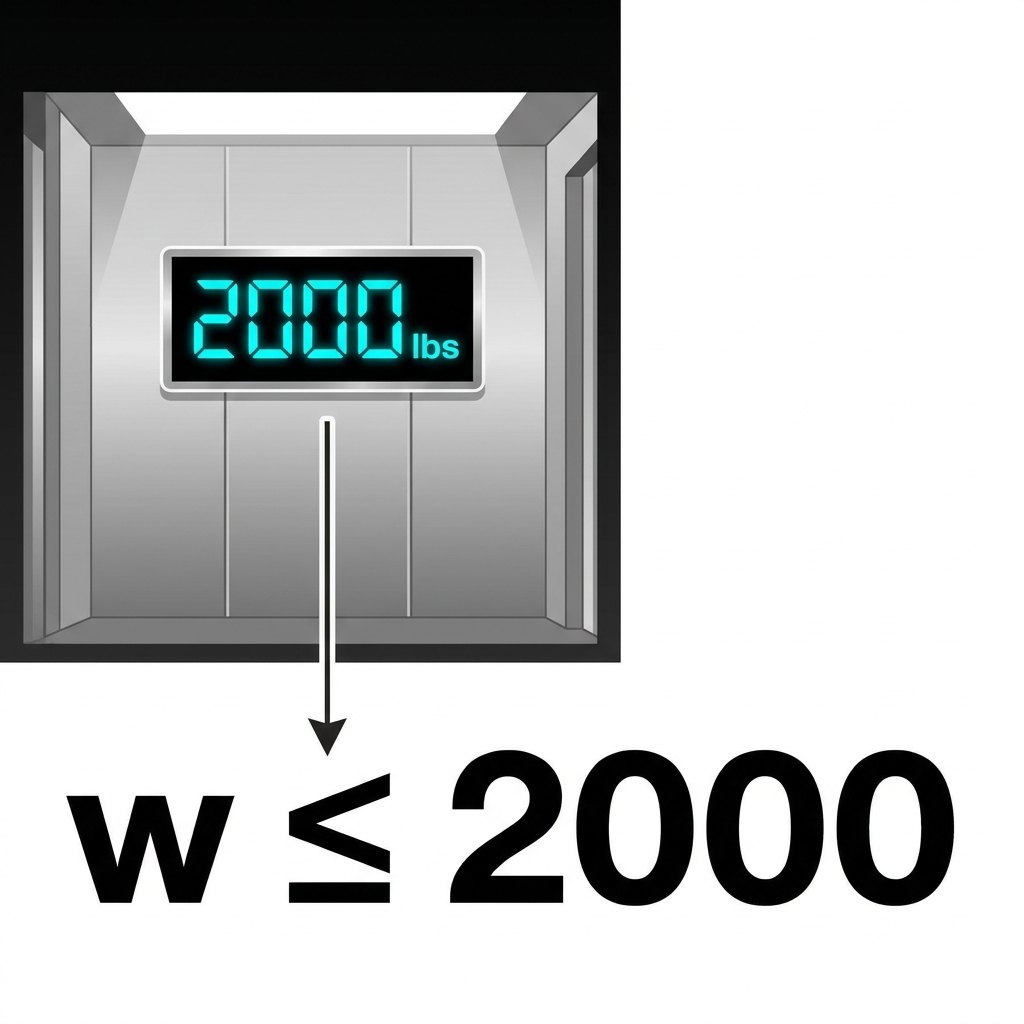
The lesson is designed around CA.MATH.6.EE.8. This California-adopted standard requires students to write an inequality of the form x > c or x < c to represent a condition in a real-world or mathematical problem. The standard expects students to recognize that these inequalities have infinitely many solutions and to represent those solutions on number line diagrams. It is an ambitious standard for 6th grade, but the scaffolding here makes it manageable. The guided practice moves the focus to a shipping container weight limit problem, which forces students to think about how to define the variable and choose the correct inequality symbol based on the constraint described. I appreciate that the lesson concludes by linking the math to engineering, specifically mentioning how engineers use these calculations to ensure bridges do not collapse under too much weight. It gives a clear reason why someone would bother to write these inequalities in the first place.
I would recommend this for a whole-class introduction, though it works just as well for a student who missed the week or needs a quick intervention session to catch up. The pacing is tight, intended for about 45 minutes, so it is also a solid choice for a substitute day when you want the class to move forward with a productive, self-contained concept. One minor caveat: keep an eye on how they draw the number line diagrams, as that is where I usually see the most confusion during the independent portion of the work. Ensuring they mark the boundary value correctly before shading the infinite range of possibilities is key. Aside from that, the material is straightforward and hits the standard exactly where the state framework expects it to be addressed. It effectively prepares students for the transition between simple algebraic equations and the broader mathematical thinking required for real-world applications in geometry and physics.
Related lessons
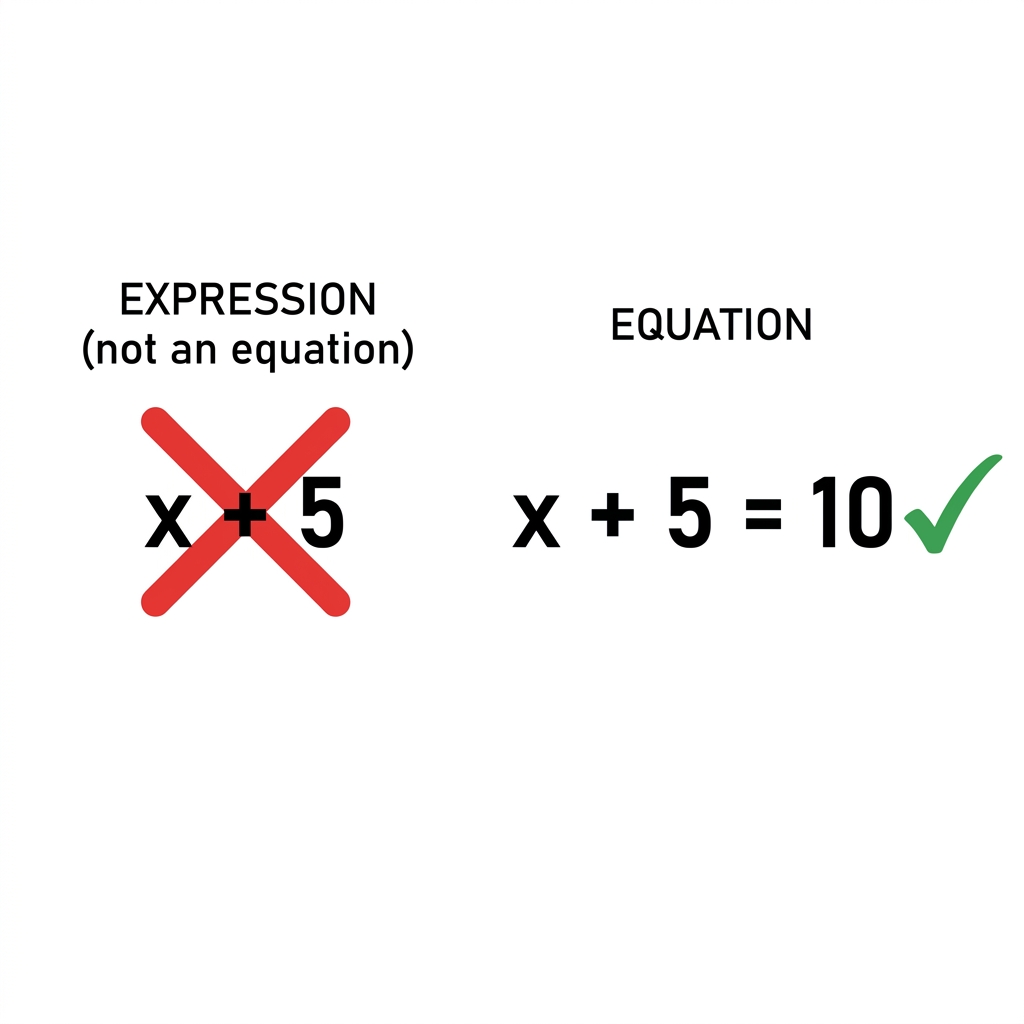
Solving Equations in California, Solving algebraic equations to find the value of variables
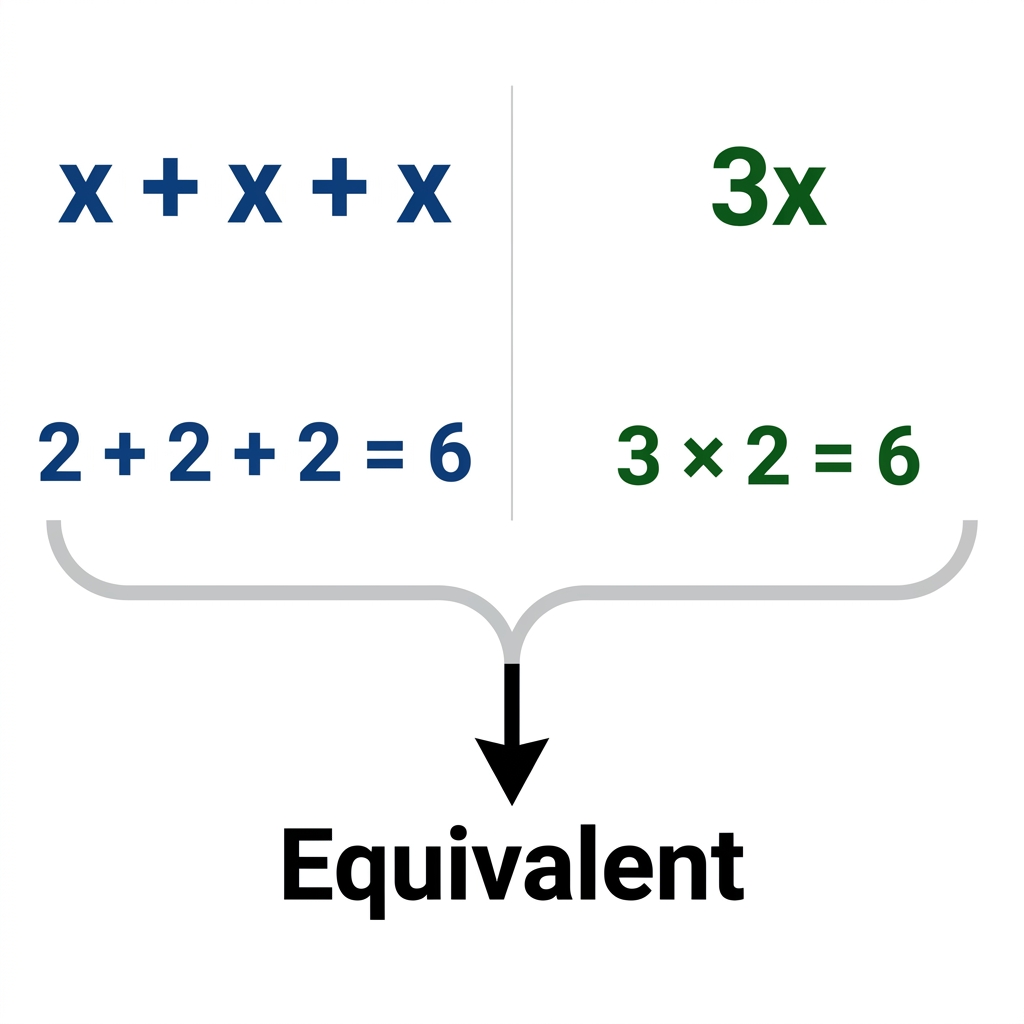
Understanding Equivalent Expressions, Identifying expressions that result in the same mathematical value
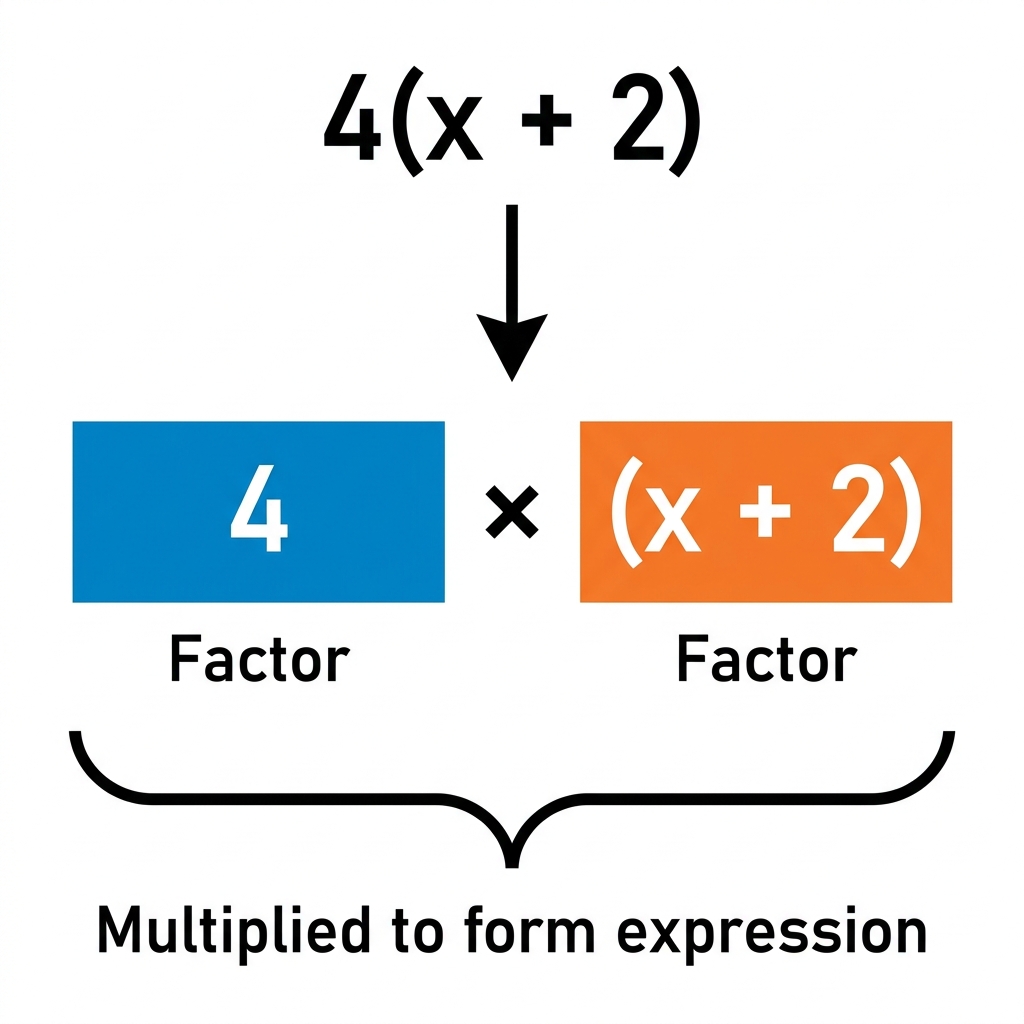
Understanding Algebraic Expressions, Introduction to reading and writing basic algebraic expressions