

Teaching algebra at the 6th grade level requires careful scaffolding. This lesson helps students make the transition from simple arithmetic to functional algebraic thinking using variables and equations.
Transitioning to algebraic thinking in 6th grade
By the time students reach 6th grade mathematics, they are quite comfortable with numbers. They know how to calculate totals and find answers to specific problems. However, moving into algebra requires a shift in how they view these numbers. A common hurdle appears when students insist on finding a single numerical result instead of expressing a relationship. They want to finish the work with a number rather than a rule. This lesson on Understanding Variables and Equations is designed to help students make that mental shift toward functional thinking.

The material begins by grounding the abstract concept of a variable in a familiar context. It uses a lemonade stand as a starting point. By tracking how much money is made, the lesson introduces the idea that a variable is a letter or symbol used to represent a quantity that can change. This is the first step in helping students see that algebra is not about ignoring numbers but about describing patterns that hold true regardless of the specific input.
Defining relationships with variables
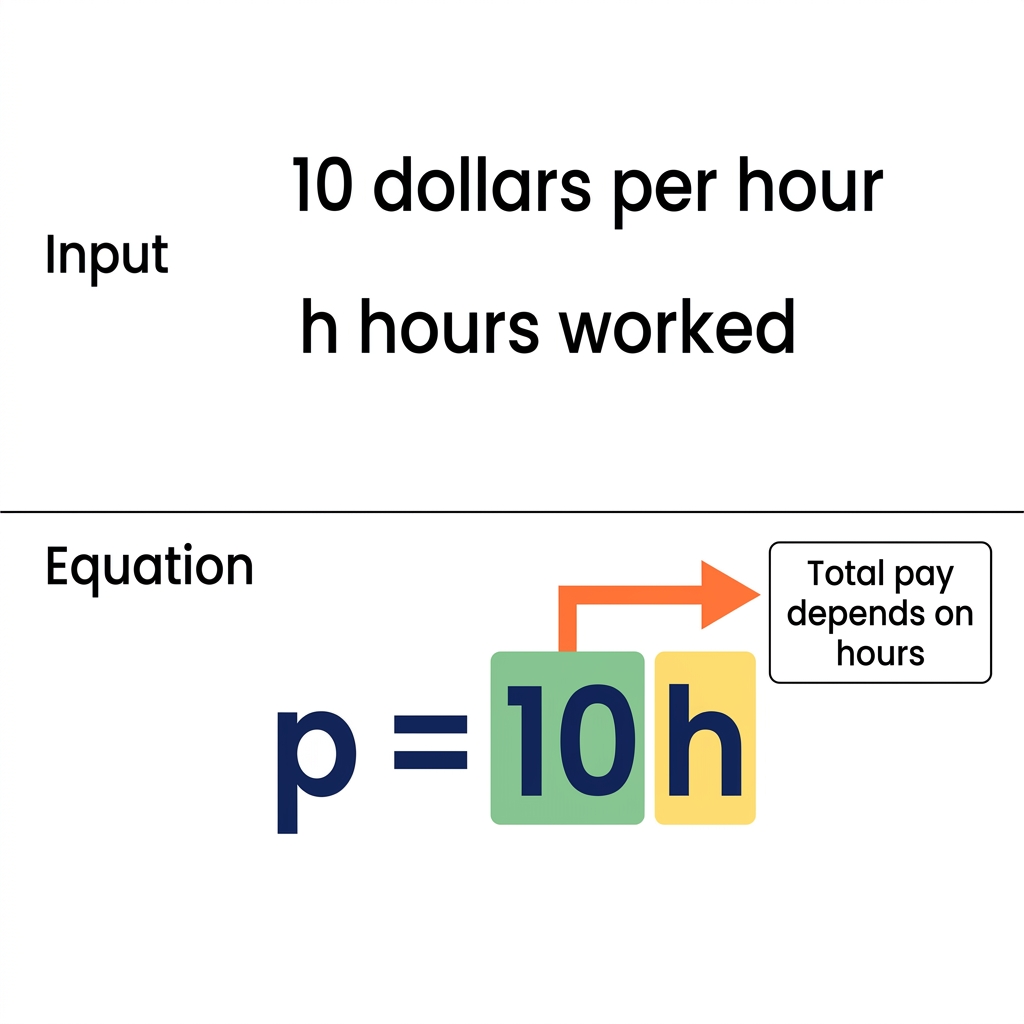
Once students grasp that symbols can stand in for changing amounts, the lesson moves to more specific scenarios. It uses an example involving hourly wages to explain how two quantities relate to one another. If a student earns 10 dollars per hour, the total pay p depends on the number of hours h they work. The lesson presents this as the equation p = 10h. This example is excellent for clearing up confusion because it forces the student to recognize that the pay is a result of the work time. Students in Twin Rivers Unified, Sacramento City Unified, Simi Valley Unified, and Riverbank Unified all work toward this same standard as they build their foundational algebraic skills.
To deepen this understanding, the lesson defines several key terms. A variable represents a quantity that can change. A dependent variable is a quantity whose value depends on the value of another quantity. An independent variable is a quantity that represents the input or the starting value in a relationship. Finally, a functional relationship is a connection between two quantities where the value of one quantity is determined by the value of the other. These terms help students organize their thinking when they encounter a new word problem.
Applying the standard in the classroom
The primary standard served here is CA.MATH.6.EE.9. This California Common Core standard asks students to use variables to represent two quantities in a real-world problem that change in relationship to one another and then write an equation to express one quantity in terms of the other. It is a demanding standard because it requires students to identify which variable is independent and which is dependent before they even write a single symbol. My experience is that students often struggle most with that identification phase. They are quick to write equations but slow to check if the logic of the relationship holds up.
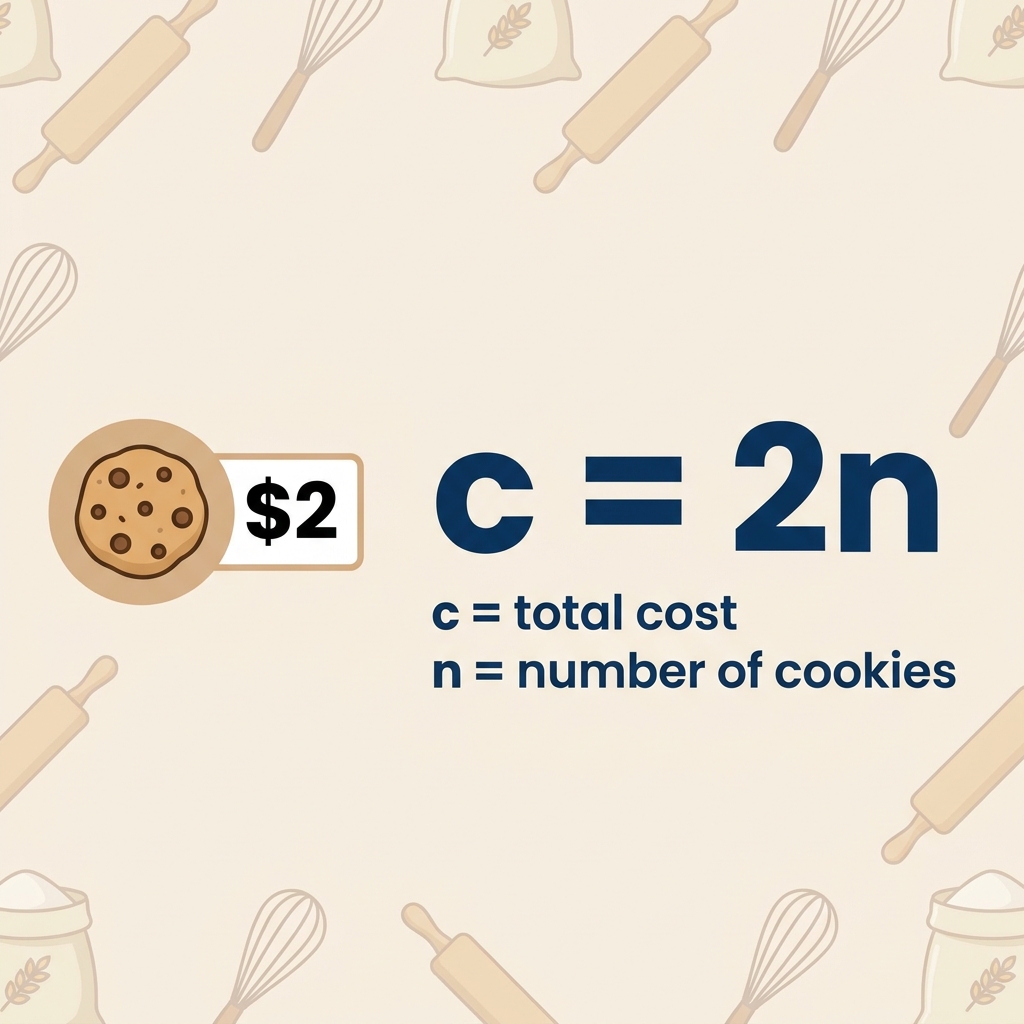
The lesson includes guided practice using a gardening scenario. Students consider how many seeds are planted in each row. The total number of seeds depends on the number of rows. This gives them a chance to practice identifying the independent variable, which is the number of rows, and the dependent variable, which is the total count of seeds. It is a straightforward way to test their logic before they move on to more complex business or scientific predictions.
Practical uses and teacher tips
You can use this material for a whole-class assignment when you first introduce the unit. It also works very well for a student who missed the week and needs to get back on track with the rest of the class. If you have students in independent study, the clear examples provided in the Understanding Variables and Equations module make it accessible without constant teacher intervention. The why-it-matters section is worth reading with the class as it connects these algebraic tools to the work of data analysts who predict business sales or plant growth.
One caveat for teachers using this lesson: be prepared for students to ask why they cannot just use the numbers they are given. They want to avoid the symbols. When that happens, point them back to the wage example. Ask them how they would calculate pay for a different number of hours if they only knew the rule p = 10h. Once they see that the equation acts like a machine that takes in any input, they usually stop resisting the variables. It takes a few attempts for the concept to sink in, but the structure of this lesson provides enough variety for them to get the practice they need.
Related lessons
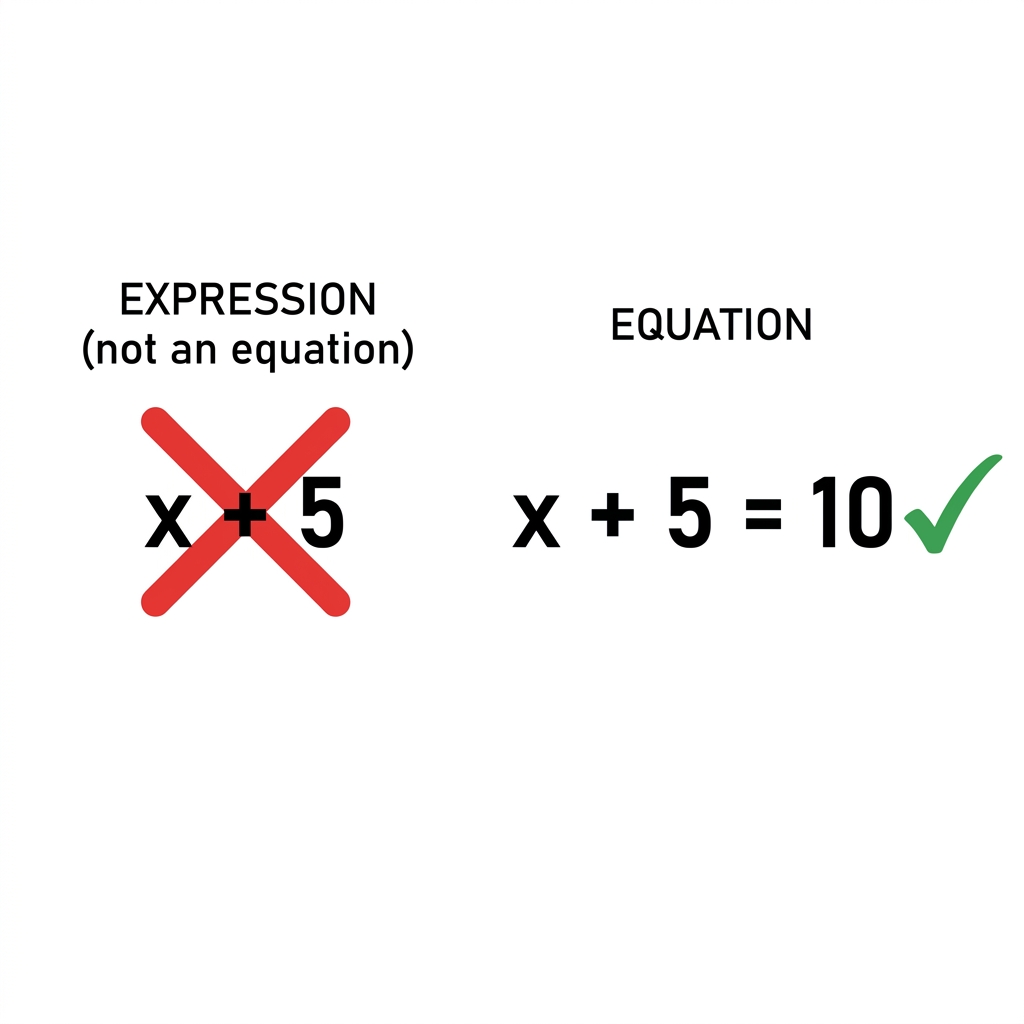
Solving Equations in California, Practicing how to isolate variables to find unknown values correctly
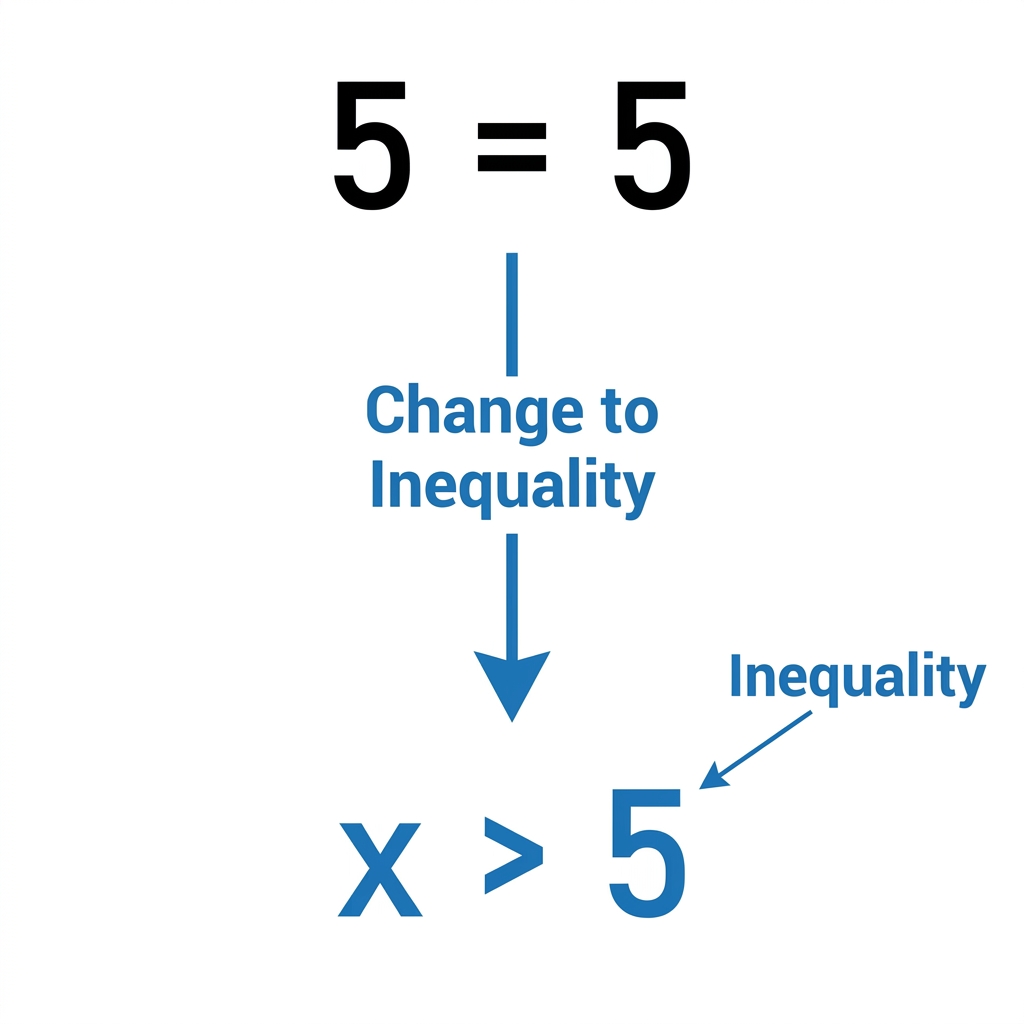
Understanding Inequalities, Comparing quantities that are not equal using specific mathematical symbols
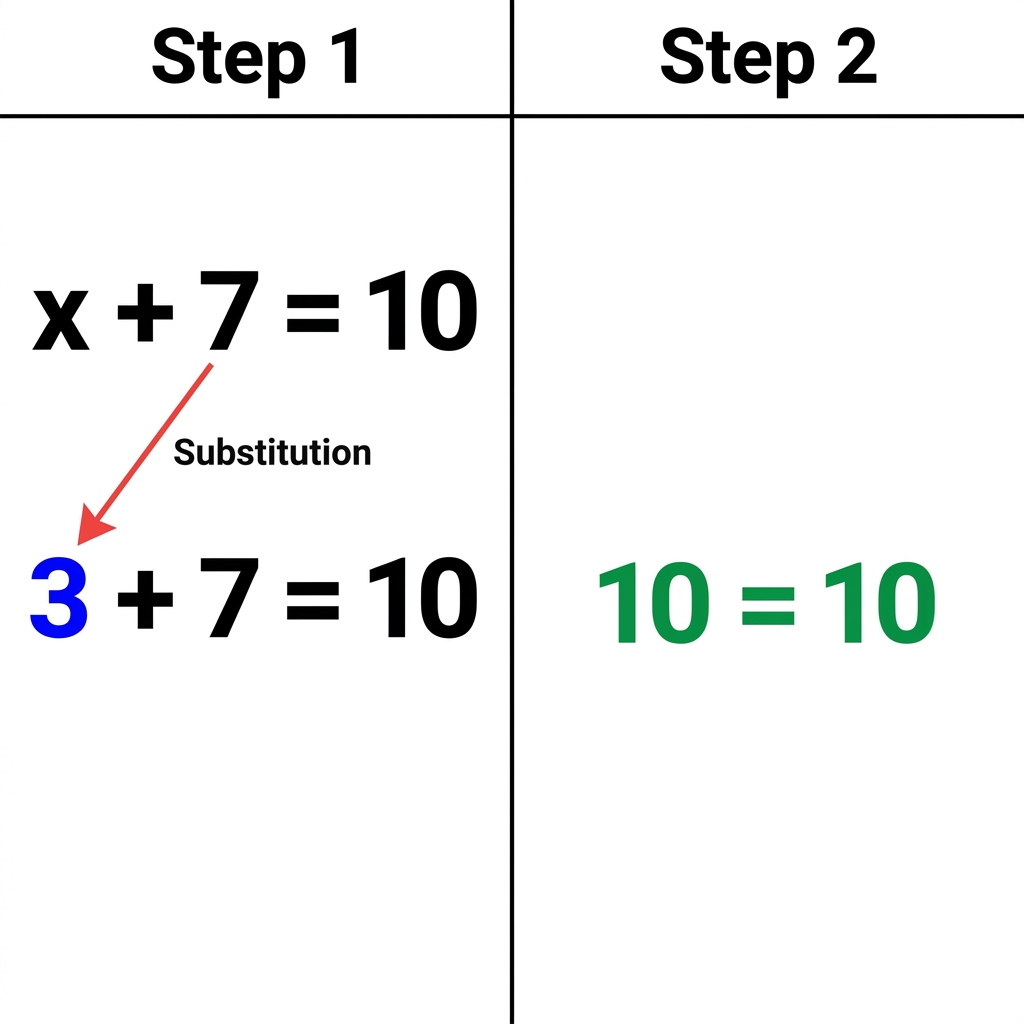
Solving Equations and Inequalities with Substitution, Testing values to see if they satisfy an algebraic statement