

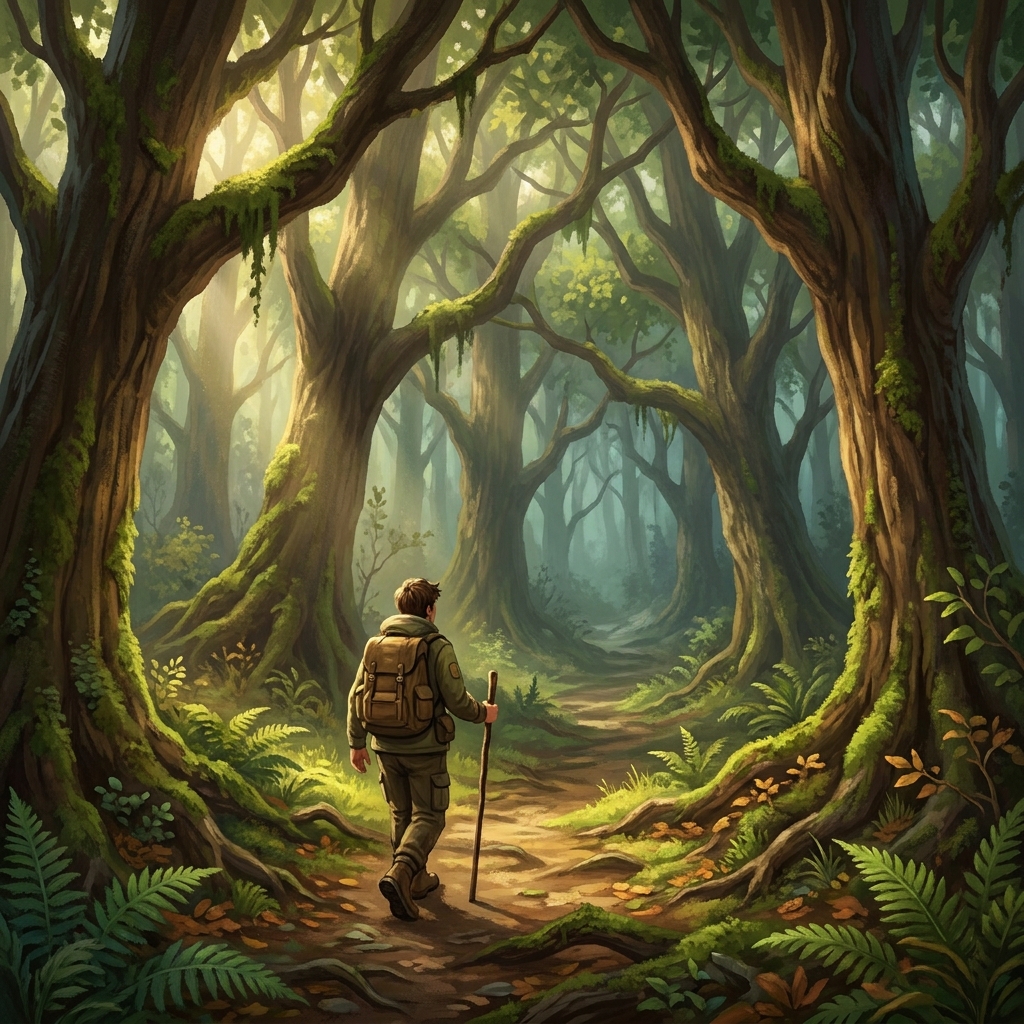
The mistake I see most often in 5th grade English Language Arts is students confusing a list of events for a story arc. They tell you what happened but miss the connection between the character’s choices and the development of the plot. This is usually where we start feeling the calendar pinch. As we move through the year, teachers in Folsom-Cordova Unified, Elk Grove Unified, Garvey Elementary School District, and Dinuba Unified are all working toward the same expectations for student literacy. It is a shared goal, but finding forty-five minutes to explicitly teach the relationship between characters and plots while also covering a dozen other standards can feel impossible. Managing the classroom dynamic while ensuring every student understands the underlying mechanics of storytelling requires careful planning and a reliable toolkit of resources. Often, we find ourselves looking for ways to bridge the gap between abstract literary concepts and the concrete examples students need to see to grasp the material fully.
Keeping fifth grade literature on track
When you are behind, or when you have a student who missed the week and needs to catch up without sitting through a full reteach, Understanding Stories: Characters and Plots offers a clean way to bridge that gap. It focuses on the core concept of narrative structure. The lesson defines narrative structure as the way a story is organized, including the beginning, the middle, and the end. Instead of asking students to write long essays, the material provides a concrete way to identify how characters change and how plots develop in stories. It uses a clear adventure novel scenario: the story begins when the hero finds a path through a dense forest, the middle follows the hero facing difficult obstacles, and the end shows the hero finally reaching the hidden goal. It is simple, effective, and gets right to the point. By breaking down these elements, students learn to dismantle complex narratives into manageable components, which improves their overall retention and ability to discuss literary themes confidently.
This lesson is built to address CA.ELA.RL.5.10, which requires students to read and comprehend literature, including stories, dramas, and poetry, at the high end of the grades 4-5 text complexity band independently and proficiently. By the end of the year, this California-adopted standard asks that students possess the stamina and comprehension skills to handle increasingly difficult texts on their own. This lesson acts as a solid independent study or intervention tool when you need a student to practice these comprehension skills without one-on-one help. It is also a good choice for a substitute day or attendance recovery when you need material that is self-contained and accurate to the state standards. Providing this type of structured practice ensures that even when you are pulled in different directions, the literacy instruction remains consistent and aligned with state-mandated benchmarks for reading comprehension and structural analysis.
How students master the sequence of events
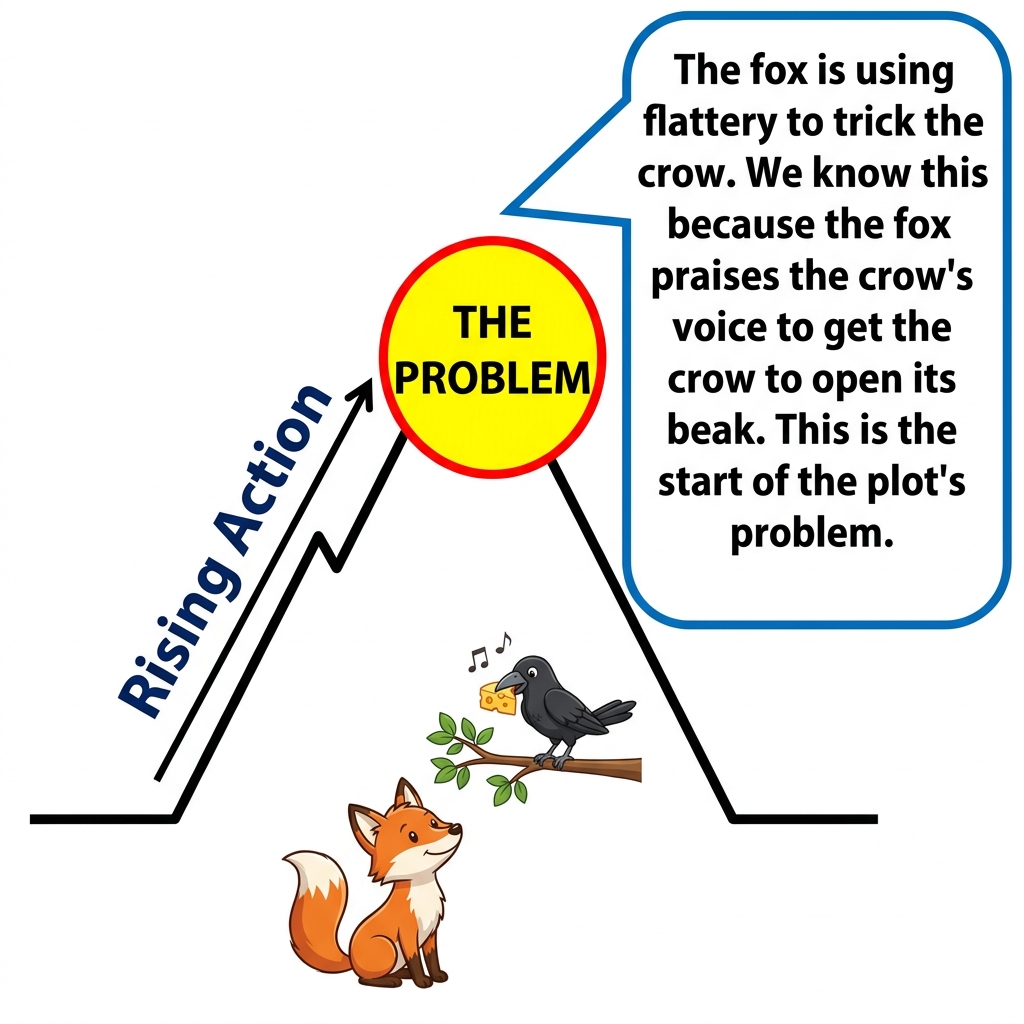
One detail I like about this material is how it handles the prior knowledge of the class. It reminds students that a fable is a short story that teaches a lesson, often using animals as characters, before moving into the guided practice. The guided practice asks the student to read about a child lost in a forest, which is an accessible way to test if they can actually map out the beginning, middle, and end. The lesson also includes a section on why this matters, noting that understanding narrative structure helps students follow news stories, follow instructions, and keep track of the plot in their favorite movies. It frames the work as a practical skill for life outside the classroom. Students often struggle to see the connection between their assigned reading and their own lives, but connecting literary structures to real-world communication helps solidify their understanding of why we study these elements in the first place.
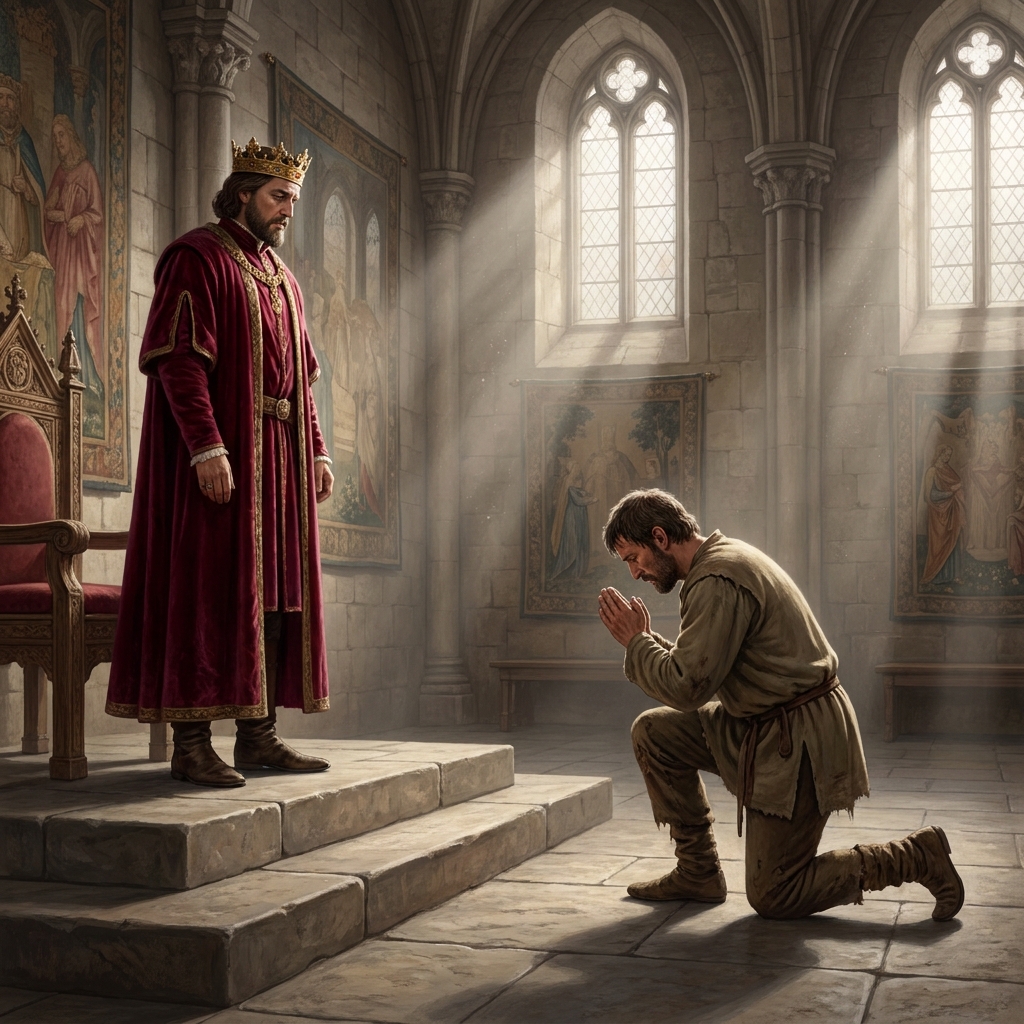
While this is an effective 5th grade literature comprehension lesson, remember that digital work cannot replace the nuance of your own classroom discussions. If you are using this as a whole-class assignment, plan to spend five minutes afterward talking about why the hero in the forest example had to face those specific obstacles. The lesson does the heavy lifting of introducing the mechanics of plot and character, but the magic happens when a student realizes that characters change because of the things they experience. It is a quiet lesson, not one that shouts for attention, which makes it perfect for when your students need to settle down and focus on a text. Encouraging students to verbalize their thoughts during post-lesson discussions helps turn a solitary reading activity into a collaborative experience that deepens comprehension across the board.
If you have a student who is struggling with the concept of a story arc, have them walk through the guided practice first. It forces them to look for the shift in the character rather than just reading for the sake of finishing the page. I often suggest this for independent study when I need a student to show me they can track a plot without my constant reminders. Keep a few copies of this lesson ready for those weeks when everything else is falling apart. You will appreciate having a resource that just works, which is exactly what this is. Integrating these materials throughout the year will help build a consistent framework for how your students approach new texts, making it much easier to transition into more complex novels or short stories as the academic year progresses toward its end.
Related lessons

Understanding Figurative Language, Teaches students how to identify and interpret common figurative language
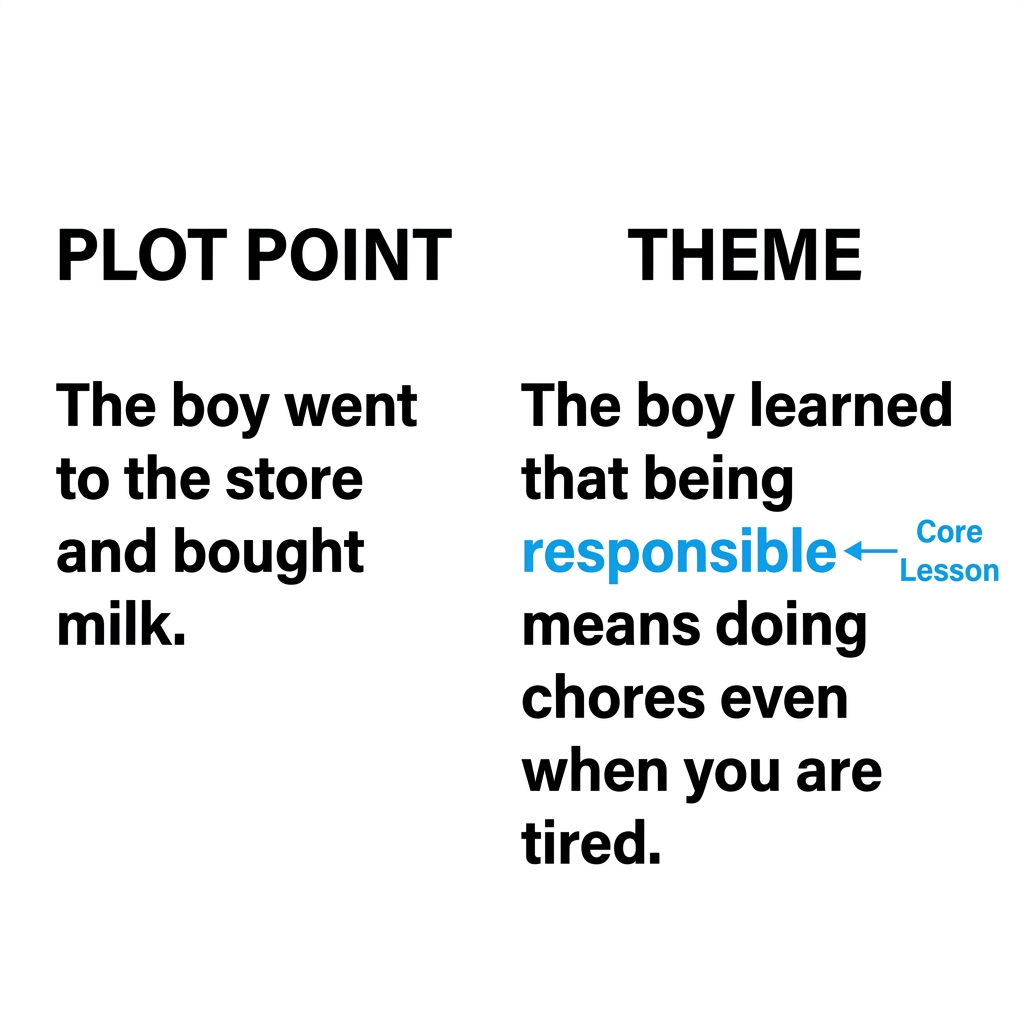
Finding the Heart of a Story, Focuses on identifying themes and main ideas within short stories

Decoding Words with Context and Structure, Helps students use context clues and word parts for decoding