

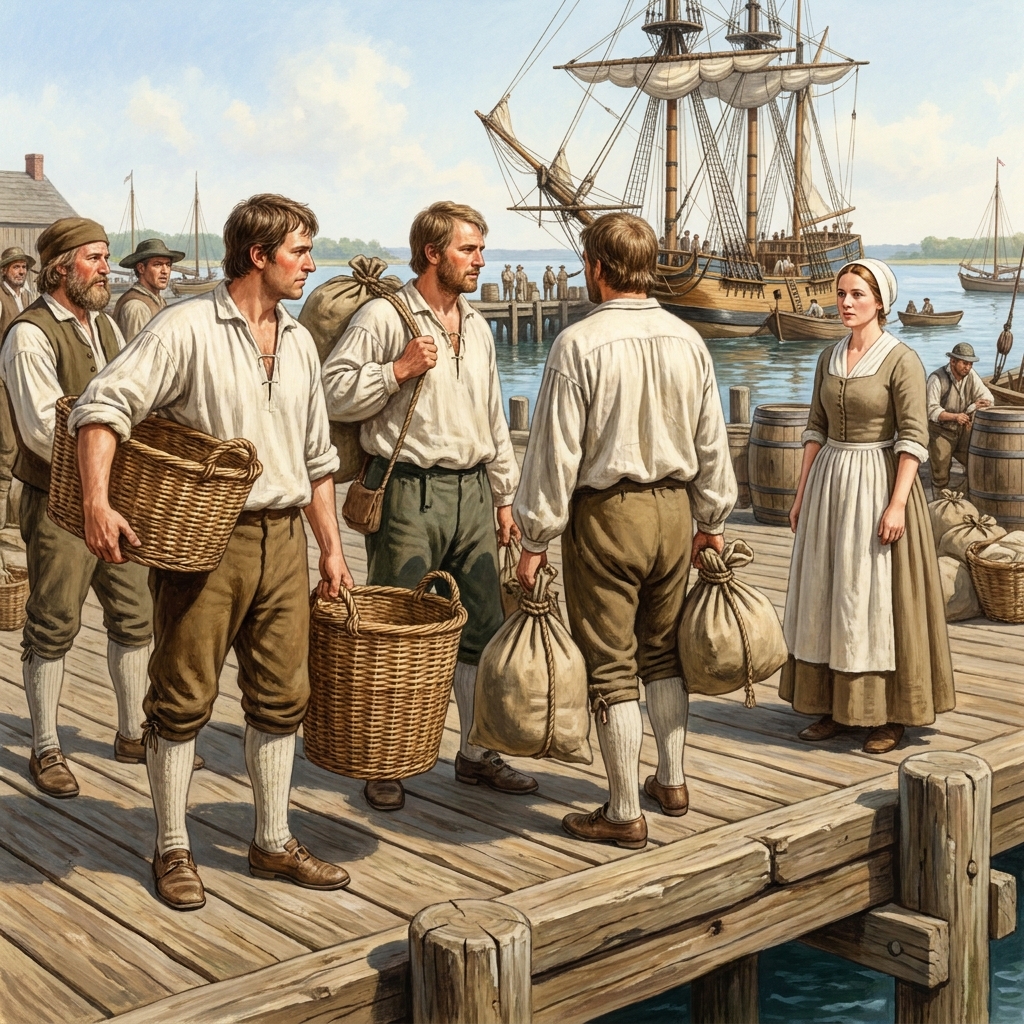
When you are supporting students who have missed instructional time or need a targeted review of our history curriculum, finding material that is both efficient and academically solid is a challenge. In this 5th grade social studies lesson, students walk through the primary factors that shaped the growth of the United States between 1789 and 1850. The lesson provides a clear path for students to connect the arrival of immigrants from Europe to the physical infrastructure that allowed them to move into the Ohio and Mississippi Valleys.
The central task is to meet the requirements of the California-adopted standard CA.HSS-5.8.1. This standard asks students to discuss the waves of immigrants coming from Europe during this time and the specific methods of transportation they used, such as overland wagons, canals, flatboats, and steamboats. The standard is applied consistently across California, including in districts like Palmdale Elementary School District, Ontario-Montclair School District, Ukiah Unified, and Redlands Unified.
What the lesson actually asks students to do
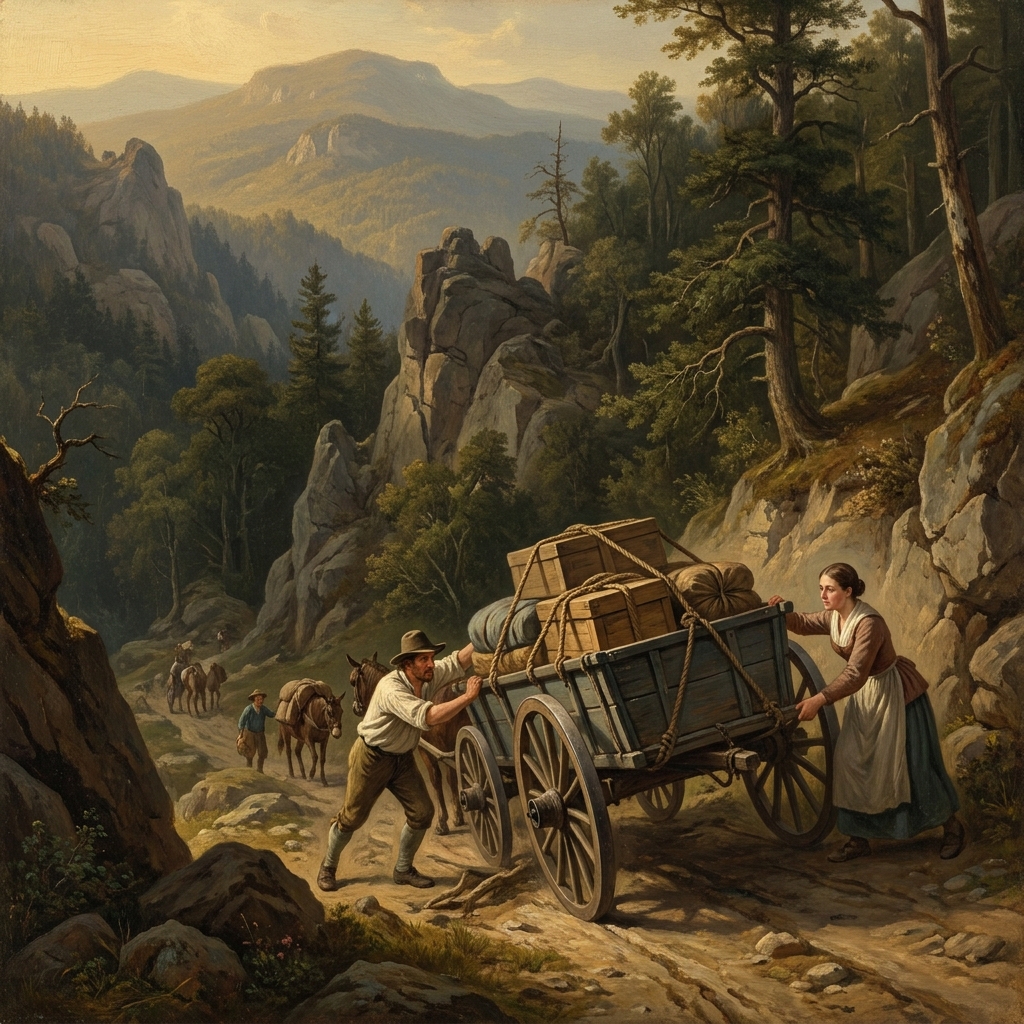
The lesson begins with a short scenario to provide context for a student who might be new to this period. It sets the scene with a family packing their belongings into a sturdy wooden wagon to seek new farmland. The narrative emphasizes the physical reality of the move, noting how they had to travel over rough dirt roads and through mountain passes to reach their goal. This opening sets up a brief, manageable journey that makes the history tangible rather than just a collection of dates.
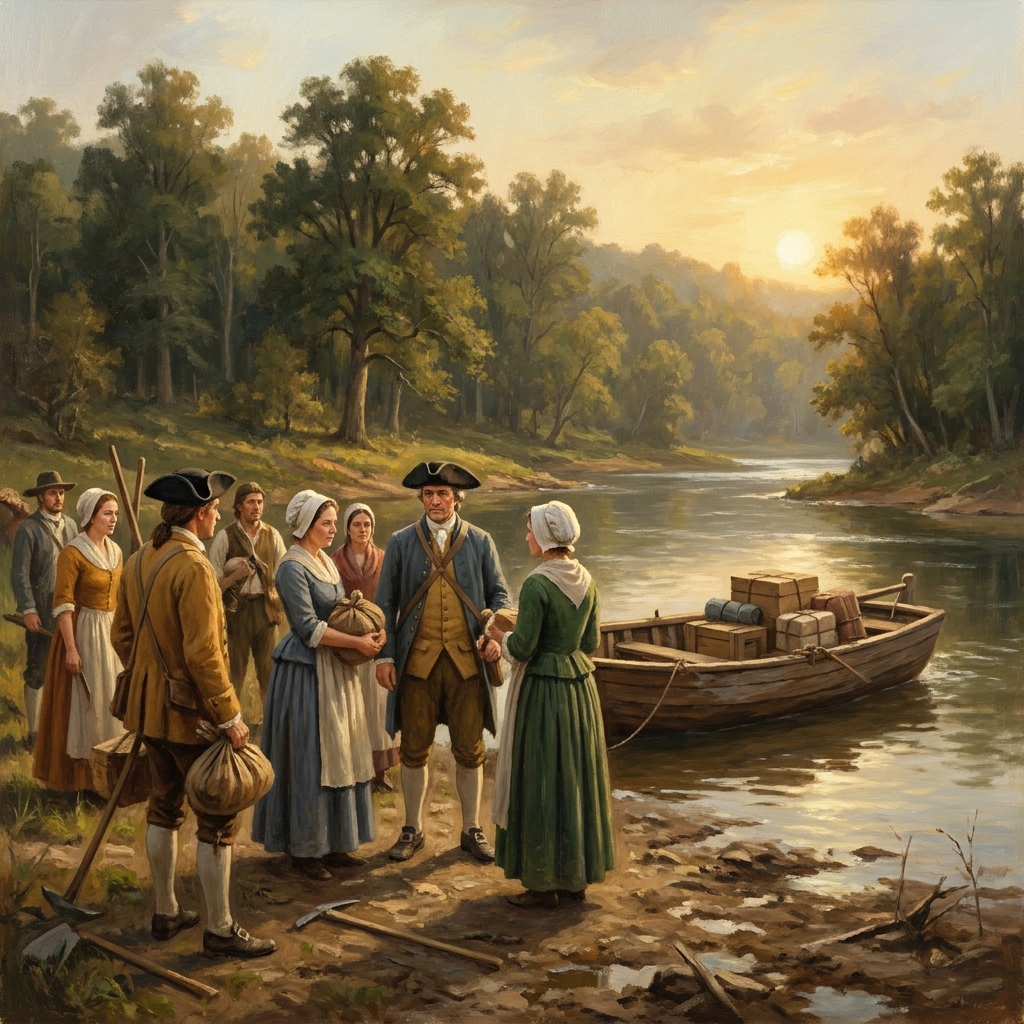
Students then move through guided examples that bridge the gap between abstract history and individual experience. For instance, the lesson uses the example of German farmers arriving at East Coast ports. It explains that because these individuals moved from Germany to the United States to start a new life, they are defined as immigrants. The lesson uses these concrete examples to teach the vocabulary terms provided: immigrant, steamboat, and Cumberland Gap. By defining the Cumberland Gap as a natural pass through the Appalachian Mountains, the lesson gives students the spatial awareness they need to understand why westward expansion took the specific routes that it did.
The mechanics of the lesson flow
For a student who has missed class or is working through an independent study period, the structure of Moving West: Immigrants and Transportation in Early America is quite helpful. It takes about 45 minutes, which fits well into an intervention block. The guided practice asks the student to think through the perspective of an Irish family trying to reach the Ohio Valley as quickly as possible. This requires the student to apply what they learned about canals connecting rivers to a real-world scenario. It moves the student from passive reading to active problem-solving.
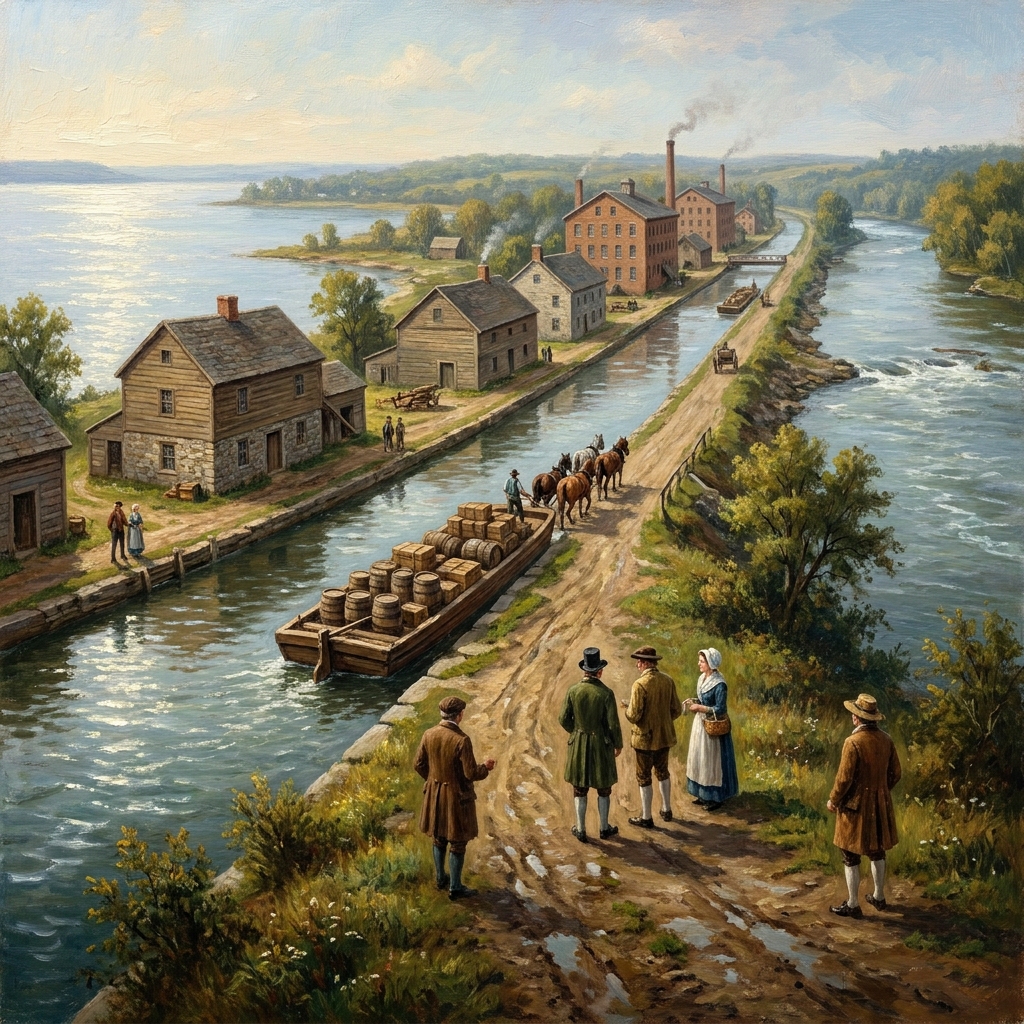
The lesson highlights that understanding how people moved in the past helps us see how our country grew. The roads, canals, and rivers acted as connectors for early settlers, and the lesson frames these systems as the arteries of national expansion. It is a straightforward approach to a complex topic. You will not find overly complicated tasks here, which is exactly why it serves well as a fifth grade immigration lesson for a student who needs to catch up on missed content.
Selecting the right students for this material
This material works best for a whole-class assignment where you want a quick check on understanding, or as an independent study module for a student who has been absent for a week. It also provides enough structure to be a reliable choice for a substitute day when you need students to continue their progress in United States History and Geography without needing a teacher to deliver a long lecture. Because the instructions are clear and the vocabulary is specific, students can move through it with limited questions.
Observations from the classroom perspective
One caveat to keep in mind is that this lesson focuses on the mechanics of transportation and the definition of immigration. While it covers the standard well, it does not go into deep detail about the political tensions of the period or the varied experiences of non-European immigrants beyond the provided examples. If your specific goal is a broader look at social history, you may need to supplement this with other resources. However, for a focused session on the geography of migration and the technology of the early 19th century, it is effective and keeps the students focused on the core curriculum.
Related lessons
Growing the Nation: Expansion and Settlement, Covers expansion and settlement patterns in the growing United States
The American Creed: Liberty, Law, and the Constitution, Discusses the principles of liberty and law within the Constitution
The American Revolution: From Subjects to Citizens, Explores the transition of American people from subjects to citizens