

When we discuss natural hazards with 6th grade science students, a persistent misunderstanding shows up in their written work. They tend to confuse mitigation with recovery. A student often writes that after a fire or earthquake, the town should clear the debris and help people find housing. They see disaster response as something you do once the smoke has cleared or the ground has stopped shaking. It makes sense why they think this way, as that is the part of disaster management they see most often on the news.
The real shift happens when you get them to think about what happens before the event. Planning for California’s Natural Hazards forces this shift by centering the lesson on mitigation. Mitigation is a specific term defined here as the act of taking steps to reduce or prevent the negative impacts of a hazard before it happens. Instead of focusing on the rescue, students look at the structures and laws that hold a community together during a crisis.
What the lesson actually asks students to do
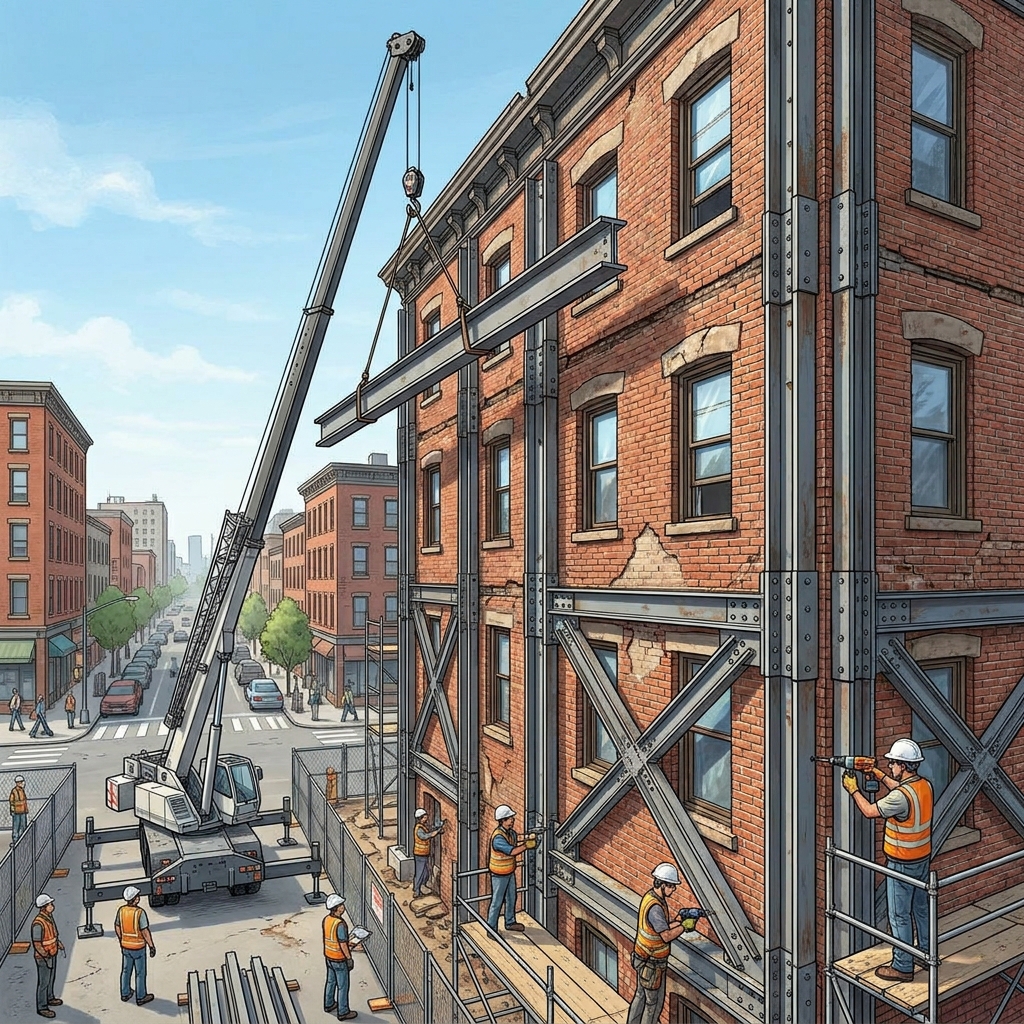
The lesson starts with an opener that grounds the concept in something every student understands: a home fire drill. By contrasting a small-scale plan for a family with a regional community plan, the lesson gives students a baseline for how systems operate. It then moves into specific worked examples. For instance, it introduces a seismic retrofitting ordinance as a legal way to strengthen old buildings, explaining that this is a mitigation plan because it forces owners to fix vulnerabilities before an earthquake ever occurs. It is not about reacting; it is about infrastructure.
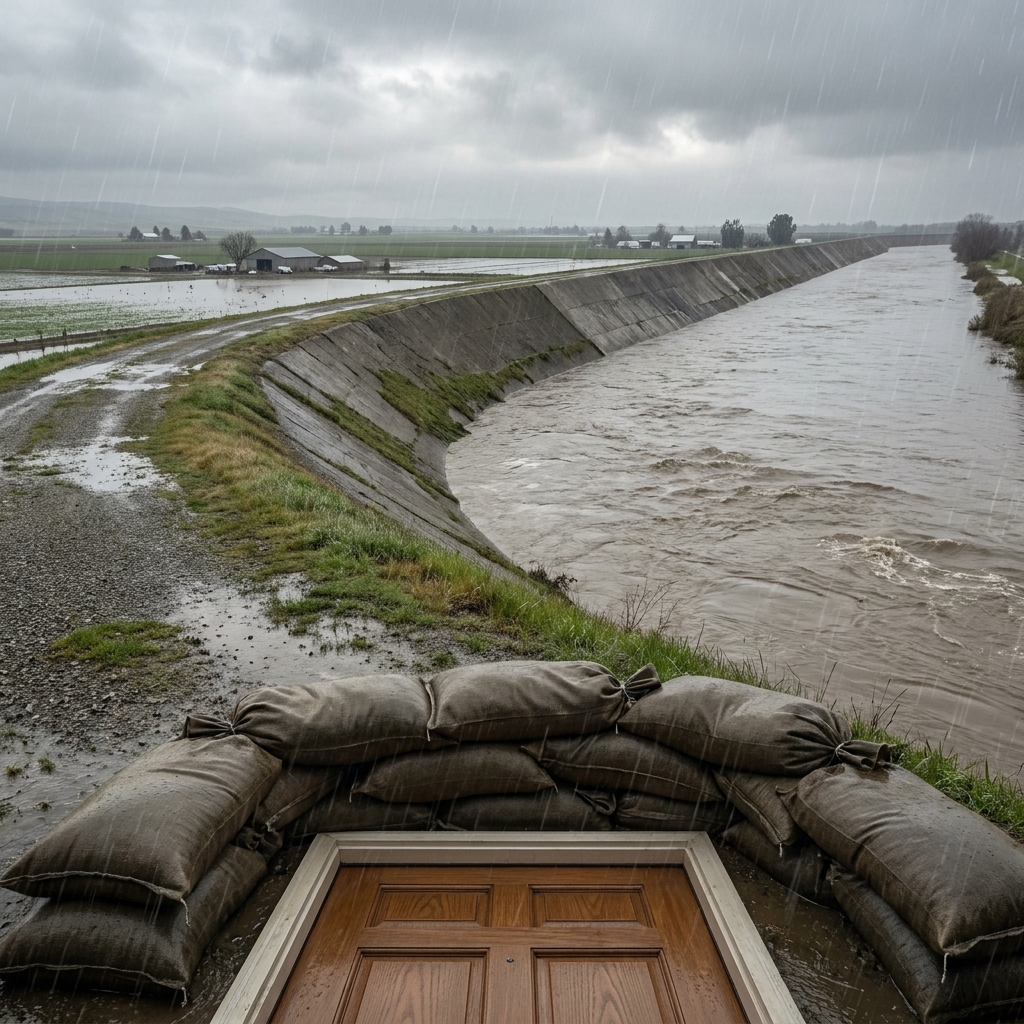
Students then move to guided practice involving a town near the Sacramento River. They examine the risks of levee failure, which gives them a concrete way to apply their knowledge. Because the Central Valley has such extensive river basins and low-lying floodplains, managing these areas is a primary focus. Students learn that a floodplain is the flat area of land next to a river that is prone to flooding. They have to think about how regional levee systems serve as a shield for agricultural and residential hubs alike.
This material aligns with the California-adopted standard CA.MS-ESS3-2.EPC. This standard asks that students develop and evaluate a plan for a community to prepare for and respond to a natural hazard. This involves looking at everything from earthquake preparedness to wildfire evacuation or tsunami response. Teachers in Lodi Unified, Elk Grove Unified, Soquel Union Elementary School District, and Cambrian School District use this same standard because it connects science content directly to the reality of living in our state. The integration of California Environmental Principles and Concepts, or EP&C, requires that students see human society as a part of the natural system, not separate from it.
Refining the focus on mitigation
To really get the most out of this, you should emphasize the vocabulary. There are three key terms that guide the work: Natural Hazard, Mitigation, and Wildland-Urban Interface. The last term is particularly useful in California classrooms. It refers to areas where houses are built near or among wildlands, which significantly increases the risk of wildfire damage. When students identify these interfaces on a map, they start to see the planning constraints that real urban planners face every day.
I find that students get the most out of this when they are challenged to defend their plan. The lesson is built to encourage this evaluation. When a student tries to create a plan for flood management or earthquake safety, they quickly realize that trade-offs are inevitable. They learn that community planning saves lives and reduces economic loss. When a town is prepared, businesses can reopen faster and families can return to their homes sooner. This is the practical application of California natural hazards lesson content that makes the abstract standard feel real.
Where the lesson fits in your schedule
This is a solid choice for a whole-class assignment when you are working through the Earth and Space Sciences module. If you have a student who missed the week of regular instruction, this is self-contained enough for them to catch up on the core ideas of the standard on their own. It also works as a great sub day plan because the scenario-based nature of the material keeps students focused without needing a lecture from you. The lesson takes about 45 minutes to complete in a standard classroom setting. If you want to expand it, you could have students map out their own local area to identify where a wildfire or flood might pose the greatest threat to their specific neighborhood.
Related lessons
Investigating Climate Change Evidence, Examines data used to understand current shifts in global climate
Earth's Changing Materials, Studies how natural processes alter the surface of our planet
Earth's Moving Air and Water, Covers the role of energy in atmospheric and oceanic cycles