

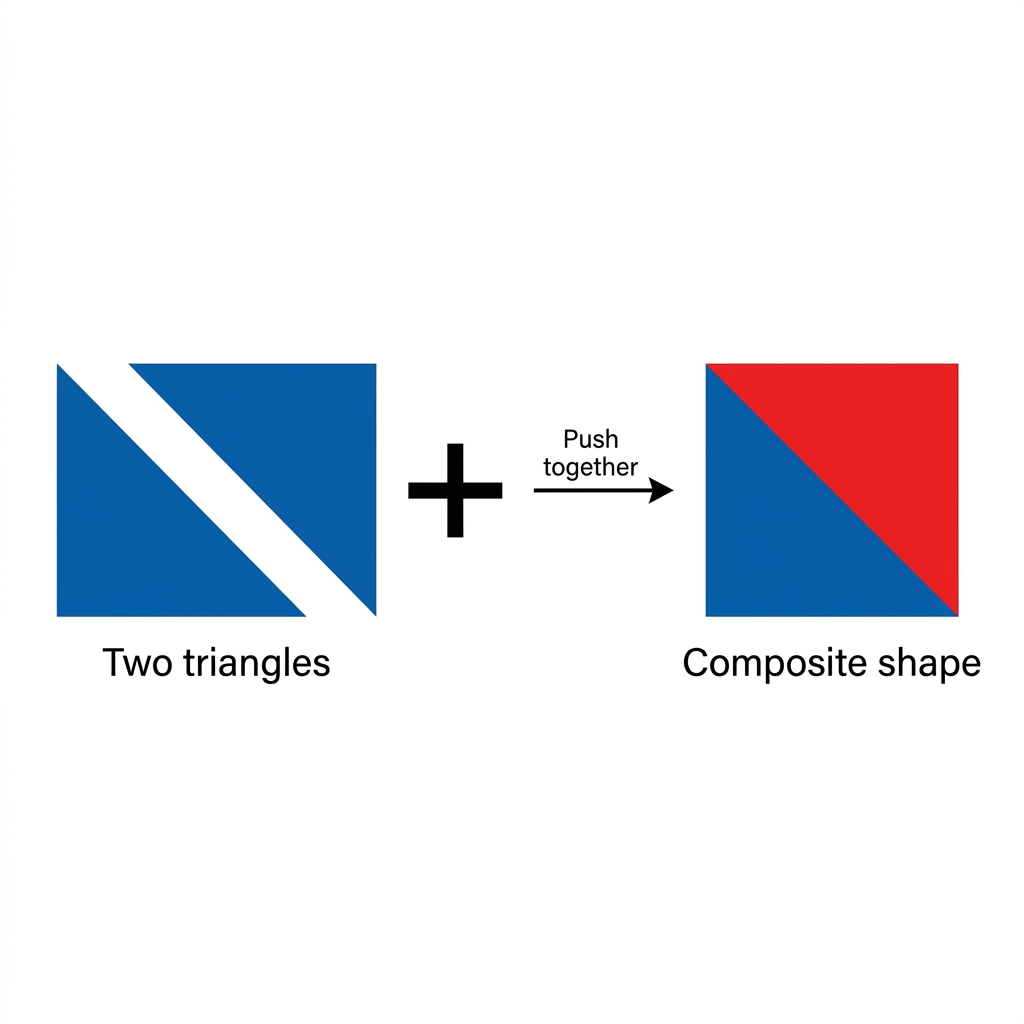
Building strong spatial reasoning skills begins by teaching students how to see relationships between shapes. By learning to compose composite shapes, students move beyond simple identification and start to understand the properties that allow different figures to fit together.
Compose two-dimensional shapes
Compose two-dimensional shapes (rectangles, squares, trapezoids, triangles, half-circles, and quarter-circles) or three-dimensional shapes (cubes, right rectangular prisms, right circular cones, and right circular cylinders) to create a composite shape, and compose new shapes from the composite shape. This is the exact language of the California-adopted standard CA.MATH.1.G.2, which sets the foundation for spatial reasoning in first grade mathematics. It sounds simple on paper, but the reality for six and seven year olds is that they are constantly learning to see how separate parts can form a new, cohesive whole.
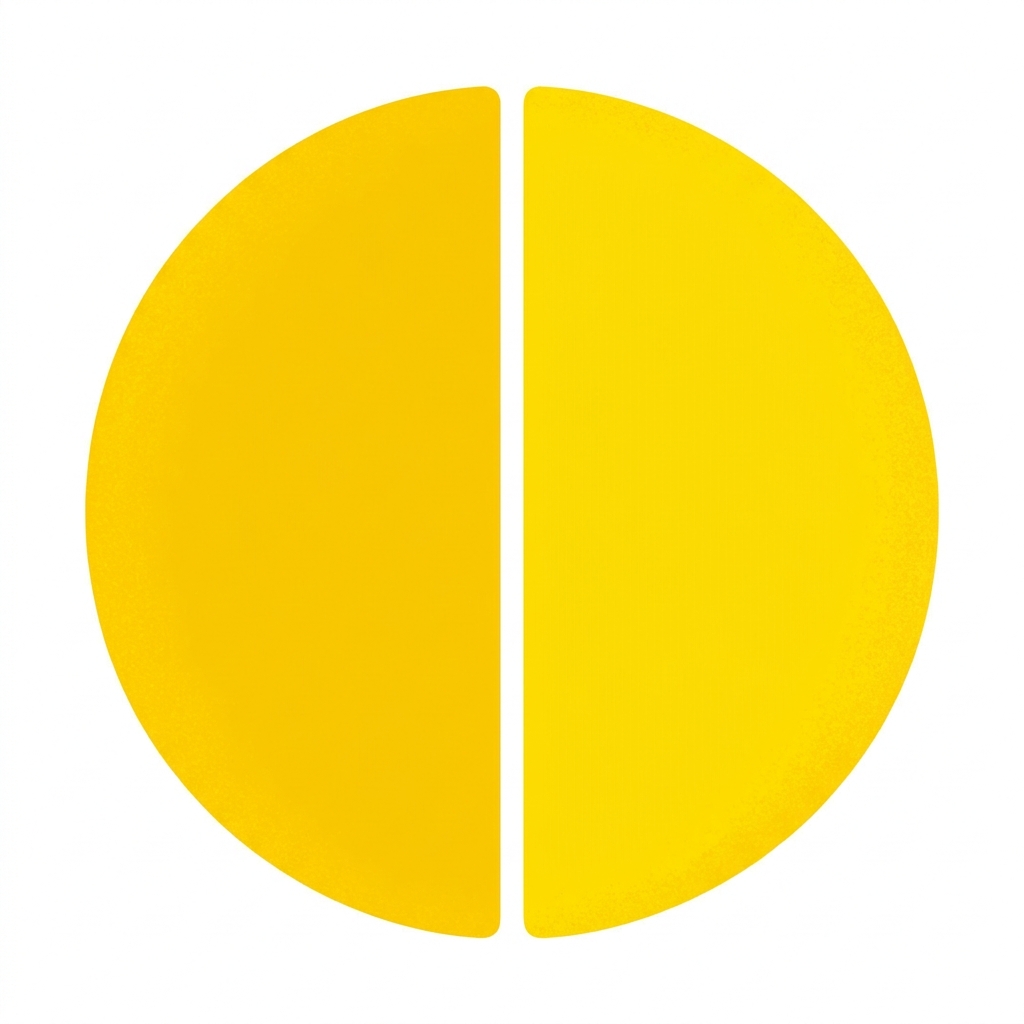
When we ask students to put shapes together, we are doing more than just arts and crafts with geometry. We are teaching them to decompose and recompose figures, which is a major cognitive jump from simply identifying a triangle or a square by name. The standard asks them to reason with shapes and their attributes, forcing them to notice why a side or a corner matters when they try to join two pieces together. It is a productive challenge that shows them that math is about the relationships between objects.
What the lesson actually asks students to do
The Building New Shapes lesson moves quickly, taking about 15 minutes of class time. It requires students to apply the objective that they can make new shapes by putting shapes together. The material focuses on the geometry of 2D shapes like rectangles, squares, trapezoids, triangles, half-circles, and quarter-circles. It also covers 3D figures such as cubes, right rectangular prisms, right circular cones, and right circular cylinders. Students look at how these pieces fit alongside one another to form a more complex structure.
You might find that some students try to build a square by putting two triangles together that do not have the same base length. This is where the lesson shines. It makes them stop and evaluate the physical properties of the pieces they hold. They have to decide if the edges align or if the angles allow for a flush fit. It is a process of trial and error that builds their mental rotation skills, which will serve them well in higher grades as they move toward more complex coordinate geometry.
Where students slip
The most common hurdle is the tendency to move too quickly. You will see students who want to clear their desks after a few seconds, assuming they have finished the task. I encourage you to walk around and ask them to describe the new shape they created. Did they make a new rectangle? Did they accidentally make a shape that is not familiar to them? Being able to name or describe the composite shape is just as important as building it. If you need a first grade geometry composite shapes lesson that gets them talking about these relationships, this is a straightforward, reliable option.
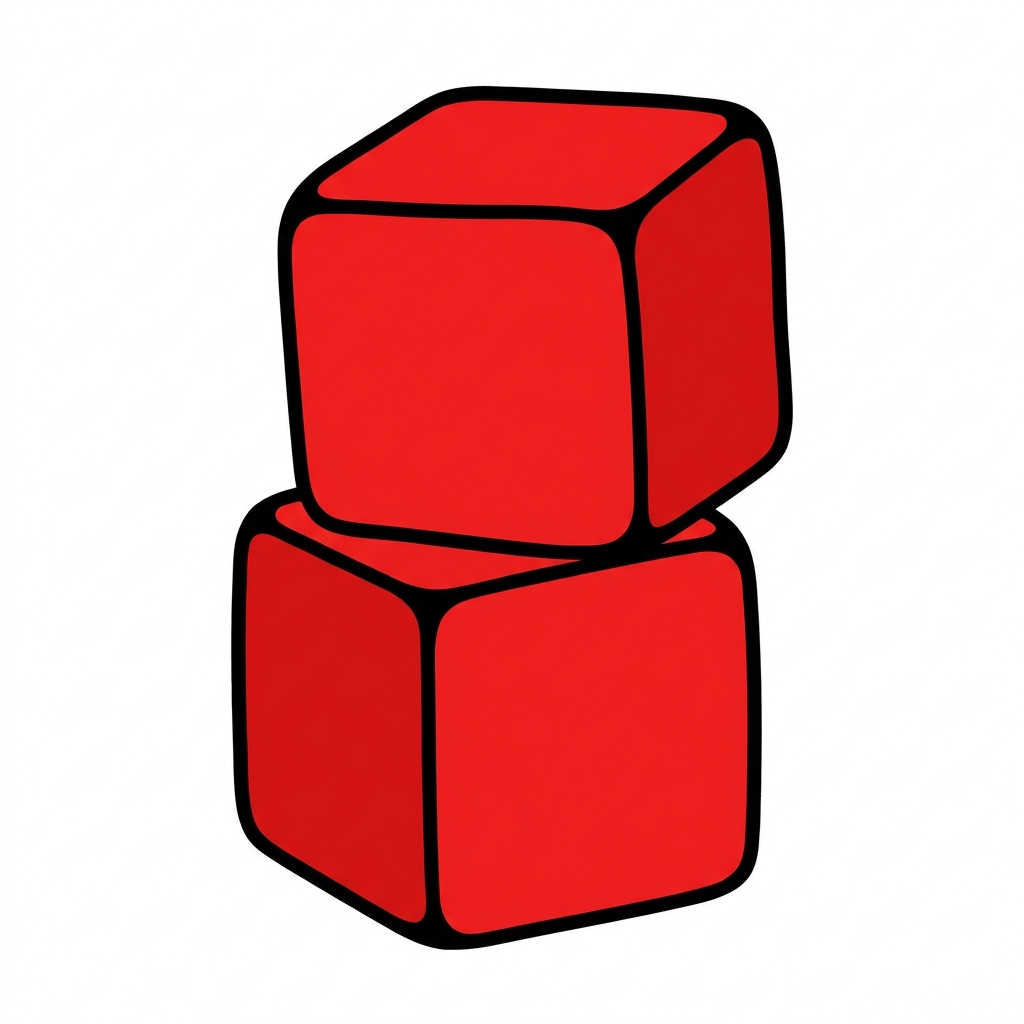
It is worth noting that teachers in Stockton Unified, Palmdale Elementary School District, Buckeye Union Elementary School District, and Beaumont Unified teach this same standard. That is because the core expectation for spatial reasoning is consistent across the state. Using these specific examples, your students learn that geometry is not a static list of definitions but a way to interact with the objects around them.
How to fit this into your week
I suggest using this lesson as a quick check during your math workshop, for a student who missed the week, or as a productive anchor for a day when you have a substitute teacher. It is self-contained and clear enough that a student can jump in without a long lecture from you. Since it covers the CA.MATH.1.G.2 standard directly, you can feel confident that the 15 minutes spent are aligned with the state framework. My advice is to provide physical manipulatives if you have them, as the tactile experience of turning a cylinder or fitting two trapezoids together is more effective than just looking at a screen.
When you wrap up, do not feel the need to quiz them on every single vocabulary term like right rectangular prism. Instead, look for their ability to explain how they arrived at their composite shape. Did they use two of the same pieces? Did they mix a circle and a triangle? That observation tells you everything you need to know about their current mastery of the concept.
Related lessons
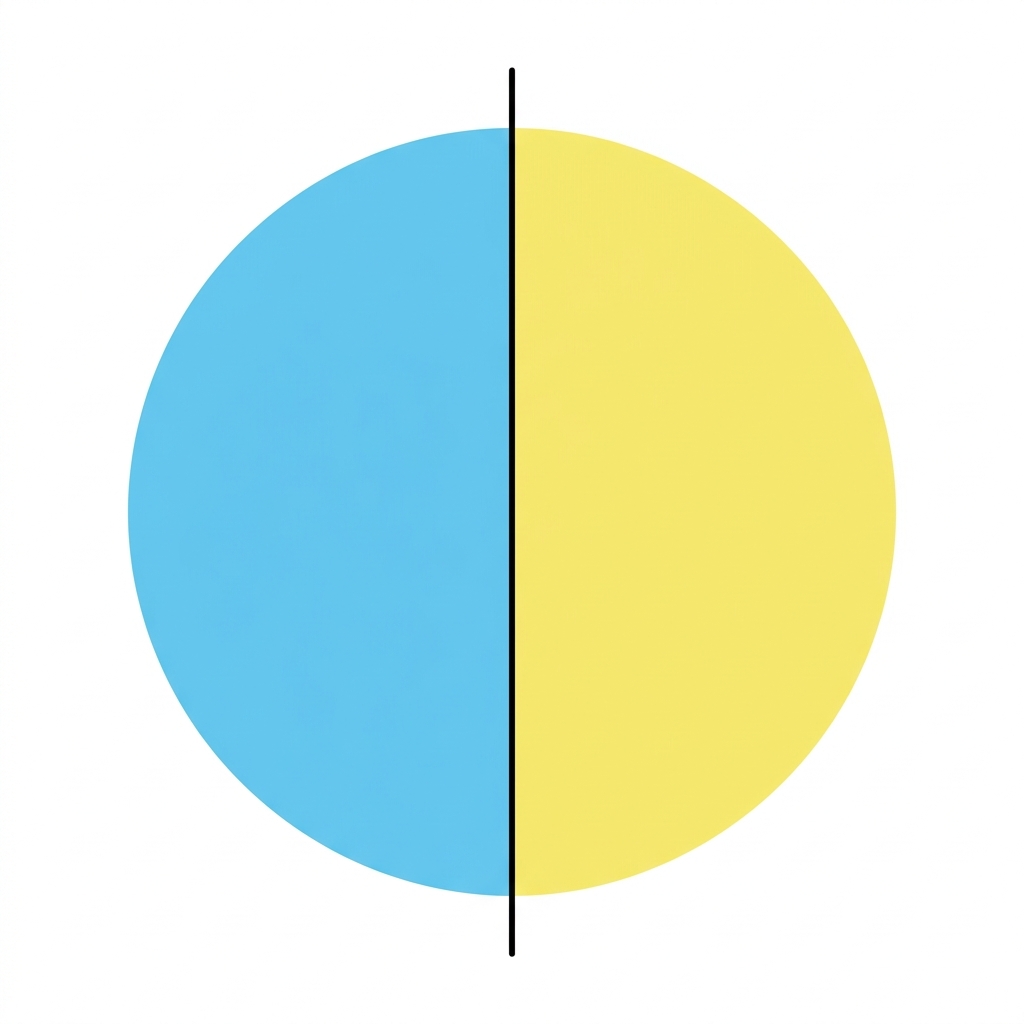
Sharing Fairly, Introduction to basic division and partitioning for young students
Bundles of Ten, Foundational practice with place value and base ten blocks
Counting Groups of Ten, Building fluency with numbers using tens-based grouping methods