

You have fifteen minutes at the start of your literacy block. Maybe you are setting up for a whole-class reading, or maybe a student who missed the lesson earlier in the week needs a quick catch-up. That is where Story Friends comes in. It is a straightforward kindergarten English Language Arts lesson designed to help your students start looking at character experiences with a more critical eye. In this grade, we are moving from simply retelling what happened in a story to figuring out how different characters relate to their circumstances.
The standard at play here is CA.ELA.RL.K.9. This part of the California Common Core asks for something that sounds simple but actually requires a lot of teacher guidance: comparing and contrasting the adventures of characters in familiar stories. When we break this standard down, it asks us to facilitate that shift from listing what happened to analyzing why things happened differently for two characters. You act as the bridge for your students, providing the prompting and support they need to articulate similarities and differences. Teachers in districts like Santa Ana Unified, Ontario-Montclair School District, Sonoma Valley Unified, and Beverly Hills Unified all work toward this same standard.
Understanding the demands of the standard
The phrasing of the standard is very specific about the role of the teacher. It says with prompting and support. This means you are not handing a worksheet to five-year-olds and expecting them to fill out a Venn diagram on their own. You are the one asking the questions that get them there. When a student tells you that the bear in one story is hungry, and you point to a different story and ask if that character is hungry too, you are performing the core task of the standard. It is about guiding them to see that characters exist in different contexts and act according to their own needs.
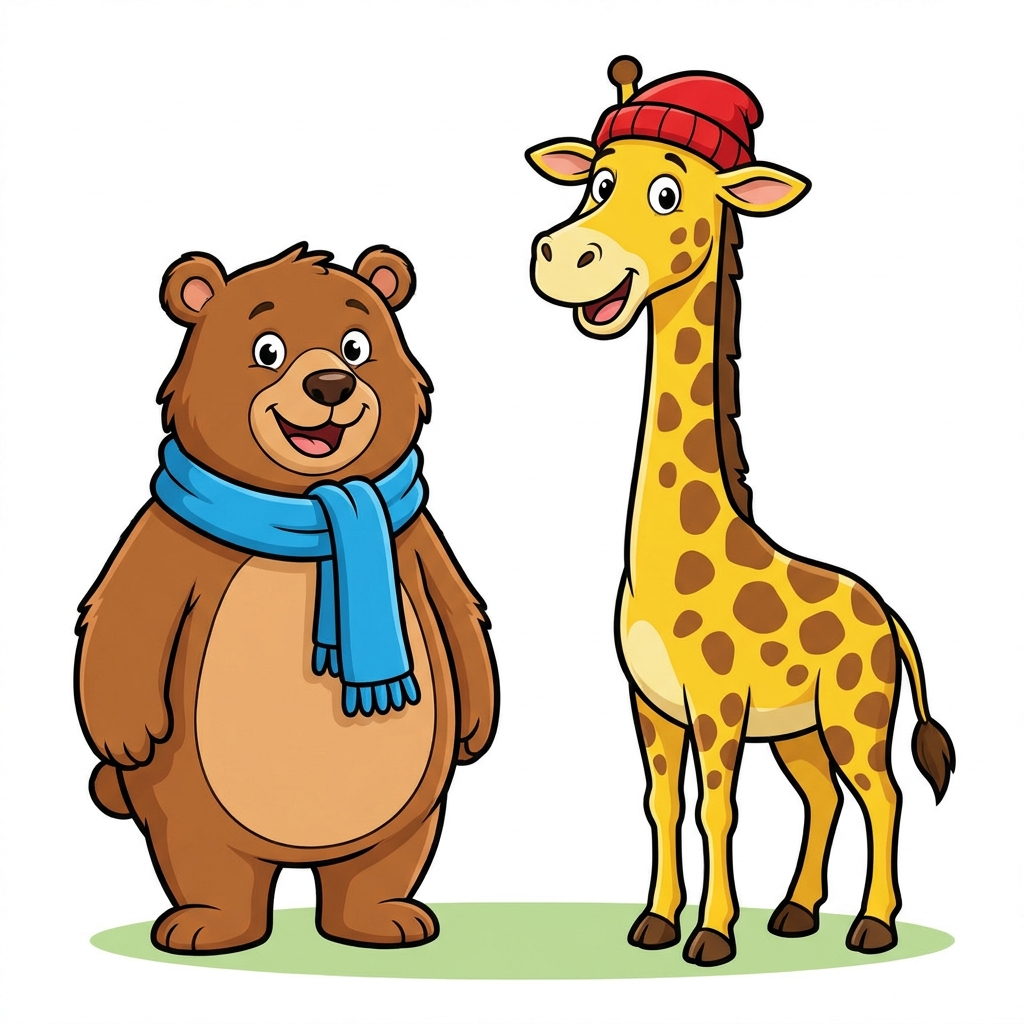
I find that students often want to focus only on the surface. They will tell you that both characters are animals. Your job is to push them into the adventures and experiences part of the standard. This lesson helps you do exactly that without making it feel like a heavy academic drill. It provides a simple structure to help you get your students thinking about what characters do. If you are looking for a kindergarten compare and contrast stories tool that does not overcomplicate the process, this is a solid place to start.
How to use this in your day
I like this lesson for independent study or as a quick activity for a substitute day because the objective is so clear. You are talking about what happens in the stories. That is it. You can do this with the books you already have on your shelves. You just need two stories with characters the kids know well. My one caveat is that the success of this hinges on your choice of books. Pick two stories where the character motivations are distinct enough that even a five-year-old can spot the difference.
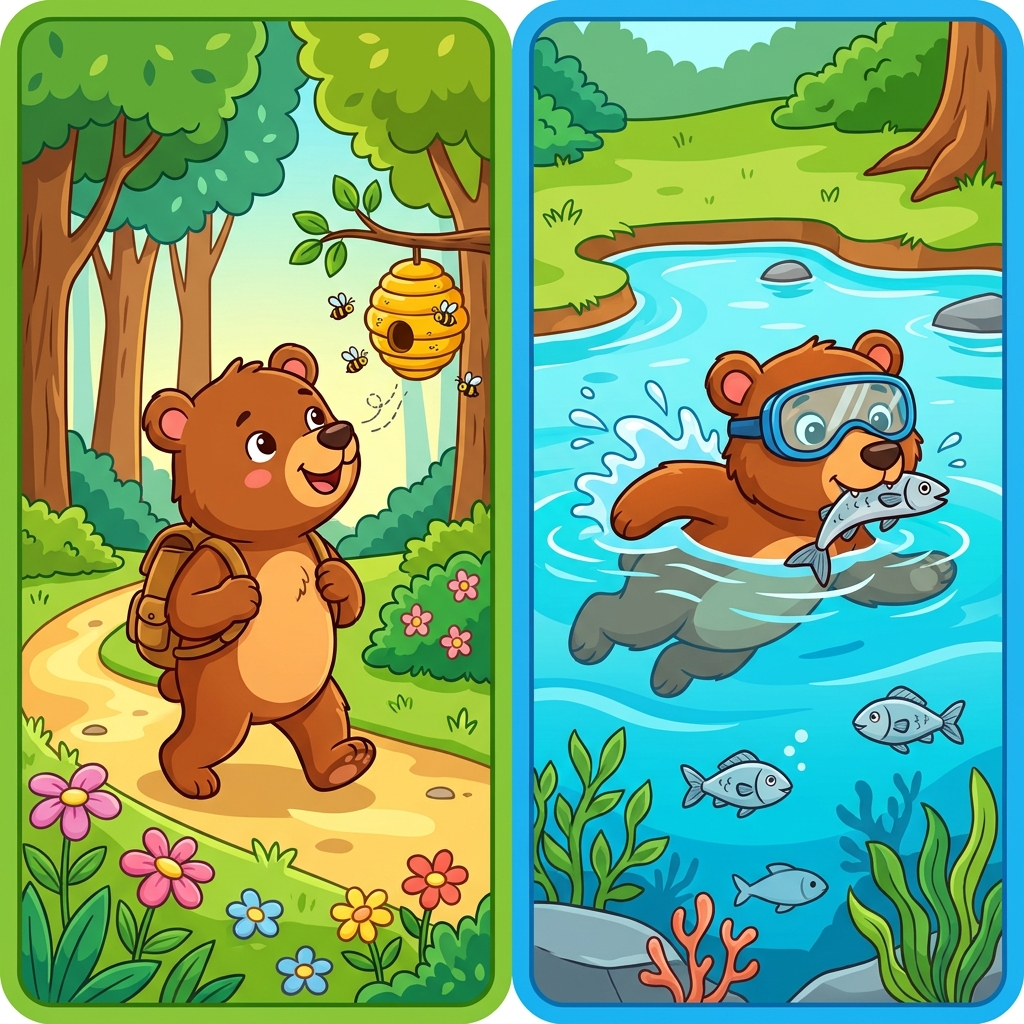
For example, if you compare a character who is seeking out a new home with a character who is trying to get home, the difference in their experiences is easy to see. You guide the discussion so the students identify that the goal is the same but the action is different. This is the heart of CA.ELA.RL.K.9. You are setting the foundation for the literary analysis they will be doing for the next decade. Keeping it to fifteen minutes keeps the kids focused and keeps the expectation manageable. When you move through this lesson, you are not just checking a box on a standards list. You are teaching them how to look at the world of a book and see the threads that connect characters to one another. It is a good, quiet way to get them to stop and think for a moment.
Related lessons
Learning From Our Day, Discussing daily events to improve narrative structure and memory
Words and How We Use Them, Building vocabulary through intentional use of common classroom words
Learning About Friends, Identifying character traits and interactions in simple social stories