

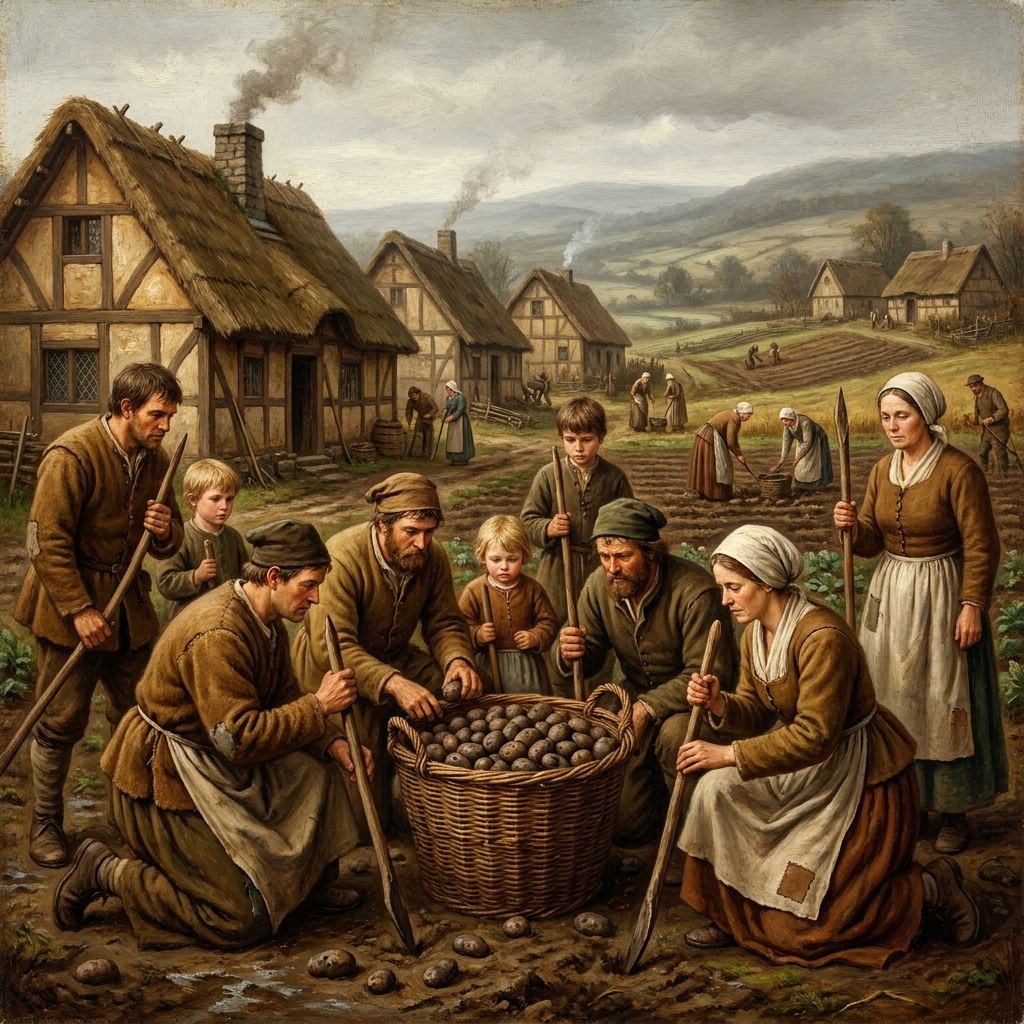
Imagine a farmer in the fifteenth century trying to feed his family. He might trade five apples for two bushels of wheat with the person living on the next plot of land. It was a simple, local existence where survival depended on what could be grown within a day’s walk. This is the starting point for The Columbian Exchange and Global Connections, a seventh grade social studies lesson that moves quickly from that small-scale farm to the massive shifts in trade that defined the early modern world.
When you teach seventh grade world history, you are tasked with connecting these big, sweeping historical shifts to things students can actually visualize. Teachers in Oakland Unified, Los Angeles Unified, Hesperia Unified, and Newark Unified work with the same goals, ensuring that seventh graders grasp the movement of plants, animals, and ideas that started in the late fifteenth century and never really stopped.
Understanding the core of the standard
The CA.HSS-7.11.2 standard asks students to do more than just memorize names and dates. It requires them to discuss the exchange of plants, animals, technology, culture, and ideas across continents and explain the economic and social consequences. This is a California-adopted standard that focuses on the fifteenth and sixteenth centuries. When you parse the standard, it demands three specific things. First, it requires an inventory of what moved. Second, it asks for the geographic scope, covering Europe, Africa, Asia, and the Americas. Third, it mandates an analysis of the economic and social effects on every continent involved. The lesson does a clean job of structuring this analysis so it does not feel like a dry list of commodities.
What the lesson actually asks students to do
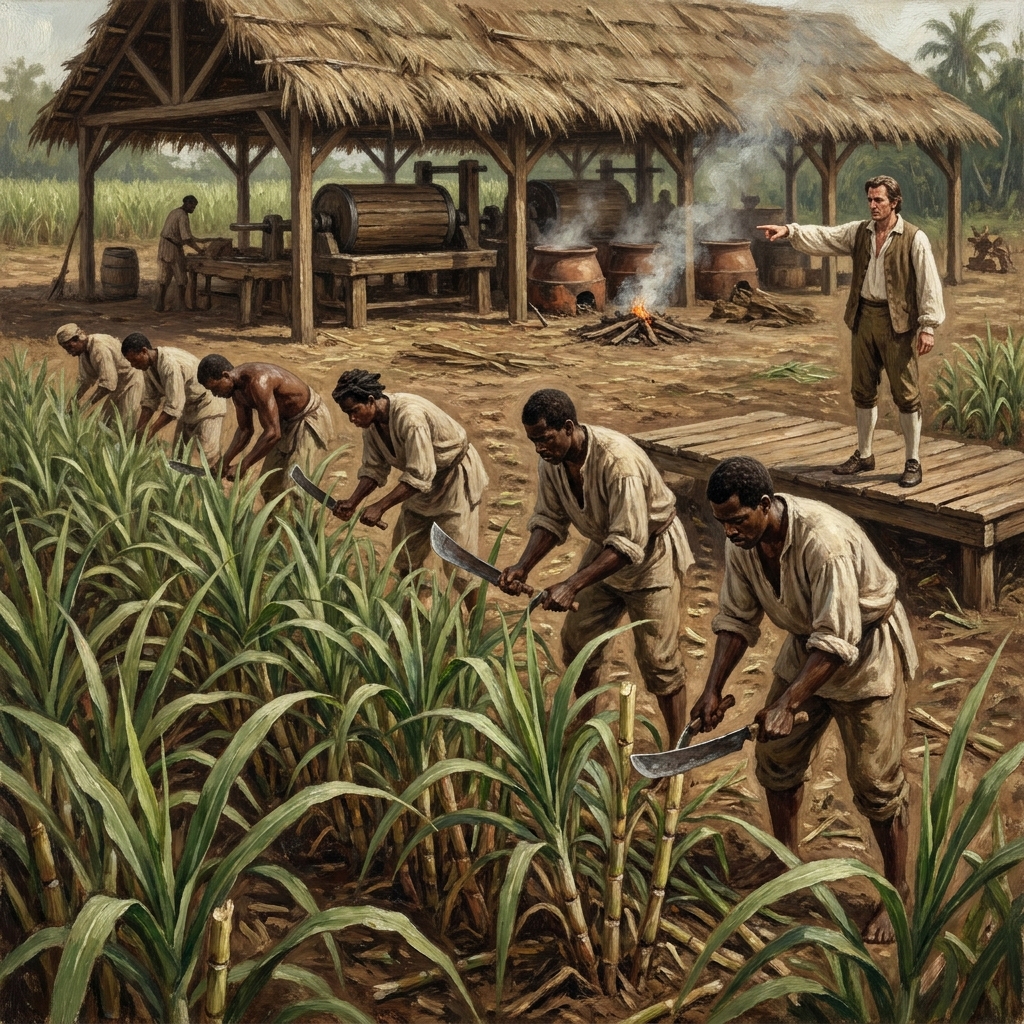
The material defines the Columbian Exchange as the massive movement of plants, animals, diseases, and ideas between the Americas and the rest of the world. It also introduces the idea of globalization as the process by which people and goods around the world become connected through trade and communication. Finally, it defines a plantation as a large farm where crops like sugar or tobacco are grown for sale, often using enslaved labor.
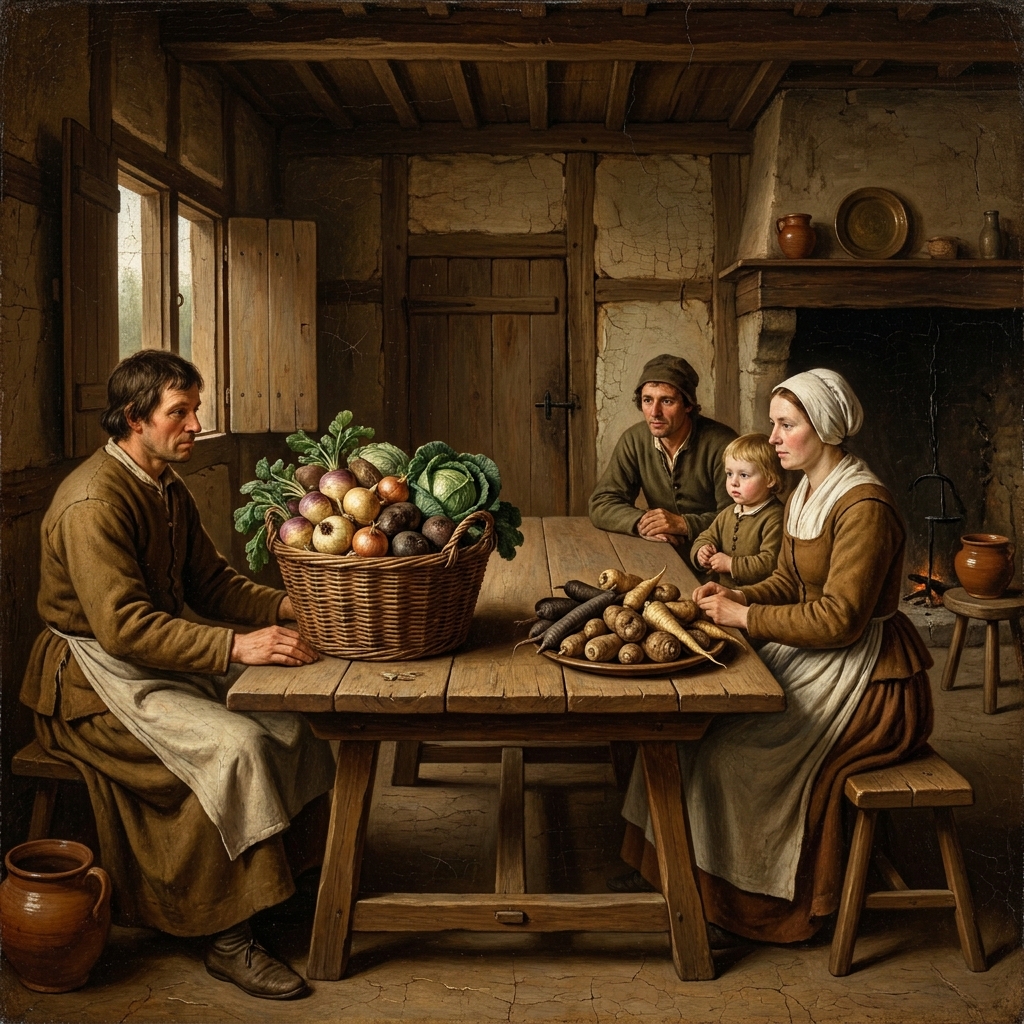
The lesson uses specific examples to make these terms concrete. For instance, it shows how the introduction of potatoes, which originated in the Andes, allowed European populations to grow because the crop was filling and easy to plant in European soil. During guided practice, students apply this thinking to maize. They examine how a crop from the Americas changed population growth in Africa and Europe because it was easy to grow and provided a reliable food source. Students are asked to explain the impact of these changes in their own words, moving beyond simple identification into historical causation.
Where students slip
The hardest part for a seventh grader is often distinguishing between the physical movement of crops and the systemic economic changes that followed. I find that students often see the potato arriving in Europe as just a dietary change. They miss the economic shift that accompanies it. The lesson addresses this by explicitly connecting the legacy of the fifteenth century to modern life. It explains that our current world is connected by global supply chains where parts for a phone might come from one country, be assembled in another, and sold in a third. If you use this Columbian Exchange lesson for seventh grade, spend a few minutes pushing students to see that the ship carrying potatoes is fundamentally linked to the container ship carrying electronics today. That is where the historical perspective hits home.
Fitting this into your schedule
This is a solid choice for a forty-five minute period. It works well as a whole-class assignment when you are introducing the Age of Exploration. It is also quite effective for a student who missed the week and needs to catch up on the economic impacts of global contact. If you have a substitute teacher coming in, this lesson is structured enough that it does not require a deep prior knowledge of the unit to facilitate successfully. Because it emphasizes cause and effect, it is a good way to assess whether your students can connect the dots between agricultural changes and broader social trends. It is a specific, manageable way to cover a significant part of the curriculum without losing the class in generalities.
Related lessons
Knowledge Across Borders: The Islamic Golden Age, Discusses intellectual and cultural developments during the Islamic Golden Age

Understanding Medieval Japan, Explores the social and political structure of medieval Japan
The Scientific Revolution and the Natural World, Examines scientific discoveries and their impact on natural philosophy