

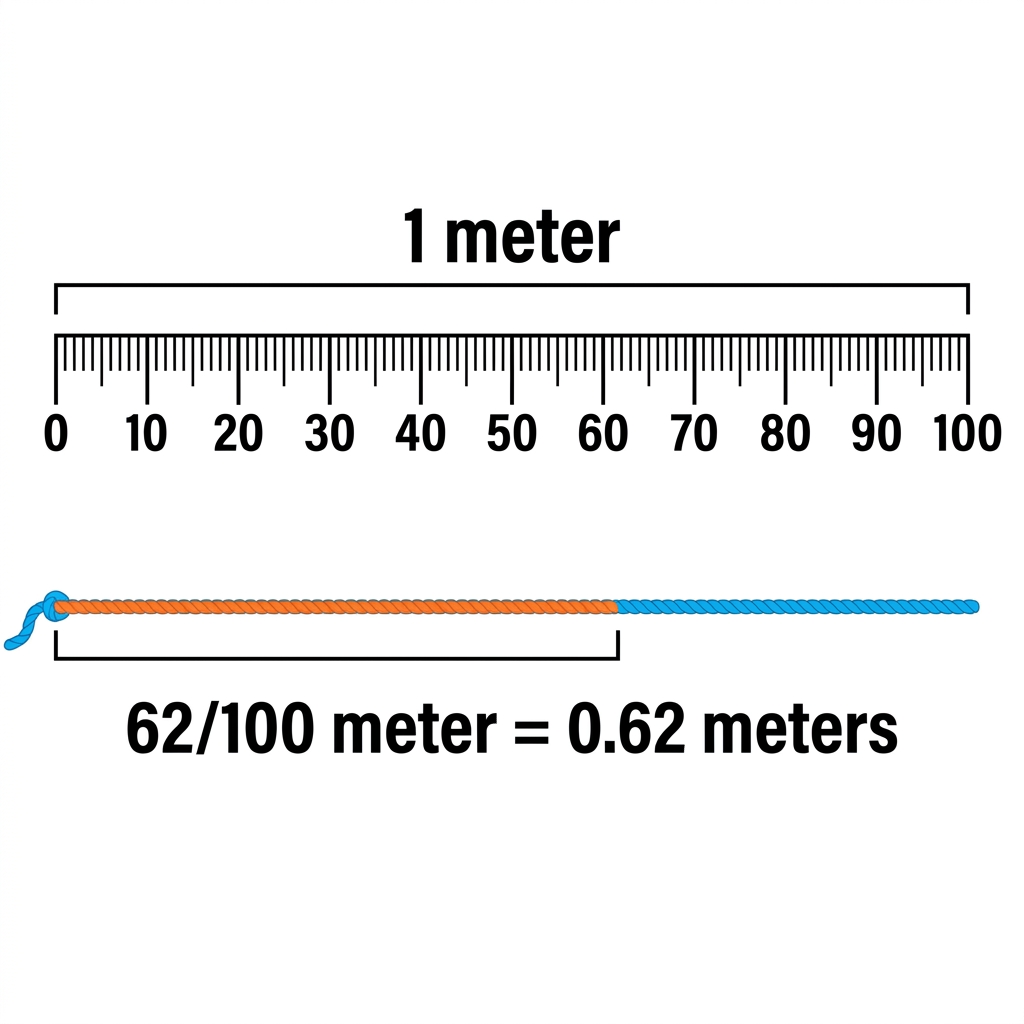
This post discusses a fourth grade math resource that helps students connect fractions to decimals using base-ten models. Breaking down the decimal standard: You know how it goes when we start talking about place value in Understanding Decimals and Fractions. We move from whole numbers to fractions, and suddenly the students feel like they are starting from scratch. But the actual standard, CA.MATH.4.NF.6, is quite precise. It asks students to use decimal notation specifically for fractions that have denominators of 10 or 100. That is the core requirement: rewrite a fraction like 62/100 as 0.62, measure a distance using that decimal, and then place that same value on a number line. It is about bridging the gap between two different ways of writing the same quantity.
This is the same skill set taught in Fontana Unified, Corona-Norco Unified, Rocklin Unified, and Cupertino Union School District. When we look at this standard, we are asking students to see that 10 equal parts of a whole can be written as tenths, while 100 equal parts can be written as hundredths. The lesson does a nice job of keeping this distinction clear for fourth graders.
The role of visual representations
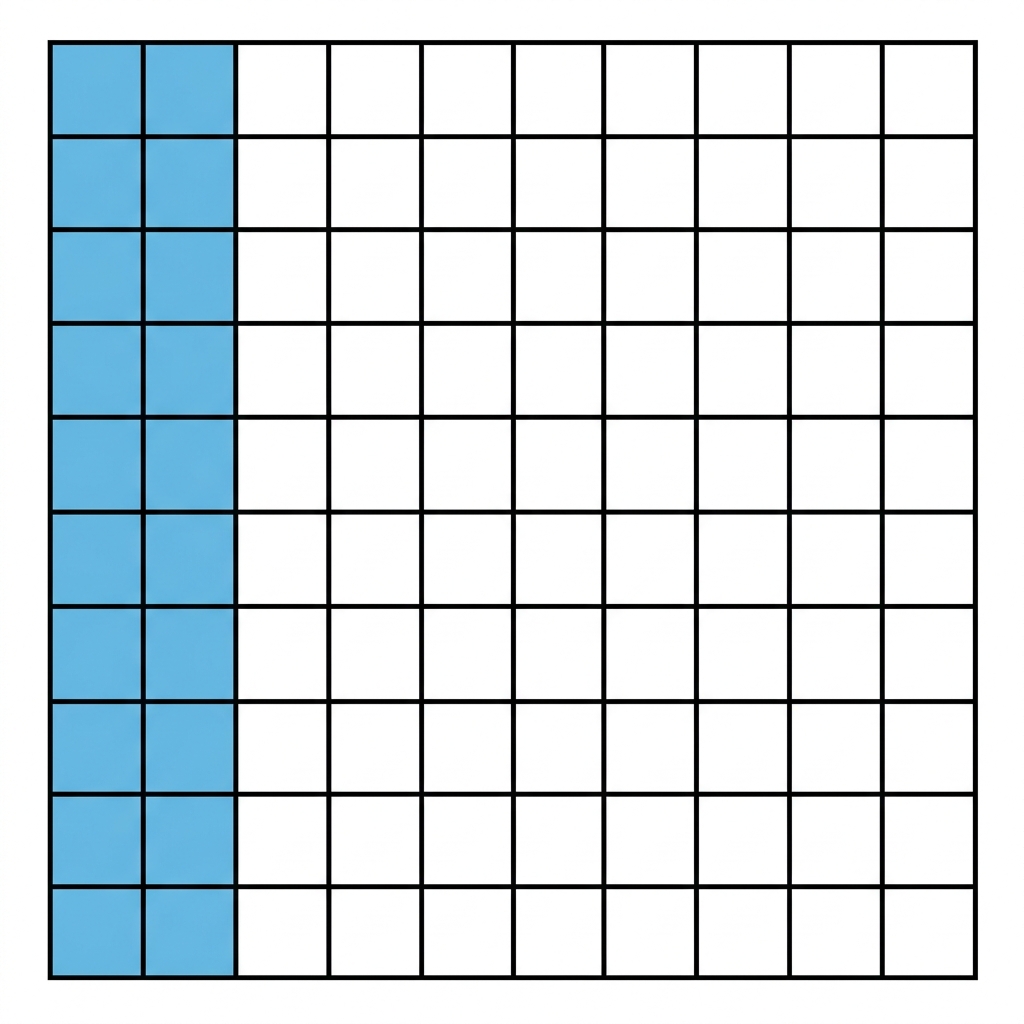
The lesson moves into CA.MATH.4.NF.6 by using a grid to build that initial understanding. A 10 by 10 grid is the gold standard here because it naturally represents 100 squares, where each square is one hundredth. If you have a student who still struggles to visualize why 30/100 is the same as 3/10, having them color those squares is the best intervention. The lesson also introduces CA.MATH.4.NF.7, which adds the step of comparing two decimals by reasoning about their size using visual models and number lines. That California-specific addition is where the real work happens, as it forces students to move beyond just writing the symbols and actually thinking about which value represents a greater part of the whole.
Vocabulary and clear examples
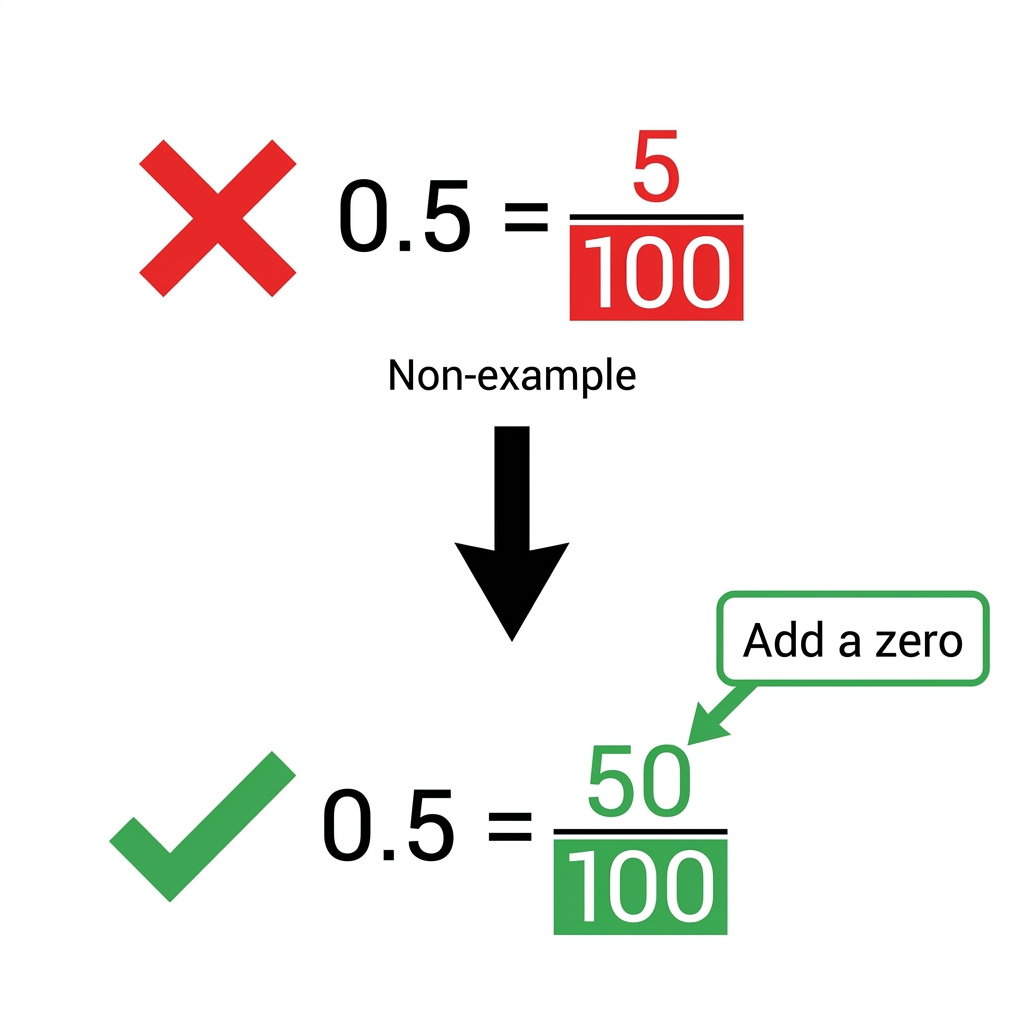
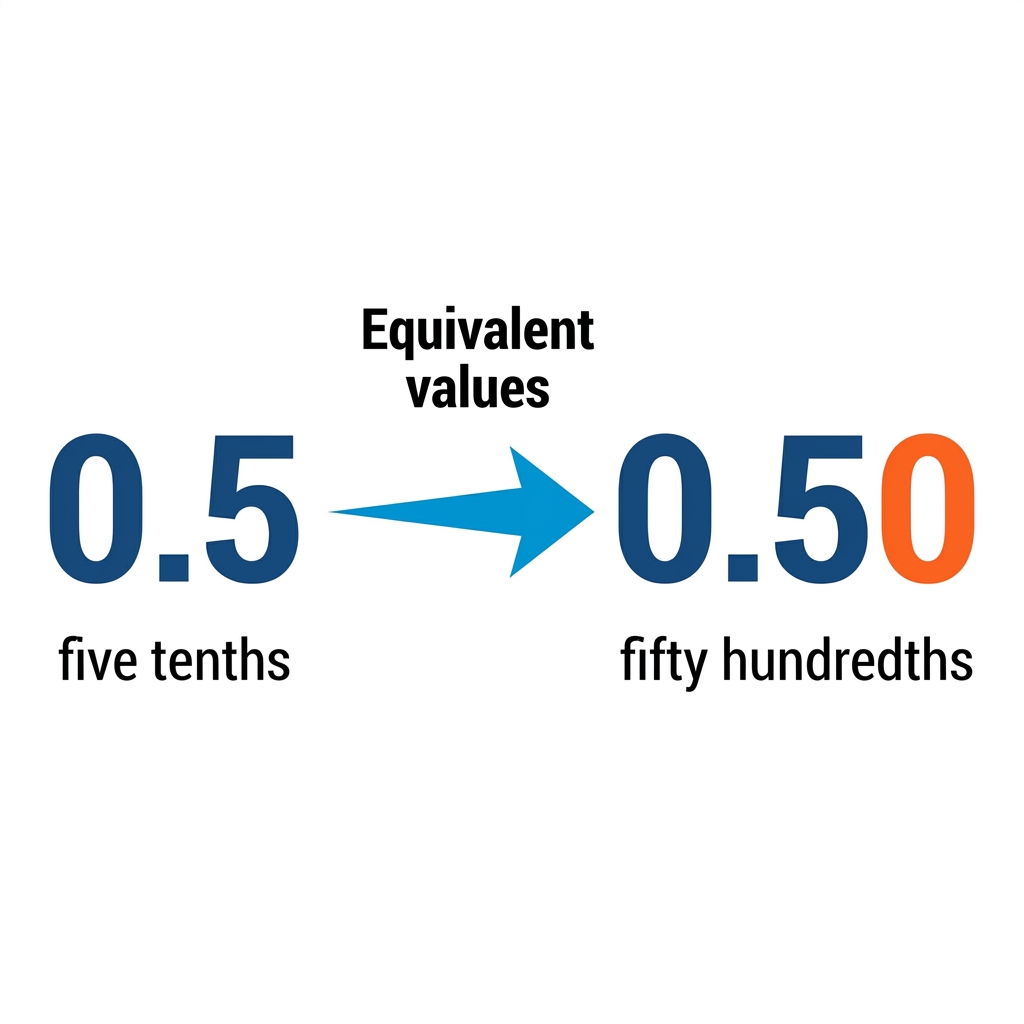
Sometimes our students get tripped up on the terminology. The lesson defines decimal as a number that uses a decimal point to show parts of a whole, and it reinforces the idea that the denominator is the bottom number in a fraction that tells how many equal parts make up one whole. Seeing these two terms together helps clear up the common confusion where students treat the numbers on either side of the decimal point like separate whole numbers. The worked examples are particularly helpful here. For instance, the lesson explains that 0.4 and 0.40 both represent four tenths. Seeing that 0.4 is the same as 4/10, and that 4/10 is equivalent to 40/100, gives them the logical framework to compare values without guessing.
Applying the concepts to real life
I usually find that my fourth graders tune out if they do not see why this matters. The lesson addresses this by connecting decimals to real-world tasks like builders measuring wood and scientists measuring chemicals. It is a simple touch, but it grounds the abstract notation in something tangible. The guided practice scenario about runners tracking their race times is a classic way to show why we need to compare tenths and hundredths. If a student can track a race time, they can understand decimal comparison. This lesson is a great fit for a whole-class assignment to start the unit, or even as an intervention session for a student who missed the week of instruction. If you need a solid resource for independent study or to leave for a substitute day, this material is straightforward and easy for students to follow without constant intervention. Just make sure they keep their number lines tidy, as that is where they usually slip; keeping the marks equidistant is often harder for them than the math itself.
Related lessons
Adding Tenths and Hundredths, Strategies for summing fractions with denominators of ten and hundred
Multiplying Fractions by Whole Numbers, Methods for calculating the product of fractions and whole numbers
Building Fractions and Mixed Numbers, Creating and representing fractions and mixed numbers with visual models