

…which is why I’d put this one in front of the team before we start the factories and railroads stretch of the unit, not after. The lesson is The Industrial Transformation of America, an eighth grade social studies lesson from the US History: Growth & Conflict course, and it runs about 45 minutes. It does one job and does it cleanly.
The goal is for students to understand how the Industrial Revolution reshaped three things at once: how Americans lived, how they worked, and how they governed themselves. That third piece is the one I want us watching, and I’ll come back to it.
What the lesson asks students to do
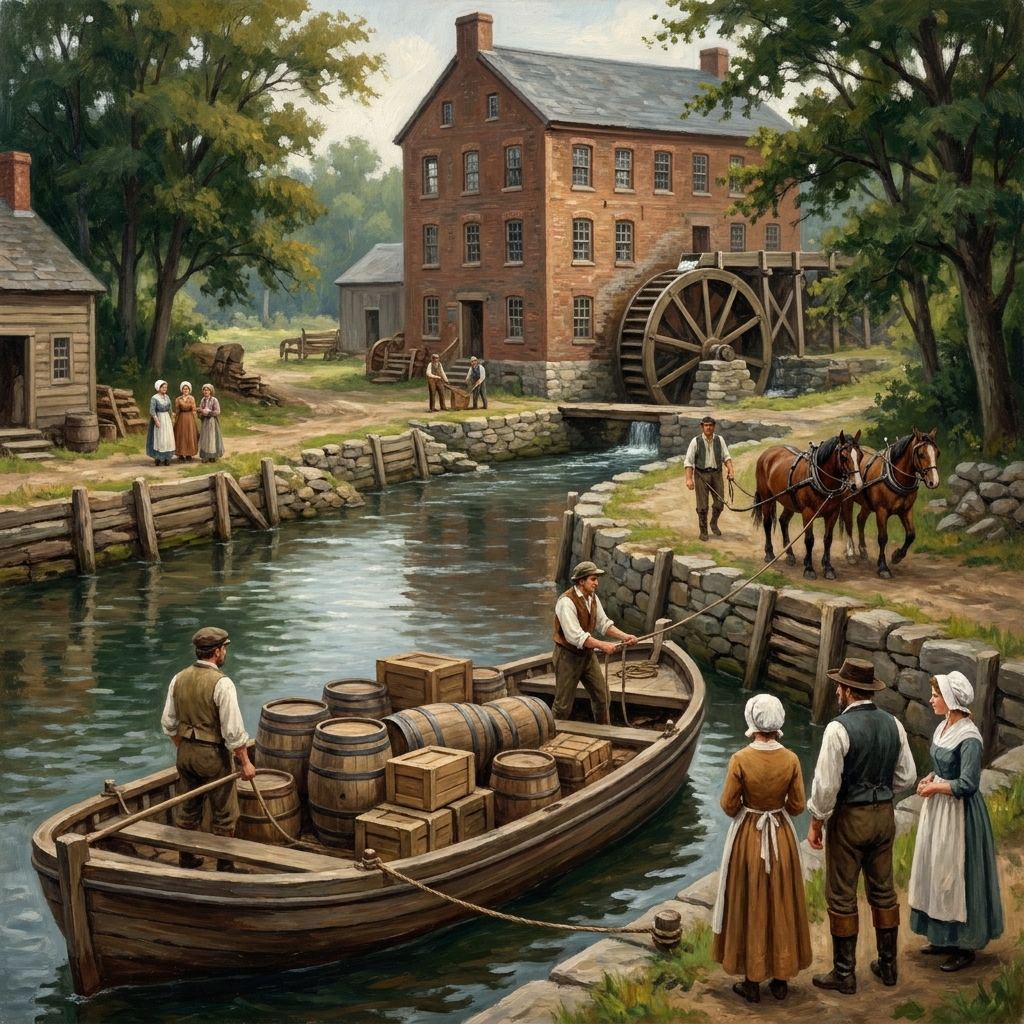
It opens small. Before the 1800s, most Americans worked on farms or in small shops, and the lesson pictures a weaver in a little room with two looms, making cloth by hand for the neighbors. Slow work, so goods were expensive and rare. I like this opener because it gives eighth graders a “before” they can actually see, which makes the “after” mean something.
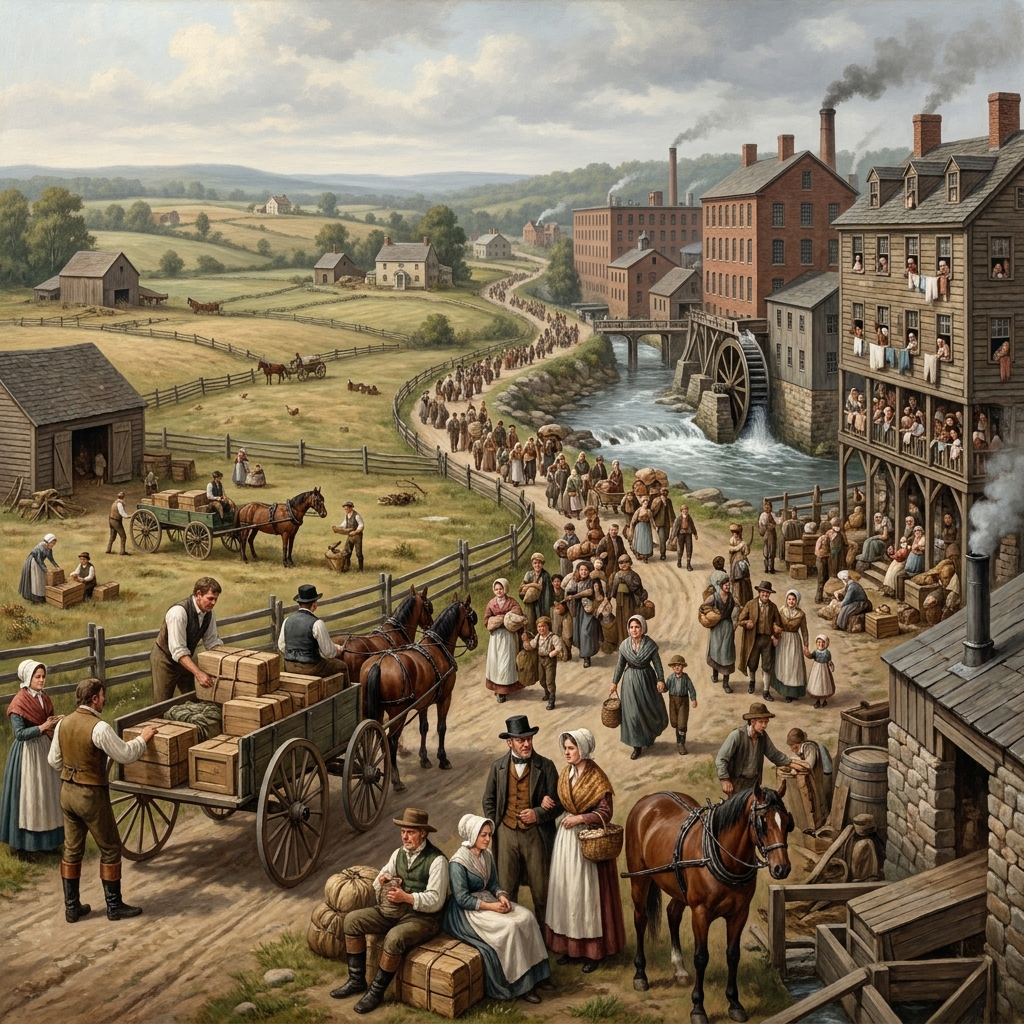
The worked example is the Erie Canal. The lesson walks through how a new waterway let products move by boat quickly and cheaply, and how that let factories reach distant markets and grow across the country. It’s a cause-and-effect chain, modeled out loud, which is exactly what students will need for the next part.
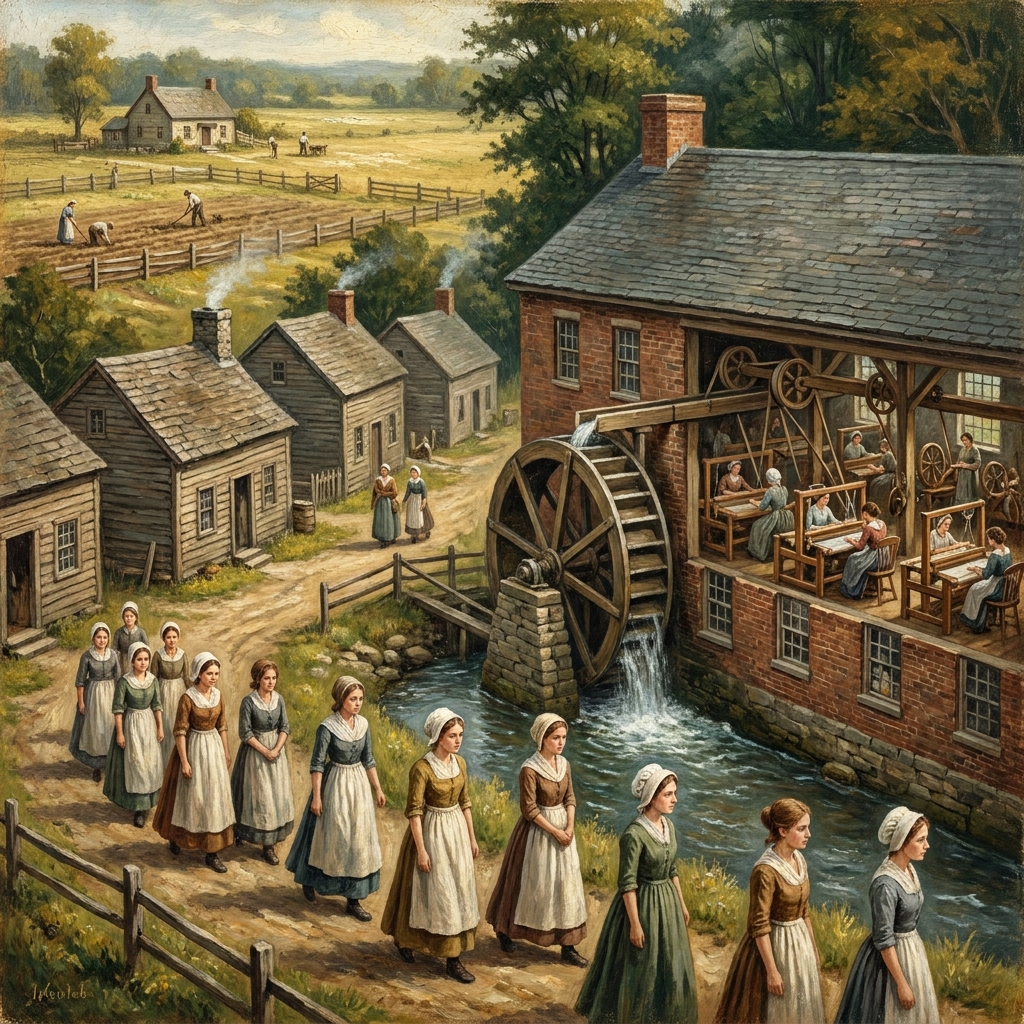
Then the guided practice hands it over. Students picture a 19th-century factory where workers are tired of 14-hour days and go on strike for a 10-hour workday. Now they have to reason about the social and political side, not just the economic one. The lesson closes by connecting all of this to a debate we still have, about how much government should regulate business to protect workers and the environment.
This is all in service of CA.HSS-8.12, from the California History-Social Science standards. The standard asks students to analyze how the American economy transformed and how social and political conditions changed in response to the Industrial Revolution. Notice the verb. Analyze, not list. Students in Montebello Unified, Santa Ana Unified, Ross Valley Elementary School District and Bishop Unified are working toward this same standard, because it reads the same from one end of the state to the other.
What to listen for while they work
Listen for the word “so.”
When a student says “the Erie Canal was built,” that’s a fact. When a student says “the canal made shipping cheaper, so factories could sell farther away, so they hired more workers,” that’s the analysis the standard wants. If you hear a lot of the first and not much of the second during the canal example, slow down and make them finish the chain before moving to the strike.
The strike scenario is where I expect the gap. In my experience, eighth graders handle the economic story fine; machines and canals are concrete. The political piece is thinner. Students will say the workers were tired and wanted shorter days, which is true, but push for the next step: what can workers do when they act together, and what might the government be asked to do about it? That’s the “governed themselves” part of the objective, and it’s the part kids skip if nobody asks.
One honest caveat. Forty-five minutes is an overview. The lesson doesn’t go deep on specific laws, specific unions or specific people, so if your plan calls for primary sources or a named strike, you’ll be bringing those yourself. I don’t see that as a flaw. It gives everyone the same frame before we add detail.
Folding it into the week
My suggestion is to run it early in the week as a whole-class assignment, ideally the day before you introduce whatever primary sources your team is using. The weaver, the canal and the strike give you three anchors to point back to all week.
It also works well for a student who missed the week. Because the lesson moves from the two-loom weaver through the canal to the strike in one sitting, a returning student gets the whole arc without needing three days of notes. And it’s a solid substitute day plan; the structure carries itself, and a sub doesn’t need background in labor history to keep students on task.
If anyone on the team is searching for an eighth grade Industrial Revolution lesson to share with a co-teacher or an independent-study colleague, that’s the one. Before Thursday’s meeting, try the strike prompt yourself and write down the political answer you’d want to hear. Then we’ll compare notes on what students actually said.
Related lessons
The Rise and Impact of the Ku Klux Klan, How the Ku Klux Klan rose and the impact it had
Federalism and the Challenge of Nullification, Federalism and the nullification challenge to federal authority
Immigration and the Growth of American Cities, How immigration contributed to the growth of American cities