

A third grader looks at the picture of a California condor perched on a rocky cliff and asks the question that opens the whole unit: if the bird isn’t doing anything, why doesn’t it fall off? It’s a better question than it sounds. The bird isn’t doing nothing. Gravity pulls it down, the ledge pushes back up, and the two pushes match. That is balanced forces, and most eight-year-olds have never thought of standing still as something that takes two forces to pull off.
That condor is the opener for Balanced and Unbalanced Forces in Nature, a third grade science lesson from our physical science course that runs about 45 minutes. The core idea is short enough to fit on a sticky note: balanced and unbalanced forces determine how objects move.
Why forces get squeezed on the calendar
In my years in California classrooms, physical science rarely got the slot it deserved. The forces unit tended to land somewhere in the back half of the year, after reading benchmarks, after the long fractions stretch in math, and right about the time state testing prep started eating afternoons. Science is usually the subject that gives up its time first. So a unit planned for three weeks becomes eight days, and the kid who was out with the flu for four of them misses the entire idea.
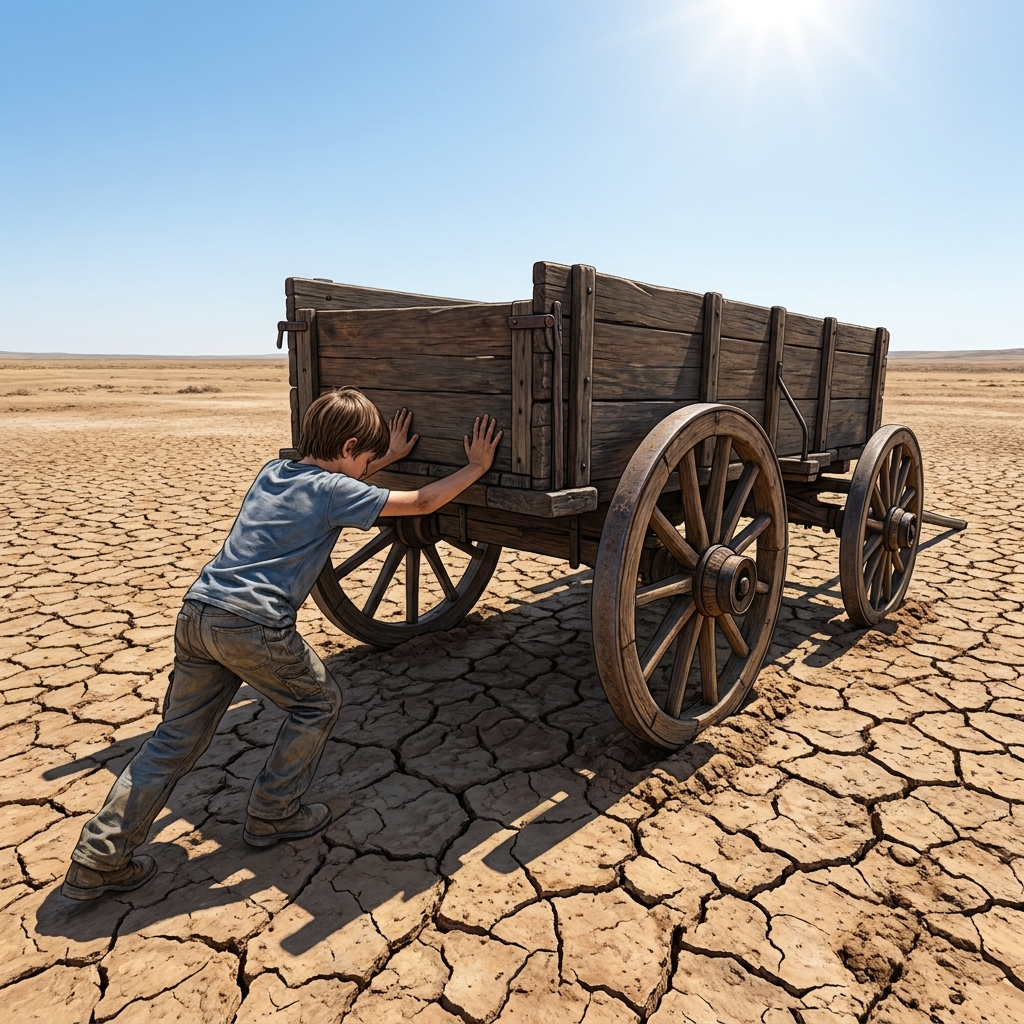
The standard doesn’t shrink to fit the calendar, though. 3-PS2-1 asks third graders to plan and conduct an investigation that gives evidence of what balanced and unbalanced forces do to an object’s motion. In plain terms: show that when pushes and pulls are equal, motion doesn’t change, and when they aren’t equal, it does. The California version, CA.3-PS2-1, is the same expectation with a state layer added. The California NGSS Framework asks teachers to ground it in California ecosystems, native species, weather hazards like wildfire and drought, and local phenomena. This lesson takes that seriously, which is why the examples are a condor, a desert tortoise and a mountain stream instead of a generic box on a table.
It’s one statewide standard, so a third grader in Newport-Mesa Unified is aiming at exactly the same target as one in Garden Grove Unified, Bellevue Union School District or Oroville City Elementary School District.
This is where a self-contained digital lesson earns its place. If you’re a teacher who is two weeks behind, you can assign it to the whole class and know the concept, the vocabulary and the practice are all in one sitting. If one student missed the week, you don’t have to reteach at recess. And it works well on a substitute day, because the sub doesn’t need to understand forces to supervise it.
What the lesson actually asks students to do
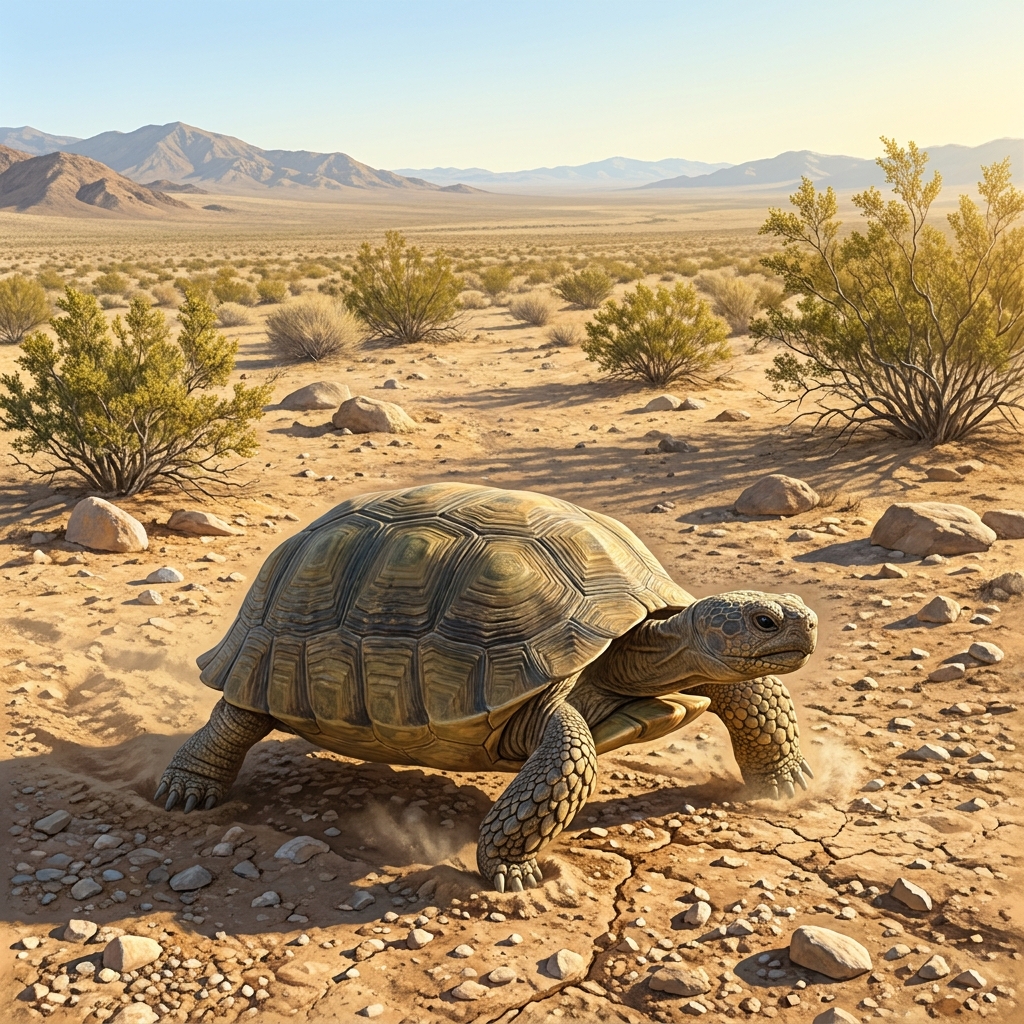
After the condor, the worked example moves to a desert tortoise. Here the lesson makes a distinction I like a lot. A tortoise walking at a steady speed is, in a way, a case of balanced forces. But the moment it starts walking, the forces are unbalanced: to get going, the tortoise has to push against the ground harder than the ground pushes back. That contrast between starting and cruising is exactly where third graders get confused, and the lesson puts it front and center instead of hoping they’ll notice.
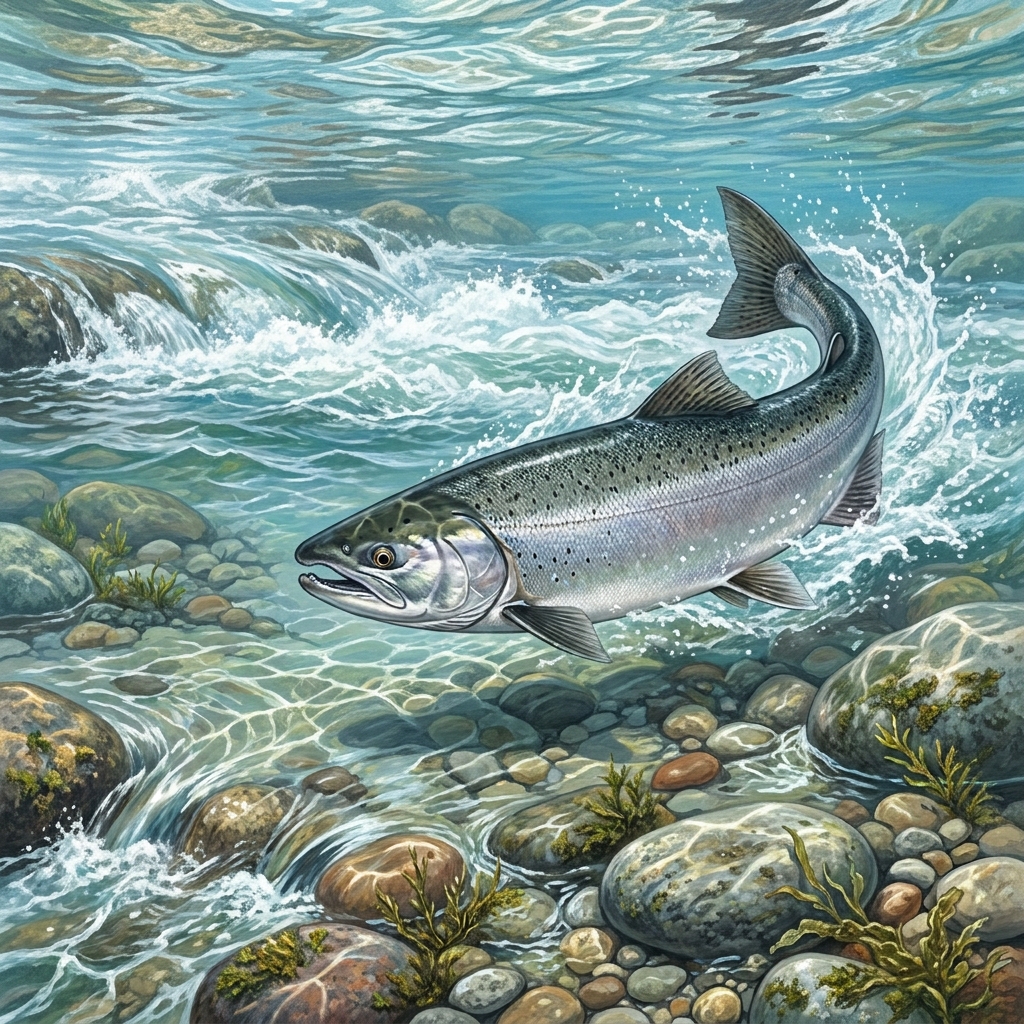
Then students take a turn themselves with guided practice on a mountain stream, analyzing what the water and the forces in it are doing. The lesson closes the loop with a real-world reason to care: park rangers use these ideas to predict how trees might fall after a storm, which keeps visitors safe. For kids in fire and storm country, that lands.
Three vocabulary terms carry the lesson:
- force: a push or a pull that acts on an object
- balanced forces: forces equal in size and opposite in direction, so the object’s motion does not change
- unbalanced forces: forces that are not equal, which causes an object to change its motion
Where students slip is the word “change.” Many of them hear “balanced” and think it only means “sitting still,” so the steady-walking tortoise throws them. Watch for that on the practice items, and if a student argues that anything moving must have unbalanced forces, go back to the tortoise and ask what changes once it’s up to speed.
One honest caveat. The standard says plan and conduct an investigation, and no screen fully does that. This lesson builds the concept and the language students need to explain evidence, but it isn’t a substitute for actually rolling a toy car down a ramp and pushing it from both sides. If you can find even twenty minutes afterward for something hands-on, students will arrive at it ready to describe what they see with the right words, which is half the battle in third grade.
If the calendar has already beaten you this year, the third grade balanced and unbalanced forces lesson is a solid way to make sure no one leaves third grade without meeting the condor on the ledge.
Related lessons
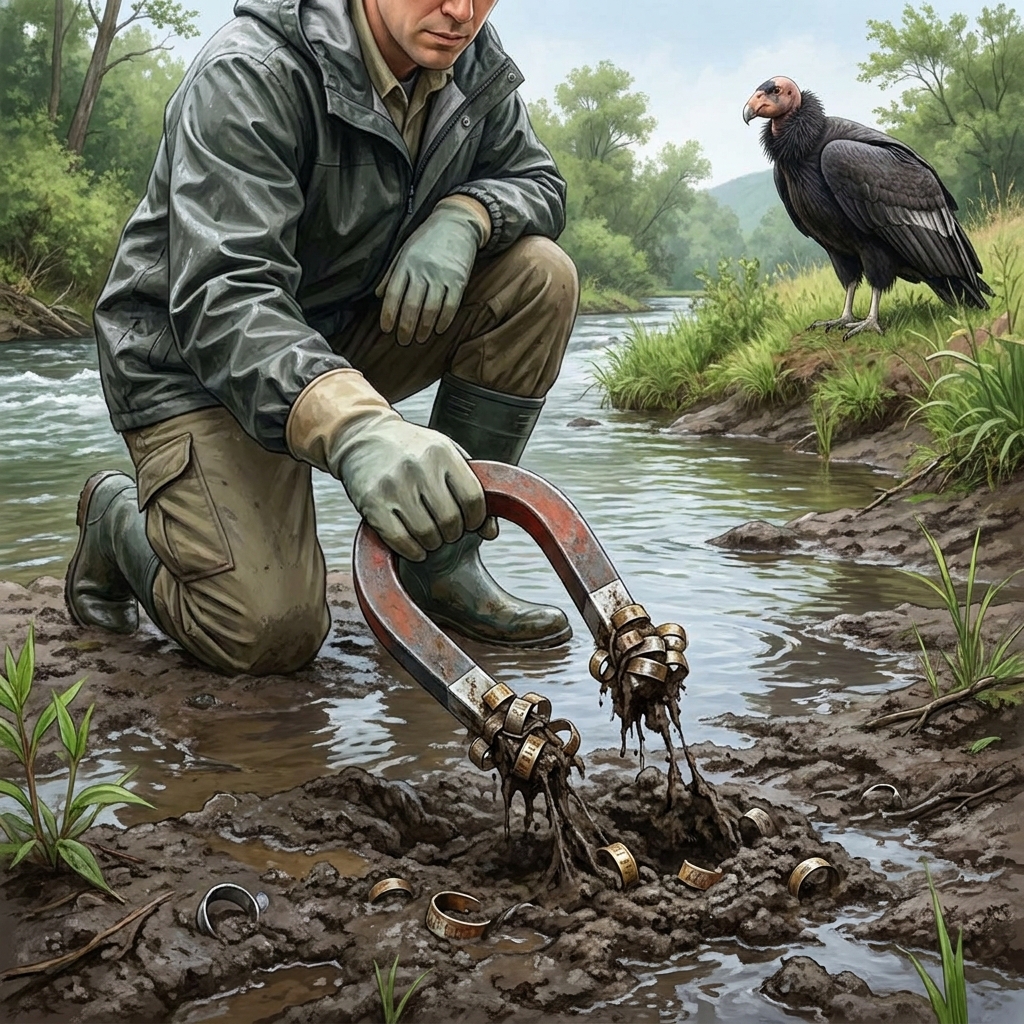
Using Magnets to Solve Problems, Applying what students know about magnets to solve practical problems
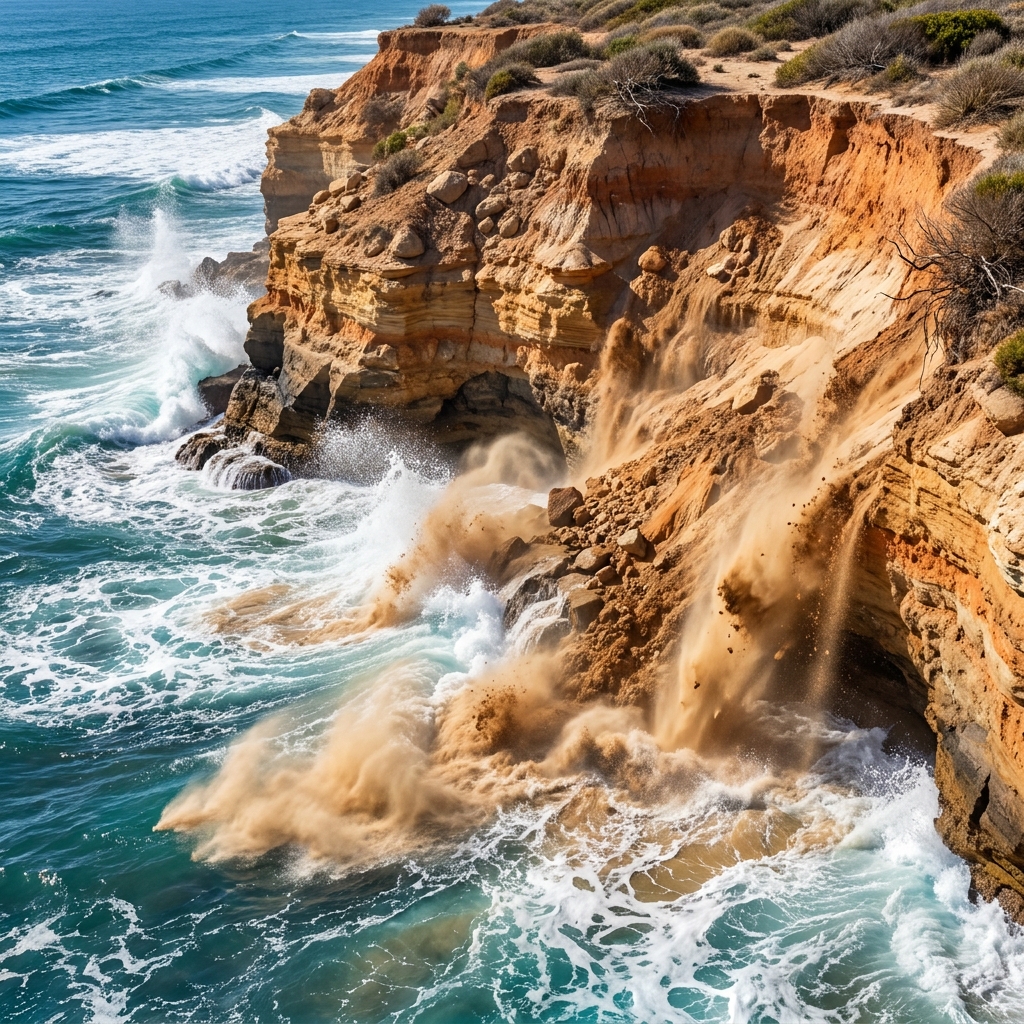
Forces That Shape Our California Home, Forces at work shaping the land and places across California
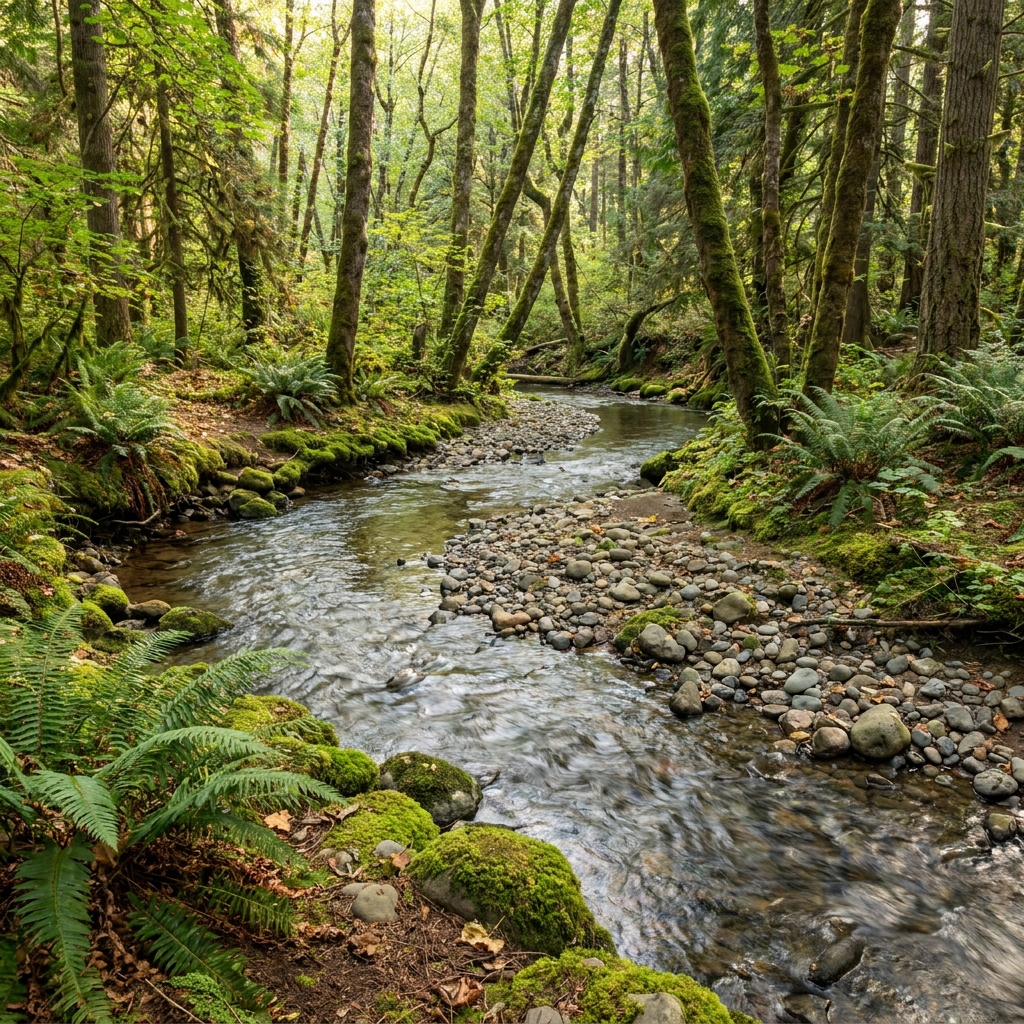
Predicting Motion in California Ecosystems, Using patterns to predict how things move in California ecosystems