

This one is for the sixth grade science team, especially anyone who has been putting off the reproduction standard because the textbook version is mostly diagrams and very few animals. Reproduction Strategies in Nature runs about 45 minutes. It uses organisms our students can actually picture, and it asks for an argument instead of a memorized definition. Those are my reasons for putting it on next week’s plan.
Quick framing for anyone new to the team: this is a middle school life science lesson built around one core idea, reproductive success. The objective is for students to explain how specific animal behaviors and plant structures help living things reproduce in California ecosystems. The short version is a pair of questions kids will enjoy: why does a bird dance, and why are some seeds sticky.
What the lesson asks students to do
It opens in the Eastern Sierra, rugged and open country, with a male sage grouse puffing out his chest and dancing to attract a female. That opener works because it is a little funny. Sixth graders will laugh, and then they will have a concrete behavior to reason about for the rest of the period.
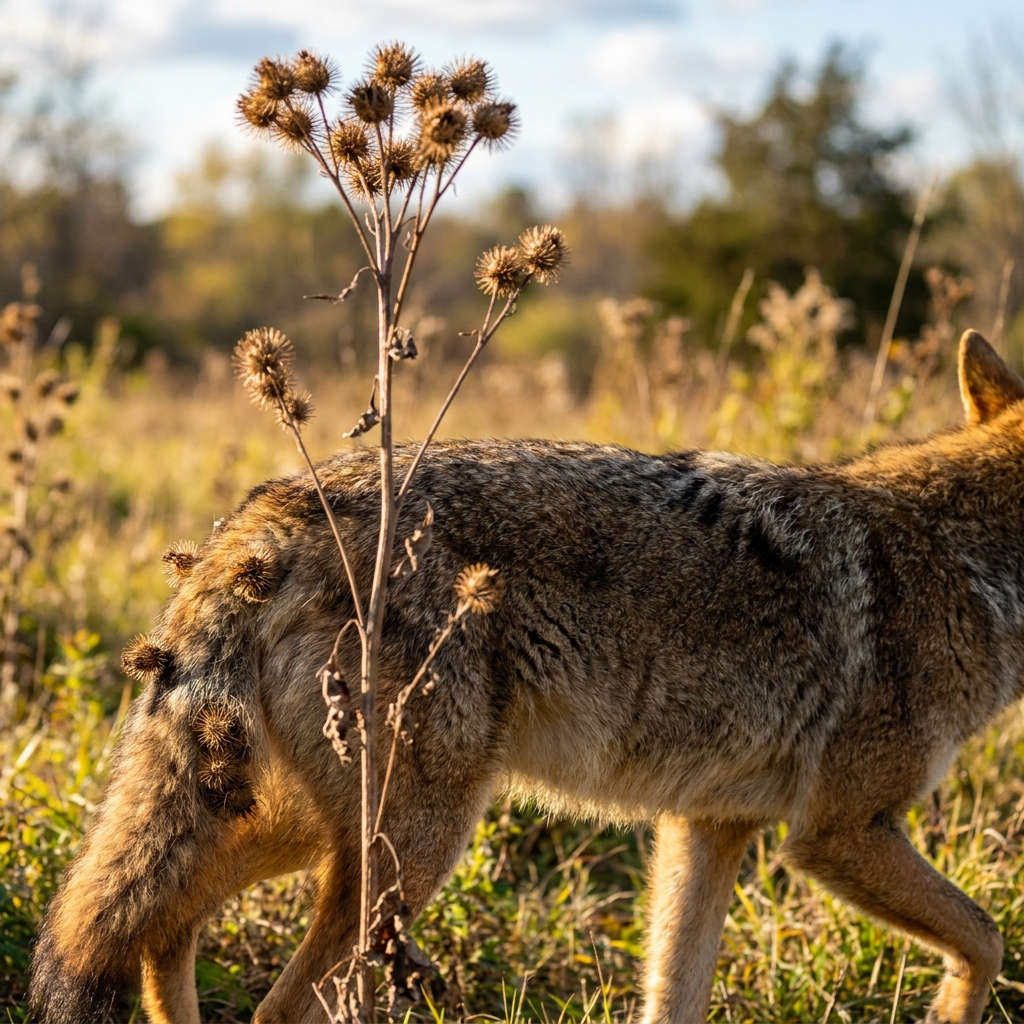
The worked example switches to plants. A plant has sticky burrs that cling to the fur of a passing coyote, the coyote carries the seeds somewhere new, and the seeds grow there. The lesson names the payoff plainly: the structure helps the plant spread its offspring to new areas. Then guided practice hands the reasoning to students with the Snow Plant, which grows in the forest, and asks them to apply the same thinking to a new phenomenon.
Three vocabulary terms carry the lesson:
- Reproductive success: passing genes to the next generation through offspring that survive to reproduce themselves
- Pollination: pollen moving from one flower to another so the plant can make seeds
- Courtship behavior: actions like dancing or competing that signal health and strength to attract a mate
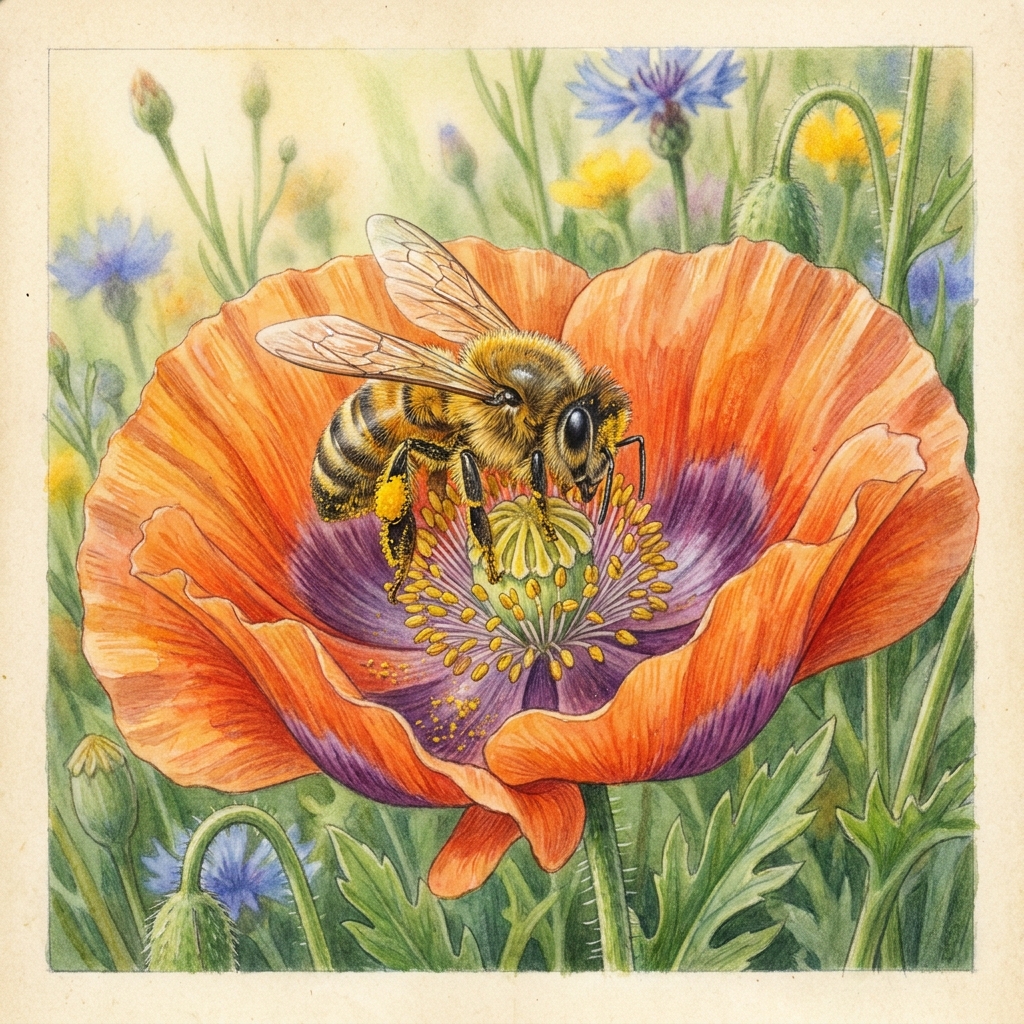
One caveat. Pollination is in the vocabulary, but the worked example is about seed dispersal, not pollen. I would add one sentence of your own connecting the two so students do not walk out thinking burrs and pollination are the same thing.
The standard behind it
The lesson is aligned to MS-LS1-4, a California NGSS standard in the Life Science domain, under From Molecules to Organisms. It asks students to use evidence and scientific reasoning to argue how characteristic animal behaviors and specialized plant structures affect the probability of successful reproduction. I keep coming back to the word probability. The standard is not asking whether a grouse can reproduce without dancing. It is asking how the dance changes the odds.
The same lesson page also lists CA.MS-LS1-4, which is the California framing of that same expectation. What it adds is context: California teaches middle school science as an integrated model and ties standards to California phenomena. That is why the lesson leans on the Eastern Sierra, coyotes, and our Mediterranean climate of wet winters and long, dry summers, which forces plants and animals to time reproduction around scarce water.
Sixth graders in Desert Sands Unified, Clovis Unified, Mill Valley Elementary School District and Union Elementary School District are working toward this exact standard too, since MS-LS1-4 reads the same in every California district.
What to listen for while they work
The most common slip is intent. A student will say the grouse dances “because he wants babies.” That is not wrong, exactly, but it skips the science. Listen for students who connect the behavior to a mate’s choice: the dance signals strength, so a female is more likely to pick him. That is the move from a story to an argument.
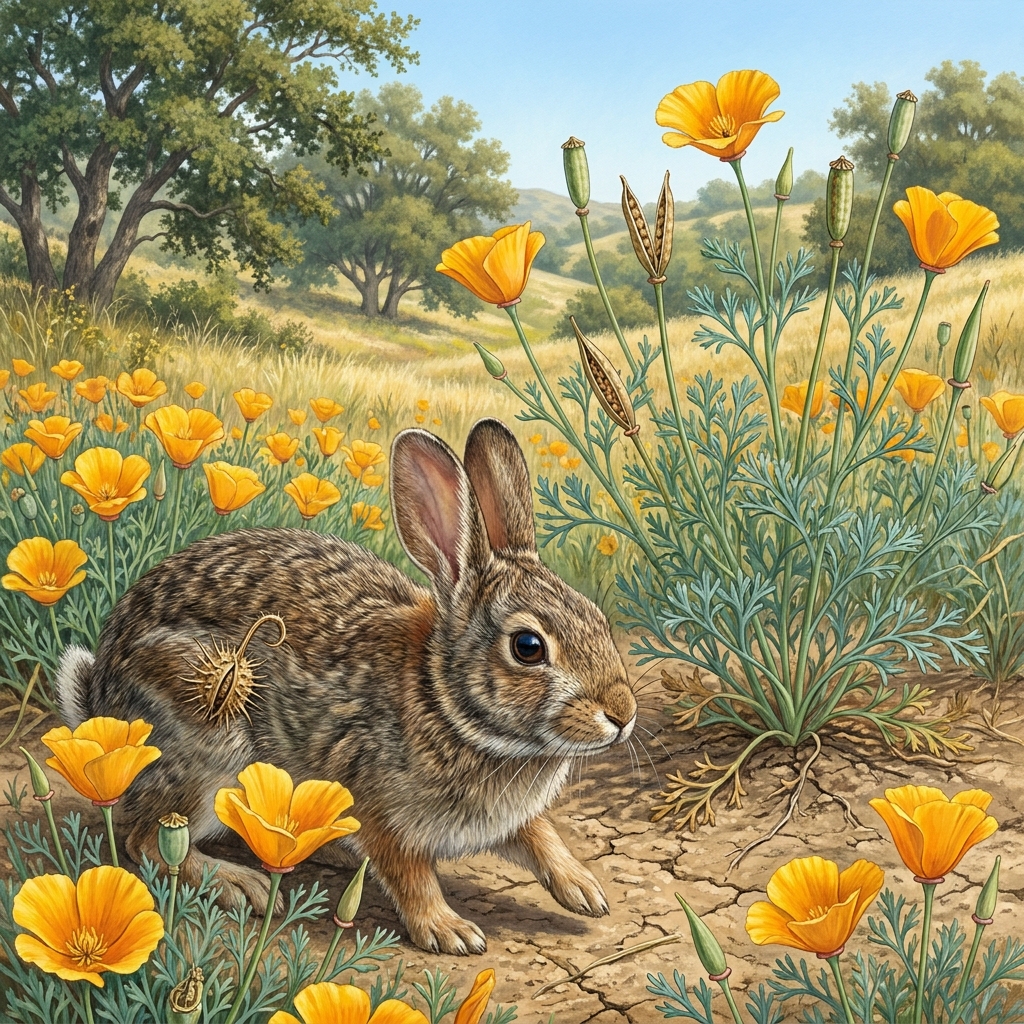
With the burrs, listen for whether students name the result. “It helps the plant” is vague. “It moves seeds to new places where they can grow” is evidence tied to a claim.
During the Snow Plant practice, the question I would circulate with is simple: what structure or behavior are you pointing to, and how does it change the chances of offspring? If a student can answer both halves, they have the standard.
The why-it-matters section brings in conservation biologists, who study these needs to protect endangered species. Push students to finish the thought: if we know how a plant is pollinated, we know which part of its environment to protect.
Fitting it into the week
I would run it as a whole-class lesson early in the week, then come back to the Snow Plant on Thursday and have students write a short claim, evidence and reasoning paragraph without support. That second pass tells you more than the first.
It also works well for a student who missed the week, because the 45 minutes are self-contained and the examples do not depend on earlier labs. For independent study, the Snow Plant writing makes a clean checkable product.
If you are pulling it up during planning, search for this sixth grade reproduction strategies science lesson and read the grouse opener first. Decide before Monday where your pollination sentence goes.
Related lessons
How Plants Grow: Genes and Environments, How genes and environmental conditions together shape plant growth
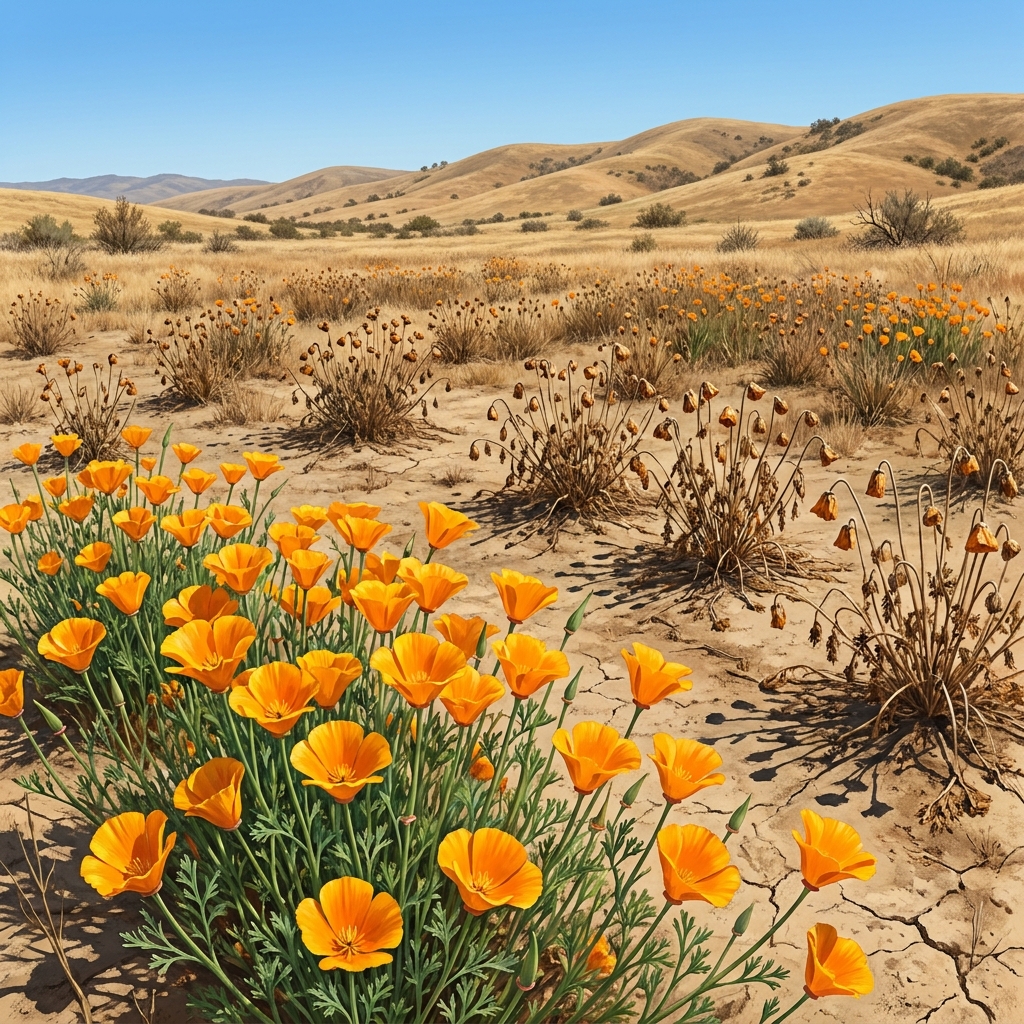
Survival and Genetic Variation, How genetic variation within a population connects to survival
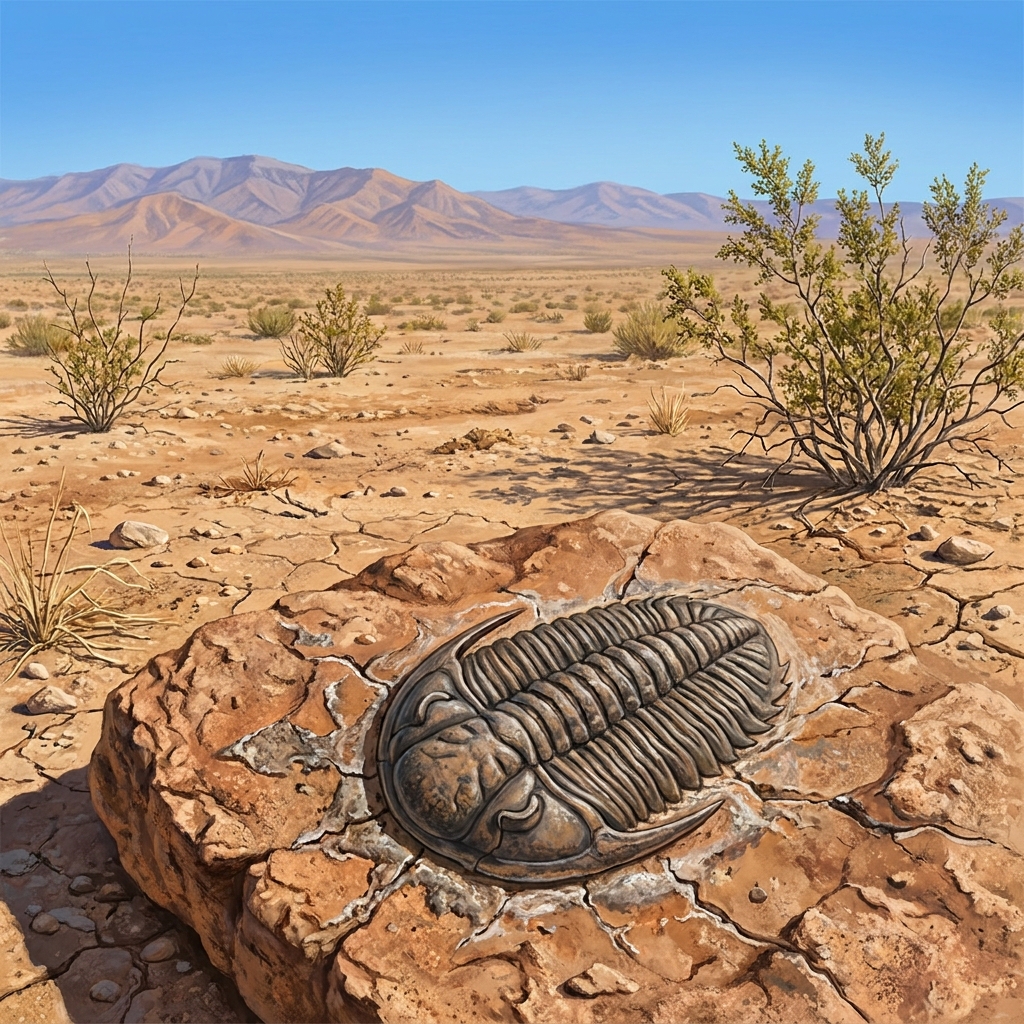
Reading the History of Life in Rocks, Reading rock layers as a record of life's history