

Team, this one is worth penciling into the industrialization week.
Growth and Change in 19th Century America is an eighth grade social studies lesson that runs about 45 minutes. It sits in the US History: Growth and Conflict course, and its core concept is urbanization. It asks students to connect three things we usually teach as separate bullet points: cities growing, factories growing, and immigrants arriving to work in both. I like it because it refuses to keep those apart, and that is the thinking our eighth graders need most at this point in the year.
What the lesson asks students to do
The stated objective is plain: understand how urbanization, industrialization and immigration transformed American society. The lesson opens by defining urbanization as a population shift from rural areas to cities, then gives students a number they can hold onto. Chicago went from 300,000 residents in 1870 to 1,600,000 by 1900. That is more than five times bigger in thirty years, and I would stop on that figure for a minute before moving on.
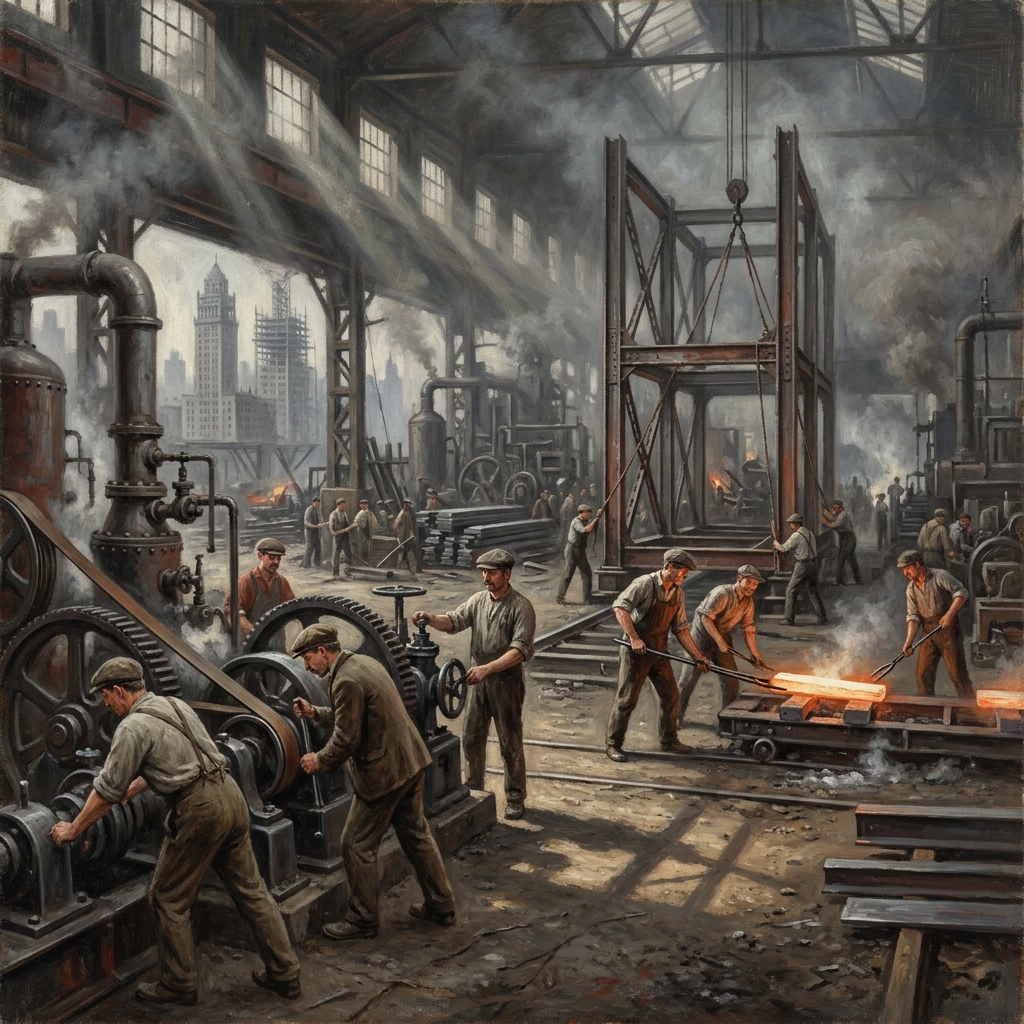
The worked example puts students in a steel mill. Immigrants ran the heavy machinery, the mills made the steel for railroads and skyscrapers, and so immigrant labor becomes part of how industrialization actually happened. It is a short causal chain, and students get to see it modeled before they try one themselves.
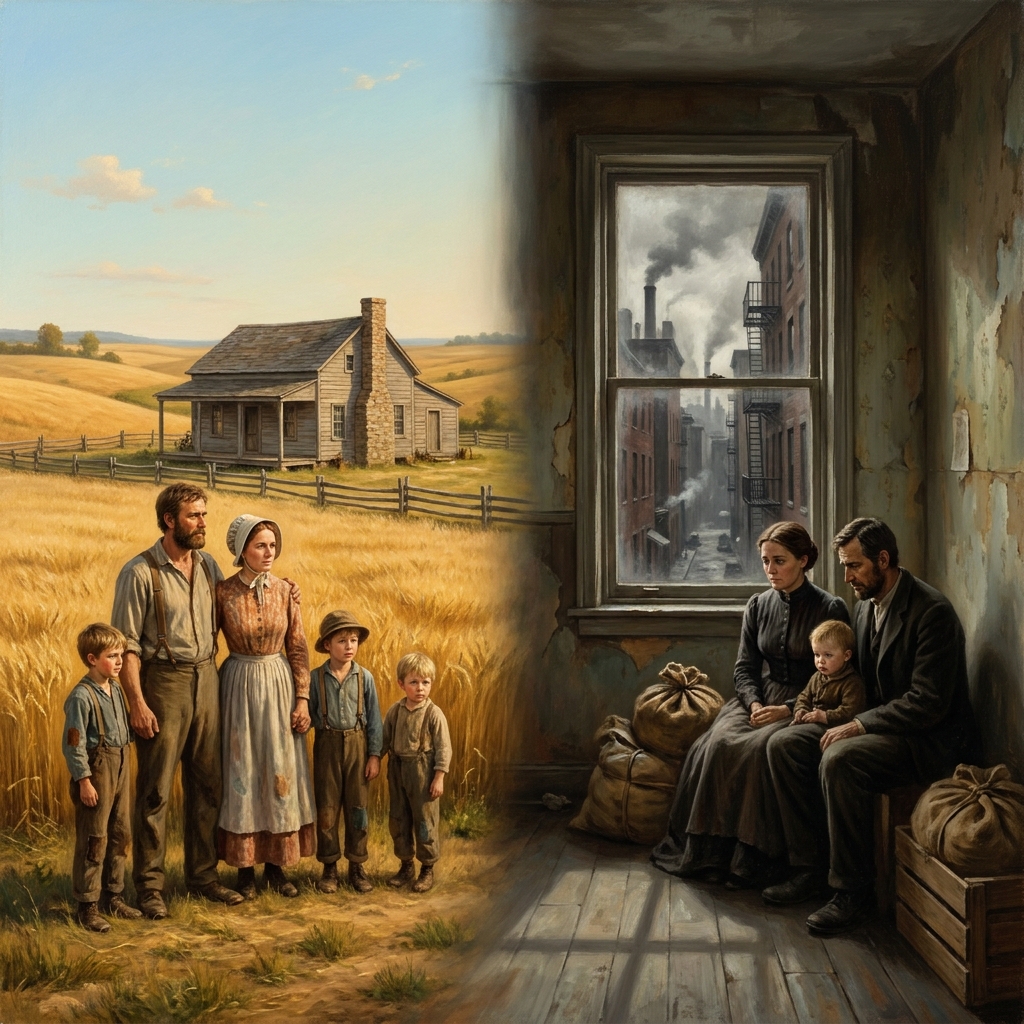
Guided practice turns to economic opportunity, meaning the chance to improve your finances and quality of life through work. Factory wages were unavailable back home for many immigrants, and that pull explains a lot of the move to cities. Then the lesson complicates it. It introduces the wealth gap, the unequal split of assets and income between classes, with industrialists thriving while laborers struggled day to day. The closing piece ties all of this to the parks, factories and housing in cities today.
The standard behind it
The lesson is built on CA.HSS-8.12.5, part of the California History-Social Science standards. In my words, it asks students to look at where urbanization, renewed immigration and industrialization happened and what they did to people: to the social fabric of cities, to wealth and economic opportunity, and to the conservation movement. It belongs to the larger 8.12 cluster on how the Industrial Revolution reshaped the American economy and its social and political conditions. Eighth graders in Capistrano Unified, Desert Sands Unified, Pasadena Unified and Linden Unified are working toward this exact standard, since it reads the same in every California classroom.
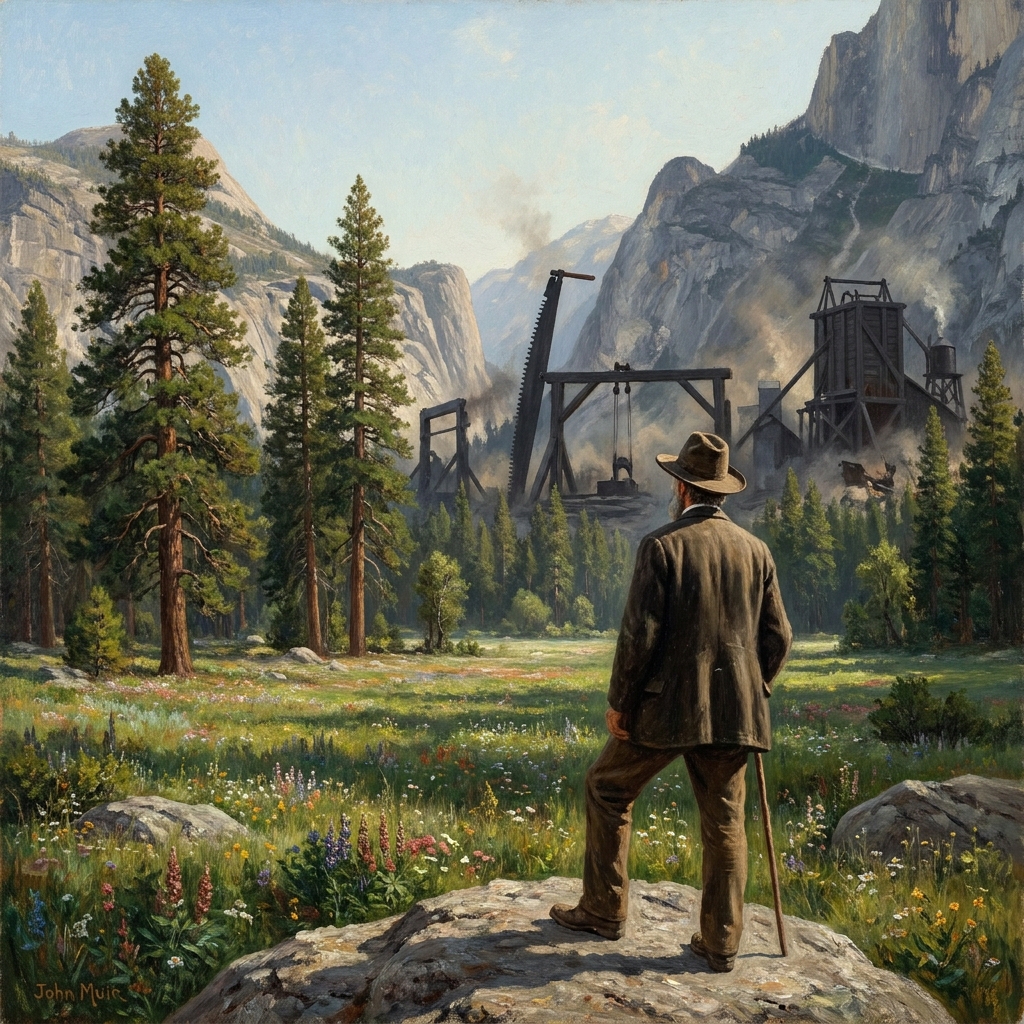
One honest caveat. The lesson leans hard on cities, labor and wealth, and that is where its strength is. The conservation movement, which the standard lists as an example, is not where the lesson spends its time, so if you want students ready for that piece, plan a short add-on of your own.
What to listen for while they work
Listen for students who treat the three forces as a list. If a student says “there was urbanization, and also immigration, and also factories,” they have the nouns without the connections. Push them back to the steel mill: who worked there, what did it build, why did that make the city grow?
The second thing to listen for is a one-sided answer about opportunity. Some students will decide the city was a great deal for immigrants. Others will decide it was pure exploitation. The lesson holds both at once (real wages, real hardship, a stark gap at the top), and the better answers will too. I would ask a pair to argue each side for a minute and then reconcile.
Vocabulary worth posting on the board:
- urbanization
- industrialization
- economic opportunity
- wealth gap
- social fabric
“Social fabric” is the one that trips kids up. Have them name a neighborhood institution they actually use before they try to define it.
Fitting it into the week
For most of us this works best as a whole-class assignment early in the week, so the Chicago numbers and the wealth gap idea are in place before primary sources and longer writing. At 45 minutes it fills a period without crowding out a warm-up.
It also holds up well for a student who missed the week, because the opener, worked example and guided practice build on each other without needing your lecture first. Independent study teachers can assign it as is. If anyone is searching the catalog later, it comes up as an eighth grade urbanization and immigration lesson.
My suggestion for the exit ticket: one sentence explaining why Chicago grew so fast, using the word immigrant and the word factory. If they can write that sentence, the lesson did its job.
Related lessons
Foundations of American Self-Government, The roots and principles of self-government in America
The Role of a Free Press in Democracy, Why a free press matters to a working democracy
Expansion and Conflict: Texas and the Mexican-American War, Texas, westward expansion, and the conflict of the Mexican-American War