

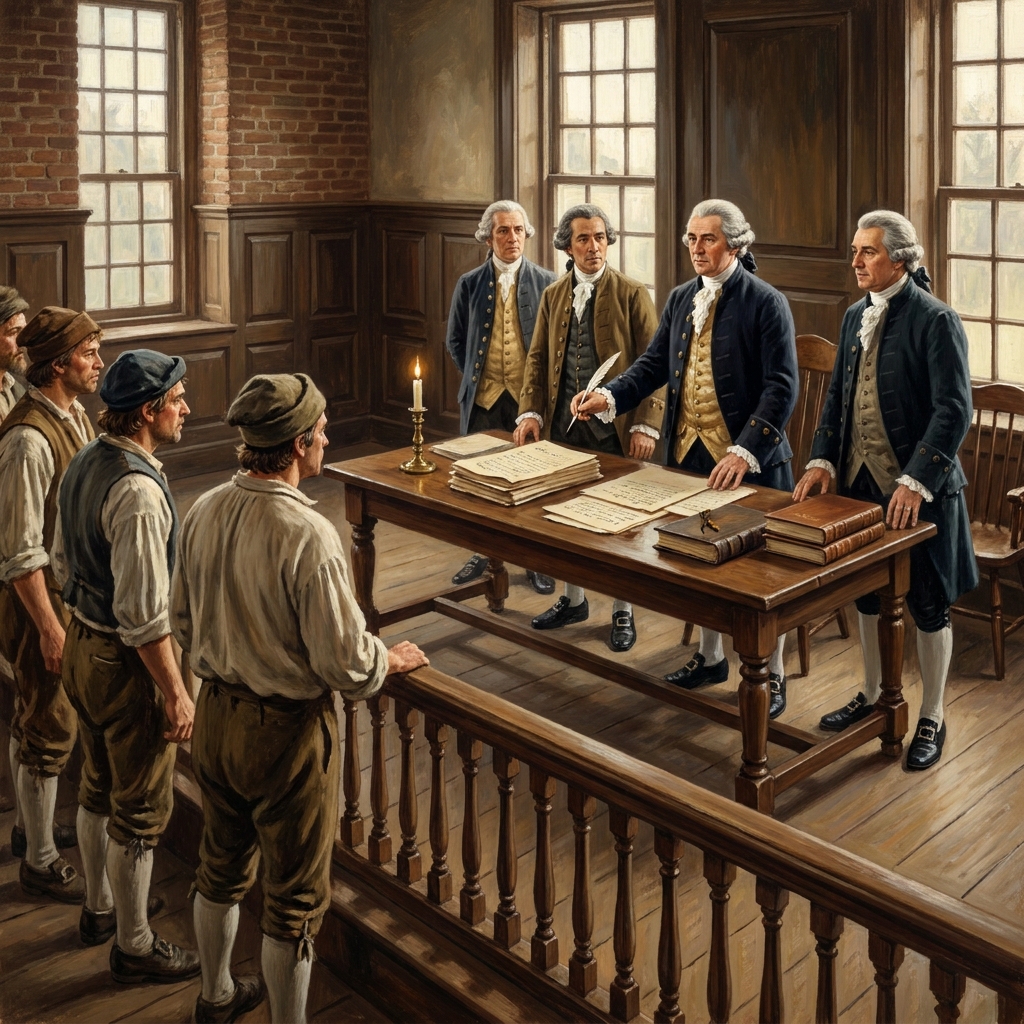
When you start your eleventh grade US history class, you face a familiar challenge. You need to get students to look past the myths of the founding era and start thinking like historians. It is the perfect time to introduce Founding Ideals and Realities. This lesson sets the stage for a critical look at the United States History and Geography: Continuity and Change in the Twentieth Century course by focusing on the contradictions inherent in our founding documents.
Students in Porterville Unified, Santa Ana Unified, Lucerne Valley Unified, and Laton Joint Unified all work toward this same California-adopted standard, and this lesson provides the exact tools they need to grapple with that work.
What this standard expects of your students
The standard CA.HSS-11.1 asks students to perform specific intellectual tasks. First, it requires them to analyze significant events in the founding of the nation. This is not just memorizing dates or knowing who was in the room when the quill hit the parchment. It requires students to understand the context and the stakes of those events. Second, it asks them to analyze the attempts to realize the philosophy of government described in the Declaration of Independence. When you look at that standard, you see it demands that students stop viewing the founding period as a static image and start viewing it as an active struggle to align practice with theory.

The lesson breaks this down using three foundational terms. First, there is the concept of Natural Rights: the belief that all individuals possess fundamental rights to life, liberty, and the pursuit of happiness that no government can take away. Then, it defines the Social Contract as an agreement where people give up some of their absolute freedom in exchange for government protection of their remaining rights. Finally, it introduces Chattel Slavery as a legal system where human beings are held as property, forced to work, and have no personal rights or status. These terms are not just vocabulary words for a quiz. They represent the intellectual friction that students must work through to understand the history of our government.
Using the lesson to bridge history and reality
The core objective of this high school US history founding lesson is to have students examine the difference between the goals written in the Declaration of Independence and the actual realities of life in early America. The lesson guides them through worked examples that reveal contradictions, such as the early state constitutions that claimed popular sovereignty while simultaneously excluding men who did not own property from voting. It is a sharp way to make students realize that democracy did not arrive fully formed or universally applied. This specific contradiction between the theory of popular sovereignty and the reality of voting restrictions is often a point where students stop and start asking real questions.
The lesson includes a guided practice section on Shays’ Rebellion from 1786. By focusing on farmers angry about high taxes and debt, the material demonstrates the instability under the Articles of Confederation. Students have to connect this specific event back to those broader founding ideals. The material explains that critiquing these documents remains necessary today because it helps students become informed citizens who can identify when modern laws or community rules fall short of our shared goals of justice and equality. The pedagogical strength here is that it connects the eighteenth century to the present day without feeling forced. Students have to hold two conflicting ideas in their minds at once: the beauty of the stated ideals and the ugliness of the exclusionary practices.
Practical classroom applications
You can use this lesson in a few different ways depending on your current needs. It works well as a whole-class assignment when you are introducing the unit on the founding period. It is also a smart pick for a student who missed the first week of class and needs to catch up on the conceptual framework of the course without reading an entire textbook chapter. If you are handling independent study or need an emergency plan for a substitute day, the structure of the lesson is self-contained enough that students can follow the logic of the examples and complete the analysis tasks without a lecture.
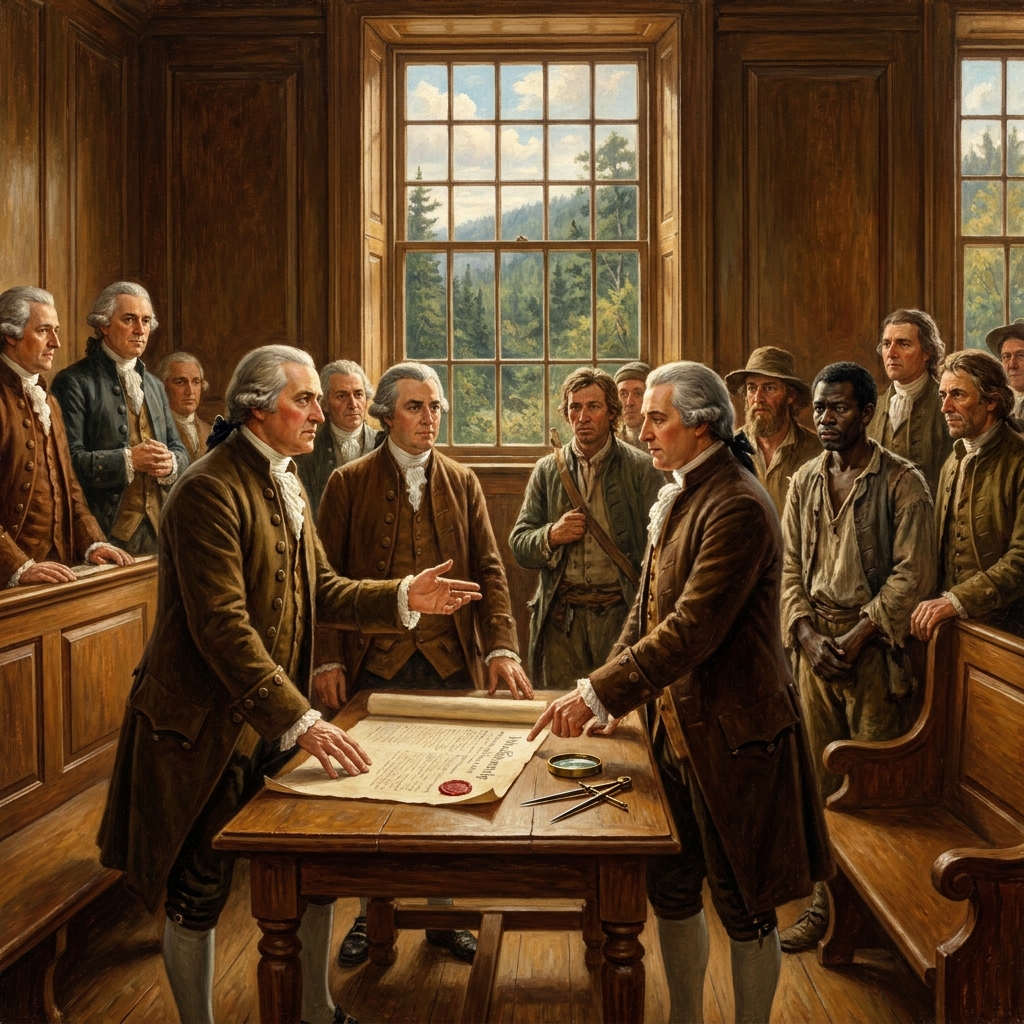
One caveat for the teacher: the lesson requires students to be willing to look at uncomfortable truths. If your students are used to a narrative that avoids the inconsistencies of the founders, they might initially struggle with the idea that the country was built on such massive contradictions. Do not rush them through the analysis of the chattel slavery definition. Give them the time to sit with the fact that these things existed in the same legal space. The structure of the lesson supports this by moving from the philosophical definitions into the specific, gritty evidence of the time. When students see that history is a process of refinement rather than a perfect start, they tend to take the subject matter more seriously.
The flow of the material is consistent. It starts with the opening idea that natural rights established a standard for justice in a new society. It moves through the evidence of failure in the early republic. It concludes by making the student the arbiter of whether our current systems actually live up to those initial claims. That is exactly where you want your juniors to be by the end of the lesson.
Related lessons
Industrial Growth and US Geography, Covers how industrial expansion changed American land use and society
Analyzing Poverty and Social Policy in Modern America, Examines social welfare programs and their impact on modern citizens

The Roots of American Rights, Traces the historical origins of legal rights in American law