

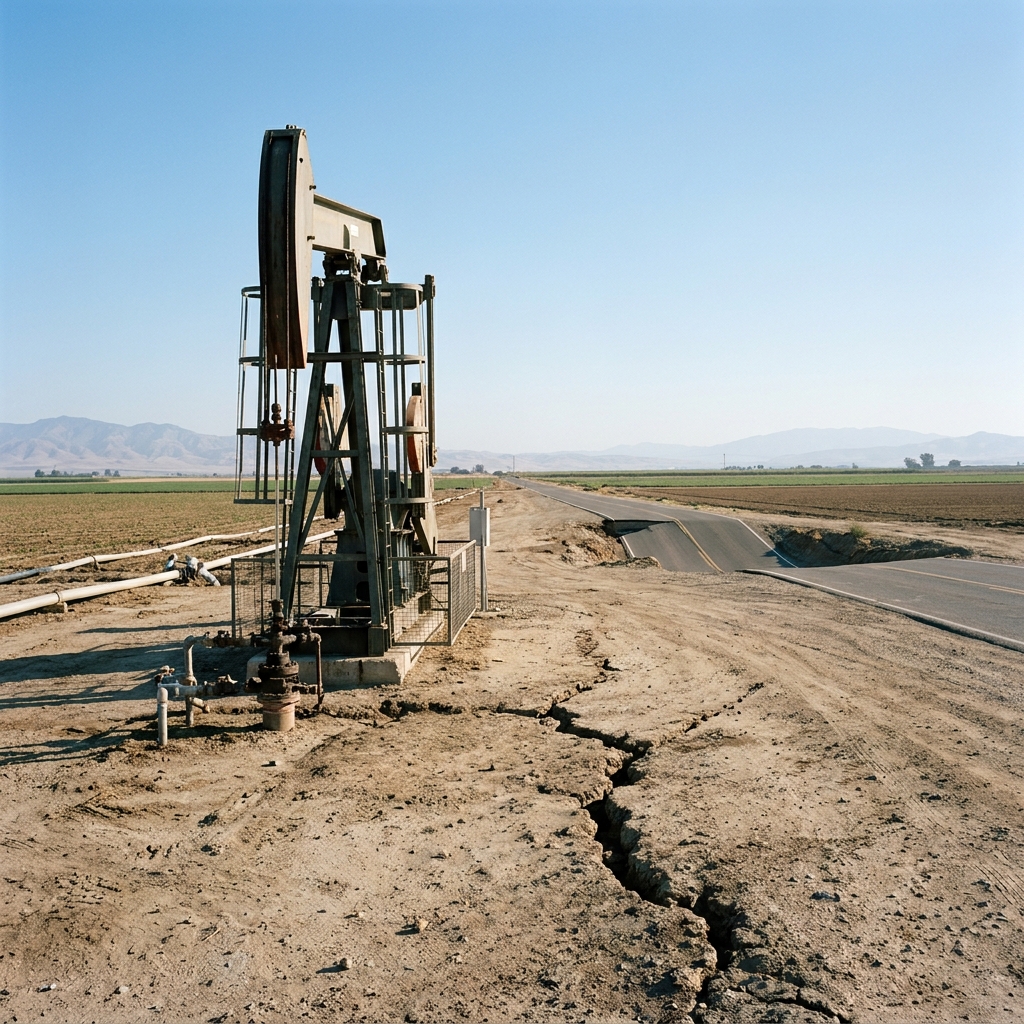
“Analyze complex interactions between California Earth systems, evaluating how human modifications to one system create cascading effects on others, including how groundwater extraction causes land subsidence affecting infrastructure, and how wildfire changes soil properties leading to increased flood risk.” When you see a standard written this specifically, you know the curriculum writers are trying to bridge the gap between abstract textbook science and the actual ground our students stand on. In our Analyzing Human Impact on California Earth Systems lesson, students are tasked with connecting the dots between human engineering choices and the physical reality of the state. It is a solid, focused 45-minute activity that works well for a high school biology or Earth science class looking to ground their ecology units in real-world consequences.
The standard CA.HS-ESS2-2.EPC is the California-specific integration of the Environmental Principles and Concepts. It asks students to move beyond identifying an environmental problem and instead trace the chain of causality from a human intervention to a secondary, often hidden, geological result. Whether you are teaching in Garden Grove Unified, Corona-Norco Unified, Vacaville Unified, or Coachella Valley Unified, this standard provides a consistent framework for showing students that humans are not observers of Earth systems, but active components within them. If you are looking for a high school human impact on Earth systems lesson, this is exactly what you need to put on your projector.
What the lesson actually asks students to do
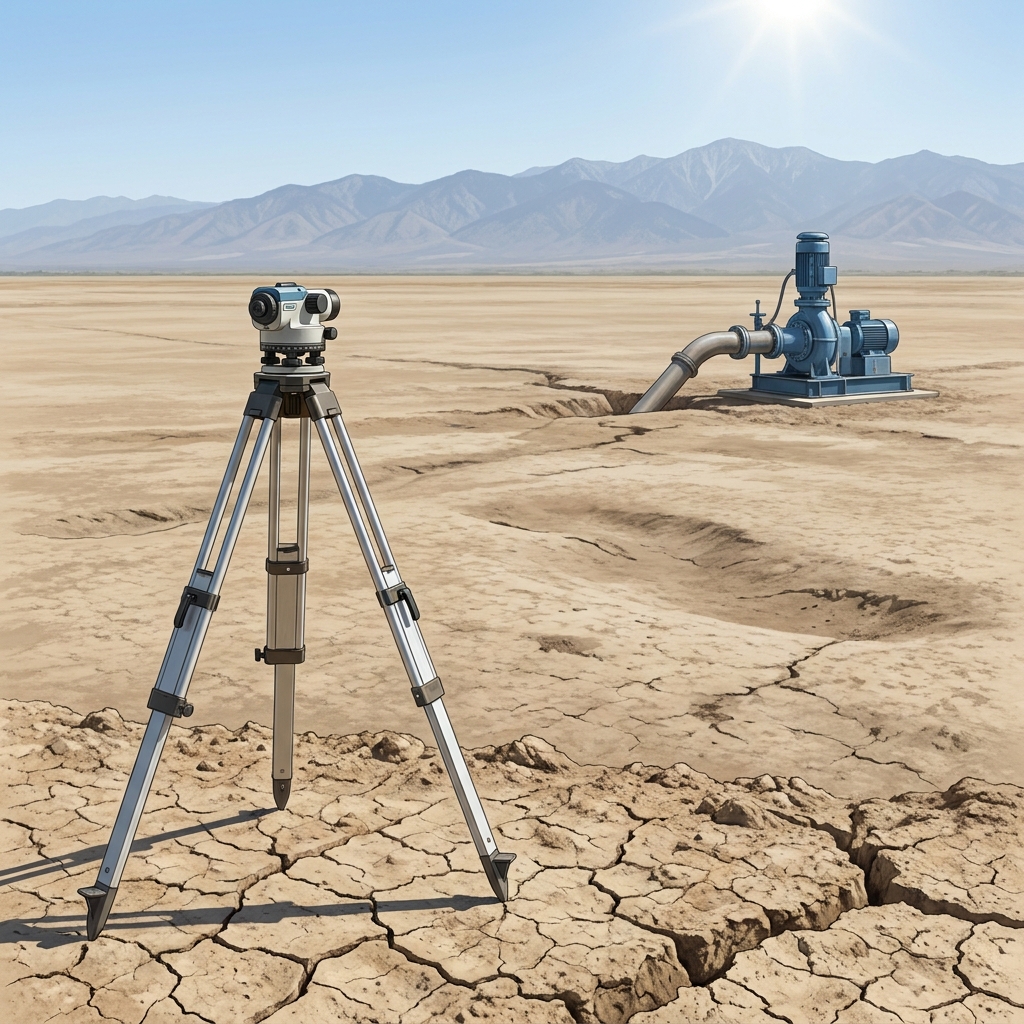
The lesson starts with a familiar scene: the Central Valley and its heavy reliance on irrigation. It uses the construction of dams as a primary example of human modification, showing how a dam intended to control river flow for agriculture simultaneously stops sediment movement and alters downstream conditions. From there, it moves into a worked example about groundwater extraction. Students look at the mechanics of pumping water from deep aquifers. The lesson clarifies that when you empty the space underground, the ground above literally settles. This is defined as land subsidence.
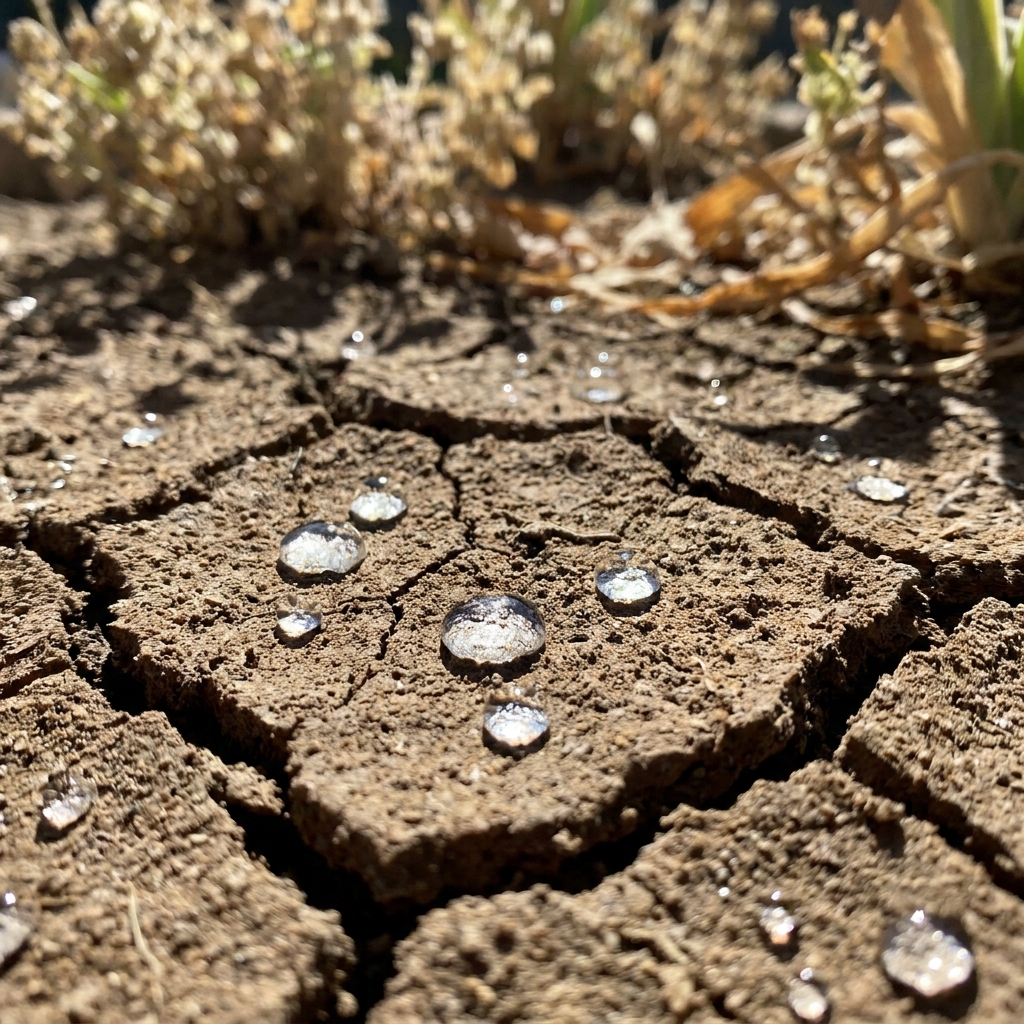
The guided practice introduces the Sierra Nevada watershed, often called the water towers of California. Students analyze how wildfire events change the physical properties of the soil. When soil becomes hydrophobic, it stops absorbing water, which then changes the hydrological health of the entire watershed. It is a great moment for students to realize that a fire high in the mountains is not just a localized disaster; it is a major disruption to the seasonal water supply for the communities below. Your students will encounter terms like:
- Groundwater extraction
- Land subsidence
- Hydrophobic
- Cascading effect
The lesson does a good job of keeping these terms anchored to the examples rather than treating them as definitions to memorize in a vacuum.
Why this lesson fits into your week
I recommend using this for a whole-class assignment when you are midway through a unit on environmental science or resource management. It also functions well as an independent study module for a student who missed the week, as the narrative flow is intuitive enough that they can follow the logic without needing you to stand over their shoulder for the entire 45 minutes. If you have a student who is struggling to see the relevance of biology standards to their own life in California, this is a useful pivot.
There is a specific focus here on the economic costs of infrastructure failure, which helps ground the science in a real-world stakes scenario. It avoids being preachy or overly alarmist, which I appreciate. Instead, it maintains a neutral, scientific tone that focuses on the mechanics of Earth systems. It respects the students’ intelligence by showing them the data behind why geologists and engineers are so concerned about land use.
Where students slip
The most common point of confusion I see is the transition from the physical event to the cascading effect. Students are generally good at identifying the first human action, like building a dam or pumping water, but they sometimes struggle to explain the next step in the chain. For example, they might understand that water is being pumped out, but they find it difficult to articulate why the ground then collapses or sinks. When you are circulating during the guided practice, I would listen for students who are stopping at the human action and nudge them to describe the physical outcome on the land.
You might need to remind them that this is about connections between systems. The wildfire example is great for this, but watch to ensure they understand that “hydrophobic” describes the soil’s behavior and not just the fire itself. It is a nuance, but it is the difference between having a vague idea of fire damage and understanding the actual hydrological shift. The lesson moves quickly, so encourage them to write down the sequence of events as they work through the maps and scenarios.
Reframing the curriculum
Teachers sometimes worry that teaching about human modification feels too political, but this lesson stays strictly within the bounds of the Earth systems science. It connects to the broader idea that economic stability is tethered to the health of the natural world. It is not asking for student opinions on policy; it is asking for an analysis of physical interactions. If you can help them see the Sierra Nevada watershed as a piece of infrastructure as vital as a concrete dam, you have succeeded. It is a shift in perspective that serves them well as they move into more advanced science courses or start thinking about their own path after graduation.
Related lessons
California's Natural Environment and Human Life, Examines the relationship between human society and natural environments
Evaluating California Energy Policy Trade-offs, Explores the costs and benefits of different energy sources

The Sun's Energy Engine, Details the role of solar energy in Earth systems