

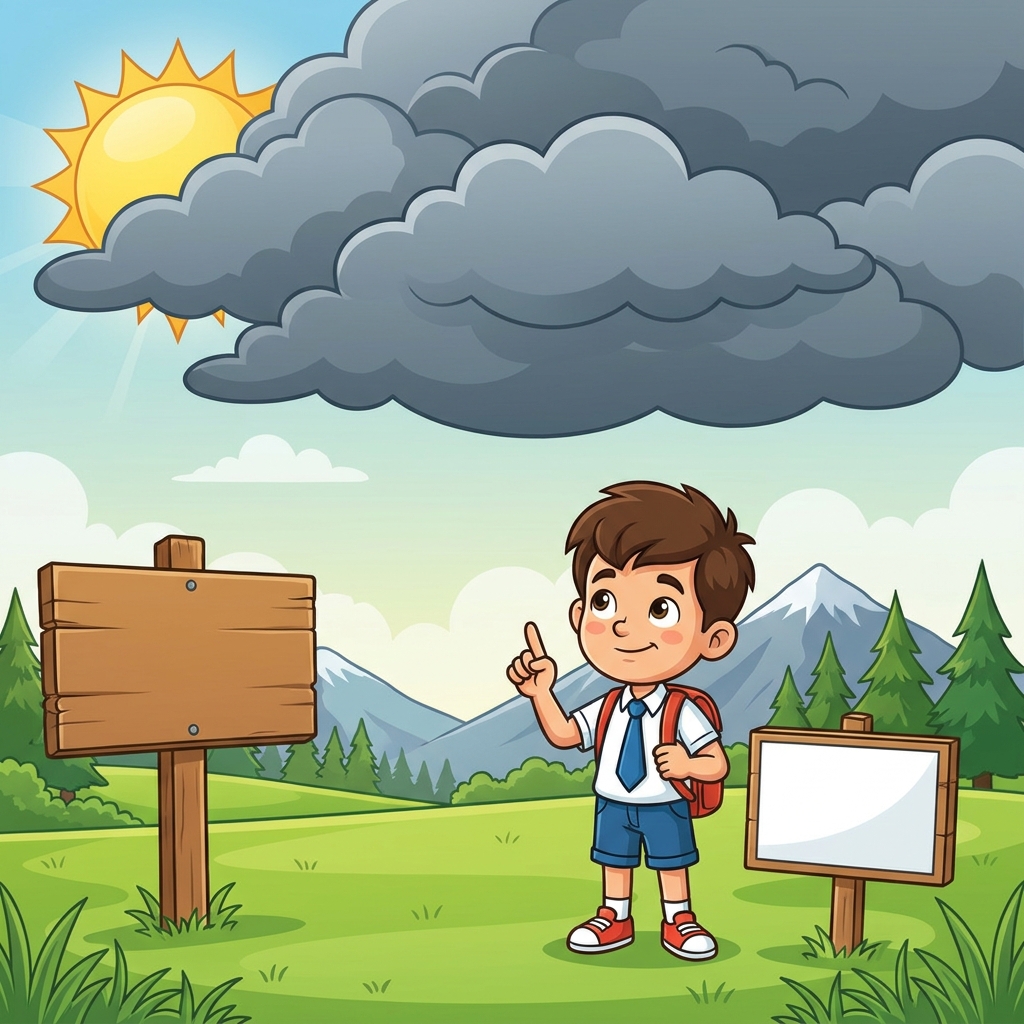
Kindergarten students often benefit from explicit instruction on how to decode visual information before tackling the written text. By focusing on illustrations first, teachers help students build the necessary confidence to engage with books and start forming logical connections between images and narrative events.
Starting the habit of looking closely
This kindergarten English language arts lesson is designed for students who are just starting to realize that books hold meaning beyond the words on the page. Guessing What Happens Next provides a structured way for your class to practice the very first stage of inference. Before kids can handle complex plot twists in novels, they need to master the art of looking at a picture and saying what they think will happen next.
Students in Riverside Unified, Folsom-Cordova Unified, Salinas City Elementary School District, and Dixon Unified use this same standard every day to build early literacy skills. It is the same standard used across the state for our youngest learners. If you have a group that gets hung up on decoding the text and ignores the visual context, this lesson is a perfect way to pivot back to reading for meaning. It works well as a whole-class activity or for a student who needs a little intervention to catch up with their peers.
Building the foundation for comprehension
The core objective here is simple: I can look at pictures to guess the story. The lesson is built around the idea that before we even touch the text, we should be using our prior knowledge to make an educated guess. Teachers often worry that students are skipping over illustrations, but this lesson forces that engagement. The material walks students through using both the illustrations and the surrounding context to form their predictions.
When you use a kindergarten prediction lesson like this, you are teaching students to connect their own lives to what they see on the page. The lesson guides them to look at a picture and ask: what do I already know about this scene? By forcing them to verbalize their thoughts, they move from passive listening to active reading.
Aligning with state expectations
This lesson directly addresses CA.ELA.RI.K.10. This California-adopted standard asks our kindergarteners to actively engage in group reading activities with purpose and understanding. The standard has two specific components that we are focusing on here. Part A expects students to activate prior knowledge related to information and events in texts, while Part B requires students to use illustrations and context to make predictions about the text itself.

If your students do not grasp this basic connection between image and event, their later ability to analyze character motivation or identify cause and effect will be shaky. I have found that students who learn to pause and predict early on are far more likely to stop and self-correct when they reach higher grades. It is a simple habit, but one that defines their experience as readers.
Practical ways to use this in class
You can fit this fifteen-minute activity into your schedule whenever you have a small gap before recess or lunch. It functions as a great refresher for a student who missed the week or as a gentle touchpoint for an independent study session. Even on a substitute day, this is a foolproof way to keep the class focused on informational text without requiring a lot of preparation.
My one caveat is that you should be prepared for some wild guesses early on. Students might try to be funny or just pick random details. Your job is to gently steer them back to the evidence in the illustration. Ask them exactly what they see in the picture that led them to their conclusion. If they are looking at a picture of a rain cloud and guessing a sunny day, ask them to point out why the rain cloud suggests heat. This logical push is where the actual learning happens. It is not about guessing correctly; it is about justifying the guess based on what is right there in front of them.
Related lessons
New Words and Word Parts, Learning how to break down words into smaller parts
My Favorite Things, Connecting personal interests to simple reading and writing tasks
Making Predictions with Stories, Using visual cues to anticipate upcoming events in stories