

By the time we reach the middle of the school year, our students are usually working through the implications of the number system. This is the period when abstract concepts begin to settle into a more concrete mental model. For a 6th grade math teacher, it is the opportune moment to firm up those specific foundational ideas that often trip students up later. This lesson, Understanding Rational Numbers on Lines and Grids, fills that gap quite well for students who need a fresh look at negative values.
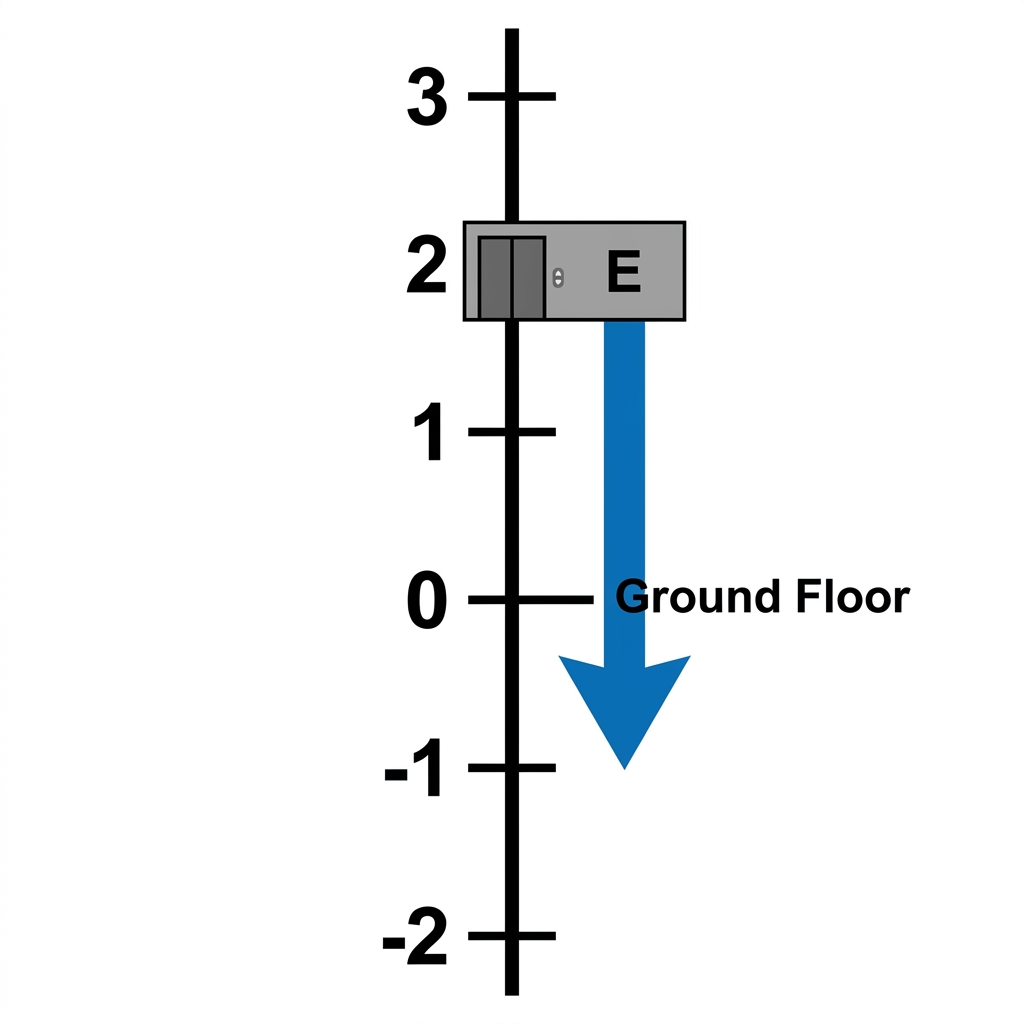
The material targets the number system, specifically focusing on how we represent rational numbers on lines and planes. A rational number is defined as any value that fits onto a number line, including positive numbers, negative numbers, and zero. The lesson kicks off by comparing a standard number line to a vertical thermometer, which makes the jump to negative values feel like a practical measurement rather than an abstract rule. I appreciate how the lesson uses an elevator scenario to ground these negatives in reality. The ground floor acts as zero, while floors above are positive and basement levels represent negative integers. If a student is standing on floor 2 and moves down 3 floors, they end up at negative 1. This is a very effective way to visualize the arithmetic that happens on a number line without needing complex equipment.
What the lesson asks students to do
This content is mapped directly to CA.MATH.6.NS.6c. This is the California-adopted standard which requires that students define a rational number as a specific point on a line. The standard asks that students extend their number line diagrams and coordinate axes, which they likely saw in earlier grades, to represent points using negative number coordinates. They must find and position integers and rational numbers on both horizontal and vertical lines, as well as plot pairs of these numbers on a coordinate plane. Students across the state in districts such as Temecula Valley Unified, Bakersfield City School District, Orinda Union School District, and Napa Valley Unified use the same standard to build this mathematical foundation.
When you search for an effective 6th grade number system lesson, you want something that explains why these tools matter to the outside world. The lesson explains that GPS systems rely on coordinate grids to help people locate positions on a map. It points out that pilots and sailors use these coordinates to travel across the globe. Because rational coordinates exist between grid lines, they allow for precise mapping. This precision ensures that every specific location has a unique address on the coordinate plane. Vocabulary is kept lean and focused: a rational number is a number expressible as a point on a line, and a coordinate plane is a flat surface formed by two number lines crossing at the origin.
Where students slip
The most common point of confusion for my students is often the transition from a one-dimensional line to a two-dimensional grid. When they have to move from simply finding a number on a line to plotting an ordered pair, they occasionally mix up the x and y coordinates. The guided practice in this lesson helps resolve that issue by using a treasure map scenario. Students have to use the grid to find a hidden item. By turning the math into a spatial task, the lesson forces them to verify which axis they are moving along.
If you are managing an independent study course, planning for a substitute, or handling intervention for a student who missed the week on integers, this lesson is a reliable choice. It typically takes about 45 minutes to complete. The instructions are self-contained and clear, meaning a student can work through the thermometer examples and the treasure map practice without constant check-ins from the teacher. It provides a structured flow that is easy to evaluate once the student turns it in. It is not an overwhelming amount of content, but it is valuable work for a student who needs to catch up or needs more time to internalize how rational numbers populate the coordinate plane.
Related lessons
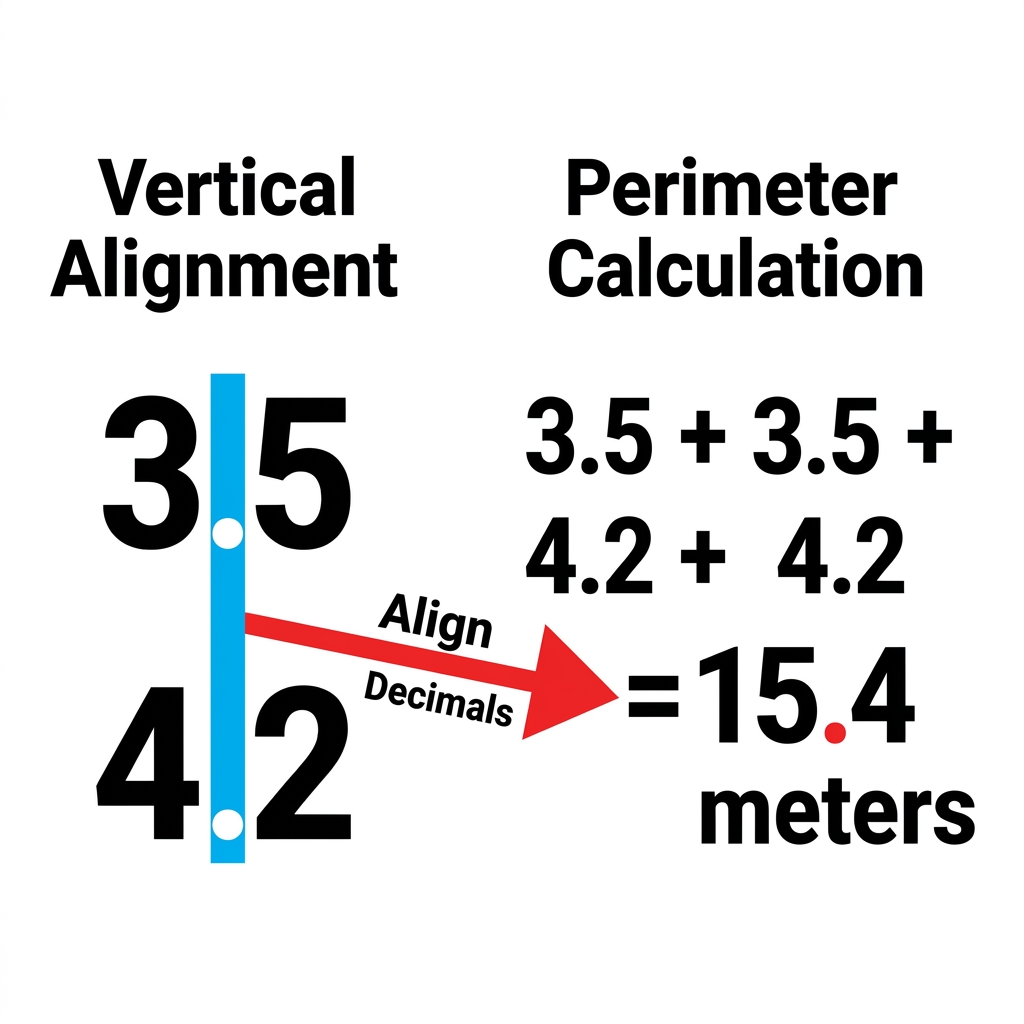
Mastering Decimal Operations, Covers arithmetic operations involving decimals for sixth grade students
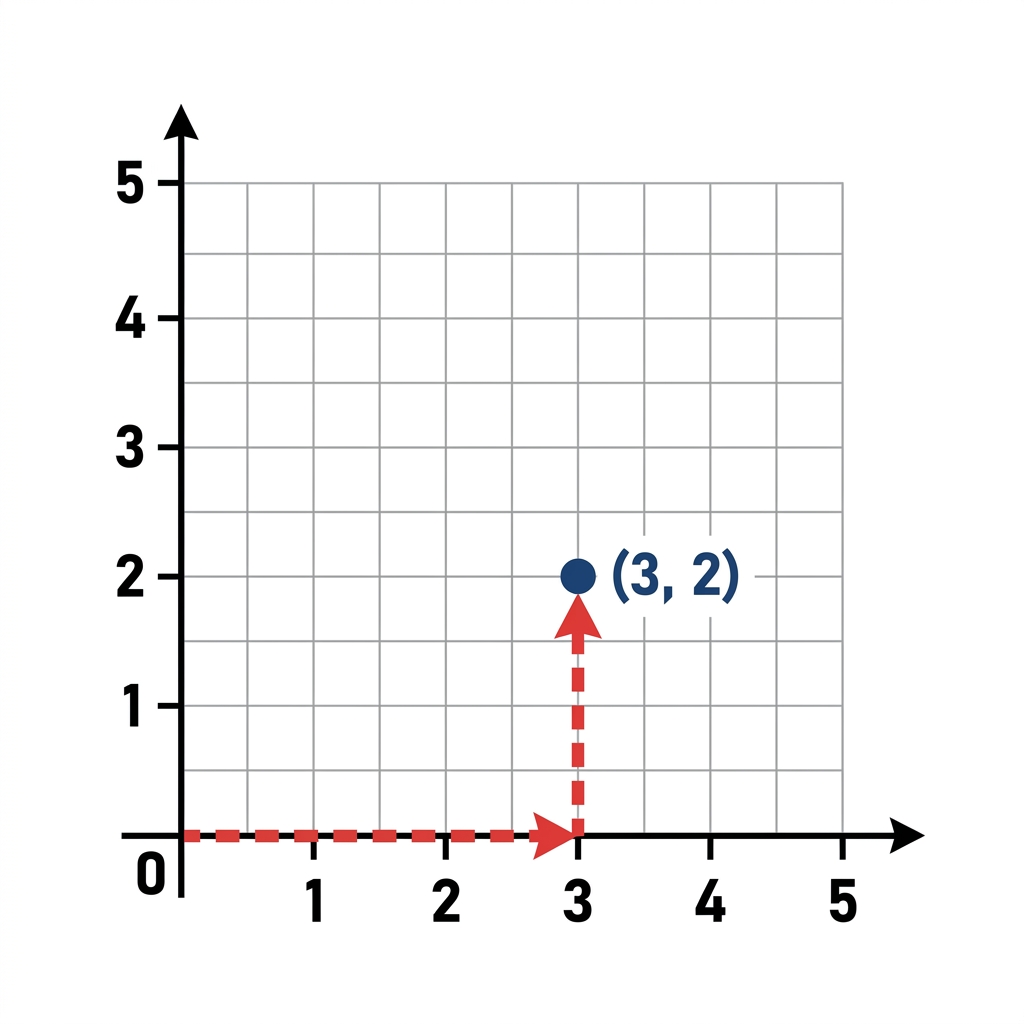
Exploring the Coordinate Plane, Introduces the structure and reading of the coordinate plane
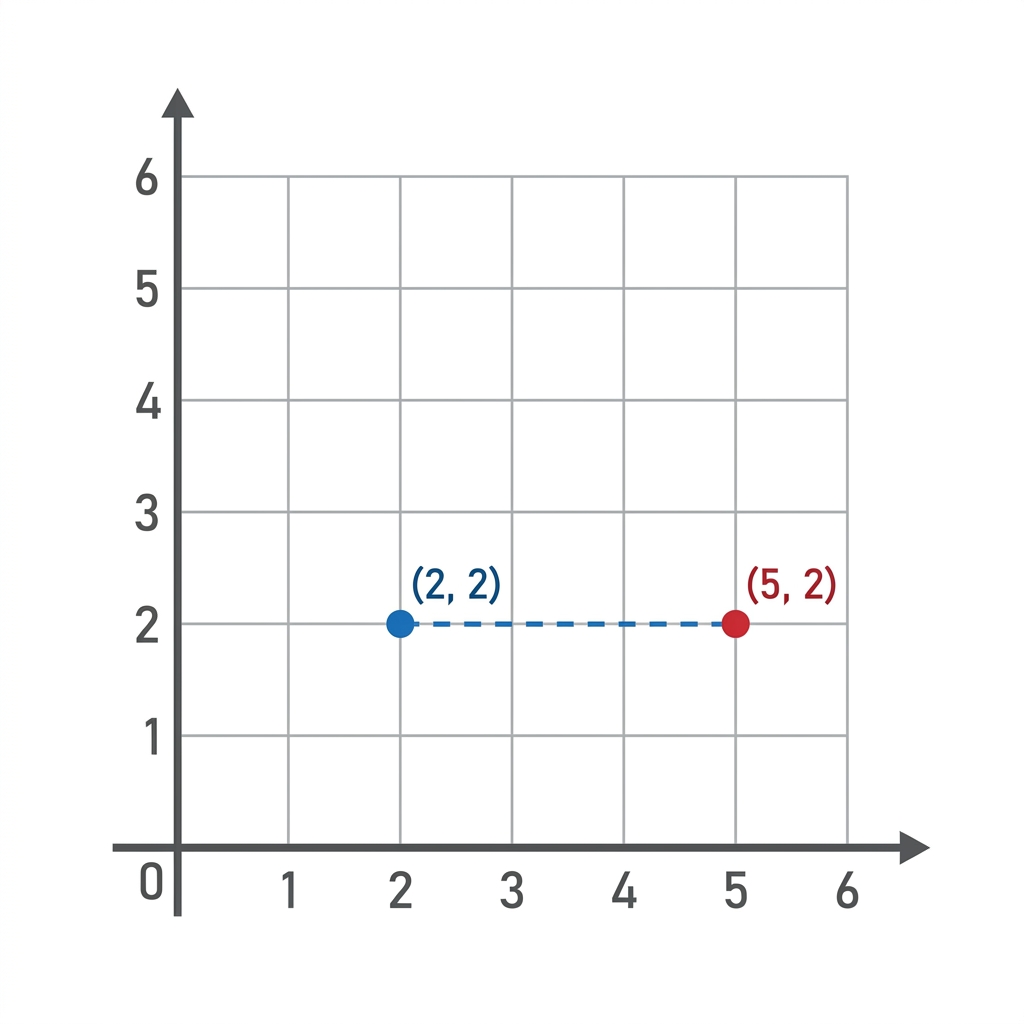
Mapping Points and Distances on a Coordinate Plane, Focuses on finding distances between points on a grid