


Develop a model to describe how food is rearranged through chemical reactions forming new molecules that support growth and/or release energy as this matter moves through an organism. This is the text of MS-LS1-7, and it sounds heavy, but it is just a formal way of saying we need to show students how lunch becomes muscles. In my years teaching 6th grade science, the hardest part is getting kids to see food as building material rather than just calories or flavor. When you use How Food Powers Your Body, you get a clean framework for that transition.
This 6th grade science lesson covers the core concept of chemical reactions in organisms. It defines a molecule as a tiny particle made of atoms that acts as a building block for matter, and a chemical reaction as a process where atoms in molecules are rearranged to form new substances. It also introduces cellular respiration, which it defines as the process inside cells where food molecules, such as glucose, are broken down with oxygen to release energy. The lesson uses a caterpillar as a prime example of growth. The caterpillar consumes a leaf, breaks down the molecules, and then rearranges those atoms to build its own body mass. It is a simple, effective model that shows how the matter in an ecosystem moves from plant to consumer.
What the lesson asks of students
The standard asks students to do more than just memorize the definition of a chemical reaction. It asks them to build a model. This is where many of my colleagues find the real challenge. You are not just asking a student to identify the parts of a cell. You are asking them to describe the motion of atoms. The lesson helps by using the familiar example of a campfire. It explains that when wood burns, the wood molecules react with oxygen in the air to release energy as heat and light. This provides a mental anchor for the kids before they shift to biological processes. By starting with something they can see, you prepare them to visualize what is happening inside their own cells when they eat.

The standard, which is California-adopted and part of the integrated approach to middle school science, is consistent across the state. It is taught in exactly the same way in Desert Sands Unified, San Juan Unified, Murrieta Valley Unified, and the classrooms of Saddleback Valley Unified. The lesson breaks the concept down into specific phases. First, students look at the input, then the reaction, and finally the output, which is either new biological mass or energy. This creates a logical flow that prevents the topic from feeling like a random collection of biology facts.
Where students slip
I have found that the most common mistake students make is ignoring the atoms. They often think that food just disappears when it is used for energy, or that it magically turns into fat or muscle without a rearrangement process. This middle school life science lesson addresses this by focusing on the rearrangement of atoms. When you guide them through the caterpillar example, emphasize that the atoms from the leaf did not vanish. They became the building blocks of the caterpillar. Once a student grasps that matter is conserved during these reactions, the logic of cellular respiration starts to make sense. It is no longer a abstract term to memorize but a physical necessity for existence.
The vocabulary is kept tight. You have molecule, chemical reaction, and cellular respiration. These three words carry the weight of the entire lesson. I suggest keeping these on the board the entire time. If a student can use those words to explain why a salmon needs energy to migrate upstream, they have met the standard. The guided practice moves them from the caterpillar example to this migratory scenario, which helps them apply the model to a real-world phenomenon.
When to use this lesson
This is a great candidate for a whole-class assignment when you are introducing the unit on chemical reactions. It is also excellent for independent study or as a make-up session for a student who missed the week of direct instruction. The 45-minute pacing is realistic, and it does not require a complex lab setup. It is a conceptual lesson that relies on clear diagrams and logical scaffolding. If you have a student struggling with the abstract nature of how humans gain mass or energy, this is the place to start. It moves away from the diet-culture version of nutrition and sticks to the chemistry of life, which is a much more productive conversation for a science classroom.
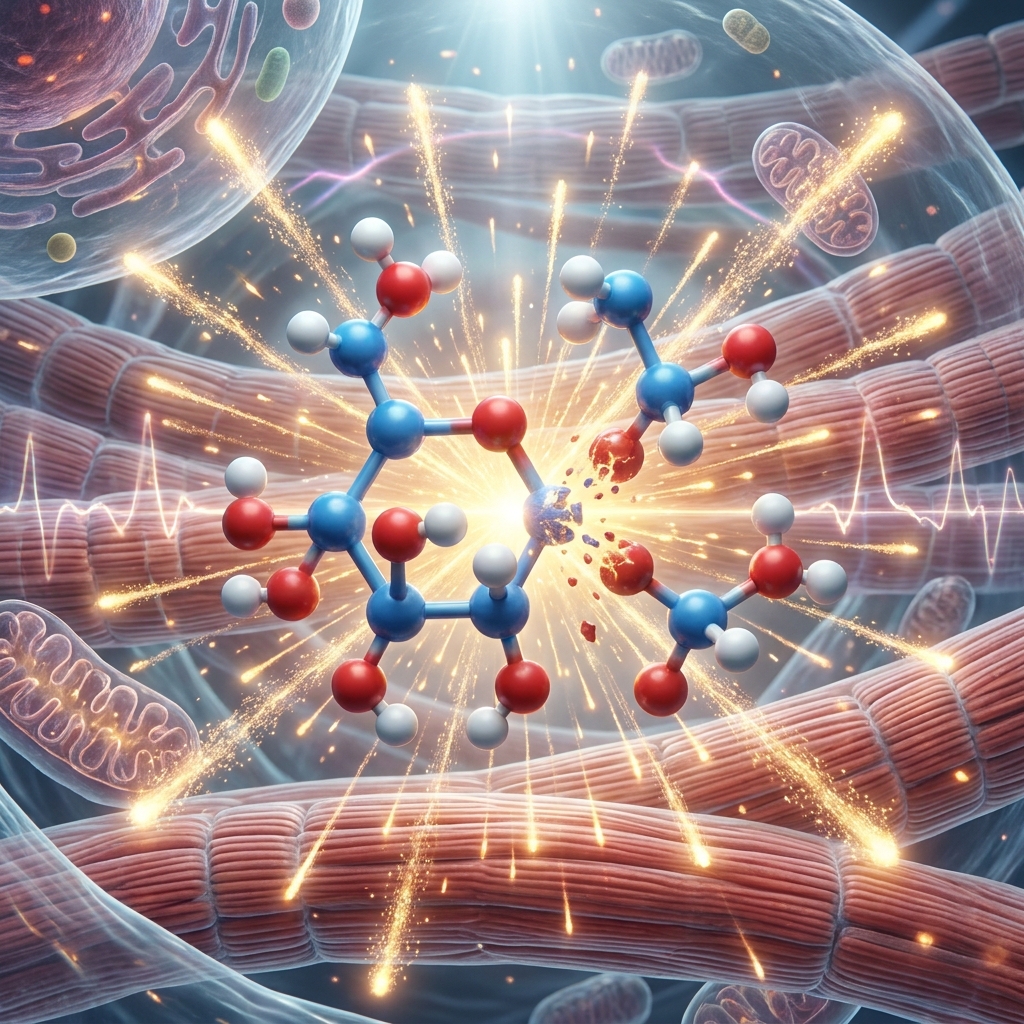
The materials are straightforward. You do not need to hunt for extra resources or digital tools to make it work. The explanation of why this matters is also practical. By linking the chemical reactions to the work of a nutritionist, the lesson grounds the science in a potential career path. It shows that understanding how your body turns atoms into energy is a skill that people use to stay strong and healthy every day.
Related lessons
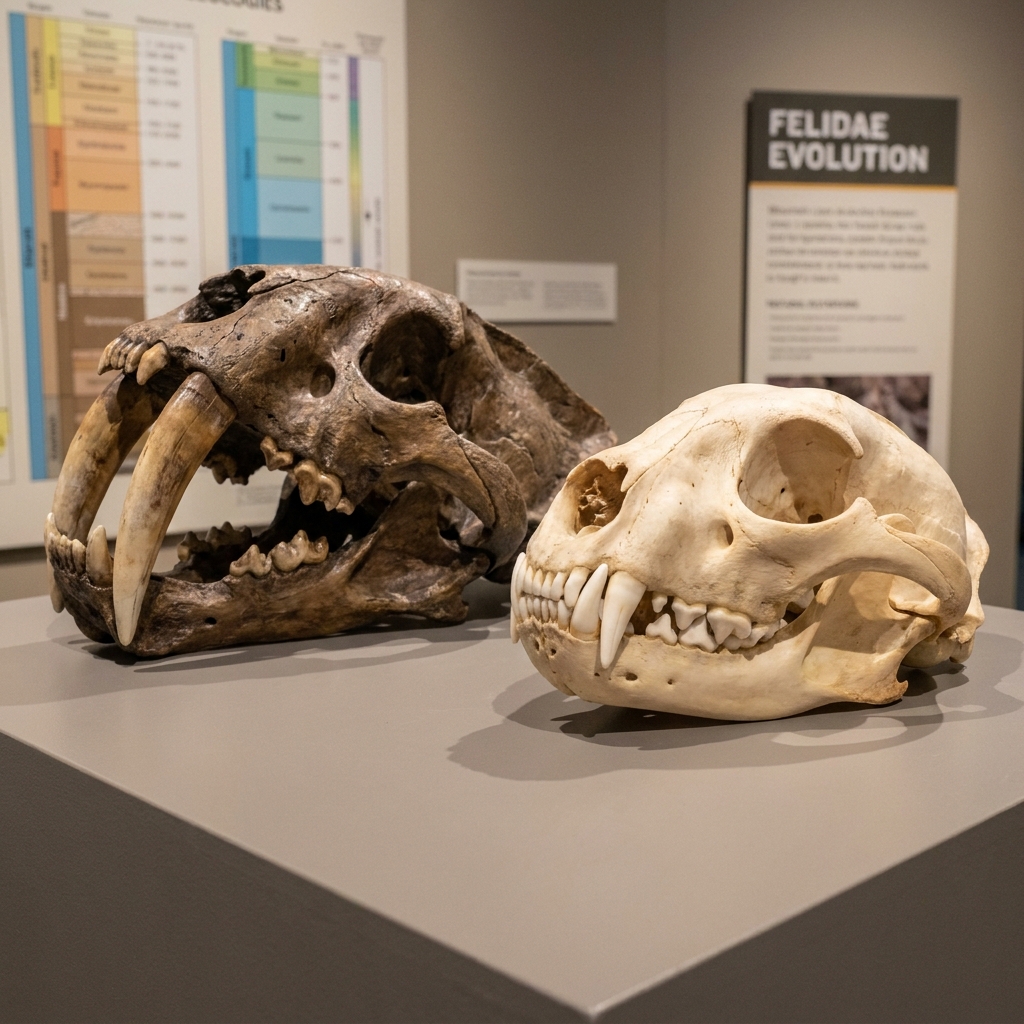
Comparing Anatomy to Understand Evolution, Comparing physical structures to understand how species evolved over time

Embryos and Evolution, Studying early development stages to track common evolutionary traits
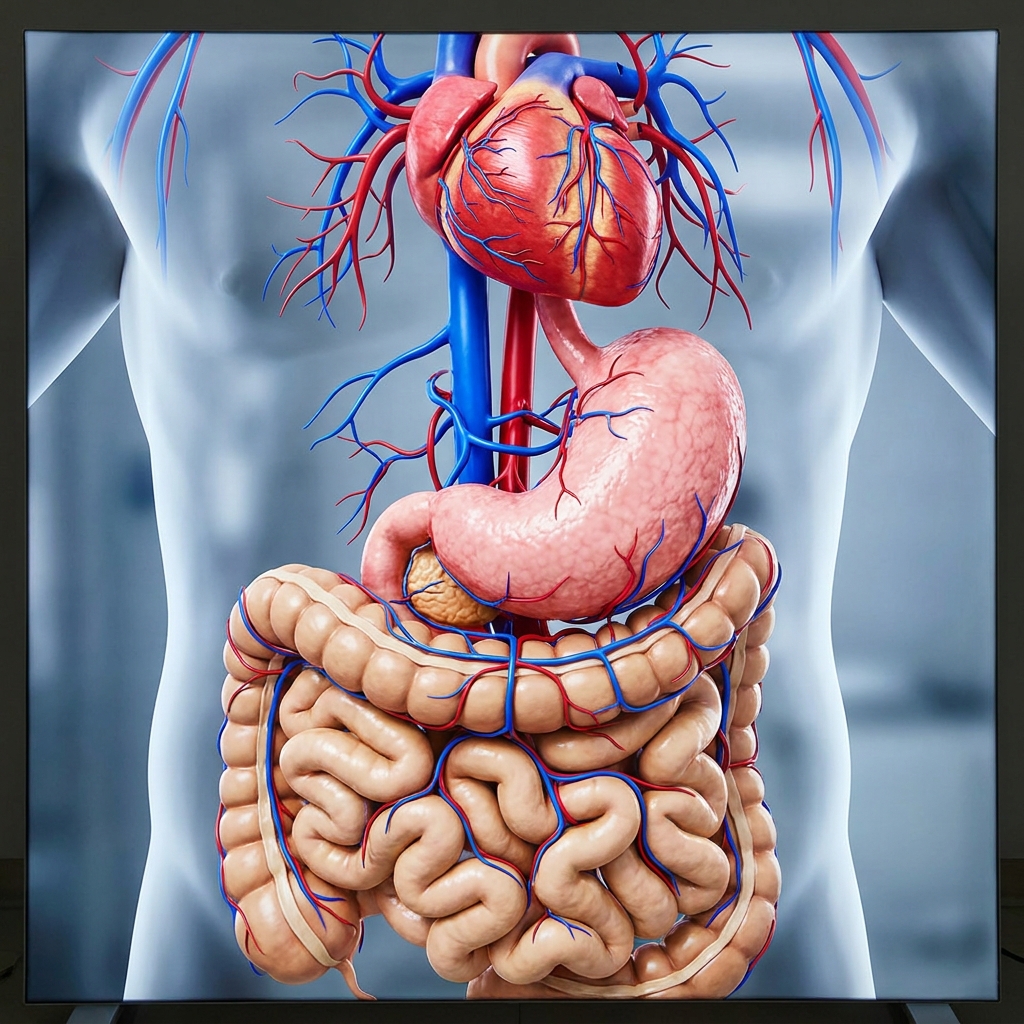
The Human Body as a System, Explaining how individual organs work together for bodily function