

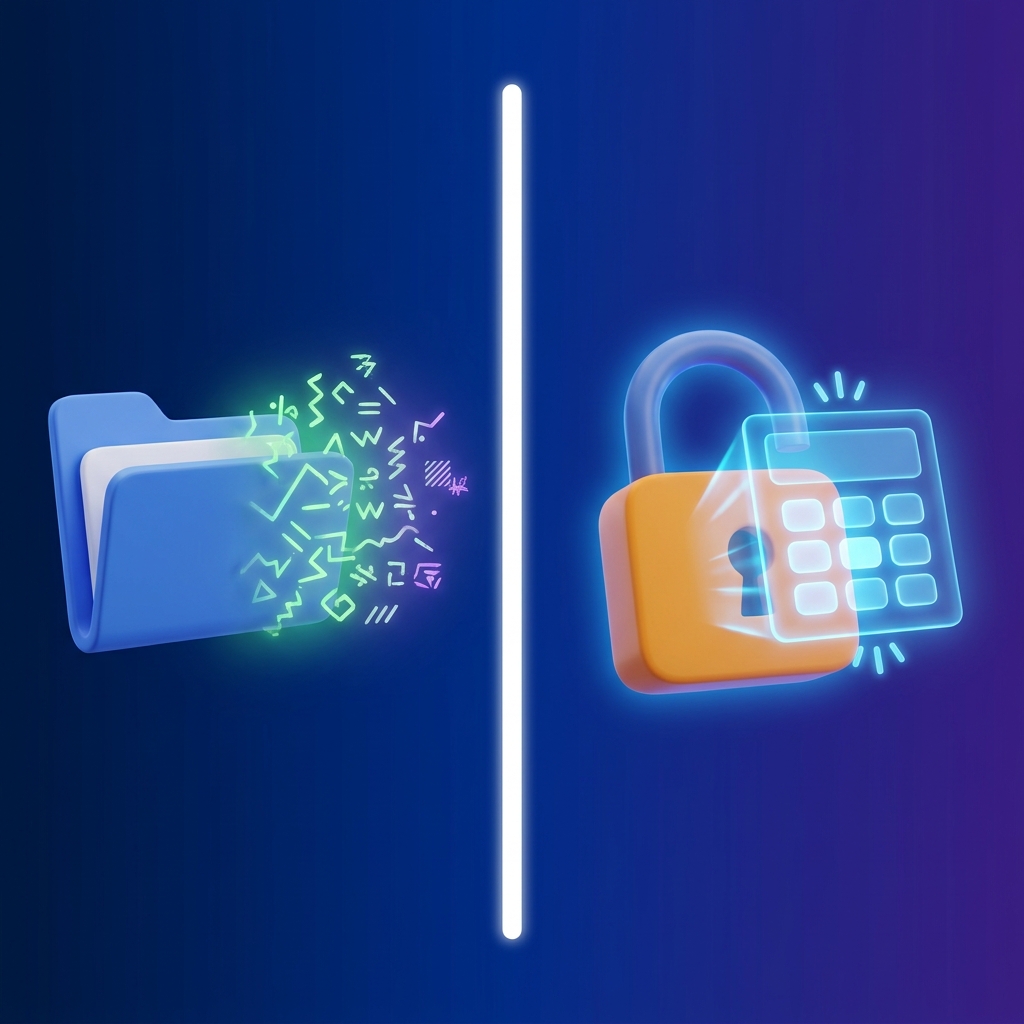
Cybersecurity is often treated as a vague concept, but it starts with simple, concrete habits in the classroom.
In this 6th grade computer science lesson, students move past the idea that a single password is the only line of defense. The Keeping Information Secure lesson introduces the concept of layered protection, which is essential for any student preparing to understand how modern networks actually keep data safe. This material is useful for a whole-class assignment, an intervention session, or even a substitute day when you need something that holds their attention while teaching a genuine, useful skill.
Understanding security through layers
The core of this unit is based on the standard CA.CS.6-8.NI.6. This California computer science standard asks students to apply multiple methods of information protection to model how information is sent safely. Students in districts like San Juan Unified, Mt. Diablo Unified, Newark Unified, and Soquel Union Elementary School District are all teaching this same standard to ensure a consistent progression of digital literacy across the state.
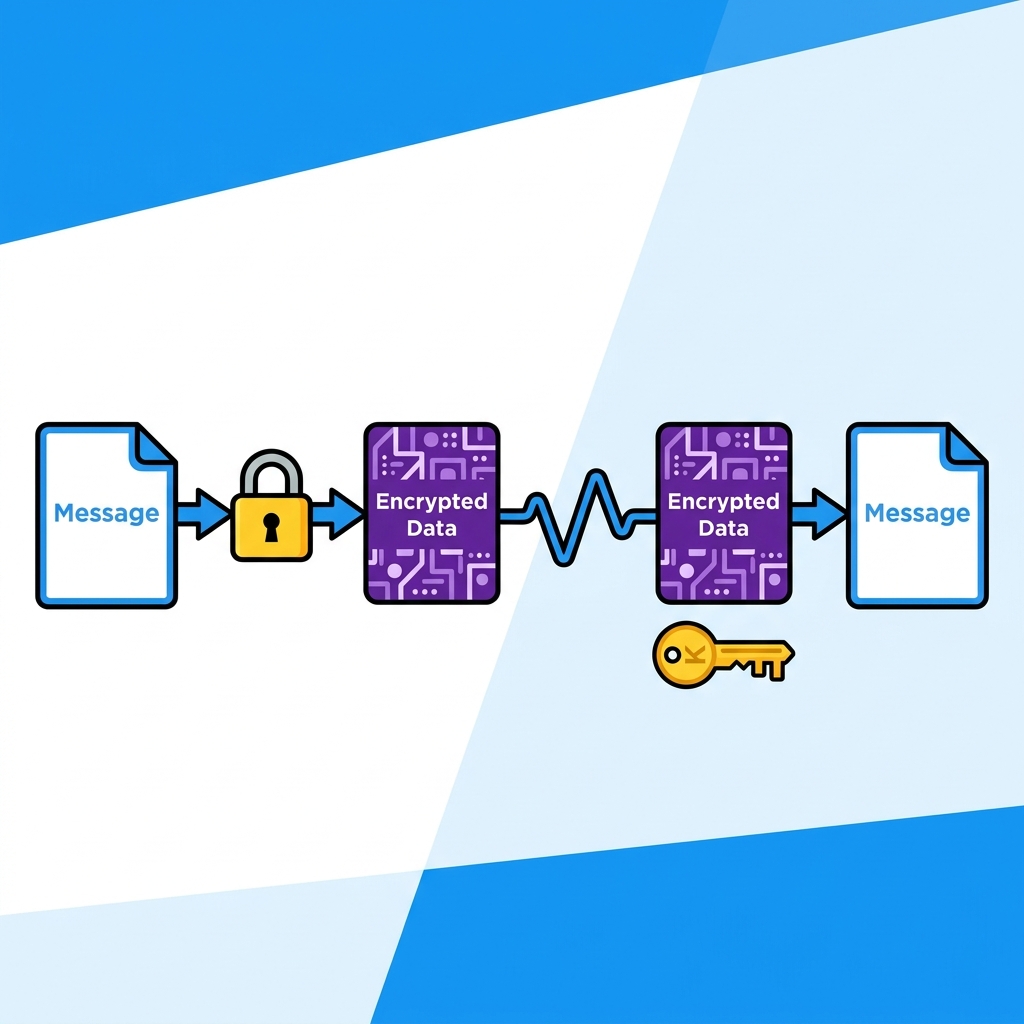
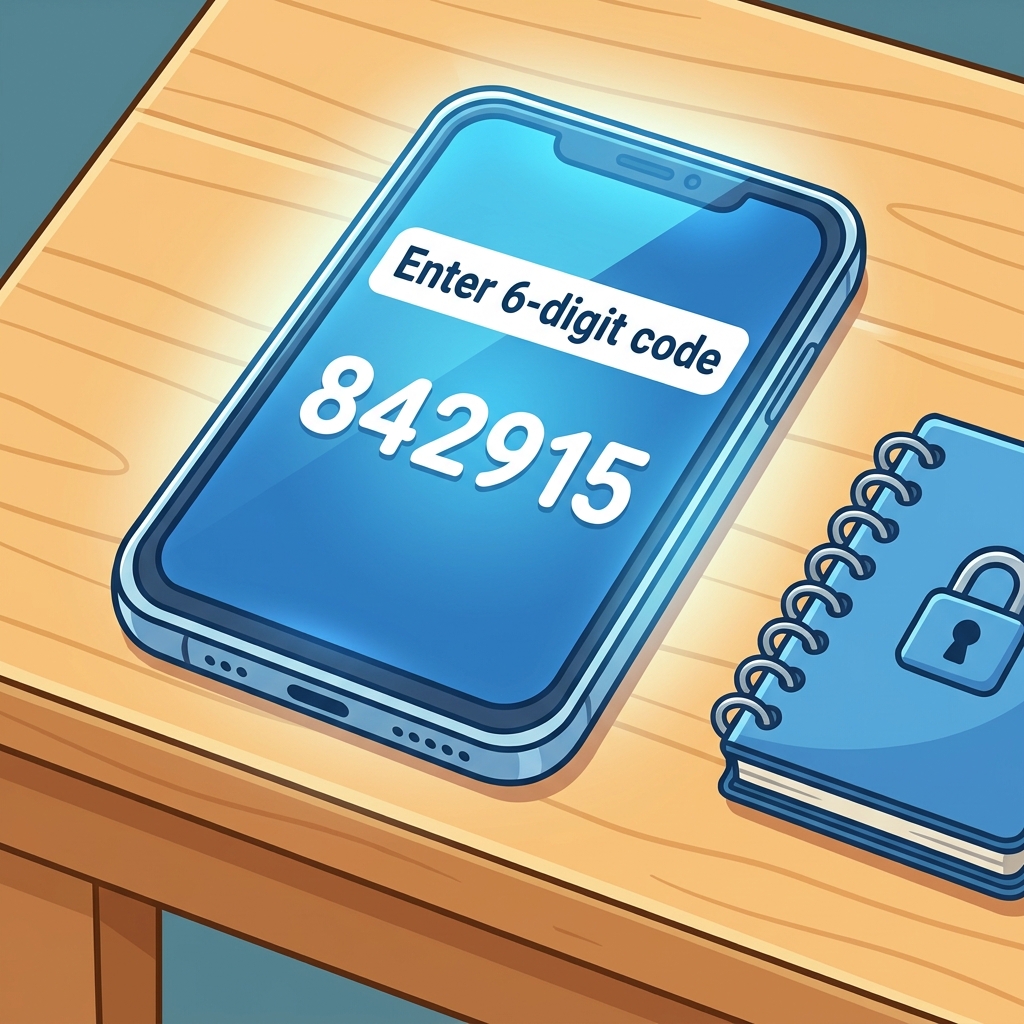
The lesson starts by asking students to think about the simplest form of data protection: the Caesar cipher. By manually shifting letters in a message, they see that encryption is not magic but a systematic process of scrambling data so that only someone with the right key can read it. When they move into the authentication phase, they learn that verifying who a user is acts as the second layer of security. If a student understands that encryption secures the data while authentication secures the user, they have the foundation needed to understand how professional network protocols function later on.
The mechanics of the lesson
This 6th grade cybersecurity lesson uses a clear, logical flow. After defining encryption and authentication, it offers a specific scenario involving a secure file transfer. Students walk through a two-step process: first, the file is scrambled to prevent unauthorized reading, and second, a password is required to verify the user identity. It is a simple model, but it hits the target perfectly because it makes the abstract nature of network security tangible.
I have found that students sometimes rush through the definitions without considering the why behind them. When you guide them through the file transfer scenario, remind them that protecting information is vital in the real world. Cybersecurity analysts use these exact methods to protect everything from personal photos to global banking networks. If they miss these basics now, they will struggle when they hit more complex networking topics in high school where those protocols become much more invisible and difficult to troubleshoot.
Why this foundation matters
The beauty of this lesson is that it forces students to model the transmission rather than just memorizing definitions. By requiring them to apply these security measures to a hypothetical file transfer between school tablets, the material moves from passive reading to active design. This is where you see who truly understands the logic of the layers and who is still relying on the idea that one simple password is enough.
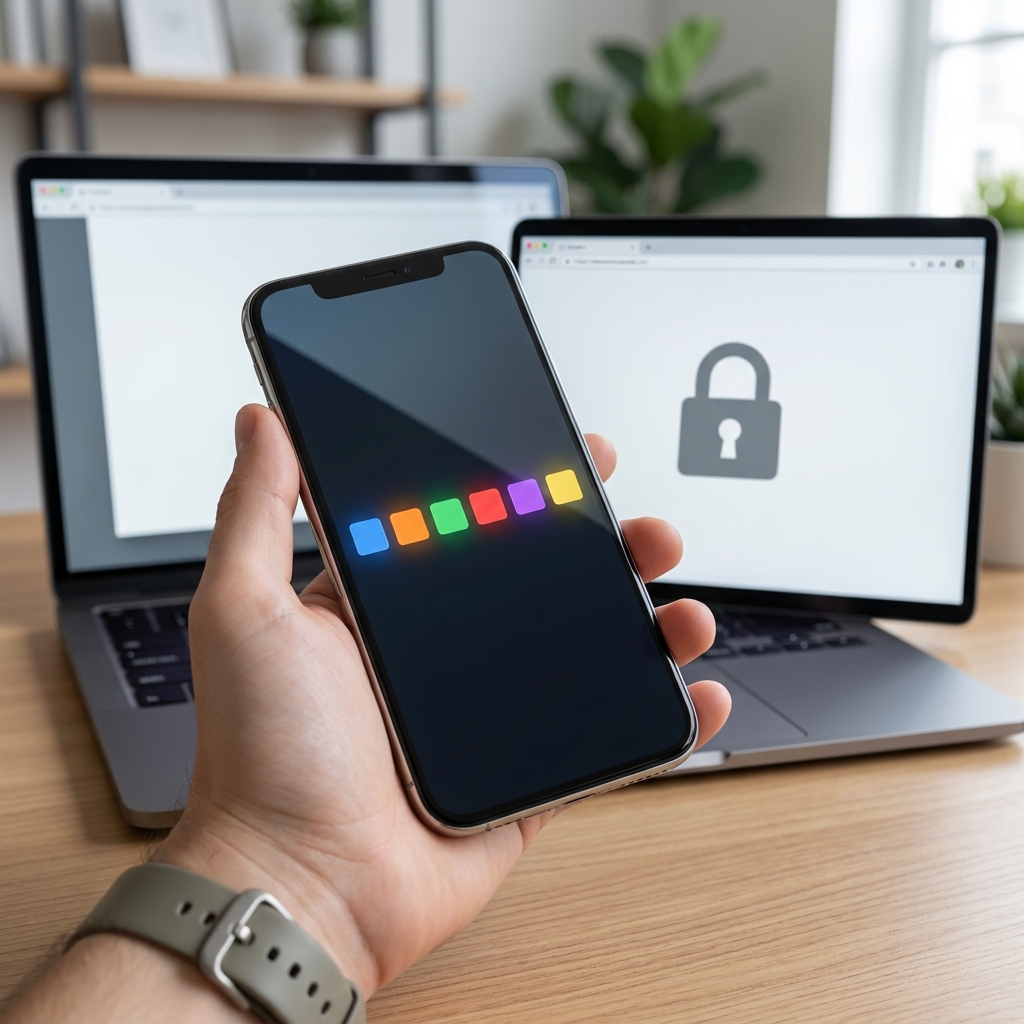
One limitation of the lesson is that it does not simulate the full complexity of a real-world server, but that is a positive for a 45-minute period. You get the concepts across without getting bogged down in hardware configurations. Use this to catch a student who missed the week or to help an independent study student who needs a clear, structured introduction to the topic. It is straightforward, focused, and sets them up to understand why we do not just rely on one lock to keep our digital data safe.
Related lessons
How Computers Talk: The Power of Protocols, covers the basic rules computers use to communicate
Staying Safe Online, explains habits for personal safety on the internet