


A student stares at a graph showing a population of bacteria doubling every twenty minutes and asks a question that usually derails the entire lecture: If they just keep growing like that, why is the world not entirely covered in bacteria by now? That moment is the perfect entry point for high school biology students to realize that unchecked growth is a mathematical impossibility, and it serves as the foundation for this Evolution: Mechanisms of Change in Nature lesson. It shifts the conversation from abstract theory to the concrete reality of biological survival, competition, and genetic adaptation.
This science lesson covers the core concept that evolutionary change happens when environmental pressures influence which individuals leave behind more offspring. It explains how populations adapt over time. You will see students work through the four primary factors of evolution: potential for population growth, heritable genetic variation, competition for limited resources, and the survival of those better adapted to their environment. The lesson uses specific, relatable scenarios to ground these concepts, such as the growth potential of a starting population of 100 bacteria and the divergent evolution of Island Foxes on the California Channel Islands. By examining why larger foxes survived on one island while smaller ones dominated another, students move past the simple idea of survival of the fittest and into the reality of adaptive radiation.
Understanding the core mechanisms of evolution
When you sit down to plan your next high school evolution lesson, remember that students often hold deep misconceptions about how individual traits lead to population shifts. This lesson addresses that by explicitly defining vocabulary like Genetic Variation, which arises from mutations and sexual reproduction, and Competition, the struggle for limited resources like water or territory. It also defines Natural Selection as the process where better-adapted organisms tend to produce more offspring, and explains Adaptive Radiation as the development of new species from a common ancestor to fill specific ecological roles. These definitions matter because they give students the language they need to write clear, evidence-based explanations.
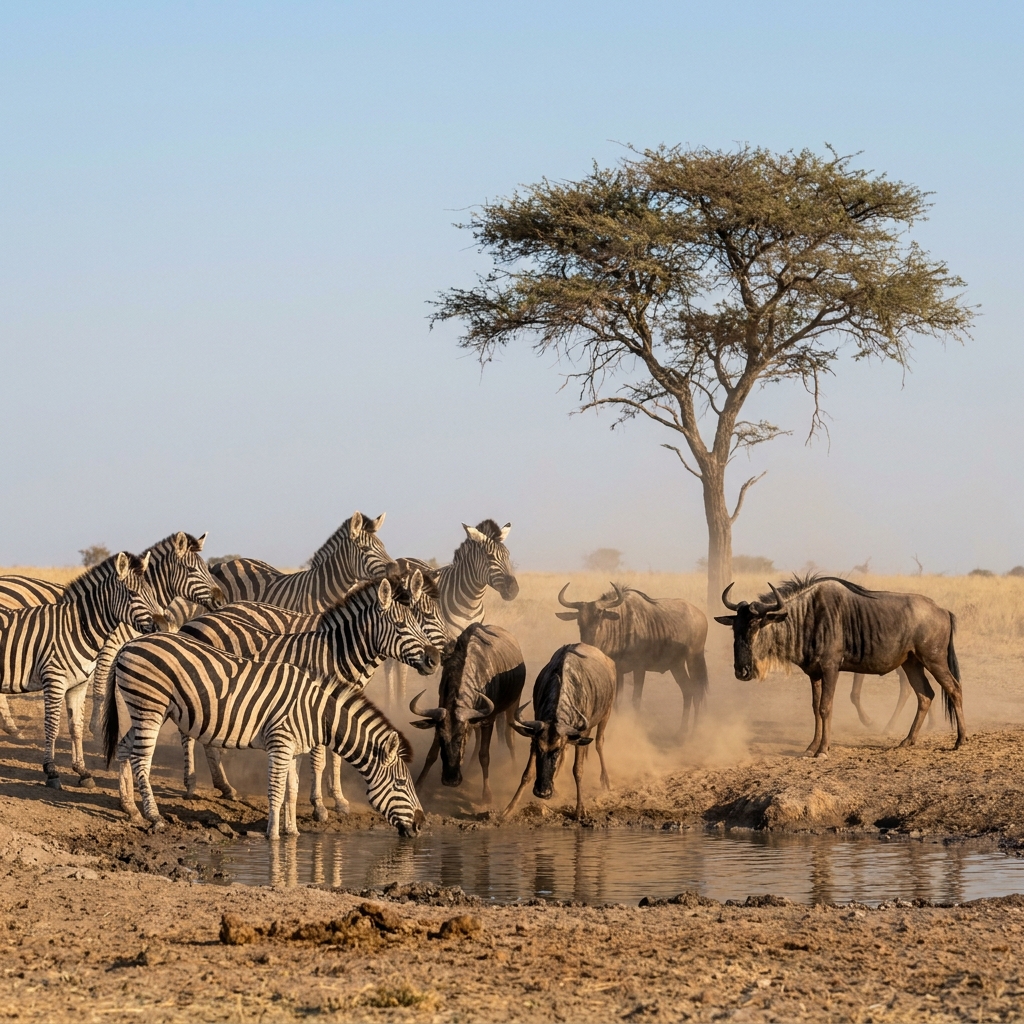
The lesson asks students to apply these concepts to a practical phenomenon. After studying the Island Fox example, they look at a scenario involving California poppies and an invasive grass species that blocks sunlight. This is an excellent test of their understanding: can they describe how the poppies might change over generations if the grass stays put? It forces them to stop reciting definitions and start thinking like ecologists. Teachers in Victor Valley Union High School District, Chaffey Joint Union High School District, Tulare Joint Union High School District, and Farmersville Unified use these same materials to ensure their students meet the expectations of the CA.HS-LS4-2 standard. Whether your district is in a rural or urban setting, the science remains the same.
The standard asks students to construct an explanation based on evidence that evolution results from four specific factors: species growth potential, heritable variation through mutation and sexual reproduction, competition, and the survival of the best-adapted individuals. This is a California-adopted standard, and it specifically encourages the use of local examples, such as the coevolution of native plants with their pollinators or the rapid evolution triggered by environmental shifts. If a student misses these foundational pieces, they will inevitably struggle later when the course shifts to more complex topics like phylogenetic trees or molecular clocks. You cannot teach the history of life on Earth if you haven’t first made sure the class understands that evolution is happening in their own backyard.
Where students often hit a wall
The most significant hurdle I see in the classroom is the tendency for students to think evolution happens to an individual. They want to say a poppy decided to grow taller to reach the sun. This lesson is a great corrective for that habit. By focusing on population-wide shifts and survival rates, it forces them to look at the statistical trends rather than the single organism. The why-it-matters section is particularly strong here. It bridges the gap between the classroom and the real world by discussing pesticide resistance in insects and the survival of plants in changing climates. These are not just fun facts, they are essential applications that make the material stick.
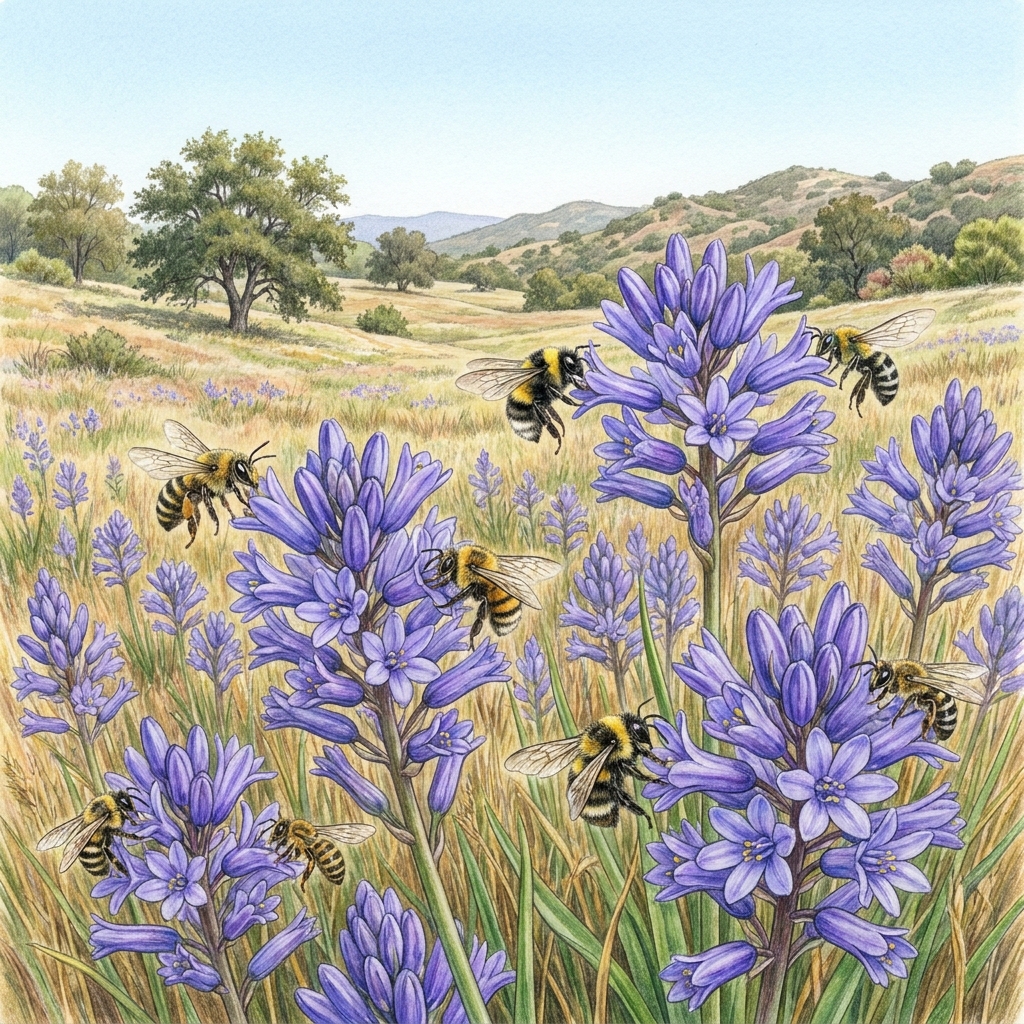
You might find this lesson useful as a whole-class assignment when you first introduce the unit, or as a targeted intervention for a student who needs to revisit the fundamental mechanisms before moving on to more advanced genetics. It works well for independent study because the guided practice is self-contained. It is also a reliable choice for a substitute day because the logic of the examples is clear enough that students can work through it with minimal outside explanation. Just be prepared for them to ask about the Island Foxes again, because that case study usually gets them hooked.
If you have a student who is truly struggling with the concept of mutation, point them back to the distinction between variation and adaptation. Remind them that mutation provides the raw material, but the environment decides which variation is useful. Keep the focus on the evidence. When students start citing the specific examples from the text, the poppies or the foxes, instead of just using vague terminology, you know they have moved beyond memorization. That is the moment where the science becomes their own tool for understanding the natural world.
Related lessons
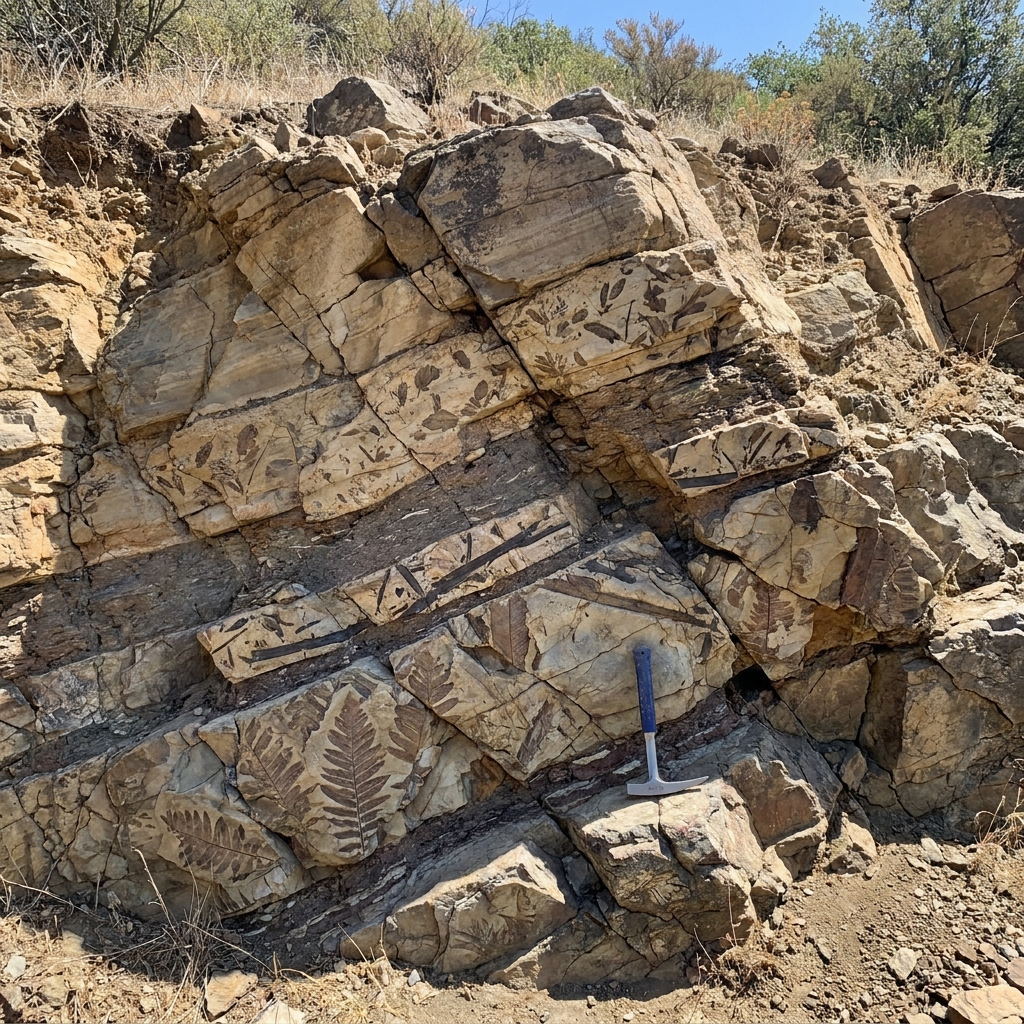
Evidence for Common Ancestry and Evolution, Covers genetic and fossil evidence supporting common ancestry and evolution
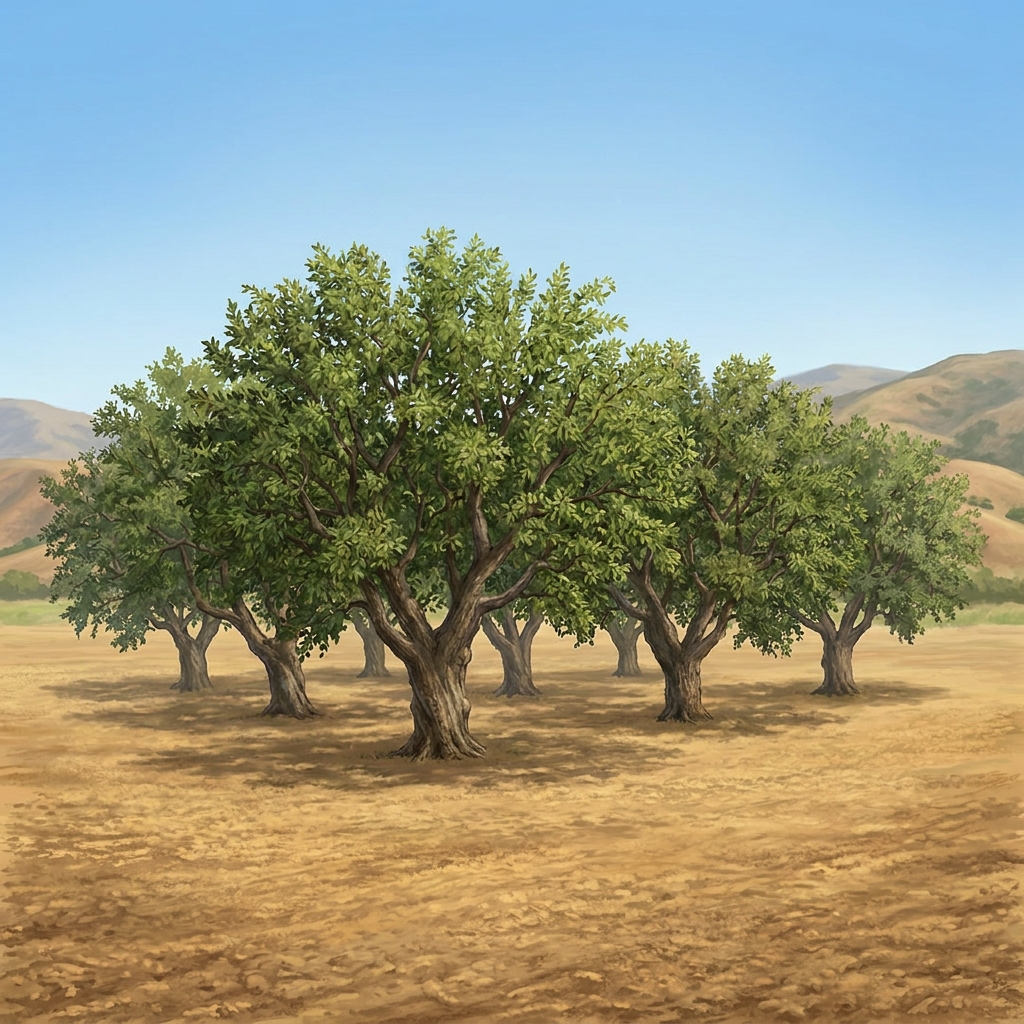
Human Impacts on Evolution, Discusses how human activities drive evolutionary changes in modern species

Mitigating Biodiversity Loss Through Conservation Engineering, Explores engineering solutions to protect biodiversity and prevent species loss