


When you have a student who needs to catch up on coursework or someone who needs a targeted intervention in a high school science setting, finding material that moves beyond basic fact memorization is a challenge. The Simulating Solutions to Complex Problems lesson is designed specifically for this. It asks students to do more than just read about how engineering works, requiring them to apply the mechanics of modeling to real world scenarios. If you are an intervention coordinator or an independent study teacher, you will appreciate that this lesson is concise, lasting about 45 minutes, while still hitting the core concepts of engineering design and systems thinking.
Why this lesson works for your independent study students
Students often struggle to see the point of constraints. They want to jump straight to the best possible design without acknowledging the budget, safety rules, or physical limitations that actual engineers face every single day. This lesson manages to bridge that gap. By using the framework provided, students start with familiar examples like traffic flow through a city intersection before moving into more demanding problems like wildfire prevention and grid stability. This gradual progression makes the logic of engineering feel less like a dry textbook exercise and more like the actual decision making process that professionals use in the field.

What the lesson actually asks students to do
The lesson centers on three essential vocabulary terms that act as the pillars for the work: Simulation, Constraint, and Criterion. A simulation is defined as a digital model that mimics the behavior of a real world system so we can test different ideas. Students must learn how to manipulate these models to test solutions under specific conditions. A constraint is a limitation or restriction that affects the design of a solution, like a budget or a strict safety rule. A criterion is a specific requirement or standard that a successful solution must meet. By forcing students to identify these three things in every scenario, the lesson pushes them to think like architects of a complex system rather than passive observers.
The worked example regarding a wildland urban interface fire simulation is particularly effective for students in our state. It helps fire departments test how clearing brush around a community reduces the speed at which a wildfire can spread toward homes. This hits close to home for many of our learners. It moves from that example into a guided practice session where students must evaluate a policy that requires all new homes to have rooftop solar panels. This specific high school science engineering simulation approach ensures that students are not just playing with software but are actually testing variables and observing how changing one parameter impacts the entire system.
The standard and why it matters for your students
This lesson is built to satisfy HS-ETS1-4, which is a California adopted standard. This standard asks students to use a computer simulation to model the impact of proposed solutions to a complex real world problem with numerous criteria and constraints on interactions within and between systems relevant to the problem. It is a dense standard, but it is necessary for anyone entering an engineering or environmental science career. You will find that students from Mt. Diablo Unified, Oxnard Union High School District, Calistoga Joint Unified, and Soledad Unified are all learning this exact standard, ensuring that your students are staying on track with their peers across the state.

One thing that makes this standard stand out is how it forces students to reconcile conflicting data. When they model the solar panel policy, they will likely find that while the environmental benefits are high, the cost constraints might be prohibitive for certain budgets. Watching a student wrestle with these variables is where the real learning happens. They stop looking for the one right answer and start looking for the most balanced solution among competing priorities. That shift in perspective is what makes this material so effective for a student who needs to revisit the curriculum for attendance recovery or a substitute day.
Where students slip up and how to guide them
The most common point of confusion for students is the difference between a constraint and a criterion. I have found that if you can clear this up early, the rest of the lesson goes smoothly. A constraint is something you cannot change, like the limit on how much money a city has to spend on wildfire mitigation. A criterion is a goal, like keeping the fire spread rate below a certain threshold. If a student tries to treat a criterion as a constraint, the whole simulation logic breaks down. Before they start the guided practice, I often ask my students to label their list of variables as either a constraint or a criterion. It takes two minutes and saves them from twenty minutes of frustration later on.
Another caveat is the software side of things. While the lesson explains the logic of simulations, it assumes students understand the basics of interacting with a digital interface. If you are using this as a standalone assignment for a student who has been out of the classroom for a while, just make sure they have the technical environment ready before they begin. The content itself is very stable and straightforward. It respects the student’s time by focusing on the application of the model rather than forcing them to learn complex coding syntax. It is a solid, focused piece of work that actually gets the job done for students who need to demonstrate mastery of the engineering design process without unnecessary fluff. When they finish the exercise, you will have a very clear view of whether or not they understand how to use simulation tools to inform real world decisions.
Related lessons

Solving Complex Engineering Problems, Methods for breaking down large scale technical challenges into smaller parts
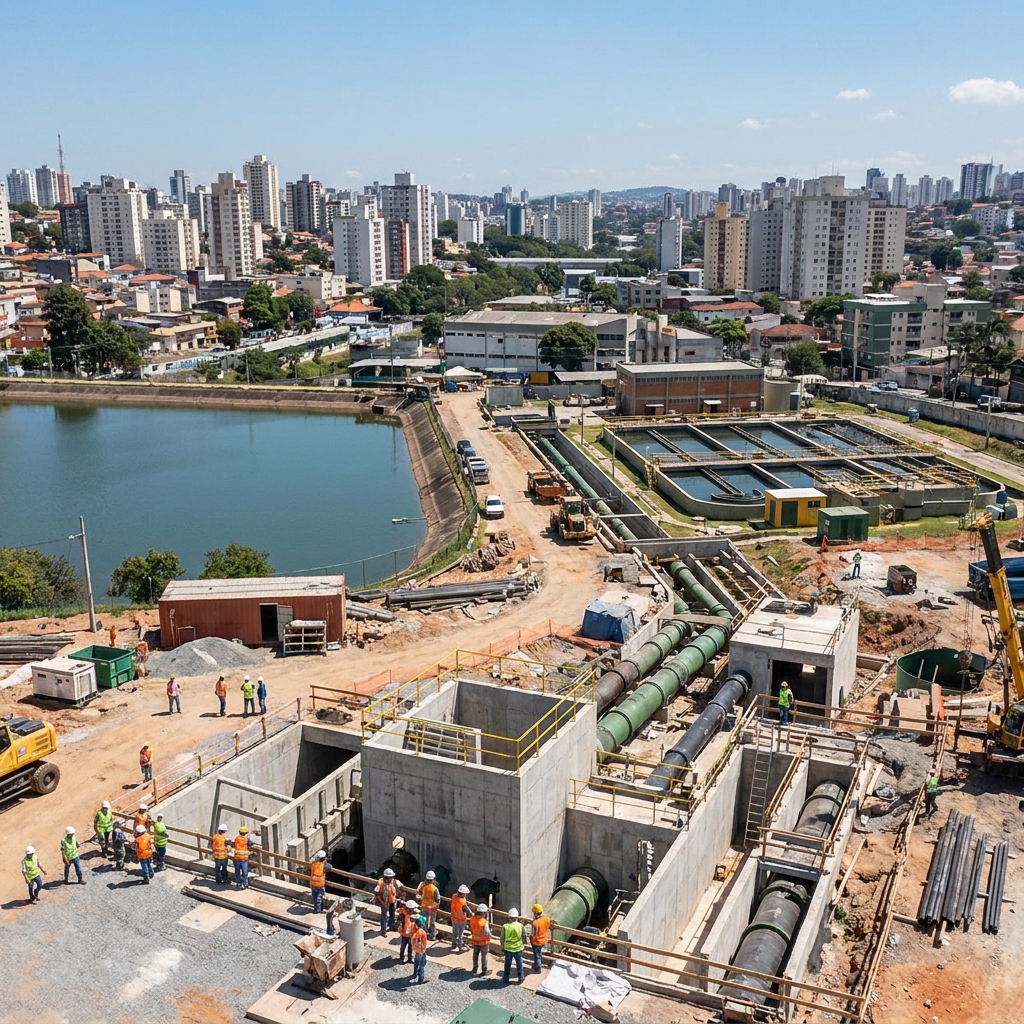
Engineering Solutions for California, Designing infrastructure systems that address specific state environmental needs and goals

Evaluating Engineering Solutions, Criteria for measuring the success and failure of proposed technical designs