

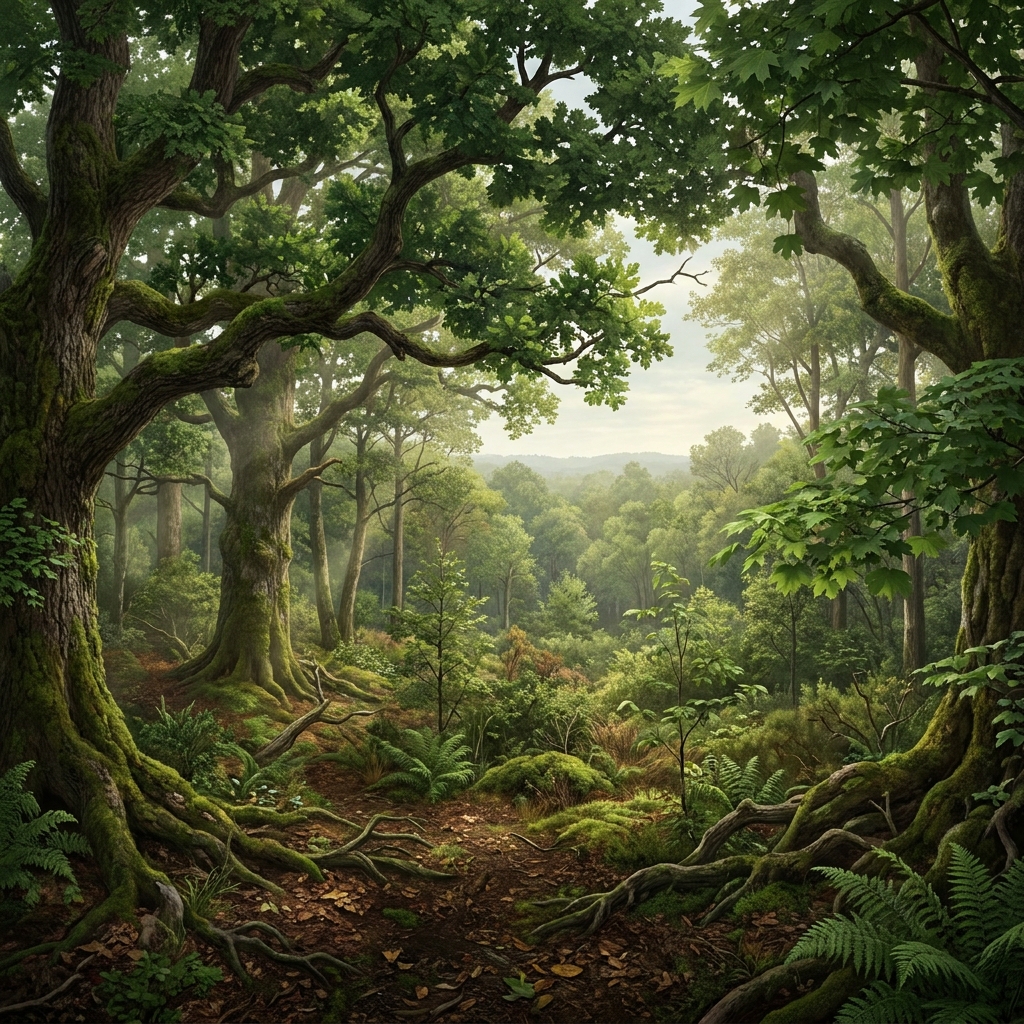
When students start working with complex data models, they often treat the variables as isolated components rather than an interconnected system. A student might move a slider to increase rainfall in a simulation and expect to see only the local water level change, ignoring the ripple effects on soil erosion or local vegetation. This lesson, Earth Systems and Human Impact, is built to stop that narrow thinking by forcing students to look at the relationships between the hydrosphere, atmosphere, and biosphere as a single, shifting engine.
This high school biology and earth science resource is a solid fit for an intervention session or a substitute day where you need a self-contained activity that actually requires deep thought. It introduces the idea of a computational representation, which is a digital model using numbers and data to illustrate how Earth systems interact. The lesson starts with a familiar regional phenomenon: snowpack melt in the Sierra Nevada. By testing how varying levels of rainfall affect reservoir storage, students get an immediate look at the practical application of these models.
How the lesson uses data to model human impact
The core objective is to have students model how human actions change the way natural systems work. For example, the lesson walks through a scenario where a large forest area is cleared, showing how the loss of trees affects carbon sequestration. It explains that the model calculates how the removal of vegetation changes the ability of the local ecosystem to store carbon, which is vital for maintaining the balance within our biodiversity hotspots. This is where you can catch students who think of environmental change as a binary event, forest here, no forest there, rather than a feedback loop where the output of a system circles back to influence the input.

You will find the students apply these concepts in a guided practice section focused on the Sacramento River. It is a smart way to connect abstract concepts like land-use policy to the actual water delivery systems that sustain the state. The material notes that California serves as a global hub for environmental science research and green innovation, and you can tell your class that the high school earth and space science lesson is the same standard taught in San Juan Unified, San Jose Unified, Los Banos Unified, and Gateway Unified.
Meeting the California standard for earth systems
This lesson is designed to serve HS-ESS3-6. This California-adopted standard asks students to use a computational representation to illustrate the relationships among Earth systems and how those relationships are being modified due to human activity. Because the lesson is aligned with the California NGSS Framework, it also incorporates state-specific phenomena like tectonic activity and energy policy to provide the necessary context. It is an honest look at the skill: if a student struggles to connect a human action to a data shift, they will be forced to confront that gap during the modeling process.
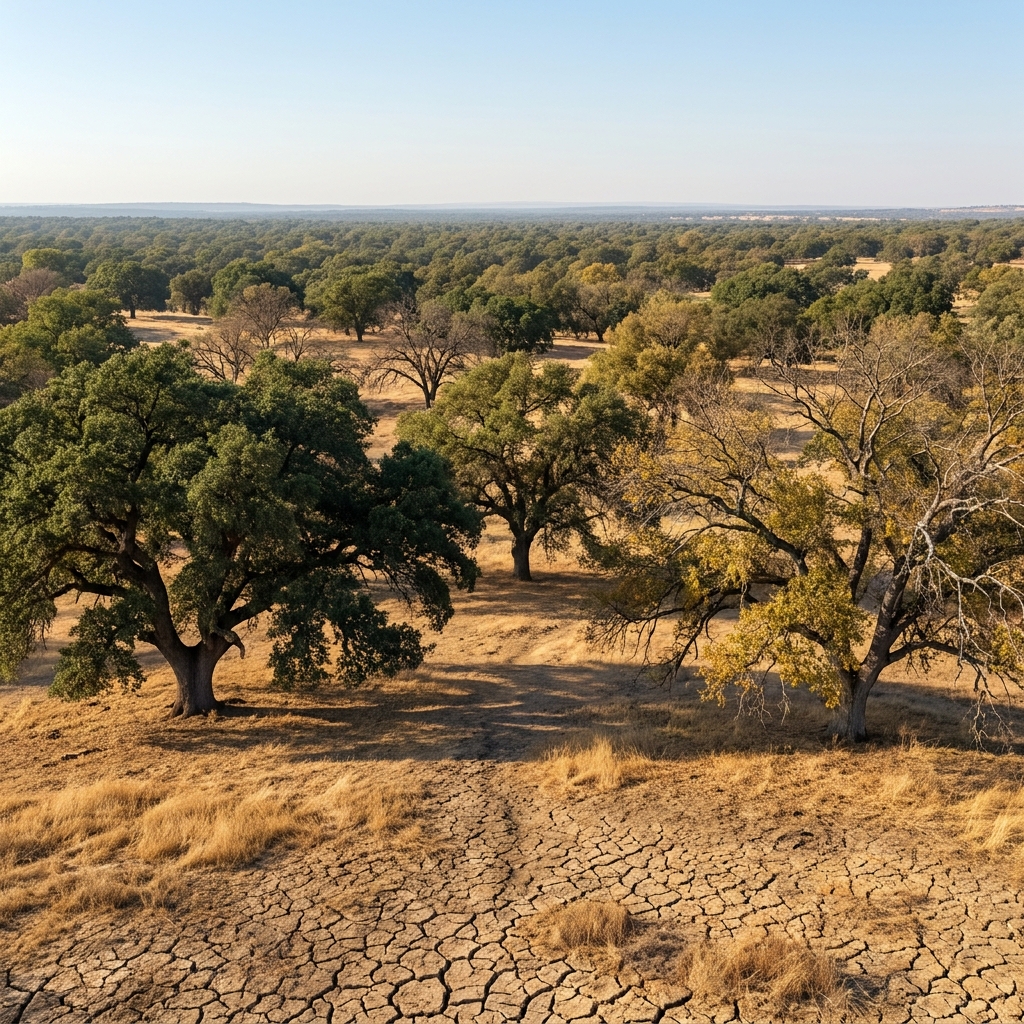
The lesson does a good job of keeping the vocabulary tied to the simulation. Your students will learn to define the hydrosphere as the system including all water, such as rivers and groundwater, and they will see firsthand how human intervention changes the flow of that system. It is a straightforward way to address the complexity of modern science without burying them in jargon. If you are looking for a way to show a class why their understanding of these systems matters for future land development or sustainable energy planning, this is where you open the materials.
Related lessons
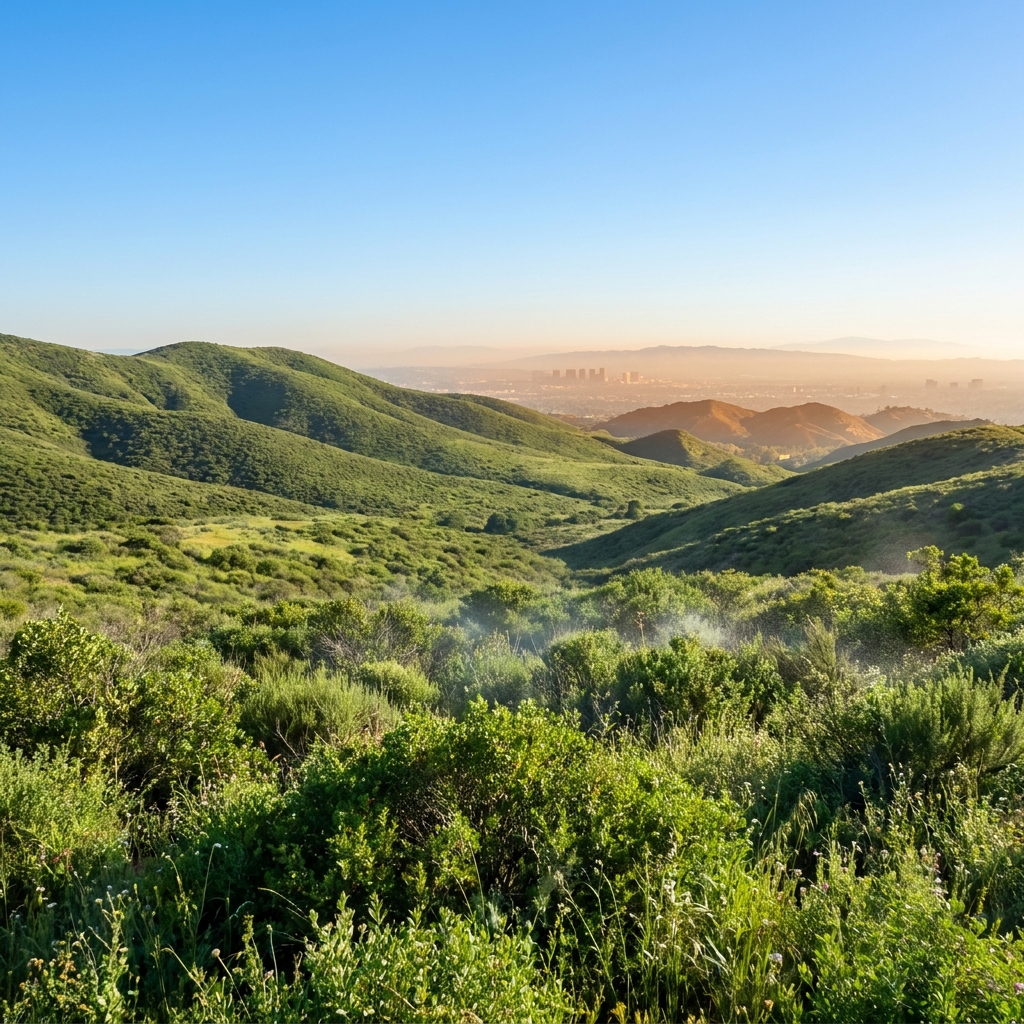
Energy Flow and California's Climate, Explores how energy moves through different climate zones in California
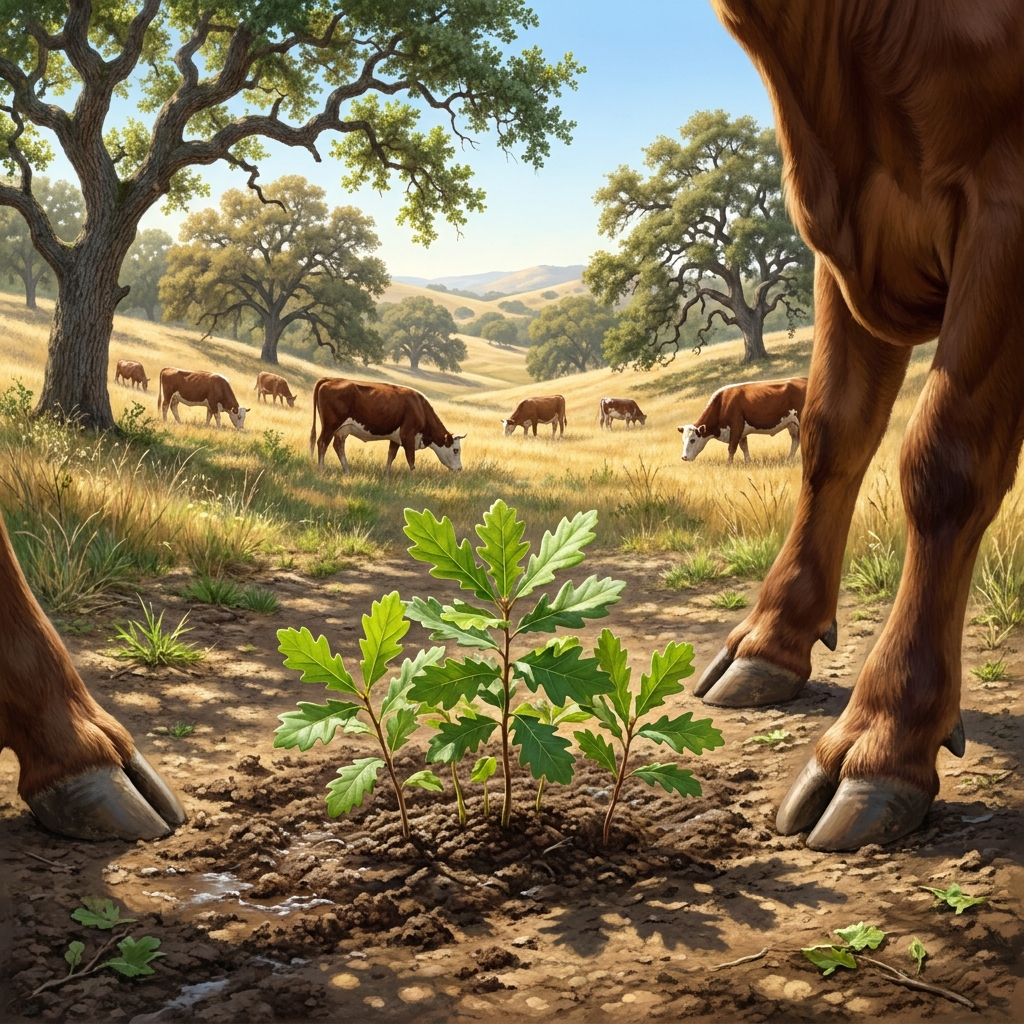
Modeling Sustainability in California Ecosystems, Focuses on sustainable development practices within various regional California ecosystems

Earth and Life: A Two-Way Street, Examines the reciprocal relationship between biological life and Earth systems