

The standard CA.ELA.RI.5.3 requires students to explain the relationships or interactions between two or more individuals, events, ideas, or concepts in a historical, scientific, or technical text based on specific information in the text. Helping students move beyond identifying single events to understanding the underlying connections between them is a core component of effective literacy instruction. This post examines a lesson designed to address these specific skills.
Why students miss the mark on causal relationships
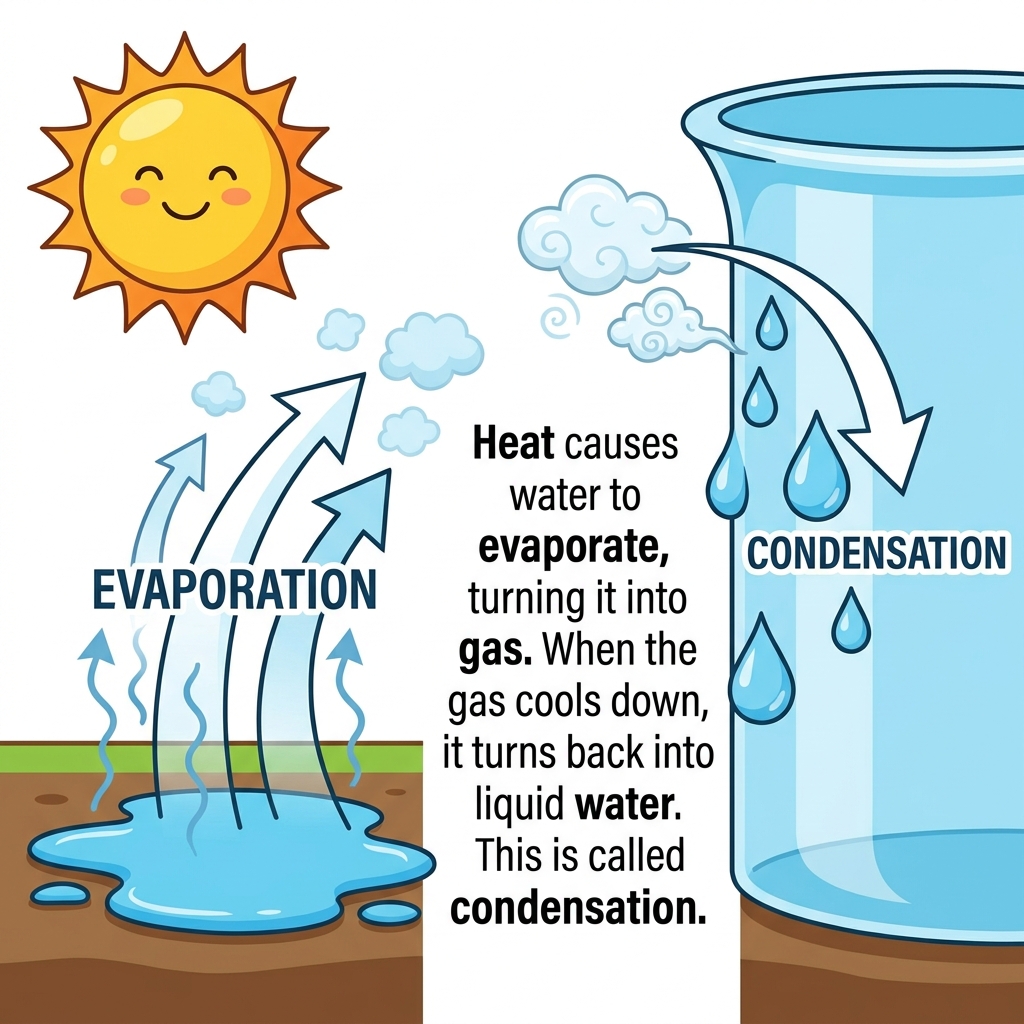
When I taught fifth grade, I found that my students would often identify a single event or a name from a passage, but they would consistently fail to describe the how or the why of the interaction. They treat informational text like a list of bullet points rather than a chain of events. They see the effect but miss the underlying cause. It is a common frustration, but it is one that Understanding How Events and Ideas Connect addresses directly. This lesson is designed to force that deeper level of analysis. It starts by tapping into what kids already know about cause and effect in the physical world, using a concrete example: heat turns water into gas, and cooling that gas creates condensation. By grounding the abstract concept of a relationship in a scientific process they can visualize, the lesson makes the leap to historical texts much easier. Students in Fontana Unified, San Francisco Unified, Pacifica School District, and Santa Rita Union Elementary School District are all working toward this same California-adopted standard, and this resource gives them the structure they need to succeed. When students struggle to see these connections, they often view the text as static facts. This lesson disrupts that pattern by demonstrating that informational texts are composed of dynamic interactions where one idea creates or modifies another. Educators often note that when students grasp this concept, their overall reading comprehension improves significantly across all content areas.
How the lesson scaffolds the connection
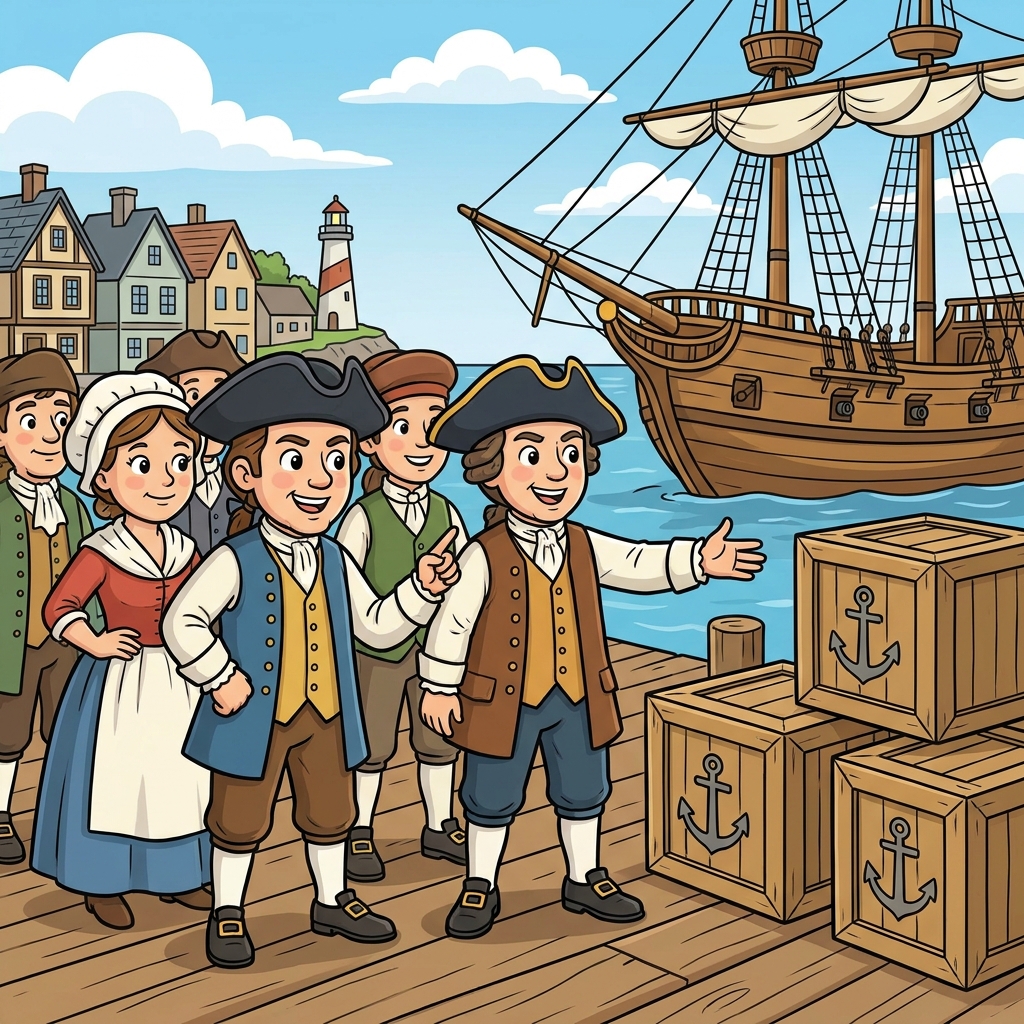
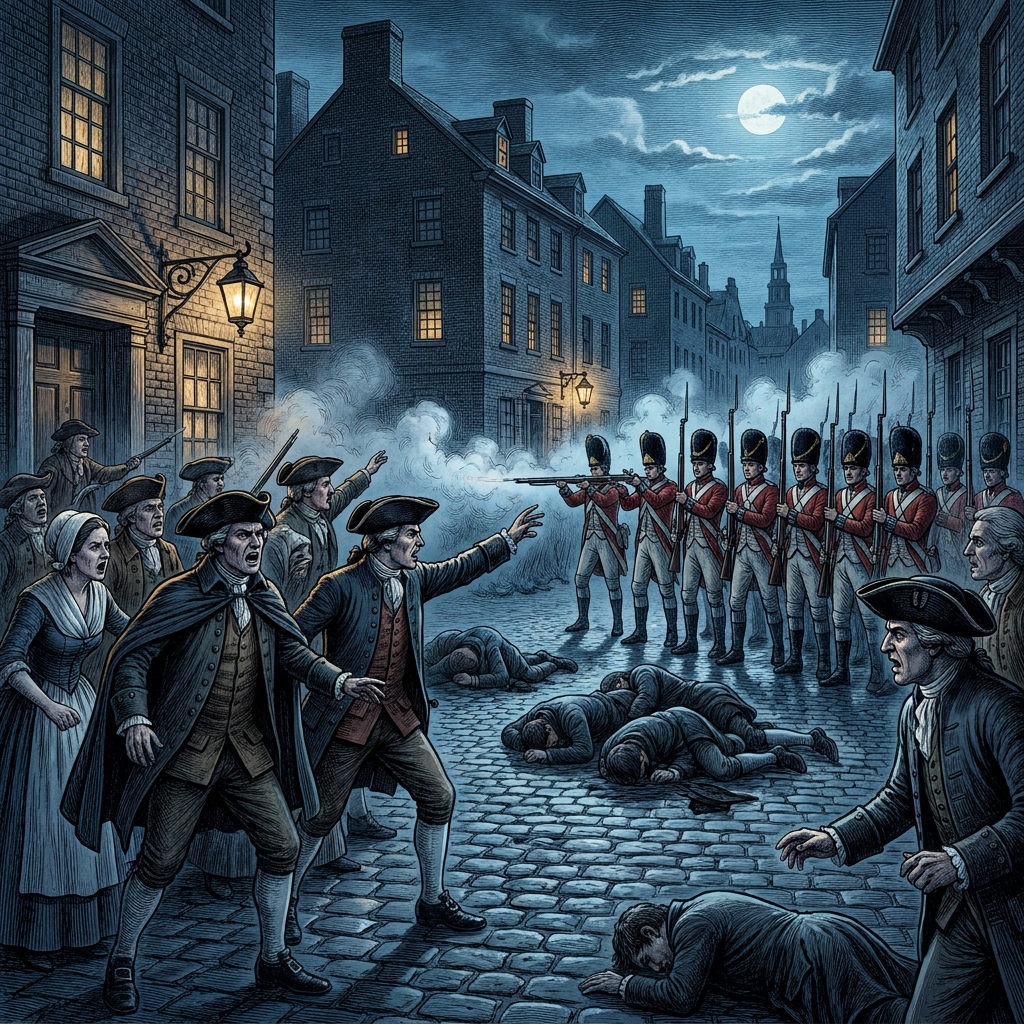
The primary work in this fifth grade English language arts lesson happens when students shift from scientific observations to historical inquiry. The material uses the American Revolution, specifically the tensions at Lexington and Concord, to model how one protest leads to a larger reaction. This is where the vocabulary terms like cause and effect become more than just dictionary definitions. Instead, they function as tools for the students to map out the narrative arc of the conflict. The lesson defines a relationship as the way two or more things are connected, such as cause and effect, where one event or idea makes another happen. This framing helps students understand that history is not just a series of dates, but a series of decisions that drive outcomes. I appreciate that the lesson includes a clear why-it-matters statement. It explains that when they read the news, they need to know how a new law might change a community, and that journalists investigate these connections to help people understand the world. That framing helps students see that they are not just analyzing a textbook, but practicing a skill they will use to participate in the world as informed citizens. The lesson is concise, taking about 45 minutes, which makes it perfect for a whole-class assignment, a student who missed the week, or even a day with a substitute when you want to make sure the class is still hitting their grade-level targets.
One caveat: if your students struggle with text density, they may need a bit of extra support on the historical passage provided. The vocabulary is accessible, but the density of the information can feel overwhelming to a reader who is still developing their decoding confidence. Because the focus here is strictly on logical relationships, you might find yourself needing to provide a graphic organizer to help them visualize the sequence of events. Despite that, the instructional flow is logical and respects the intellectual capabilities of your 5th graders. It steers clear of the trap where everything is about finding one specific detail and instead pushes for that high-level synthesis the California Common Core demands. Teachers can observe the difference in student discussions when they move from identifying a single date to explaining the cause of the conflict. This transition marks a shift in their cognitive engagement with the text, moving away from rote memorization and into genuine comprehension. When they can explain these interactions using specific evidence from the text, they are finally doing the work of a historian or a scientist. It is a productive way to spend a class period that reinforces the standards and prepares students for more complex reading in middle school. By the time they finish, your students should be able to articulate why a specific protest happened and what the immediate consequence was, cementing their grasp of these essential causal links.
Related lessons
Finding Main Ideas and Supporting Details, Teaches identifying main ideas and supporting details in informational text
Finding Key Details in Informational Text, Focuses on locating evidence to support understanding of informational texts
Putting It All Together: Synthesizing Information, Guides students through synthesizing information from various informational text sources