

When we look at Understanding Narrator Perspective and Reader Knowledge, the lesson asks students to explain how an author develops the point of view of the narrator or speaker in a text. Specifically, the California-adopted standard CA.ELA.RL.6.6 asks students to analyze how differences in the points of view of the audience or reader and the characters create effects such as suspense or humor. This is the same standard taught in classrooms across Montebello Unified, San Bernardino City Unified, Lafayette Elementary School District, and Alvord Unified. Along with this, the lesson incorporates CCSS.ELA-LITERACY.RL.6.6, which acts as the foundation for explaining how an author develops the point of view of a narrator in a text.
How the lesson introduces narrative perspective
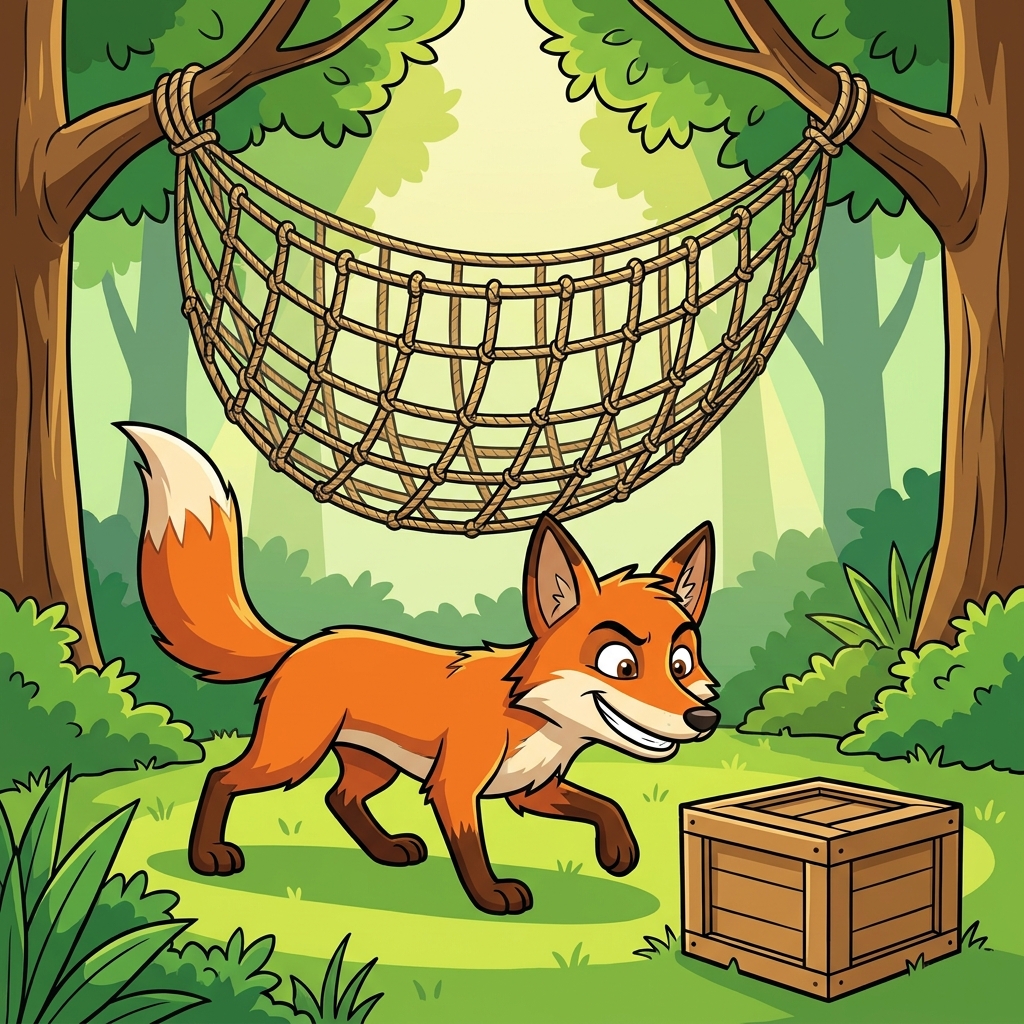
This 6th grade English Language Arts material moves away from dry definitions and instead asks students to think about the balance of power between the reader and the character. The objective is for students to explain how an author uses what the reader knows versus what a character knows to create suspense or humor. The lesson starts with a simple prior-knowledge exercise: a hungry fox trotting toward a forest clearing where he thinks he will find a snack. Because the reader holds more information than the fox, the scene immediately creates tension or amusement depending on how the author plays it.
The lesson uses three key vocabulary terms to ground the work. Point of View refers to the perspective or vantage point from which a story is told. Dramatic Irony is defined as a situation where the reader knows something important that the characters in the story do not know. Finally, Incongruity covers a state of being out of place or inconsistent, often used by authors to create humor when a character’s actions do not match their words or the situation. I find that when students learn these terms through examples rather than worksheets, they actually retain them for their own writing.
Moving into guided practice
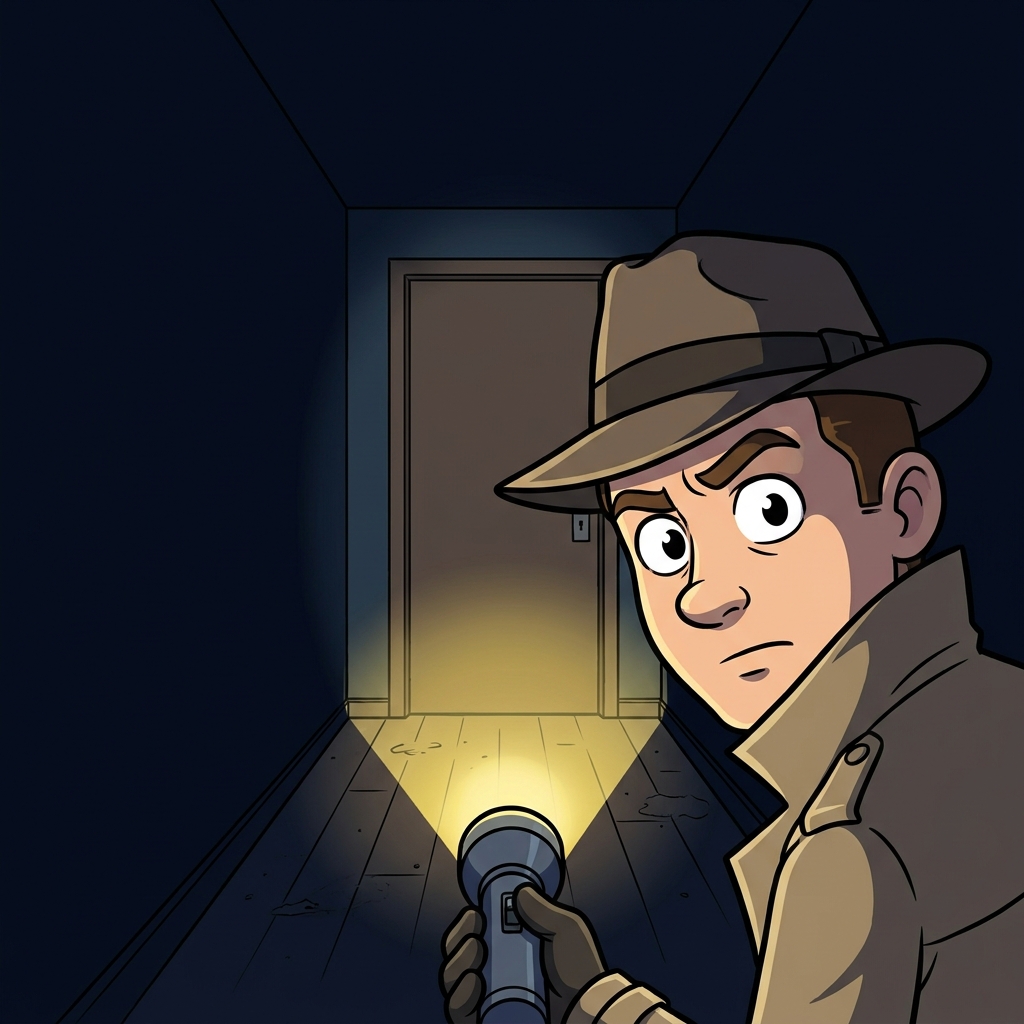
The core of the work happens when students analyze specific scenarios. One example in the text involves a mystery story where the narrator only sees what the detective sees. The text says, ‘The detective stepped into the dark hallway, unaware that a figure was waiting behind the door.’ By analyzing that one sentence, students can see how the author limits the detective to build suspense. It is a clear example of how perspective drives the pacing of a scene.
For the guided practice portion of this sixth grade shared research writing lesson, students must identify dramatic irony in a new passage. One story describes a narrator who thinks a house is haunted because they hear strange noises, even though the reader knows it is just a cat. This kind of prompt is great because it gets students talking about why the humor works. They have to articulate the gap between the character’s fear and the reader’s understanding.
Where this fits in your schedule
This lesson is designed to take about 45 minutes, making it a perfect fit for a whole-class assignment when you need to teach literary devices quickly. It also works well for a student who missed the week and needs to catch up on the basics of narrative structure. If you have a substitute teacher for the day, this is a clean, self-contained activity that avoids the chaos of a complicated project. The why-it-matters section of the lesson reminds students that when they watch a movie or read a book, they are often playing a game of information with the author. Knowing how this works helps them appreciate how stories are built. I prefer this approach over heavy lectures because it forces students to recognize that they are not just passive consumers of stories, but active participants in the narrative process.

Related lessons
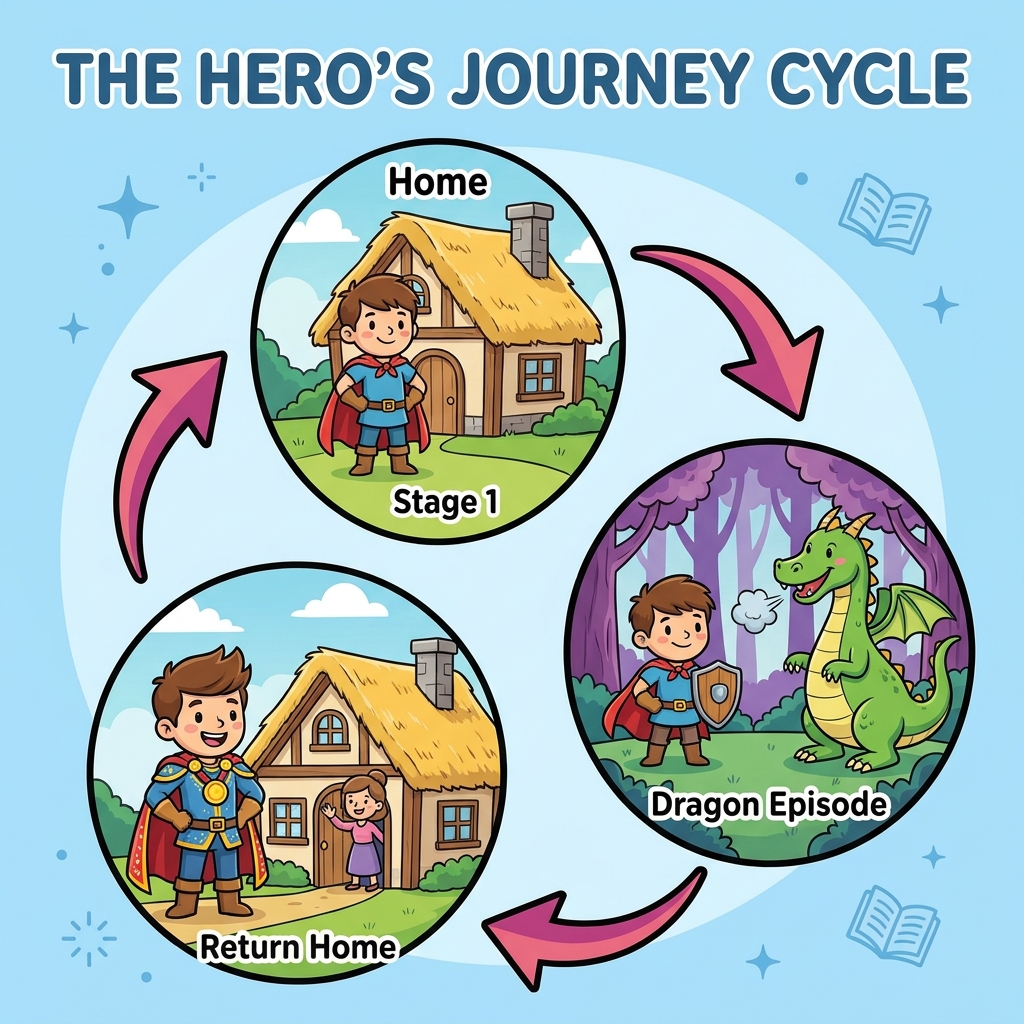
Understanding Plot and Character Change, Learning how stories evolve through shifting plots and character growth
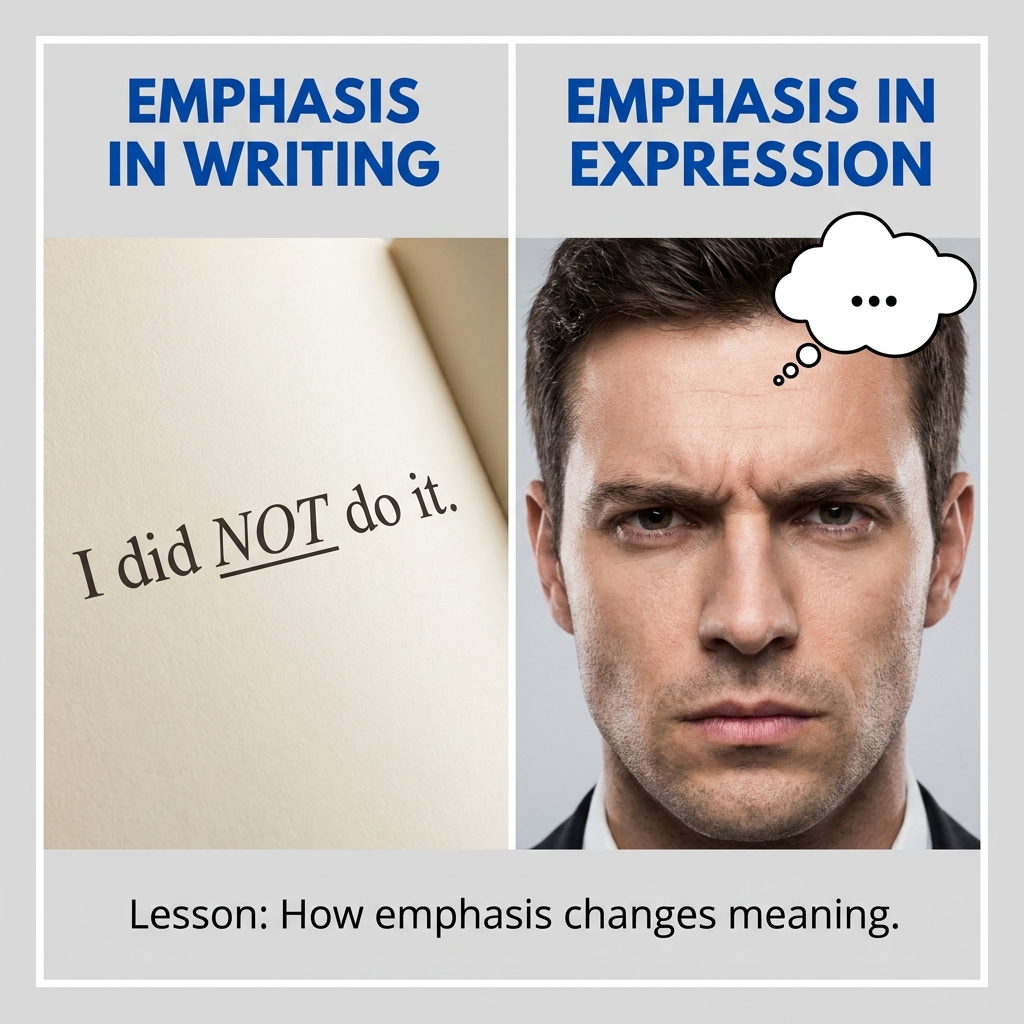
Comparing Stories and Media, Examining narrative differences across written text and visual media

Analyzing Word Choice and Sound in Literature, Studying how specific language usage shapes tone and mood