

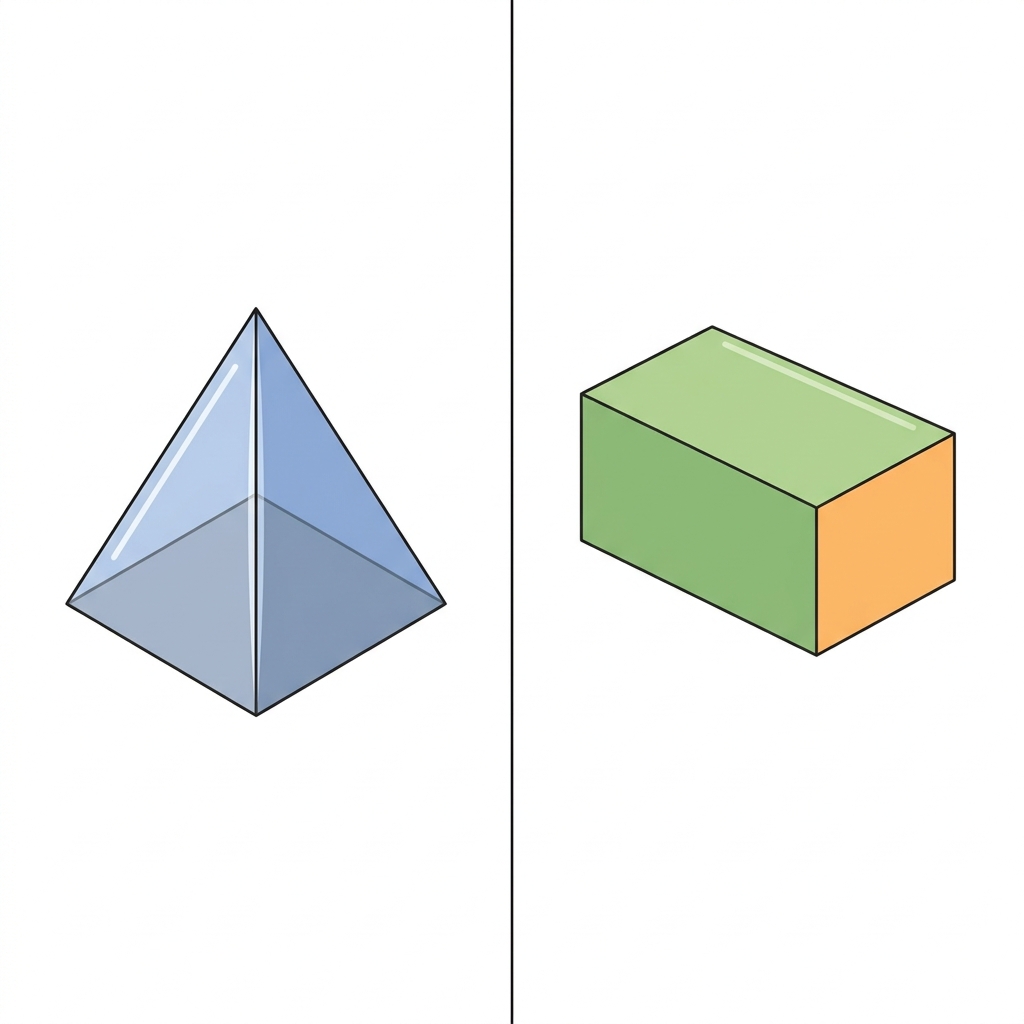
I remember watching a student try to calculate the space inside a box by tracing the perimeter, completely forgetting that he was working in three dimensions. That moment captures the exact hurdle we face when teaching geometry in 5th grade math. The jump from two-dimensional area to three-dimensional volume is not just about memorizing a formula. It is about understanding that we are now counting cubic units instead of square units. This is why I keep Measuring Volume with Rectangular Prisms in my teaching rotation for when the class needs a solid foundation in spatial measurement.
This 5th grade math lesson focuses on the core concept of volume as the total amount of space inside a three-dimensional object. It starts by tapping into what students already know about finding the area of a rectangle. By building on that prior knowledge, the lesson leads them to understand that a rectangular prism is simply a shape with six rectangular faces where all angles are right angles. It introduces essential vocabulary terms: Volume, which is the space inside an object measured in cubic units; Rectangular prism, a solid with six right-angled faces; and Base area, which is the surface at the bottom of the shape found by multiplying length times width.
The lesson serves the state standard CA.MATH.5.MD.5b, which asks students to relate volume to the operations of multiplication and addition and solve real-world and mathematical problems involving volume. Specifically, it tasks students with applying the formulas V = l w h and V = b h for rectangular prisms to find volumes with whole-number edge lengths. Whether your students are at Mt. Diablo Unified, San Francisco Unified, San Jacinto Unified, or Madera Unified, they are all working toward the same proficiency with these California-adopted standards. The standard asks students to move beyond abstract numbers and actually visualize the space they are measuring.
How the lesson builds understanding
I find that the strongest part of this fifth grade geometry volume lesson is how it connects the math to reality. It uses a toy chest example, which is 4 feet long, 2 feet wide, and 2 feet high, to show that the volume is 16 cubic feet. By walking through the multiplication of these three dimensions, the lesson helps students see the logic behind the numbers. If a student can see the toy chest, they can see the calculation. The lesson also introduces a guided practice scenario involving a garden plot. It reinforces that the same rules for volume apply to the space in a garden as they do to a box in a closet.
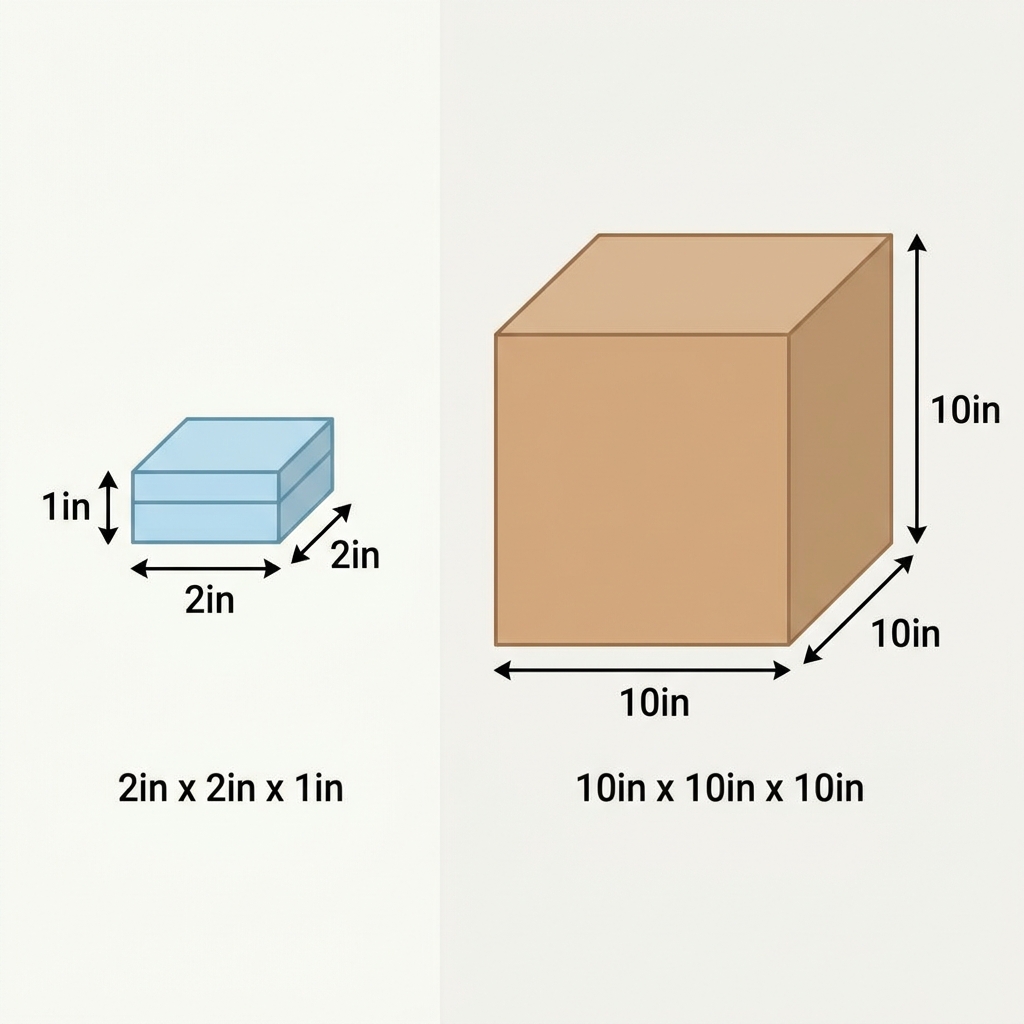
The lesson explicitly makes the point that volume matters because people use it to figure out how much water fits in a pool, how much sand fits in a truck, or how many boxes fit in a shipping container. I think this is where students finally stop asking when they will ever use this in real life. It turns the math into a tool for understanding their physical surroundings. The lesson takes about 45 minutes to get through, which makes it a perfect fit for a whole-class assignment when you want to solidify the concept of geometric measurement.
Where students often hit a wall
The biggest issue I see is that students try to use the same logic for volume as they do for area. They want to ignore the height, or they try to add the dimensions rather than multiply them. Because this standard, CA.MATH.5.MD.5b, demands that they relate volume to both multiplication and addition, it is important to let them struggle with the formula for a few minutes. I suggest using this for a student who missed the week or as an intervention for those who need a second pass at the concept. If a student is lost, have them physically draw a base area and then imagine stacking layers on top of that base until the prism is full.
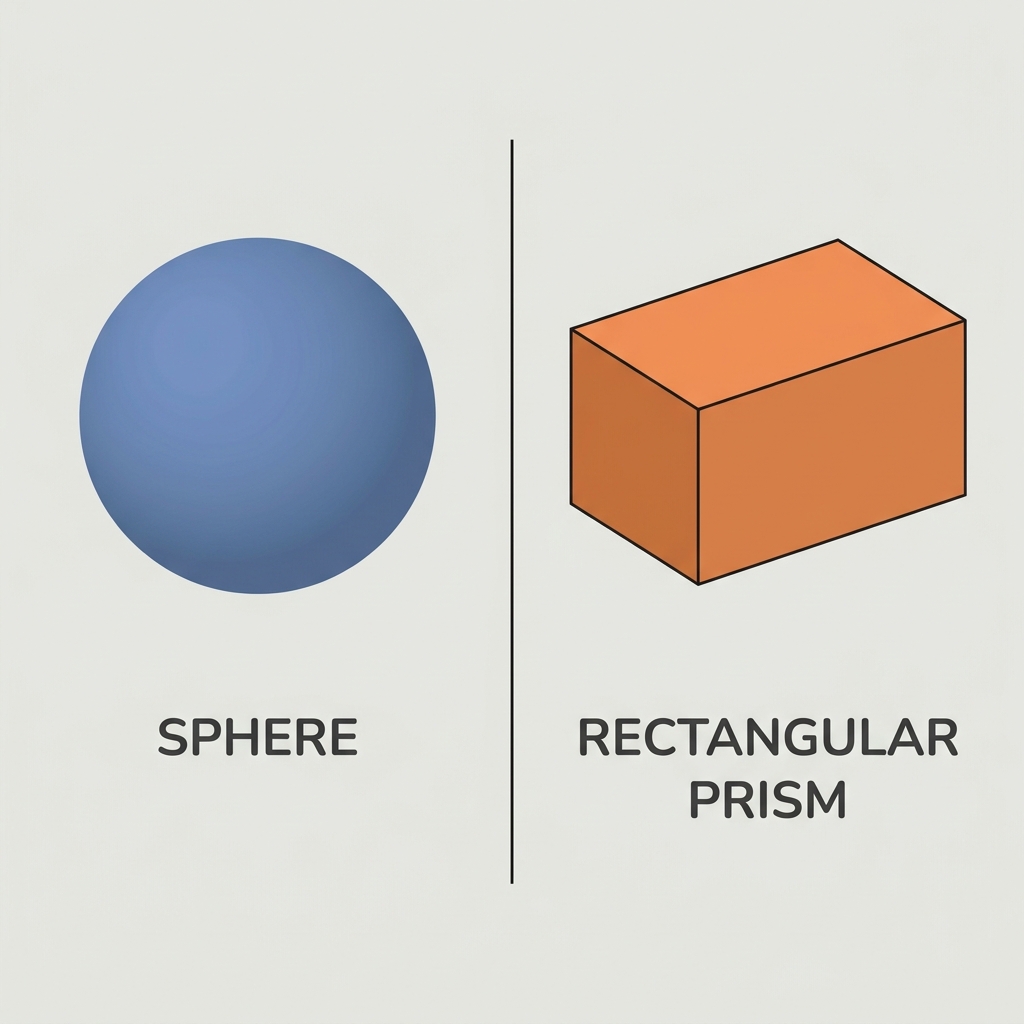
This lesson is also a reliable choice for a substitute day or independent study. The steps are clearly laid out, and the progression from the definition of a rectangular prism to the calculation of its volume is logical and sparse. It does not waste the student’s time with excessive busywork. It focuses on the math of the shape itself. If you are preparing for your geometry unit, this lesson is a straightforward way to make sure that the, sometimes dry, formulas actually land with the students. It turns a standard, abstract concept into a concrete, measurable object in the classroom.
Related lessons
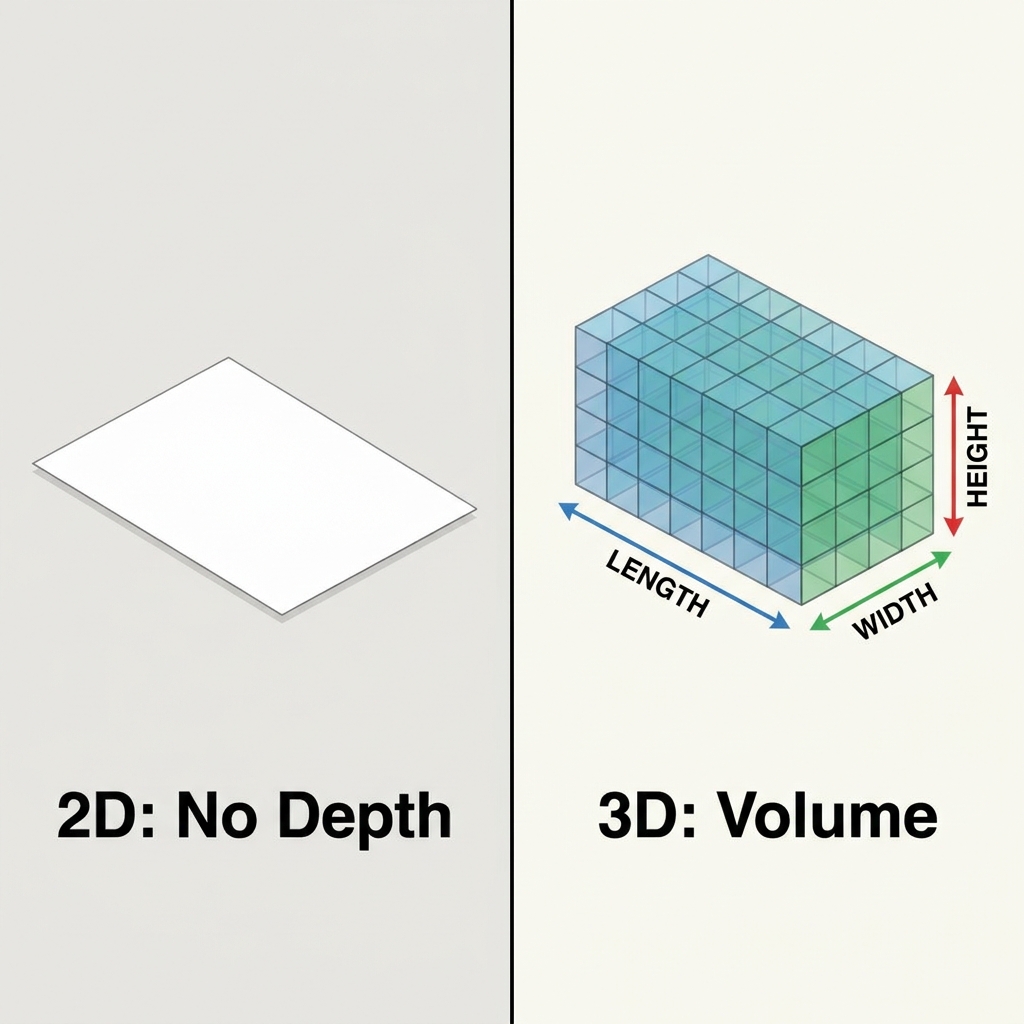
Understanding Volume with Unit Cubes, Teaches volume by counting individual unit cubes inside shapes
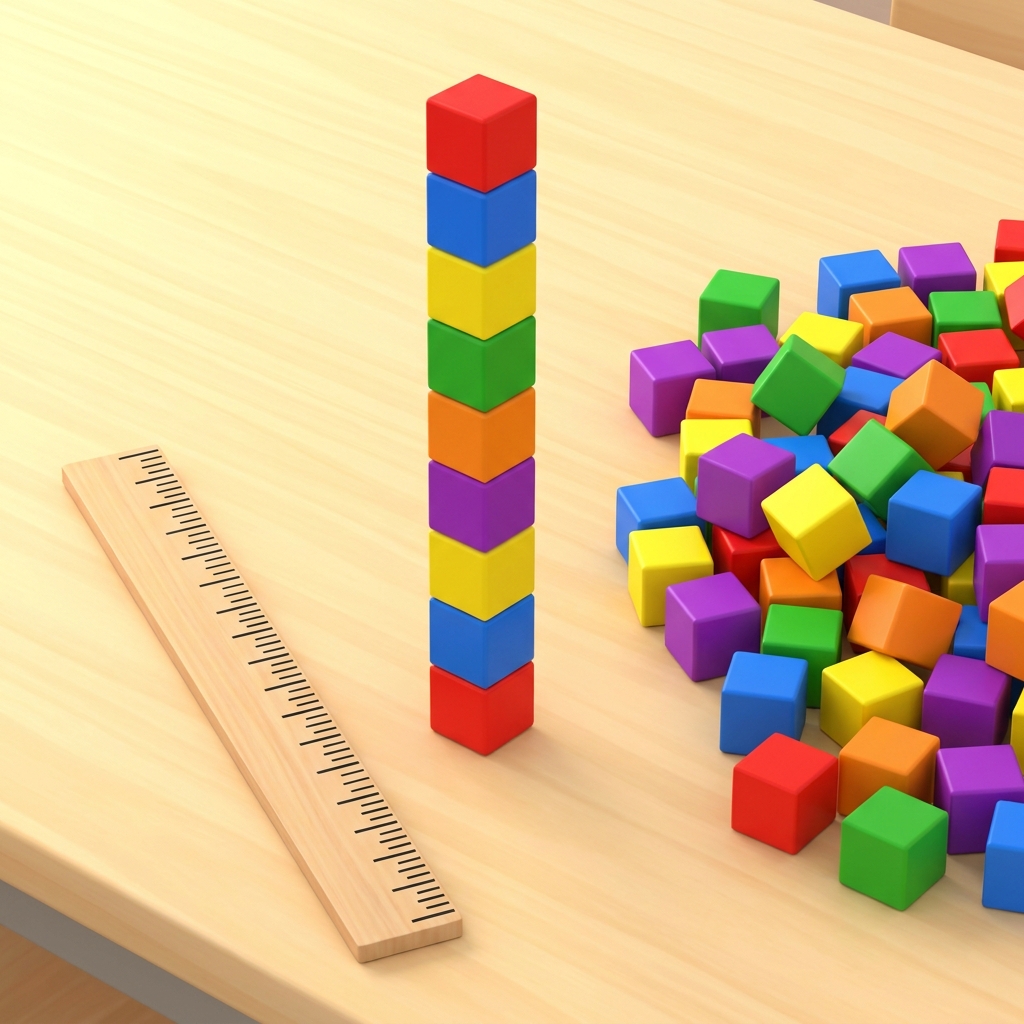
Measuring Volume with Unit Cubes, Practice calculating volume through counting layered unit cube models
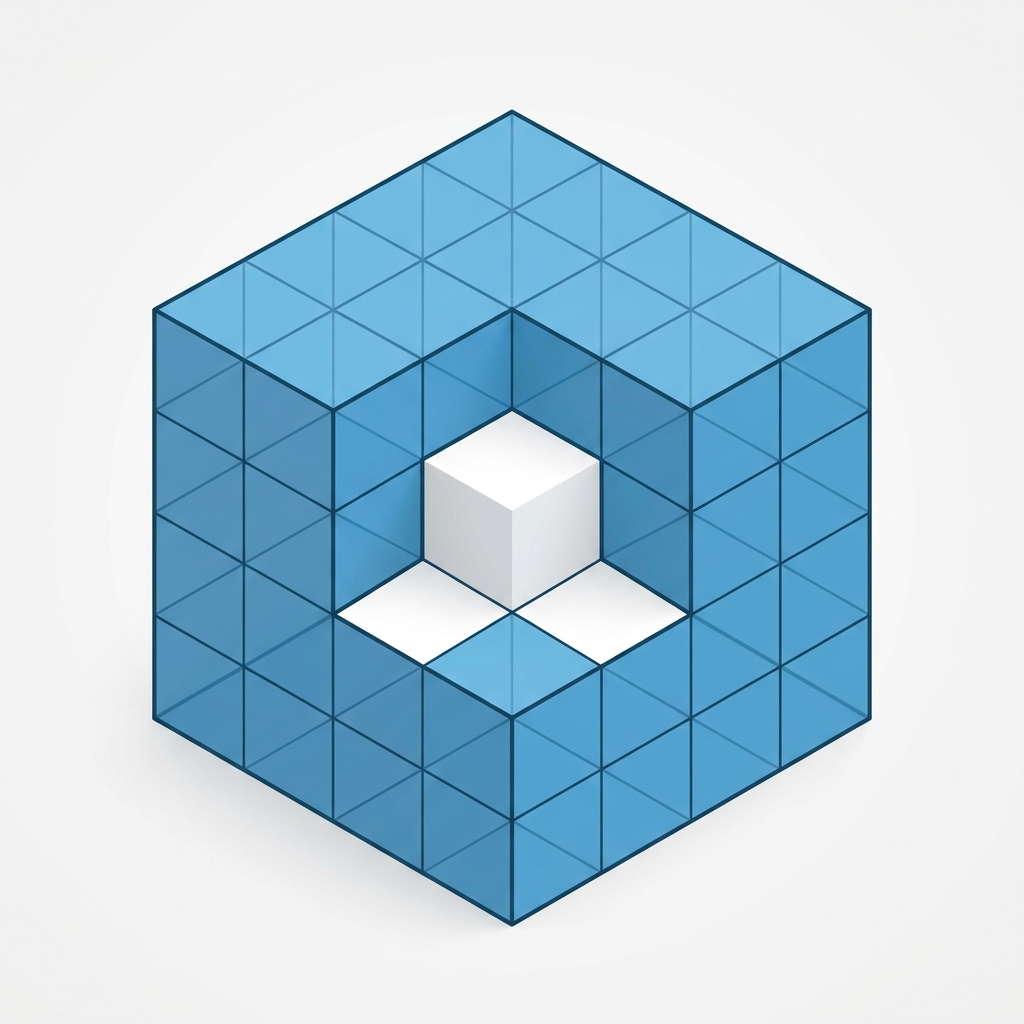
Building Volumes with Rectangular Prisms, Constructs volumes using defined rectangular prism dimensions and formulas