

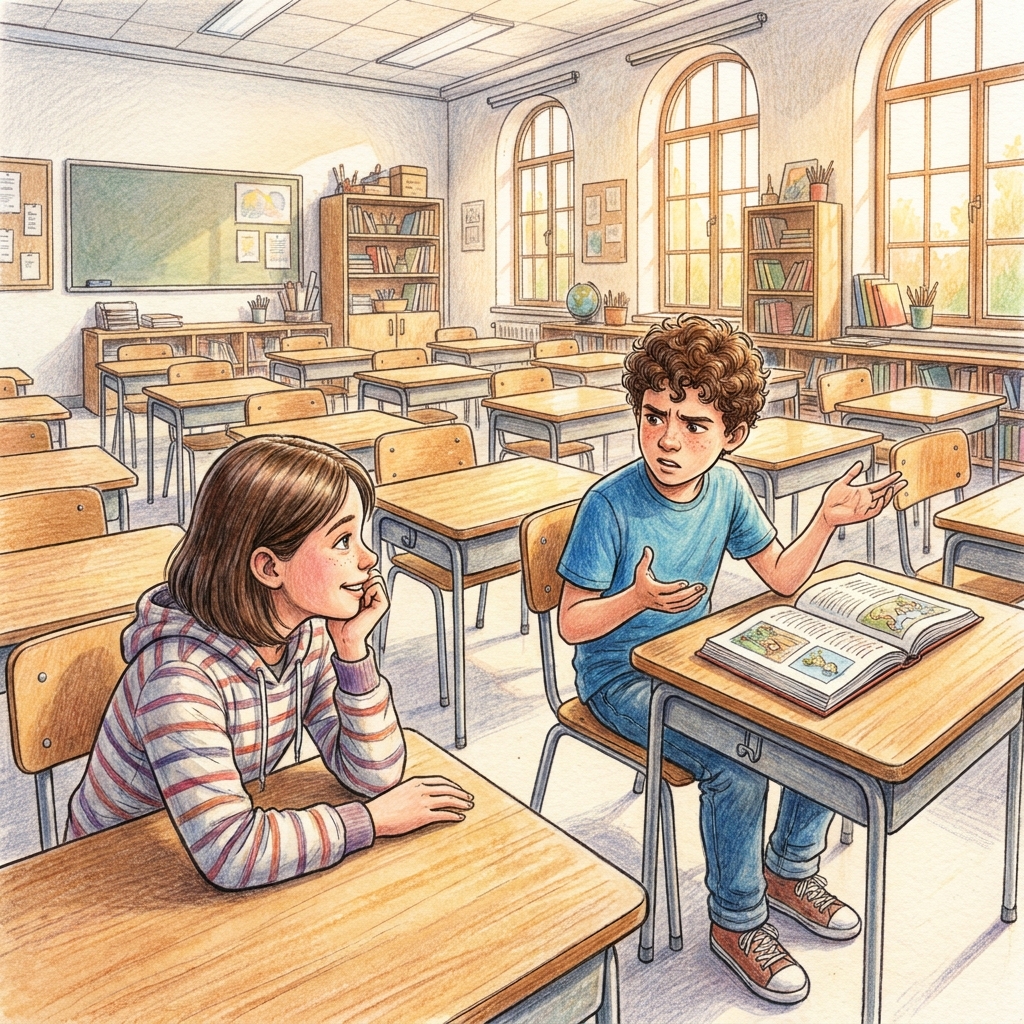
Classroom discussions often fall flat because students view them as performance rather than collaboration.
In 6th grade English Language Arts, the goal shifts toward getting students to treat their peers as partners in a search for meaning. The lesson Building Better Discussions focuses on the mechanical and social requirements of this transition. It moves past the simple act of taking turns to speak, requiring instead that students use specific facts to connect their own thoughts to the remarks of others.
When a teacher asks for a response, students often default to stating an opinion without a foundation. This lesson forces a change in that habit. It introduces three core terms: Collaborative discussion, which defines the conversation as a shared task of learning; Evidence, the specific facts, quotes, or details that ground a point; and Build on, which is the act of layering new insights onto a peer’s observation. The lesson helps students understand that the strongest classroom contributions are not those that exist in isolation. They are those that acknowledge what someone else said and provide a specific piece of evidence to advance the group’s collective understanding.
What the lesson actually asks students to do
The lesson begins with a short scenario: a student at a library table, highlighting an article about ancient civilizations. It establishes that successful participation starts before the talking begins. Students learn that marking key details during the reading phase provides the ammunition needed for an effective classroom talk. By the time they enter the 6th grade speaking and listening environment, they need to have those highlighted passages ready. The material includes a worked example where a student analyzes a character’s fear by citing the text: The author writes that the forest was dark and scary, which shows the character is afraid. This is a simple, direct model for students to emulate. The guided practice then shifts to a transcript regarding school uniforms, where students must identify how one speaker adds to another using textual proof.

This material covers the California-adopted standard CA.ELA.SL.6.1. This standard asks that students engage effectively in a range of collaborative discussions with diverse partners on grade 6 topics, texts, and issues, while building on the ideas of others and expressing their own thoughts clearly. Within the same lesson, we also address the sub-standard CCSS.ELA-LITERACY.SL.6.1, which serves as the core requirement for these collaborative expectations. Across the state, teachers in Anaheim Union High School District, West Contra Costa Unified, Soledad Unified, and Livermore Valley Joint Unified use this same standard to push their students toward higher-level academic discourse. The standard requires that students come to the table prepared, meaning they have read or studied the material, and they must explicitly draw on that preparation to probe and reflect on the ideas under discussion.
Where students slip
The most common hurdle in 6th grade is the disconnect between the preparation phase and the speaking phase. You might see a student who has done the reading and highlighted the text but remains quiet because they do not know how to bridge the gap. They possess the evidence but lack the sentence stems or the social confidence to interject. This lesson provides the structure for that transition. It encourages students to listen for a hook. When a classmate speaks, a student can latch onto a specific point and introduce their own evidence to confirm, challenge, or expand that point.
Another slip happens when students take over the conversation or drift into personal anecdote. The material emphasizes that the evidence must relate to the text or the topic at hand. When you see a student struggling to keep their comments focused, direct them back to the evidence they gathered from the reading. Remind them that the purpose is to reach a solution or a deeper understanding, not just to share their voice. This practice turns the discussion into a task-oriented group effort, which mirrors the collaboration they will need later in their schooling and careers. The lesson is well-suited for a whole-class assignment or as a review for a student who missed the week of initial instruction and needs a quick way to catch up on the mechanics of participating in a group.
The necessity of the skill
Teaching students to build on the ideas of others is not just a standard to be checked off. It is an essential life skill. When students realize that citing evidence validates their own claims and the claims of those who spoke before them, the classroom culture shifts. The room stops being a place where one person at a time talks to the teacher and becomes a place where people work together to share ideas, ask questions, and learn from one another. This change is difficult to encourage, but it is necessary for students to move beyond surface-level observations.
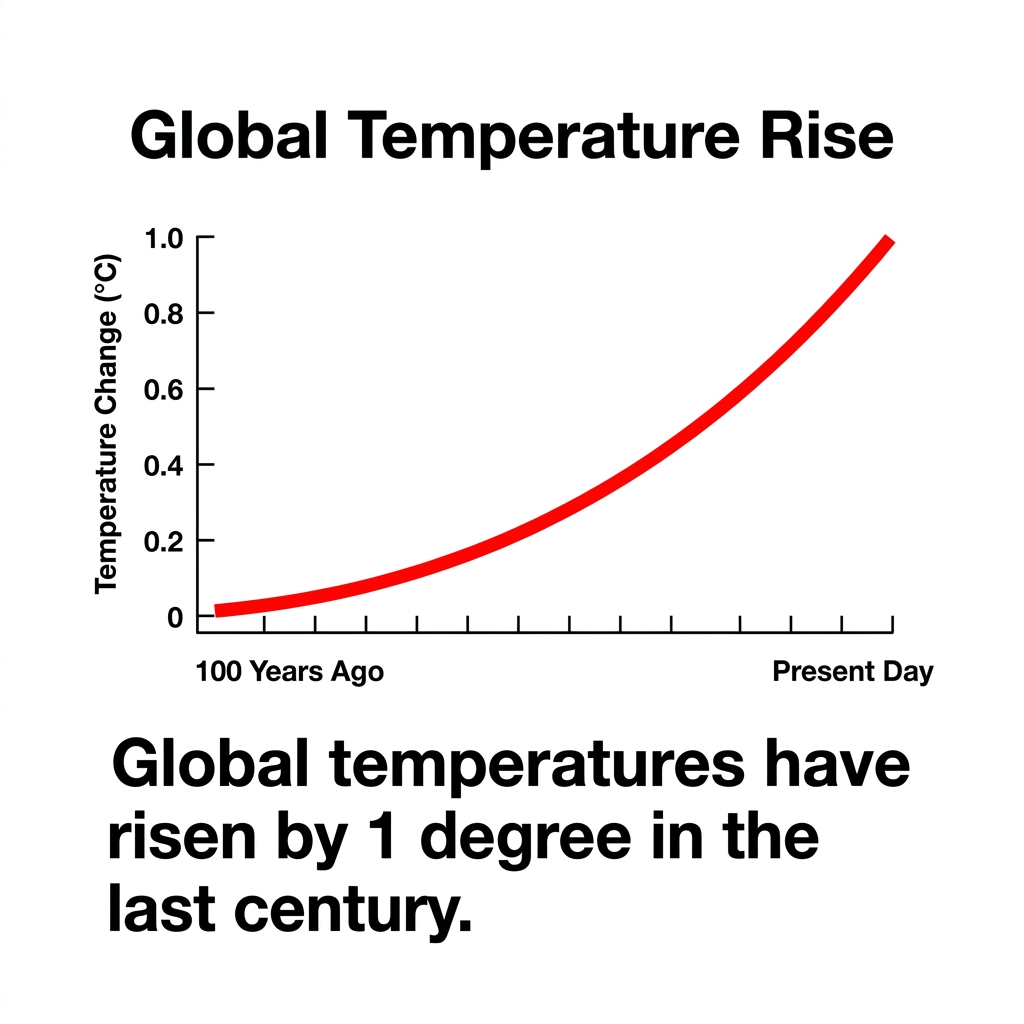
If you find that your students struggle to sustain a conversation for more than five minutes, they likely lack the skills to build on one another’s ideas. They might be waiting for their turn to speak rather than listening to what is actually being said. This lesson helps break that pattern. It provides a simple protocol for taking a peer’s idea and expanding it with a fact from the text. When you implement this, watch for the students who stop looking at you and start looking at each other. That is the moment they begin to lead the discussion themselves. The lesson provides a concrete path to that outcome by focusing on the preparation, the citation of evidence, and the logical extension of another person’s thought process. Use it when you notice your classroom conversations have become stagnant or when you are introducing a new text that requires multiple perspectives to understand fully.
Related lessons
Active Listening and Paraphrasing, Teaches techniques for listening closely and restating peer ideas accurately
Structuring and Delivering Informative Presentations, Guides students in organizing and presenting information for academic audiences
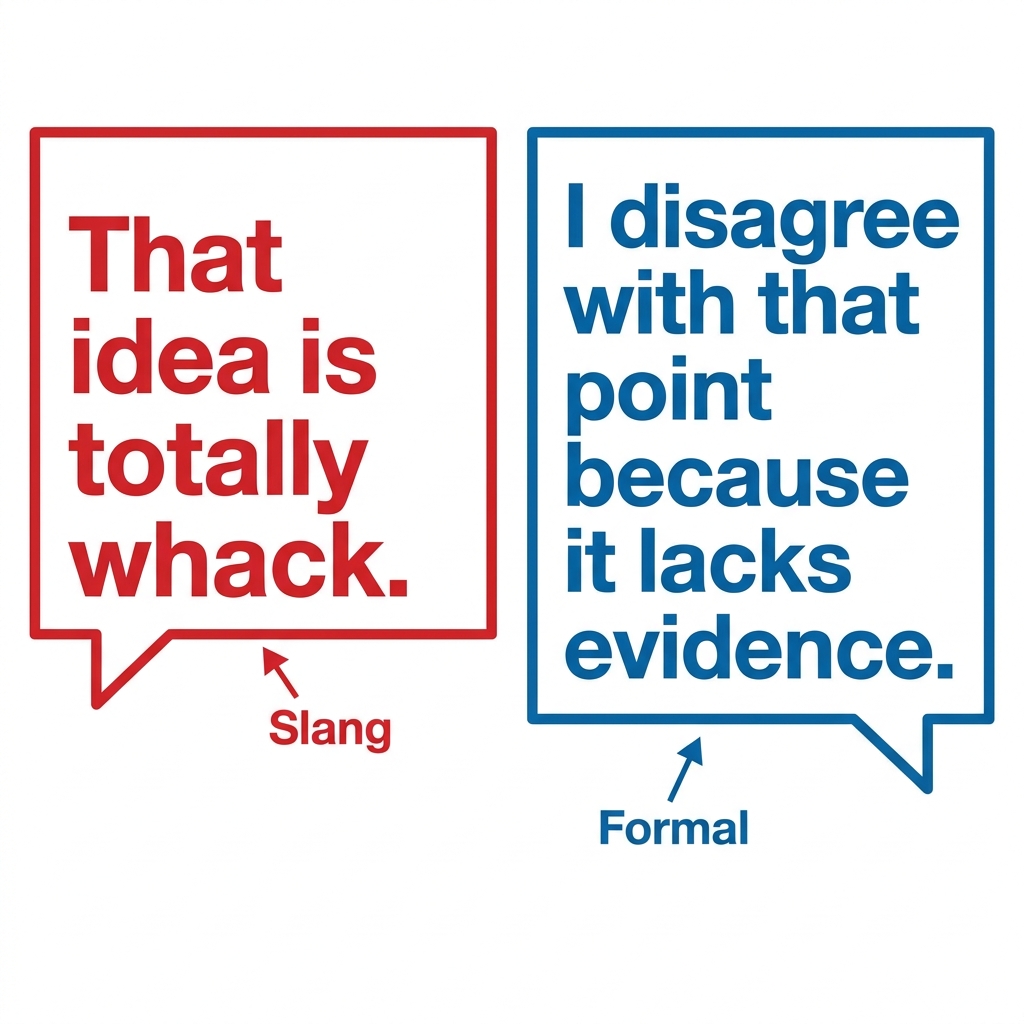
Speaking with Style and Purpose, Focuses on adjusting tone and delivery for different discussion contexts