

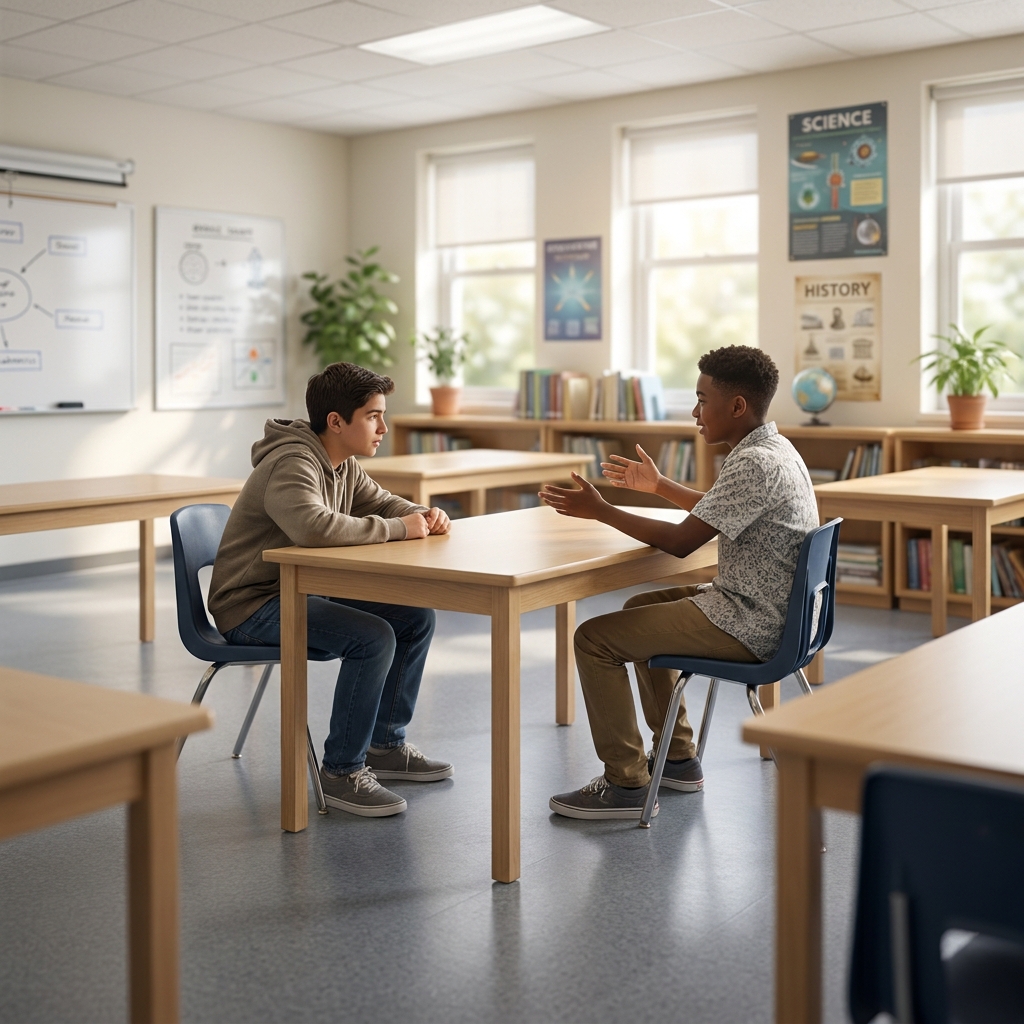
If you have ever watched a classroom discussion drift into a series of disconnected statements rather than a real conversation, you know the value of teaching active listening. This 6th grade English Language Arts lesson is built to fix that exact problem. It gives students the tools to stop waiting for their turn to speak and start listening for the actual ideas their peers are bringing to the table. By the time students finish this session, they will have practiced how to synthesize what they hear and restate it clearly, ensuring that classroom talk remains meaningful.
How this lesson builds productive talk
You can find the materials at Active Listening and Paraphrasing. It is a straightforward resource that covers the mechanics of listening and the art of restating someone else’s point of view. The lesson introduces the fundamental concept of paraphrasing, which it defines as restating someone else’s ideas in your own words to show that you have listened carefully and understood their point of view. This focus on checking one’s understanding is exactly what CA.ELA.SL.6.1.D asks for in the California-adopted standards. When you teach this to your students, you are hitting the specific requirement to review key ideas expressed by others and demonstrate that understanding through reflection and paraphrasing. Teachers in Temecula Valley Unified, Montebello Unified, Exeter Unified, and Lawndale Elementary School District all use this standard to keep classroom discourse focused, and it is the same everywhere else in California.

The mechanics of listening and reflection
The lesson starts by recognizing that listening is an active, not passive, habit. The opener reminds students that in a discussion, it is normal to get lost or distracted, but a good listener identifies key ideas. The material provides a clear example that shows how a speaker might offer an opinion on renewable energy, saying: ‘I believe we should focus on renewable energy to save the planet.’ A student who has mastered this skill might respond with: ‘You are suggesting that renewable energy is a key way to protect the environment.’ This example demonstrates why the approach works: it captures the original goal while using different words to confirm clarity.
Beyond the simple restatement, the lesson teaches students to engage in reflection. This is defined here as thinking deeply about what someone has said to identify their main point and the perspective behind it. Perspective, in this context, is the particular way of considering or viewing a topic based on a person’s own experiences and beliefs. By pushing students to acknowledge that a peer’s opinion comes from a specific viewpoint, the lesson moves past basic summary into real comprehension. This kind of work is essential for middle schoolers who are still developing their own arguments and learning how to weigh them against the views of others.
For those times when you need a solid 6th grade speaking and listening lesson, this one fits the bill well. It works perfectly as a whole-class activity to launch a unit on debate or literature circles, but it is also useful for a student who missed the week and needs to catch up on discussion participation. I have found that students often struggle with the difference between repeating a speaker and paraphrasing, so the guided practice with the textbook discussion passage is a helpful intervention for anyone hitting that wall. It forces them to look for the heart of an argument rather than just the surface-level details.
Refining the process for students
One of the best parts of this material is how it handles the ‘why’ behind the skill. It is not just about following classroom rules; the lesson frames paraphrasing as a life skill. Whether students are listening to news, understanding instructions, or talking with friends, the ability to paraphrase keeps them from misunderstandings. It is also a way to show respect for a peer’s ideas. When a student paraphrases correctly, they are telling their classmate that their voice matters enough to be understood accurately. This small shift in perspective can change the tone of a class discussion from adversarial to collaborative.
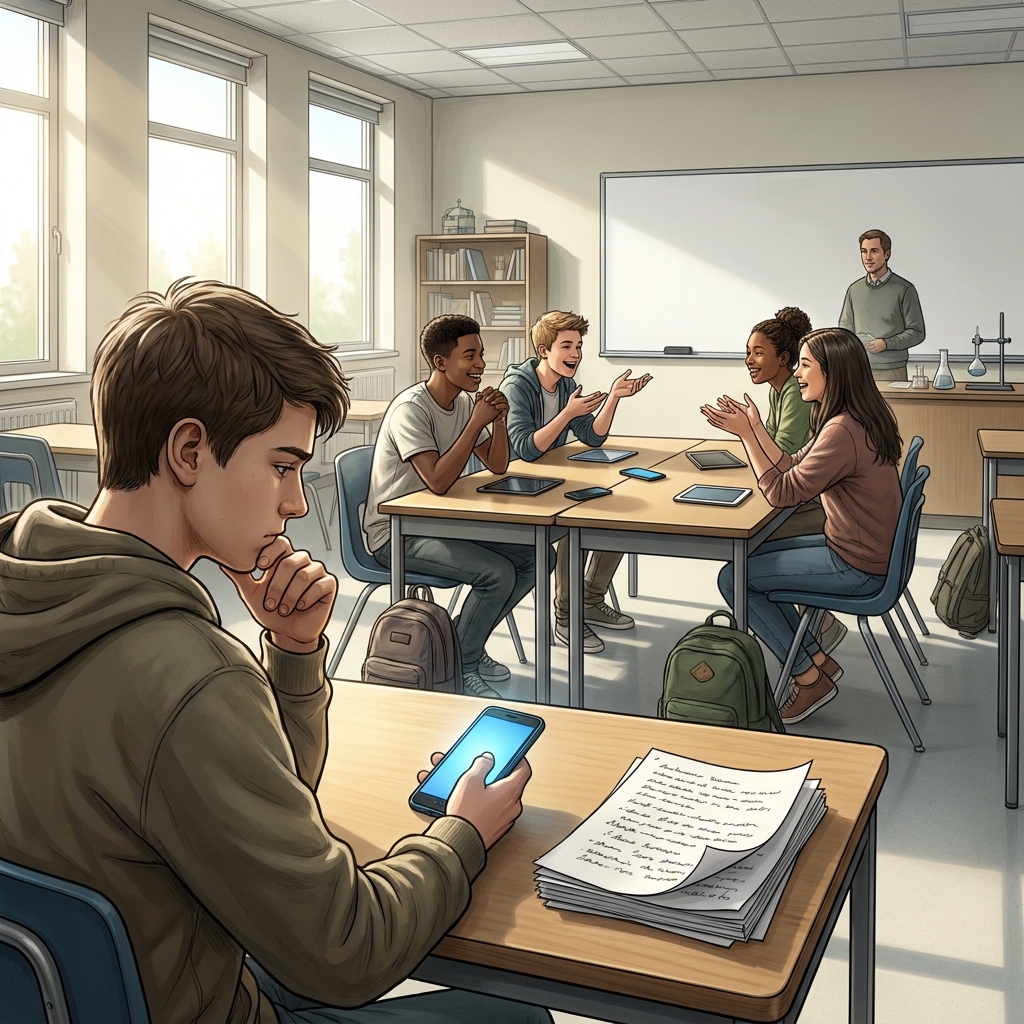
The lesson is designed to be completed in about 45 minutes, which is usually enough time to walk through the definitions and work through the provided examples together. I recommend using the provided passage in the guided practice portion to model how to identify the speaker’s main intent. You might even have students try to paraphrase each other’s ideas in pairs before moving to the written passage. This builds their comfort level before they have to do it in front of the whole group. The progression is logical, moving from the definition of terms to seeing the skill in action, and finally to practicing it on their own.
One limitation to watch out for is that some students might feel mechanical when they first start paraphrasing. They may start every sentence with ‘So what you are saying is…’ which can get repetitive. I usually tell my students to focus on the content of the idea rather than finding a formulaic opener. The goal is to show understanding, not to follow a script. As they get more practice, they stop sounding like robots and start sounding like peers who are actually listening to one another. Keep an eye on those moments where a student misses the nuance of a speaker’s point, as that is where they usually need a nudge to reflect a bit more deeply on the speaker’s original perspective before they try to restate it. Getting that balance right makes for a better classroom experience for everyone involved.
Related lessons

Evaluating Arguments and Claims, Teaches students how to analyze claims and judge supporting evidence
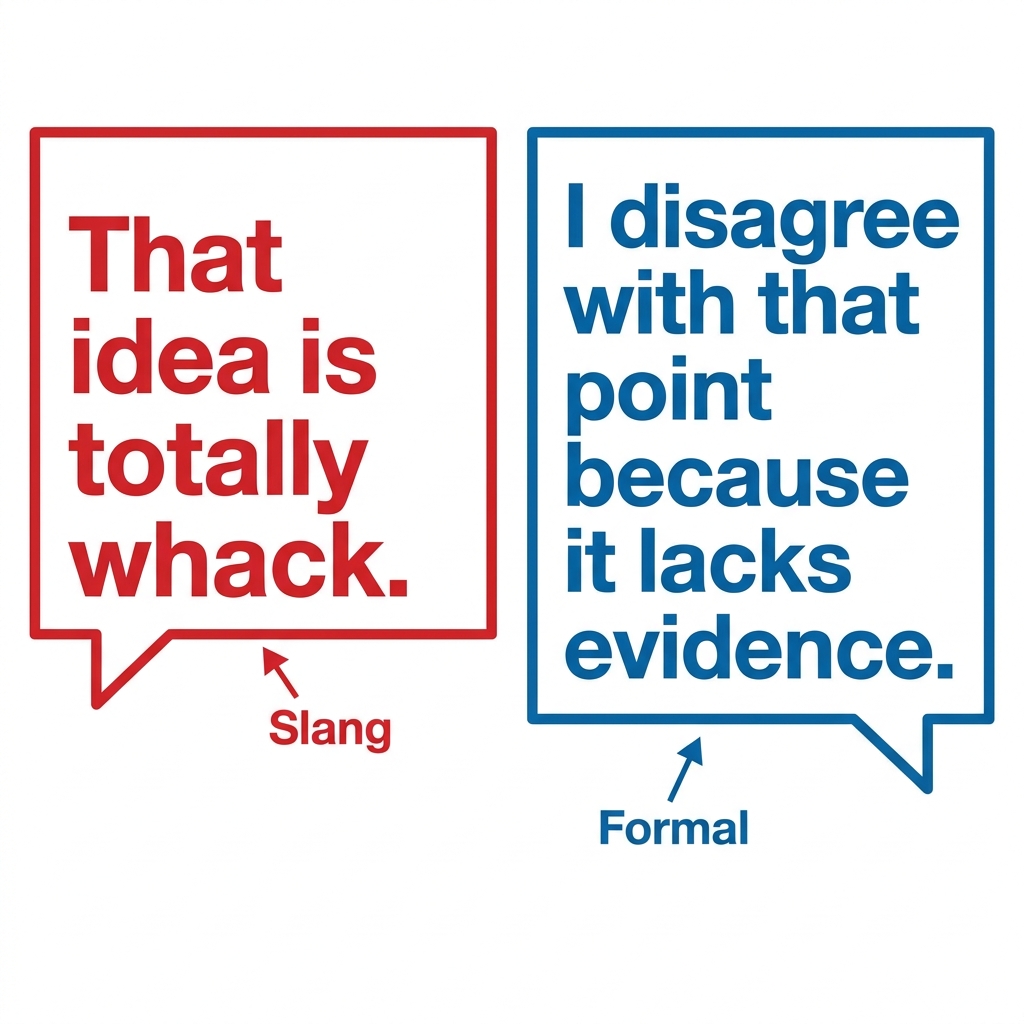
Speaking with Style and Purpose, Covers techniques for delivering effective and intentional spoken presentations
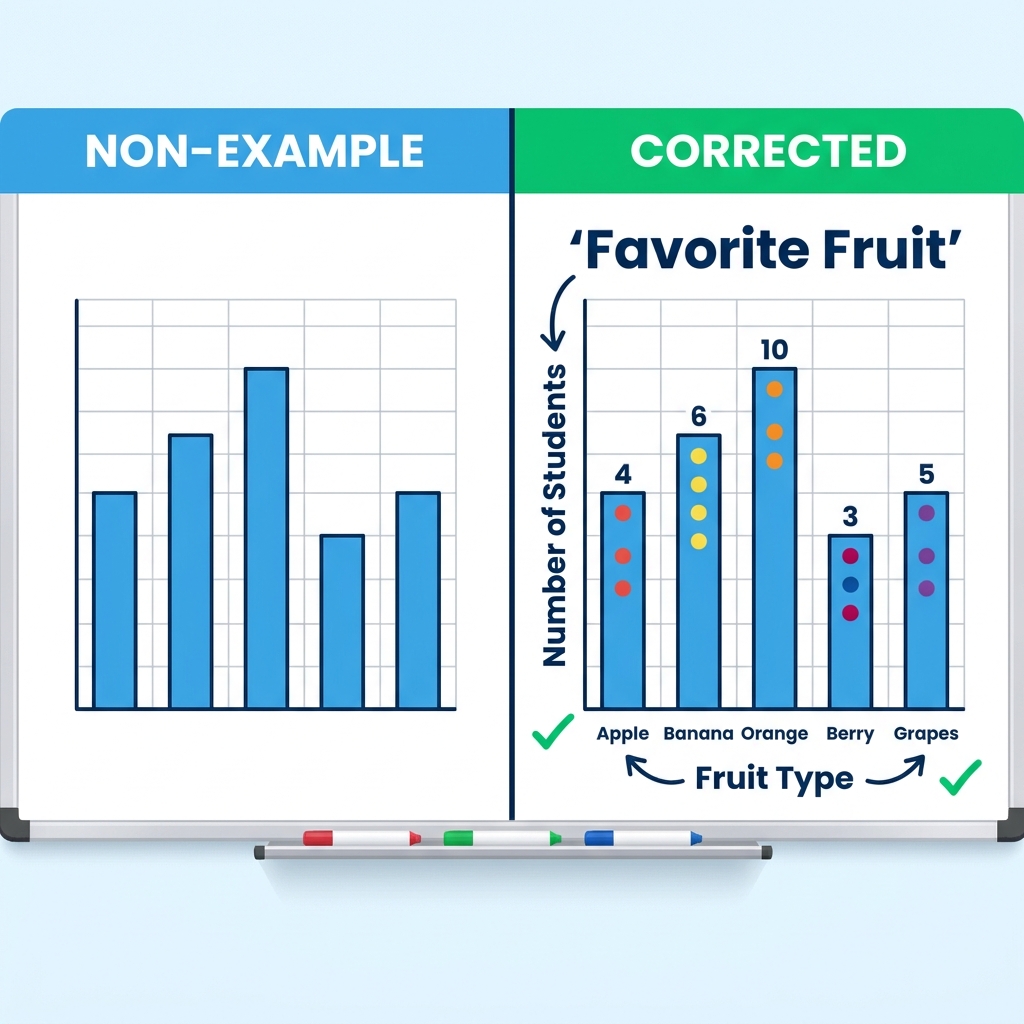
Enhancing Presentations with Multimedia, Shows how to integrate digital media into effective spoken reports