

I finished looking over the student records from last week, and you are right to be concerned about the geometry gap for those few learners who missed the initial shape unit. Kindergarten mathematics relies heavily on building a solid foundation of spatial awareness before we ask them to solve more complex problems in later years. This lesson, Building Shapes, provides exactly the kind of tactile experience that students need to cement their understanding of how geometry works in the physical world.
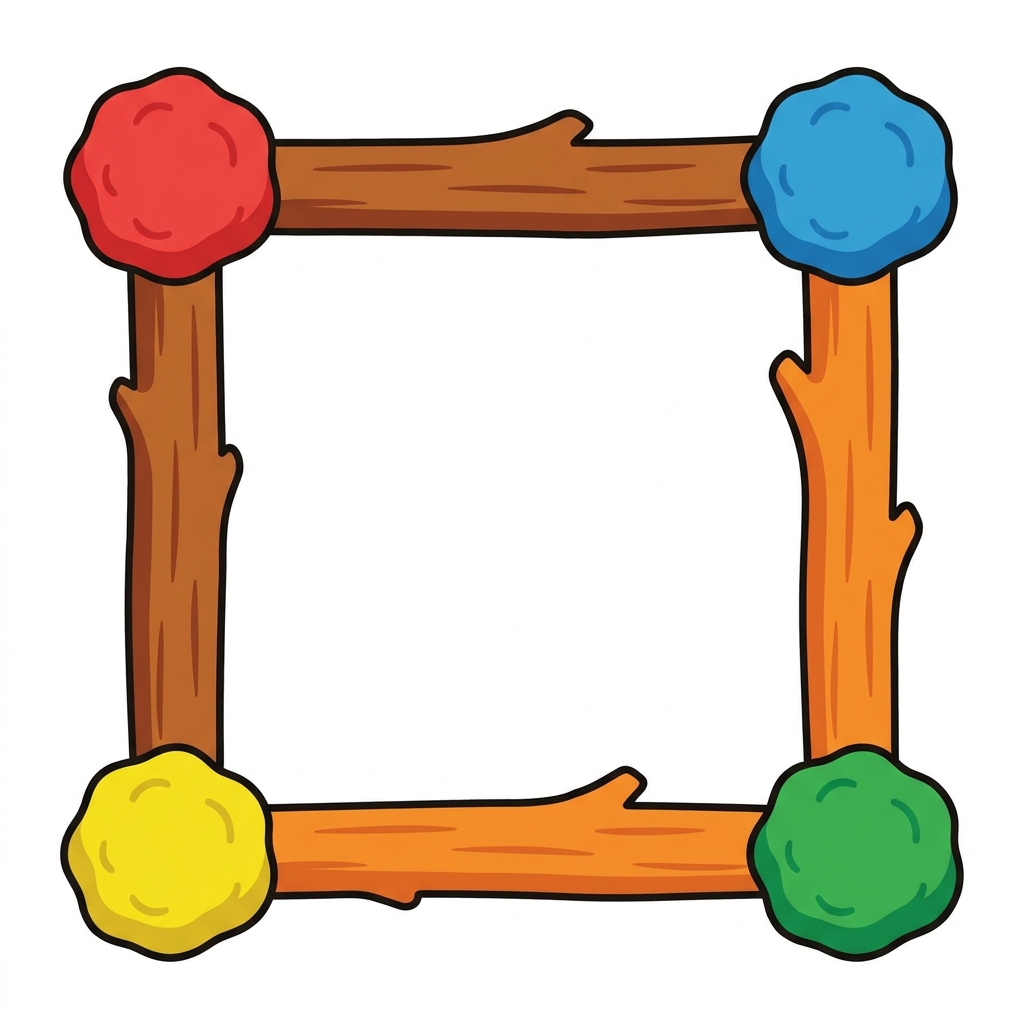
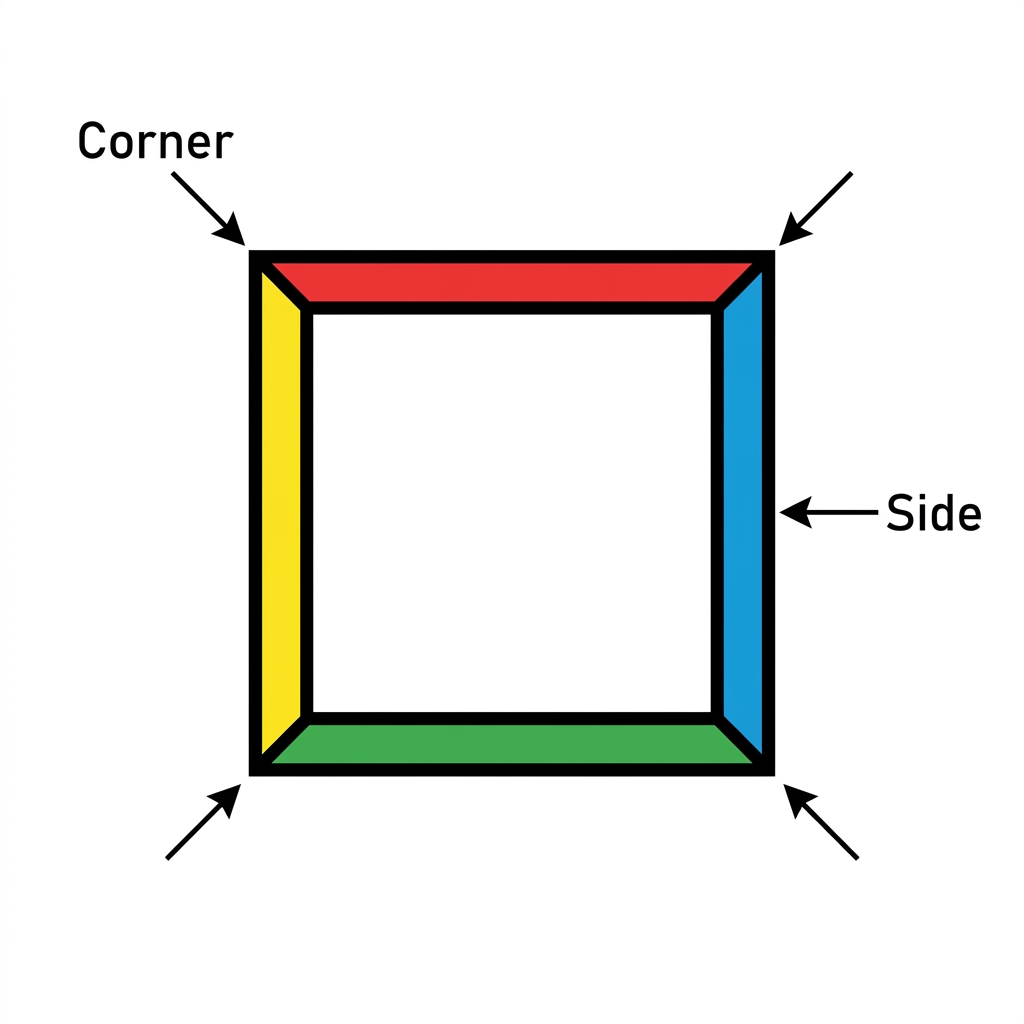
When a student falls behind in math, they often struggle because they are trying to memorize shape names without understanding the construction of those shapes. This kindergarten geometry modeling lesson puts the materials directly into their hands. The objective is simple and direct: “I can build shapes using sticks and clay balls.” By physically connecting these components, a student begins to see that a triangle requires three distinct sides and three vertices, while a square requires four equal segments. They are not just looking at a picture in a book or on a screen; they are actually assembling the evidence themselves.
The standard and what it demands
The lesson aligns with the California-adopted standard CA.MATH.K.G.5. This standard asks students to model shapes in their surroundings by building them from basic components, like sticks and clay balls, and also by drawing them. It is the same standard taught in Bakersfield City School District, Capistrano Unified, Westside Union Elementary School District, and King City Union School District. Educators across our state use this specific approach because it requires a student to demonstrate that they understand the properties of a shape rather than just being able to identify a drawing from a multiple-choice list.
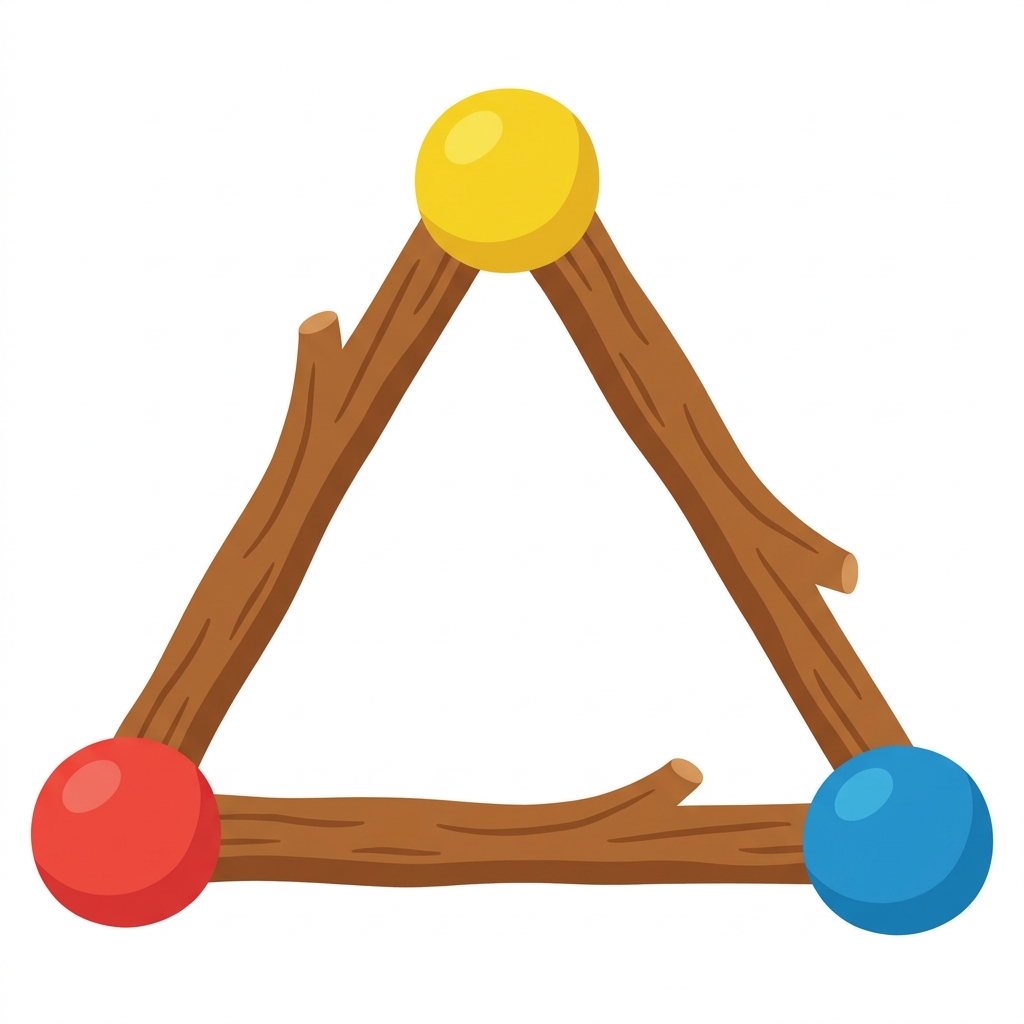
When a student builds a shape, they confront the physical limitations of the geometry. If they try to build a rectangle, they have to decide if the sticks need to be different lengths for the opposite sides. If they make a mistake, they can feel the shape collapsing or looking wrong. This immediate feedback loop is vital for intervention. It allows the teacher to observe exactly where the misunderstanding occurs. Are they failing to join the vertices correctly? Do they lack the spatial planning to lay out the four sides before connecting them? You see the thinking process happen in real time.
Why this fits for intervention and recovery
I often suggest this lesson for a student who needs a targeted intervention or for a day of attendance recovery because it is so focused. The entire activity is designed to take about 15 minutes. It is a clean, manageable block of time that prevents a struggling student from feeling overwhelmed by a massive module. You can set them up with the materials, let them go, and have them return to you with their creations to explain which shapes they made and how many sides they used. It is a quick check-in that gives you a clear sense of their progress.
If you are an independent study coordinator or a teacher managing a student who has missed the week, this is a perfect way to keep them caught up. The material is very low-barrier, yet it hits the high-level cognitive work of decomposing and recomposing shapes. I have seen students who struggle with abstract math concepts suddenly light up when they are tasked with building a physical model. There is a sense of accomplishment in holding a three-dimensional model of a square that a worksheet just cannot replicate.
One caveat to keep in mind is the mess factor. If you are doing this in an intervention setting, have a specific tray or workspace ready for the clay balls. It sounds minor, but losing the materials or having them roll away is a distraction that can break the student’s concentration. Keep the focus on the task of connecting the vertices. If the student can build a square and a triangle, they have met the core requirement of the activity. Do not worry if their shapes are not perfectly symmetrical. The point is that they understand the relationship between the components that make the shape exist.
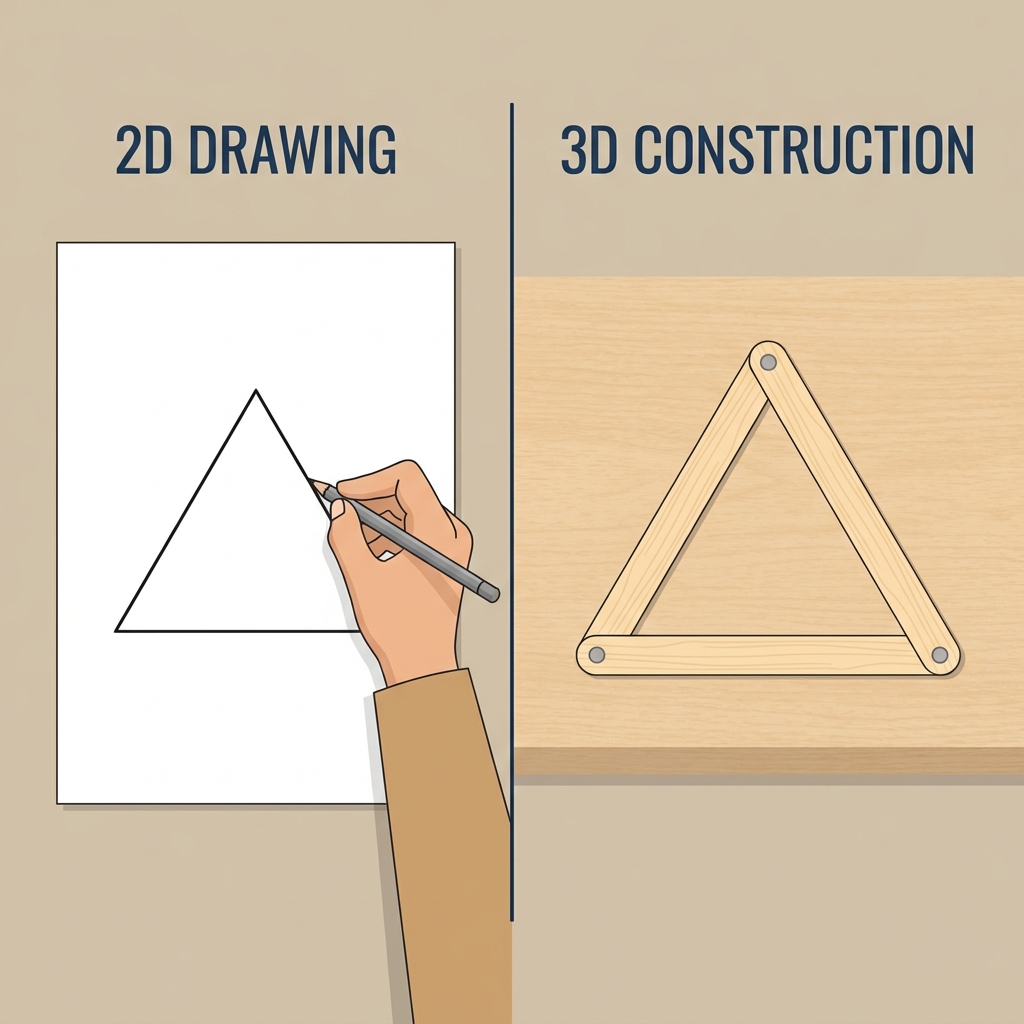
When the student completes the construction, have them draw the shape they built on a piece of paper. This bridges the gap between the concrete building process and the symbolic representation they will see in later assessments. By the time they finish the 15 minutes, they have manipulated, built, and drawn their target shapes. It is as efficient a way as I have found to tackle this geometry standard while giving the student a sense of agency over their own math work.
Related lessons
Shapes All Around Us, Identify various shapes located within the everyday environment
Counting to 10, Practice counting objects and identifying numerals up to ten

Flat or Solid Shapes, Distinguish between two-dimensional and three-dimensional geometric shapes