

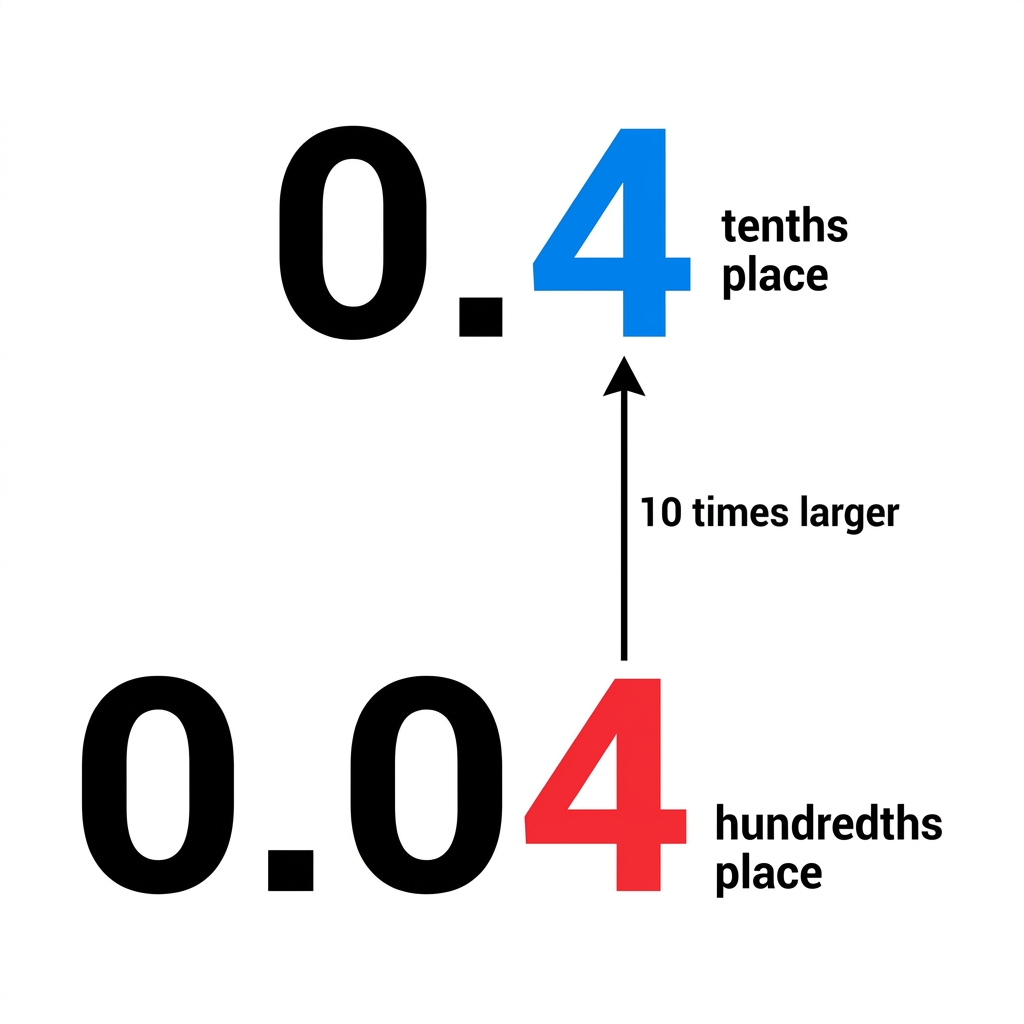
When you start teaching decimal operations in fifth grade mathematics, you quickly notice a persistent error: students often view decimals as whole numbers in disguise. They look at 0.4 and 0.04 and assume that because four is four, the numbers are somehow equivalent or that the one with more digits is larger. This is the moment to stop and revisit the bedrock of our numbering system before moving into calculations. The Understanding Place Value and Powers of 10 lesson helps you hit this point hard.
This material is designed for your 5th grade classroom. It focuses on the multiplicative nature of the base-ten system, ensuring that students do not just memorize rules but understand that every digit has a specific value depending on where it sits in a number. This foundational concept is the exact same one taught across California, from the classrooms of Fremont Unified and Sacramento City Unified to the schools in Brea-Olinda Unified and Compton Unified.
Addressing the logic behind the decimal point
The lesson centers on the idea that in our base-ten system, each place is ten times the value of the place to its right. This is not just a math quirk but the fundamental rule governing how we write and read numbers. The material defines a base-ten system as a number system where each place is 10 times the value of the place to its right, and defines place value as the value of a digit based on its position in a number. When you use this fifth grade decimal place value lesson, you are helping them see that decimals are not a separate set of rules, but an extension of the whole number system they already know.
The worked example provided is particularly effective. It asks students to consider 0.4 and 0.04. By physically locating the 4 in the tenths place and the 4 in the hundredths place, students visualize the gap between them. Because the tenths place is to the left of the hundredths place, 0.4 is 10 times as much as 0.04. Getting students to see that shift as a factor of ten, rather than just moving a dot, changes their entire approach to computation later on.
Practical application and precision
I find that my students really tune in when the math moves away from abstract drills and toward something tangible. The lesson includes a guided practice scenario involving the weight of gold nuggets, which is a great way to ground the concept. It also introduces a why-it-matters statement: precision in engineering. If a part is measured as 0.1 mm instead of 0.01 mm, that part might not fit correctly. That kind of real-world stakes makes the math feel less like a worksheet and more like a necessary skill for accuracy.
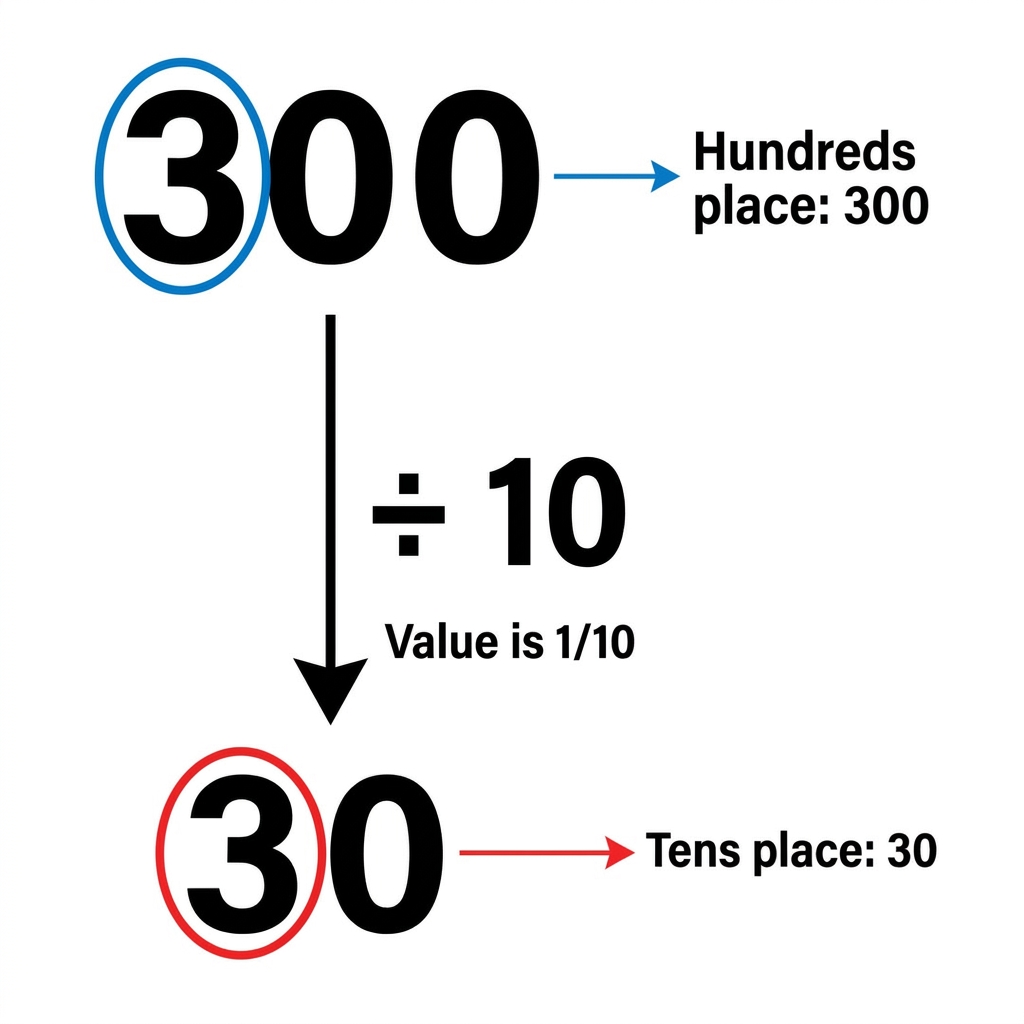
You will find that this material maps directly to the California-adopted standard CA.MATH.5.NBT.1. This standard asks students to recognize that in a multi-digit number, a digit in one place represents 10 times as much as it represents in the place to its right and 1/10 of what it represents in the place to its left. This is consistent with the expectations set out in CCSS.MATH.5.NBT.A.1, which covers the same requirement to extend place value understanding to decimals through thousandths and use powers of 10 to explain the relationship between adjacent places. When you teach this, you are fulfilling the core requirement for base-ten operations.
Managing the lesson flow
This session takes about 45 minutes to complete. Because of that, it works well as a whole-class assignment, but I have also found it perfect for a student who missed the week and needs to get back on track quickly. It is also a solid choice for a substitute day because the instructions are clear and the learning goals are easy to track without requiring a deep background in your current unit’s specific pace.
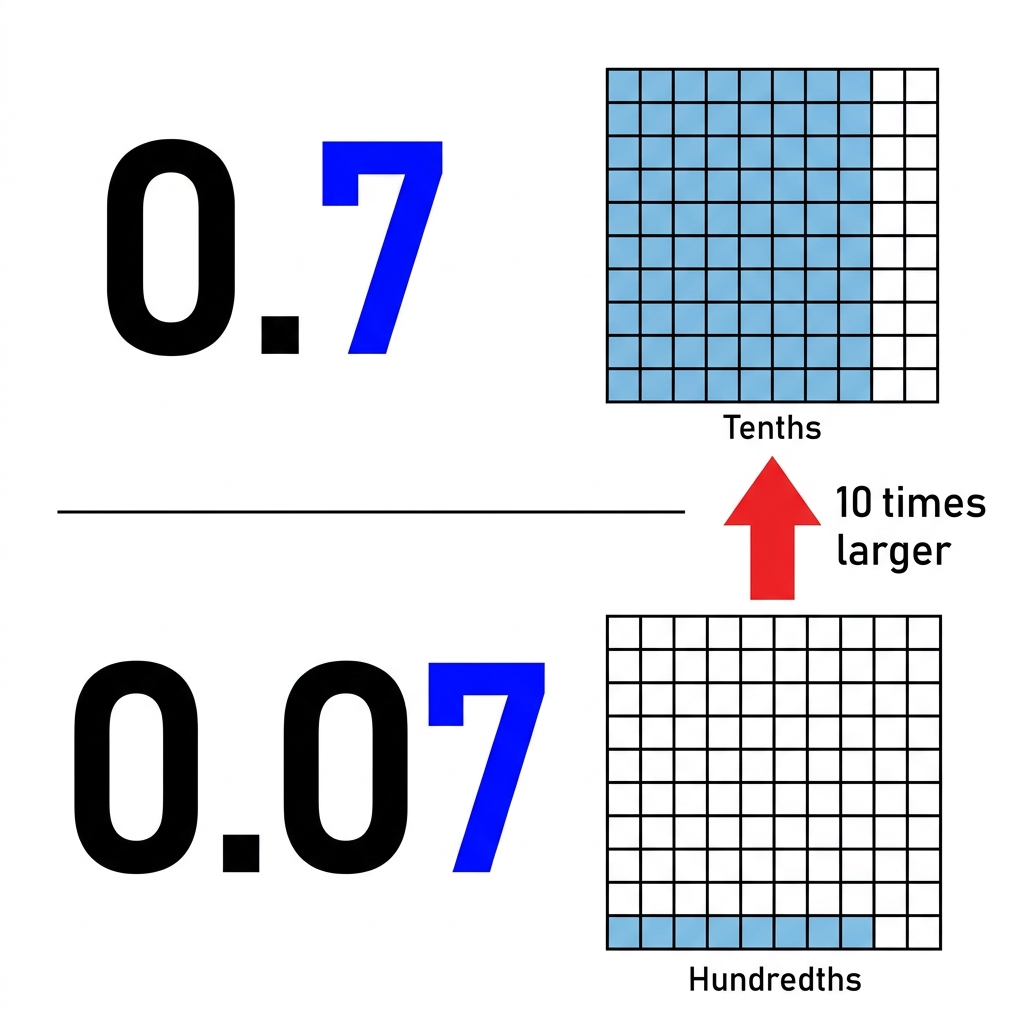
My biggest piece of advice is to not rush the prior-knowledge opener. The lesson starts by reminding them that counting by tens is a way to build larger numbers. If you skip this, students who are already shaky on whole-number place value will struggle to make the leap to decimals. Spend the extra few minutes verifying that they actually see the digit values shifting. Once that mental model is set, the actual decimal conversion becomes significantly easier for them to manage independently.
Where students often trip up
The trickiest part for many is the reversal: understanding that moving a digit to the right makes it 1/10 of the original value. They get the 10 times part quickly, but the fraction part feels abstract. I usually use base-ten blocks or a quick drawing of a grid to show how a tenth of a cube is a smaller slice. Do not worry if they are quiet during this part of the discussion. It takes time for the light bulb to go off, and having the lesson structure to lean on makes the conversation much more organized.
There is no fluff here, just a solid sequence of practice that builds confidence. If you need a resource that hits the standard without being overly complex, this is it. It respects the time you have in your day and respects the student’s need for clear, logical progression.
Related lessons
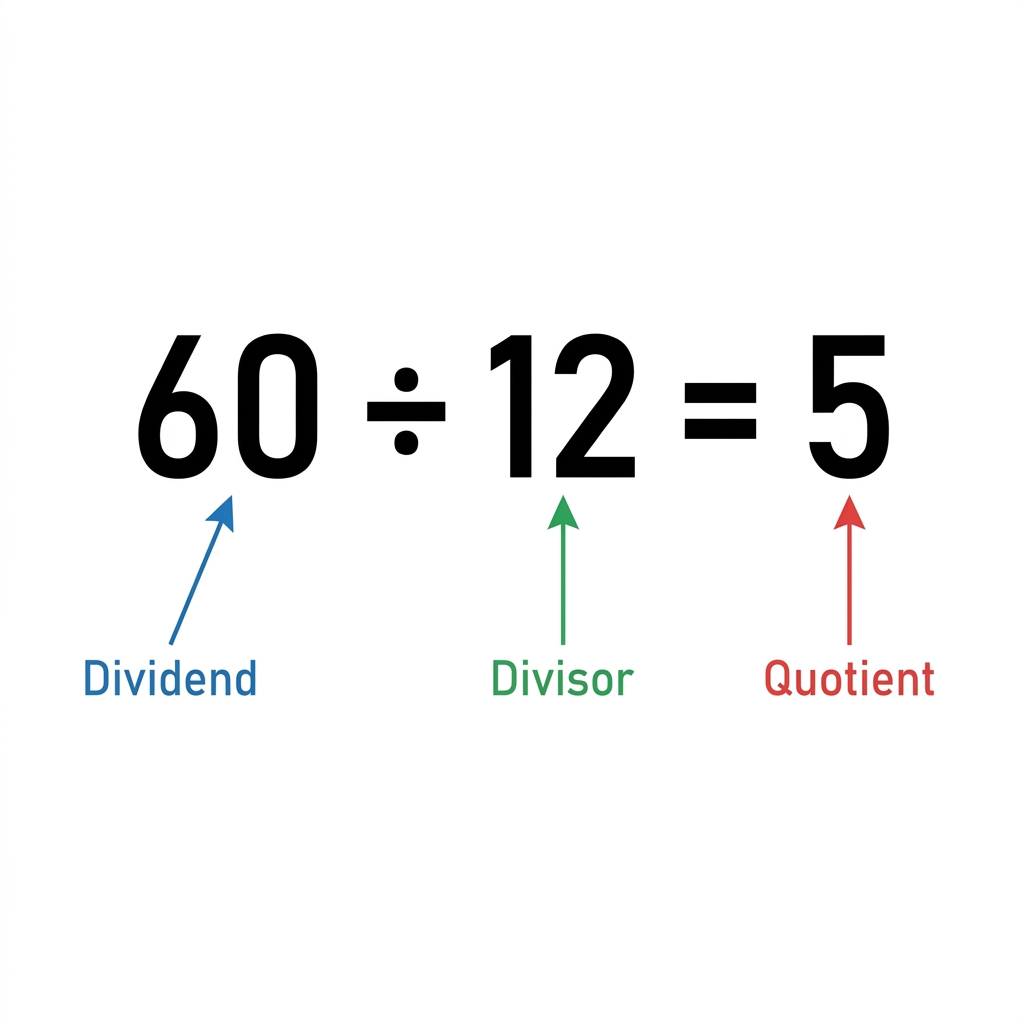
Dividing Whole Numbers with Place Value, Using place value knowledge to solve division problems with larger numbers
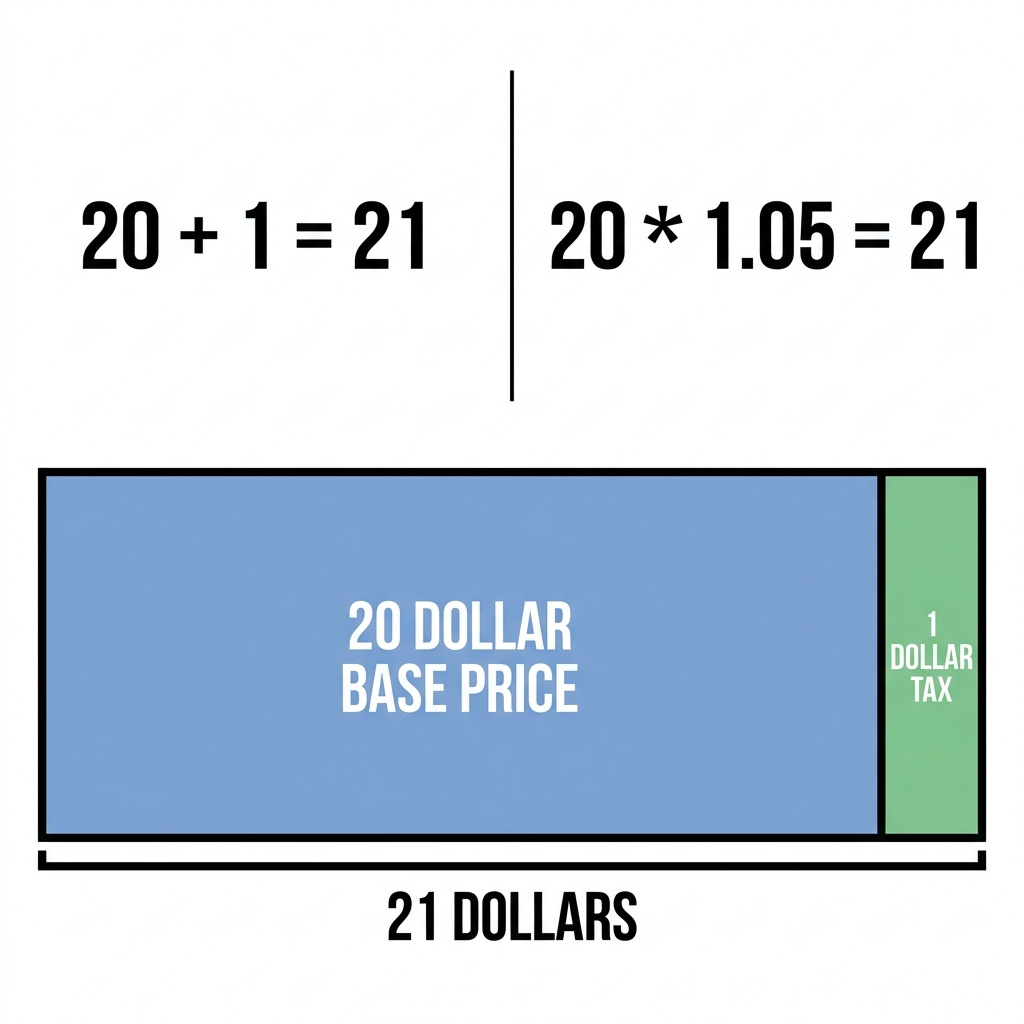
Shopping with Decimals, Practical application of decimal place value in real world shopping scenarios
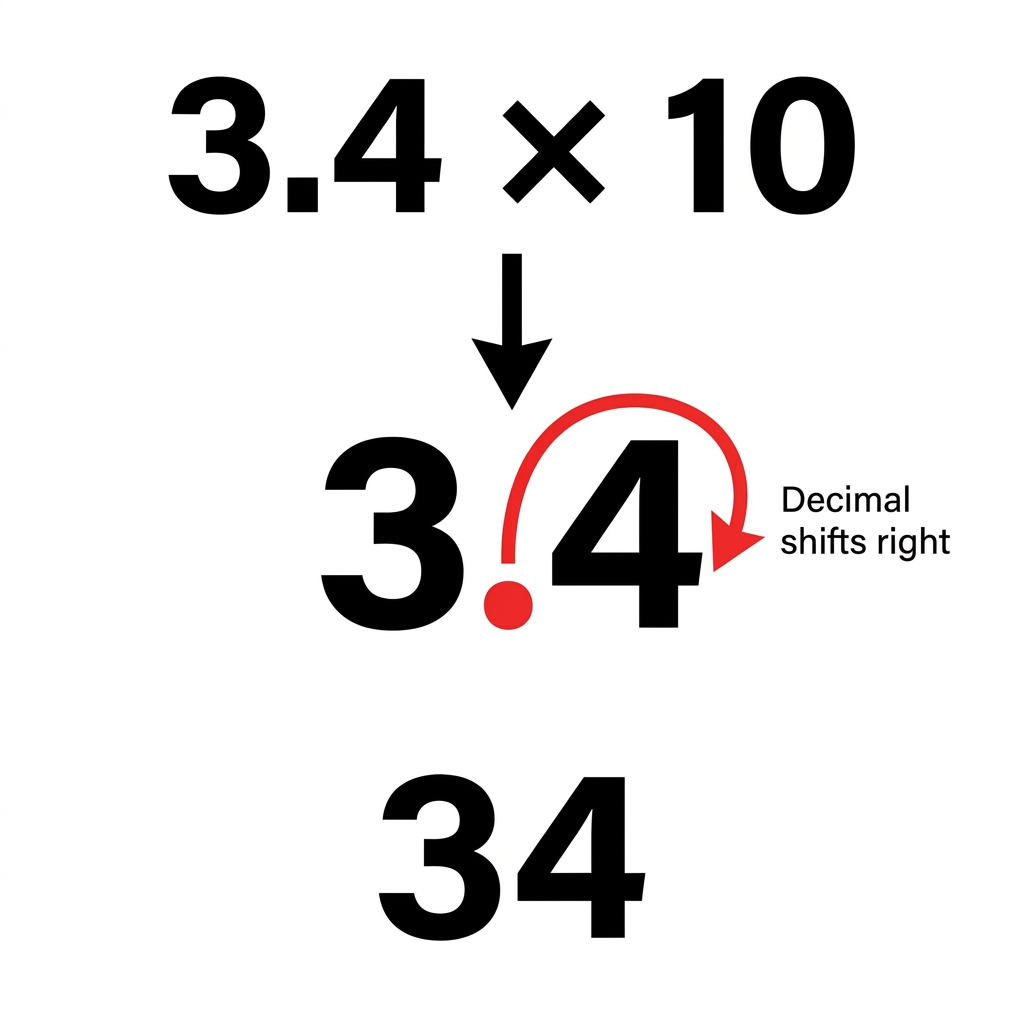
Powers of 10 and Decimal Patterns, Explaining the relationship between adjacent places using powers of ten patterns