

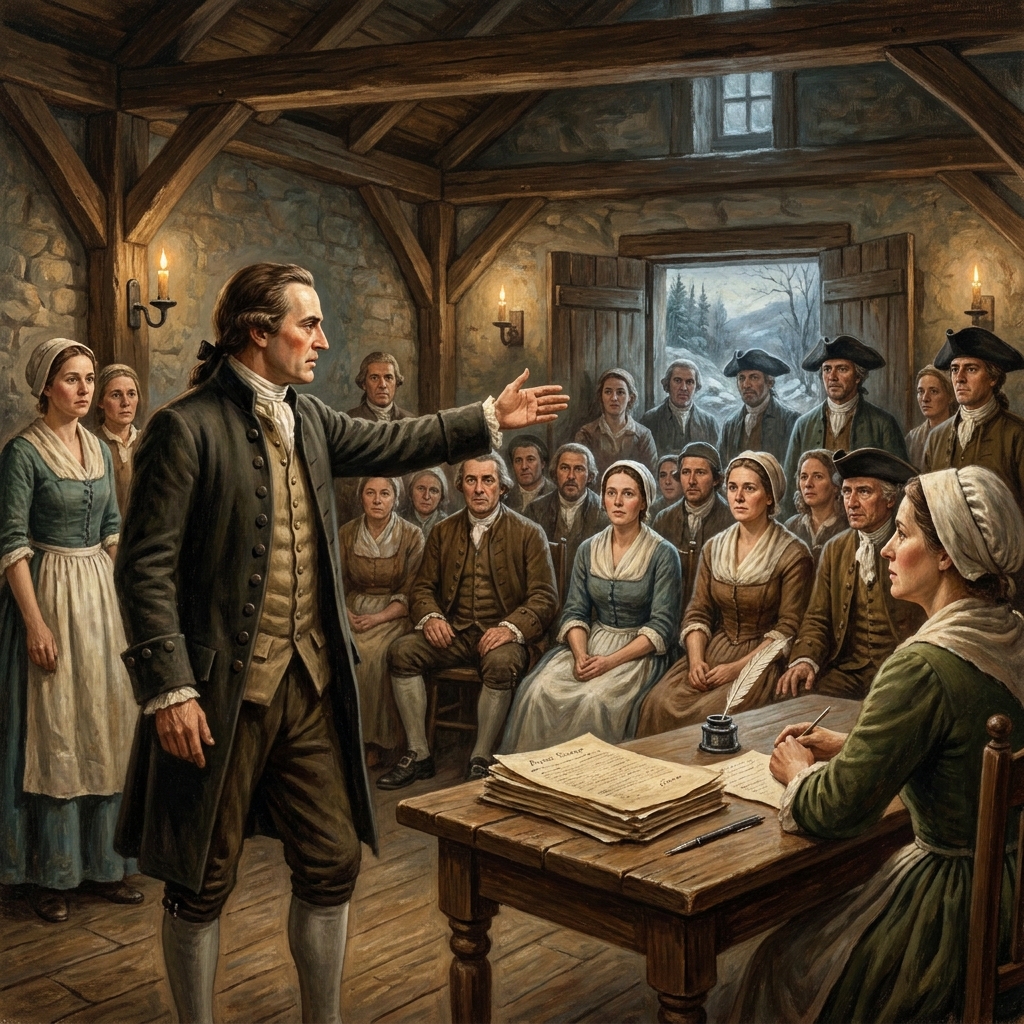
A fifth grader sits with a half-finished worksheet. Down the left side runs a column of names: King George III, Patrick Henry, Thomas Jefferson, George Washington, Benjamin Franklin, John Adams. She has matched Washington to “general” and stopped. Then her hand goes up, and what she wants to know is why a man who owned a farm in Virginia would leave it to go get shot at. That is the right question. It is, in fact, the whole standard, asked by a ten-year-old who has not been told what the standard says.
That question sits at the center of Leaders of the American Revolution, a fifth grade social studies lesson that takes about 45 minutes and treats the founders as people who made choices, with risks attached, instead of as a matching column. I like it for that reason, and I like it even more for when it tends to get used.
Why this standard gets squeezed
Think about where the Revolution falls in a fifth grade year. From my own years teaching it, the course opens with the land and the people who lived on it first, moves through exploration and the colonies, and only then reaches the causes of the war. By the time a class gets there, it is often well past winter break. Testing prep is coming. Science needs its minutes. There is an assembly, a field trip, a week of rain-day schedules. Something gives, and what usually gives is the part of the unit about individual people. The causes get a timeline. The leaders get a slide.
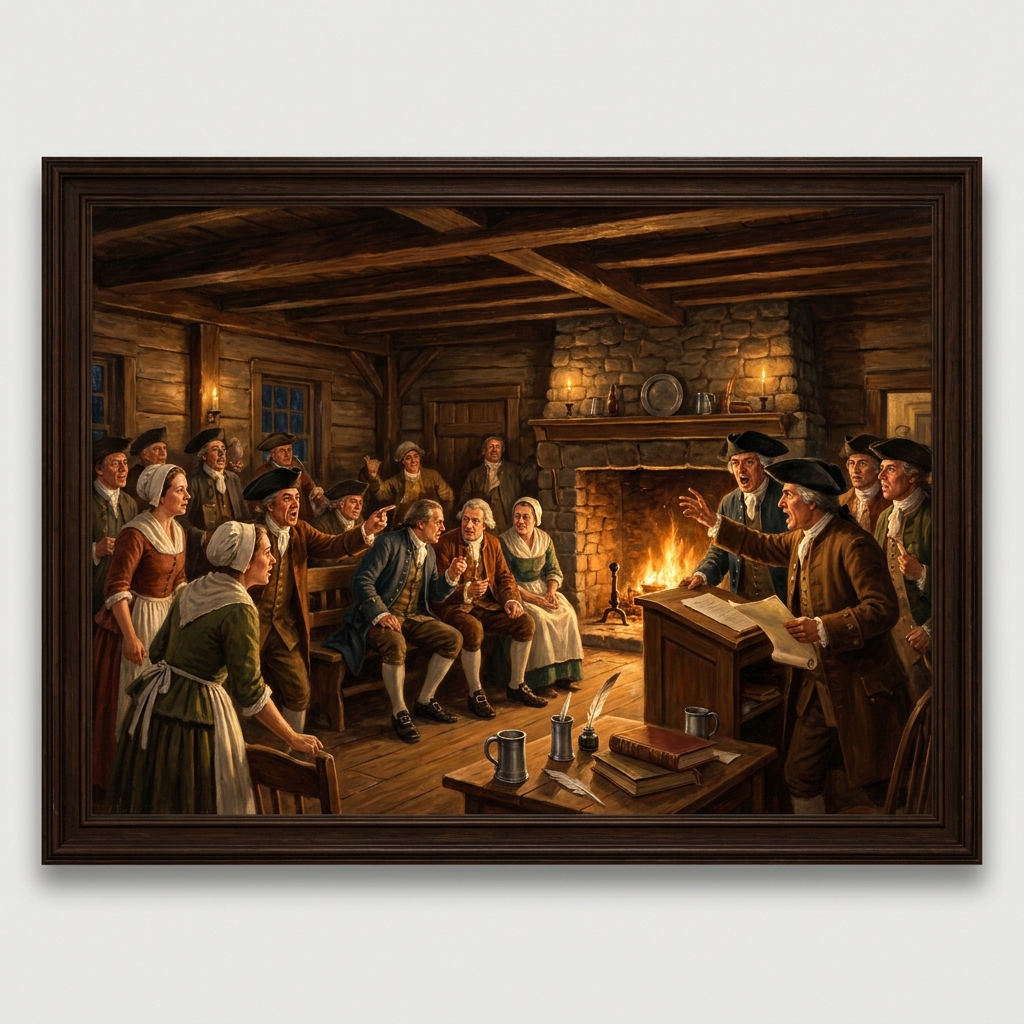
That is a shame, because the standard is specific about them. CA.HSS-5.5.4, part of the California History-Social Science standards, asks students to describe the views, lives, and impact of key individuals during this period, and it names King George III, Patrick Henry, Thomas Jefferson, George Washington, Benjamin Franklin and John Adams as examples. It sits inside cluster HSS-5.5, where students explain the causes of the American Revolution. Notice the three verbs hiding in there. Views means what a person believed. Lives means who they were and what they had to lose. Impact means what changed because of them. A slide with six portraits covers none of the three.
None of this is local. Fifth graders in Elk Grove Unified, Twin Rivers Unified, Millbrae Elementary School District and Stanislaus Union Elementary School District are working toward the same standard as fifth graders anywhere else in California, because the state standard reads the same in every district. So when a class runs behind, the target does not move. The teacher just has less time to hit it.
This is where a self-contained digital lesson earns its place. It does not need a launch day, a gallery walk to set up, or a stack of primary sources copied the night before. A teacher who is two weeks behind can assign it and know the standard has actually been taught. A student who was out the week the class did the Revolution can open it alone and get the same instruction everyone else got, in the same order.
What the lesson actually asks students to do
The objective is plain: students describe how the personal choices and leadership of key people helped shape the United States during the American Revolution. The lesson calls its core idea leadership impact, and it builds that idea in three steps that each use a different person.
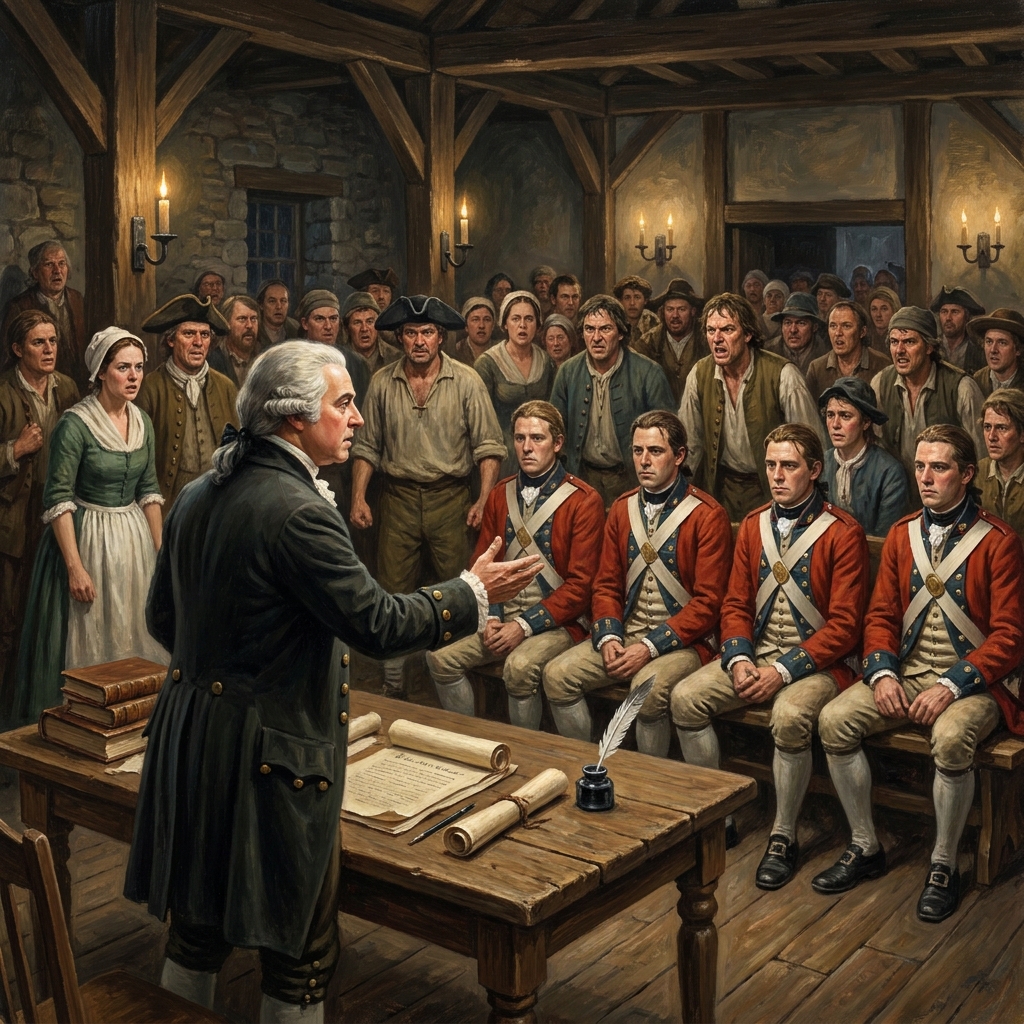
It opens with Washington in 1775. He was a successful Virginia farmer, and the lesson frames his decision to lead the Continental Army as a real choice: he put his life and his property on the line for colonial independence. That is the answer to the question my imaginary student asked, and it starts with something a fifth grader understands, which is giving up something you have.
The worked example moves to Patrick Henry and the speech everyone half-remembers. The lesson uses Henry’s line, “Give me liberty or give me death,” and explains why it counts as leadership impact: his words persuaded other people to support the fight for independence, and they showed how strongly he believed in freedom. This is a useful contrast with Washington. One leader acted; the other talked, and the talking mattered.
Then students practice on their own with Benjamin Franklin’s mission to France. The setup is honest about the stakes: France was powerful enough to help the colonies win, but it had to be convinced. Students work out what kind of leadership that took. I think putting Franklin in the practice slot is smart, since persuasion through diplomacy is harder for kids to picture than a speech or a battle, and having them reason through it does more than telling them.
The lesson closes by pointing out that leadership impact still happens: neighbors organizing a food drive, people speaking up for a new playground. Some teachers will find that a little tidy. I think it is fine for fifth grade, and it gives students a sentence frame they can use on an exit ticket.
Three vocabulary terms carry the content:
- Continental Army: the official army of the American colonies, created to fight for independence from Great Britain
- Declaration of Independence: the formal 1776 document explaining why the colonies were breaking from British rule
- Loyalist: a person who stayed loyal to the British King and opposed the Revolution
Where students slip is in confusing impact with fame. Ask a class who mattered and they will rank people by how many times they have heard the name. The lesson pushes against that by tying each person to a choice and a result. Keep pushing in discussion: what did this person do, and what happened because of it?
One caveat. The worked material centers on Washington, Henry and Franklin. The standard also names King George III, Jefferson and Adams, and the King’s view in particular is worth time, since a revolution makes less sense without the other side. The Loyalist vocabulary term opens that door. If your class has the minutes, a short follow-up on the King’s perspective or Jefferson and the Declaration rounds out the standard.
As for fit, I would reach for this in three situations. It works as a catch-up assignment for a class that ran out of calendar before the Revolution got its due. It works for a student who missed the week, or one in independent study or attendance recovery, because nothing in it depends on having been in the room. And it holds up on a substitute day, since a sub does not need to know the content to run it.
If you have been searching for a fifth grade American Revolution leaders lesson that fits in one period and still asks students to think about choices, this is the one I would open first. The full lesson, aligned to CA.HSS-5.5.4, is ready to assign, and it answers that girl’s question about the farm better than my old worksheet ever did.
Related lessons
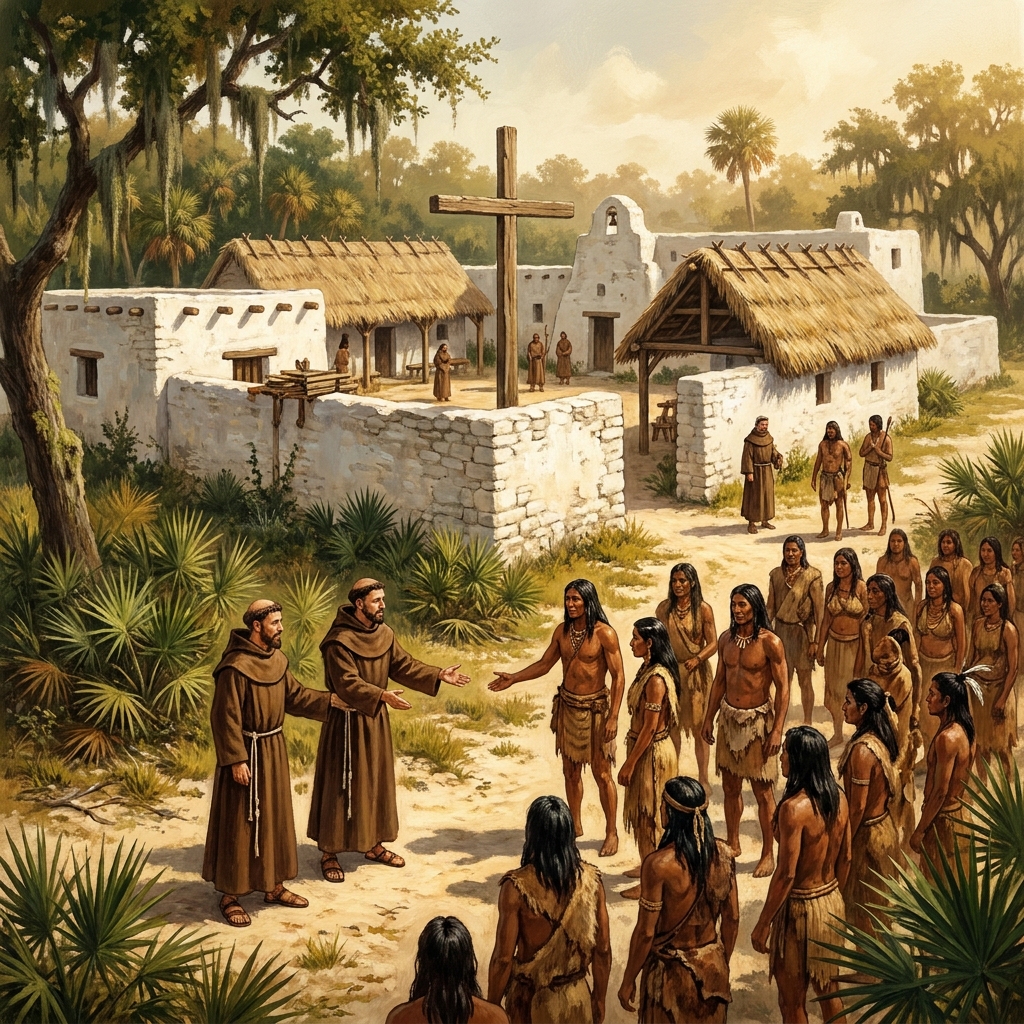
Competing for North America, European powers competing for land and control in North America

Growing the Nation: Expansion and Conflict, How the young nation expanded and the conflicts that followed
The Struggle for Land and Rights, Conflicts over land ownership and rights in early American history