

I remember watching a student stare at a dense science article, pen hovering over the paper, completely stuck on how to summarize the content. They had almost every sentence underlined, but the logic behind the text, why the author chose to explain the cause of an event before detailing the result, was totally invisible to them. That is the hurdle we face when teaching informational text in 6th grade English Language Arts.
In Understanding How Text Structure Develops Ideas, students spend about 45 minutes unpacking those hidden patterns. Instead of letting students treat a page of text like a collection of random facts, this lesson forces them to look at the architecture of the piece. The objective is to get students to analyze how specific parts work together to build a main idea.
The standard and the strategy
The core of this work is CA.ELA.RI.6.5. This California-adopted standard, which is also identified as CCSS.ELA-LITERACY.RI.6.5, asks our students to go beyond finding the main idea and actually analyze the structure of the writing. It expects students to show how specific sentences, paragraphs, or sections contribute to the overall point, including identifying specific patterns like cause and effect, sequence, or compare and contrast. This same standard is taught in classrooms from Long Beach Unified to Sacramento City Unified, throughout La Habra City Elementary School District, and in the Westminster School District.
To get there, the lesson focuses on building a shared vocabulary. Your students need to become comfortable with these terms:
- Text Structure: The organizational pattern an author uses to present information.
- Cause and Effect: A pattern that explains why something happened and what the result was.
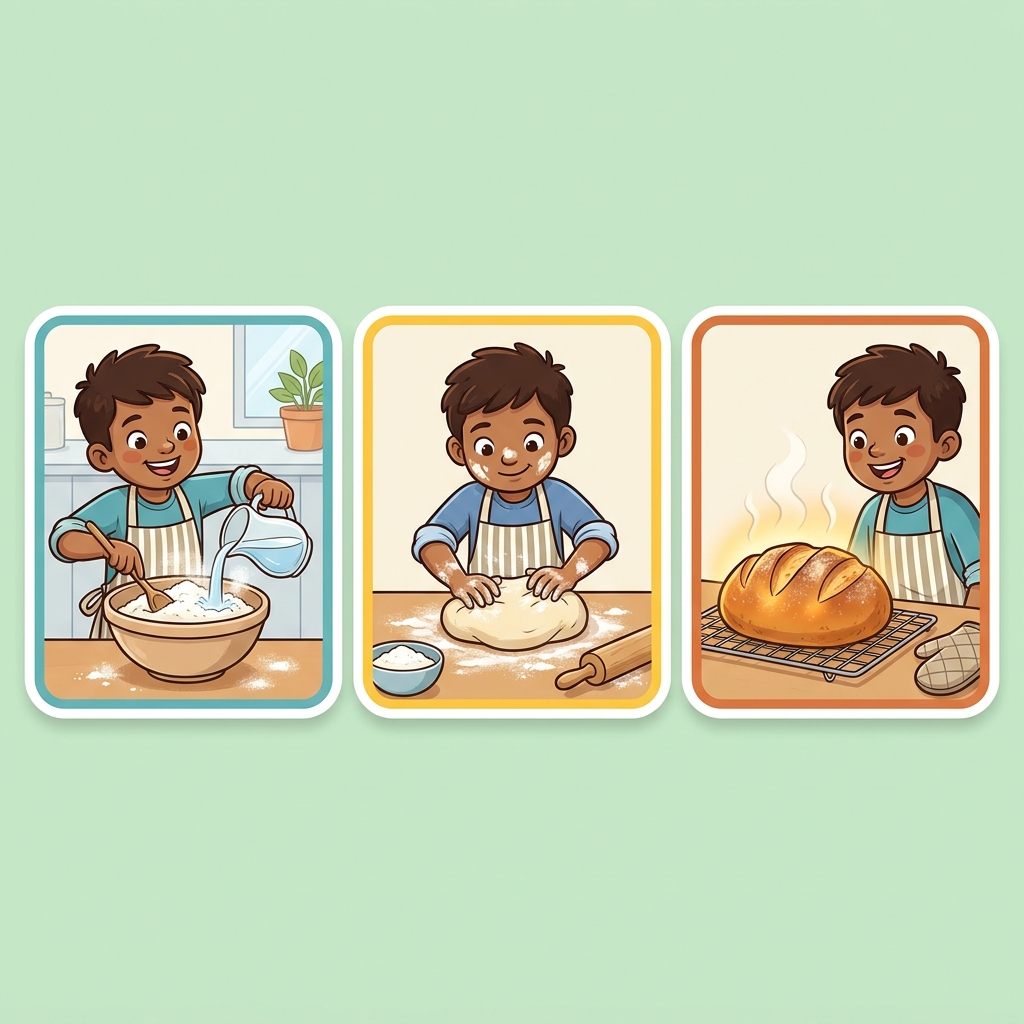
- Sequence: A pattern that presents information in a specific order, often using steps or time.
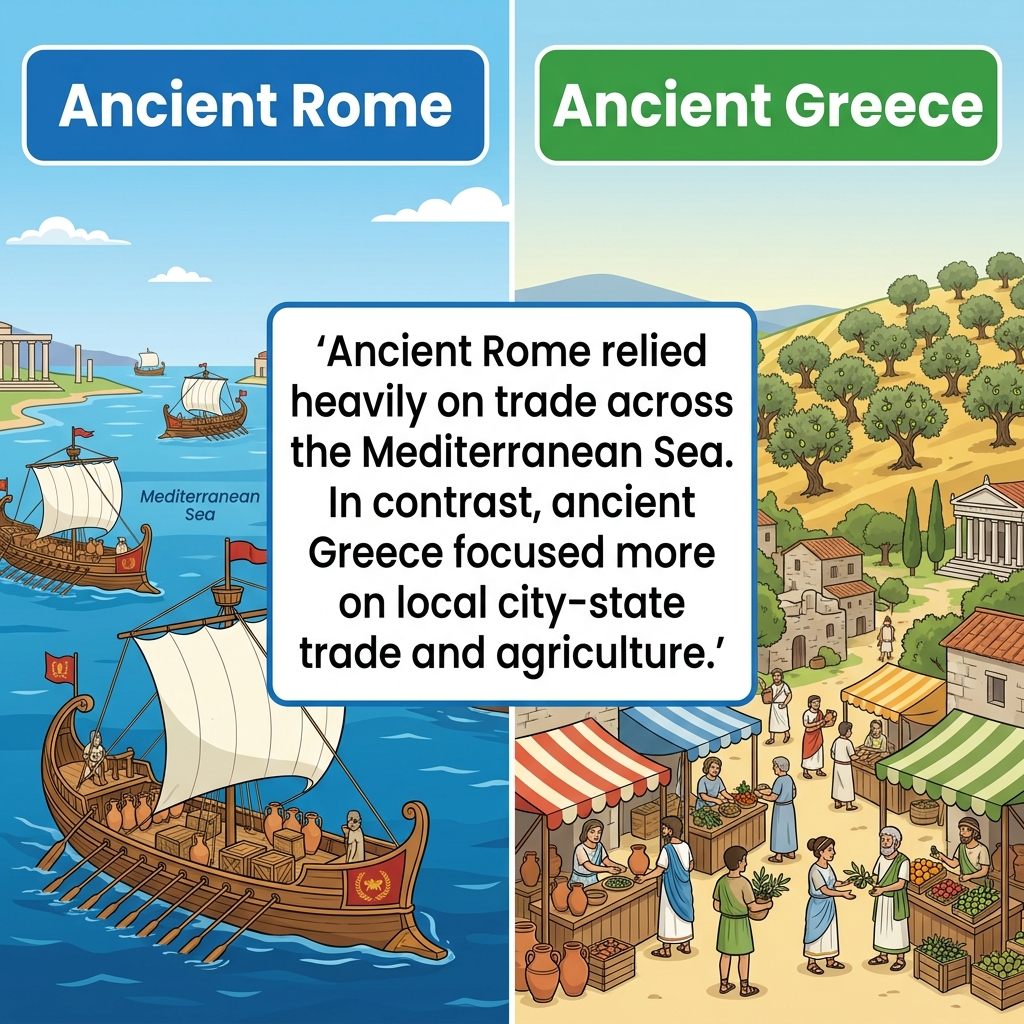
- Compare and Contrast: A pattern that examines the similarities and differences between two or more things.
What the lesson asks students to do
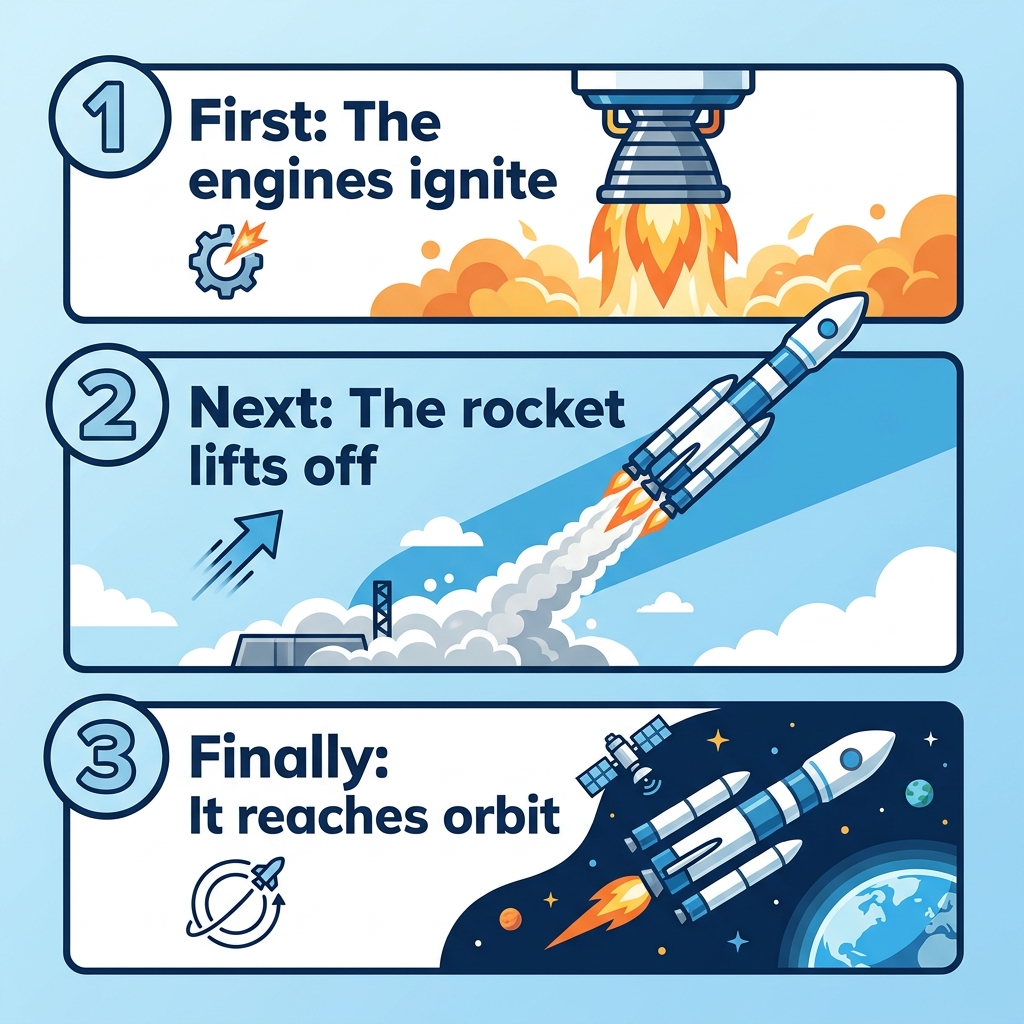
When you search for a 6th grade informational text structure lesson, you want something that offers immediate utility. The scenarios provided here are perfect for this. For instance, the space mission example uses a sequence to describe a launch: first the engines ignite, next the rocket lifts off, and finally it reaches orbit. It is a clear, linear path that makes the concept of a timeline easy for students to grasp. Then, the lesson moves into a guided practice session about the water cycle, reinforcing how authors use a cause and effect structure to explain natural processes by showing how one event leads to the next.
I find that students usually grasp the definitions of these structures quickly, but they often stumble when asked to explain why a specific structure is the most effective choice for the topic. Do not skip the prior-knowledge opener, where the lesson uses a forest area example to explain soil erosion. It works as a fantastic anchor for students who need a concrete visual of how one event leads to a specific outcome.
This material works best for a whole-class introduction to the topic, but I have also found it useful for students who missed the week or need a quick intervention session to sharpen their reading comprehension. If you have a student struggling to get the gist of a chapter, this is the first place I would look. It helps them see the map the author left behind.
Related lessons
Finding the Big Idea, Strategies for identifying the main point in informational texts
Analyzing Arguments and Claims, Evaluating how authors support their claims with specific evidence
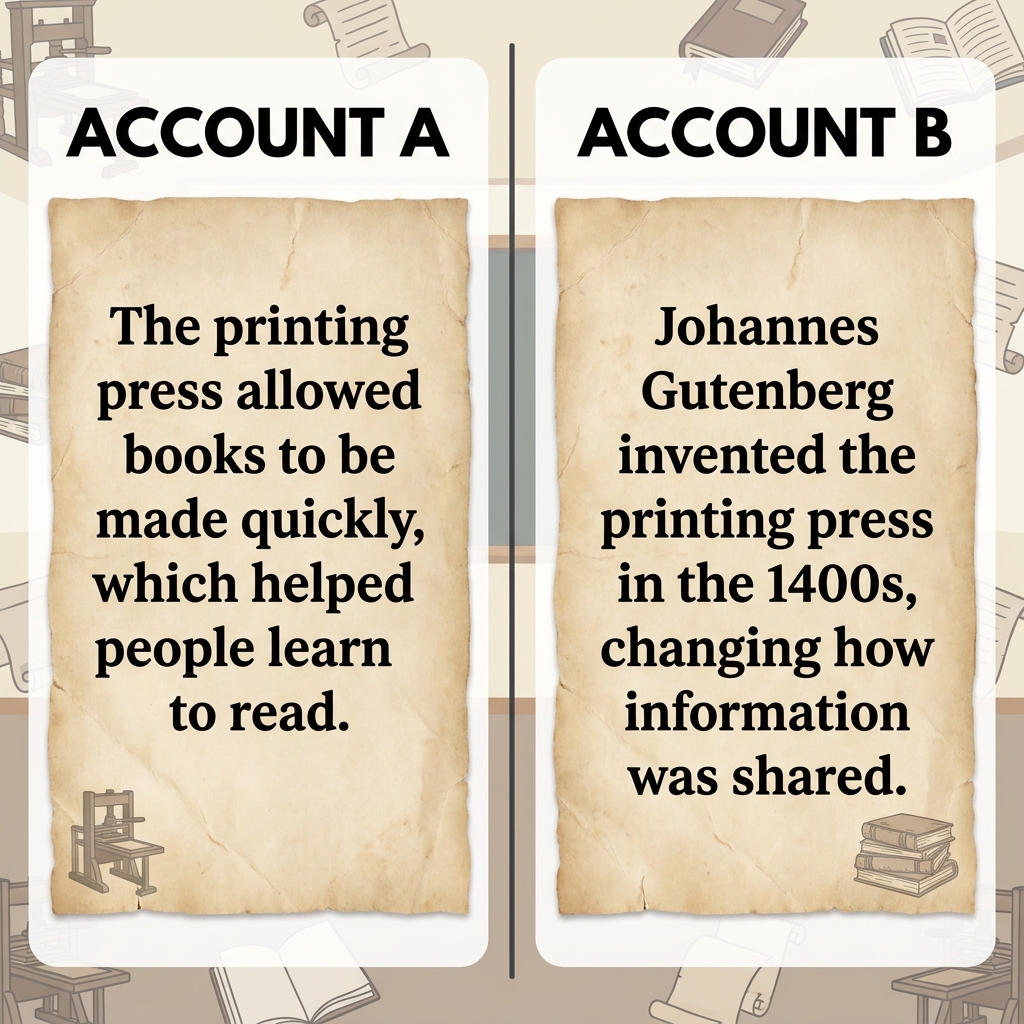
Analyzing Historical Ideas and Processes, Examining sequence and causality in historical accounts and events