


A loop that calculates interest needs a comment like // This loop adds interest to the balance for each year to be truly useful. If you have ever stared at your own code after a few days away, you know the frustration of not remembering why a certain variable exists or how a function was supposed to flow. For your seventh grade computer science class, helping students transition from writing code that just works to writing code that others can actually read is a significant step in their growth as programmers. The lesson Writing Clear Code Documentation breaks this habit down into manageable pieces.
This 45-minute lesson provides a solid introduction to seventh grade code documentation, focusing on the core concept of managing program constraints while keeping readability at the forefront. Students learn that their code is a form of communication. They are prompted to consider the perspective of a teammate who might need to debug their work or expand on it later. The objective is clear: students must learn to document programs so they are easier to use, read, test, and debug. This is a foundational skill in the Algorithms and Programming domain, and you will see students in districts like Poway Unified, Lodi Unified, Santa Maria-Bonita School District, and Antioch Unified all working to master this exact same standard.
What the lesson actually asks students to do
The core of this lesson is rooted in CA.CS.6-8.AP.19, which is the California-adopted standard asking students to document programs to facilitate easier usage, reading, testing, and debugging. This standard is designed to ensure students move beyond simple syntax and start thinking about the long-term maintainability of their software projects. By documenting their work, students are not just leaving notes for themselves; they are practicing a form of technical writing that is essential for collaborative environments.

The lesson starts by helping students realize that even a program that functions perfectly can be a burden to manage if the internal logic remains a mystery. It uses the scenario of calculating a student’s grade average to show how documentation helps clarify the steps taken. Throughout the instruction, students are introduced to the concept of code comments. They see how a simple comment tag can transform a confusing loop into a clear, explainable process. When you move to the guided practice, students are asked to take on the role of a developer who must peer-review a friend’s code. This requires them to read through someone else’s logic and add comments that explain what is happening, which is often harder than writing the original code itself. It forces them to slow down and interpret the function of each line before they can annotate it effectively.
Where students slip
I find that students often think documentation means restating the code in English, like writing // This is a variable for a variable. You will need to keep an eye on them during the guided practice session to ensure they are focusing on the purpose of the code rather than just describing the syntax. Encourage them to explain the why instead of the how. Why is this loop here? Why are we adding interest at this specific step? If they can answer those questions, their comments will be much more useful for their teammates.

This lesson works well as a whole-class assignment when you are first introducing the topic, but it is also excellent for independent study or for a student who missed the previous week of coding. Because it deals with the logic of program development, it is a great choice for a substitute day where you want students to keep thinking critically without necessarily needing a full computer lab environment if you are tight on resources. It teaches them that being a good programmer is just as much about being a good communicator as it is about knowing the syntax of a language. If you find your class struggling with debugging their projects, try pausing for a session like this. Often, the act of documenting the code reveals the bug before the student even finishes writing the comment.
Related lessons
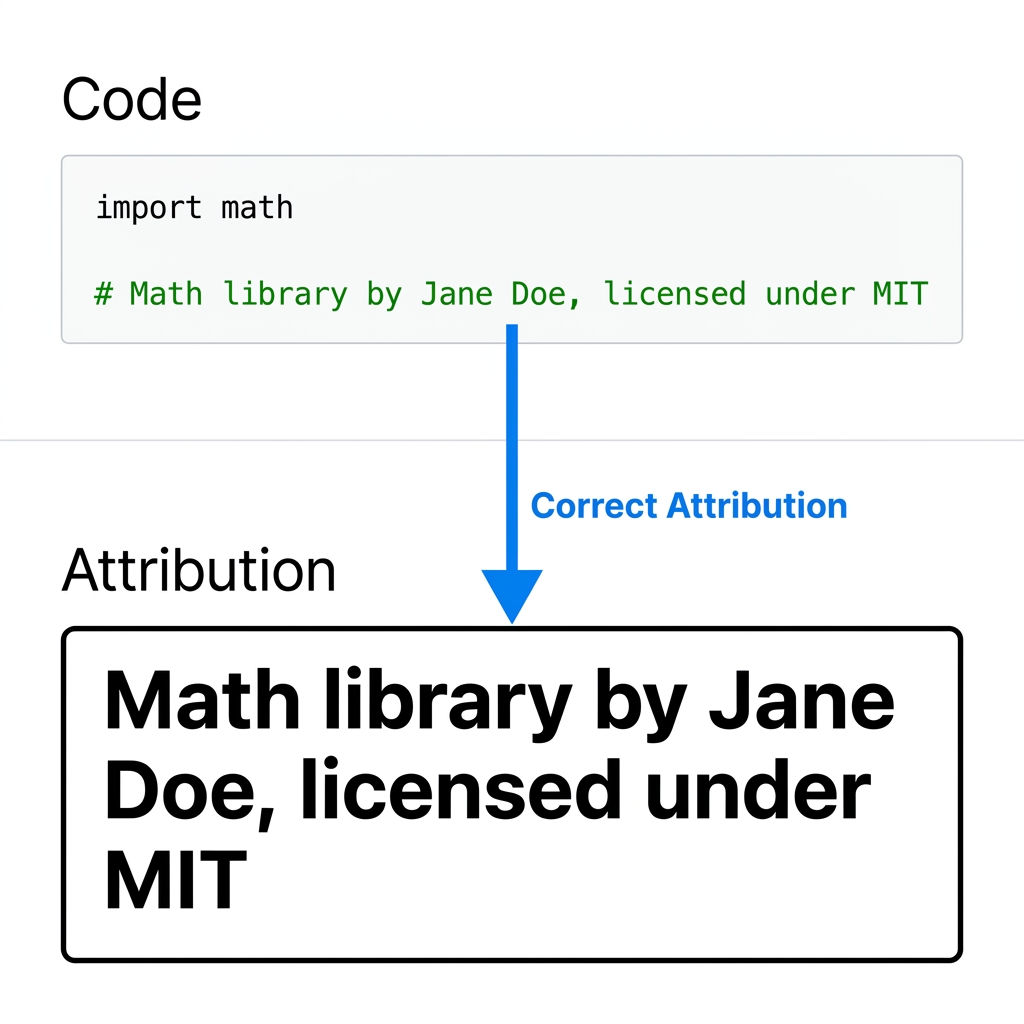
Building with Code and Giving Credit, Teaches proper attribution and understanding intellectual property in student code

Building Flexible Code with Parameters, Explores how to use parameters to create reusable programming functions
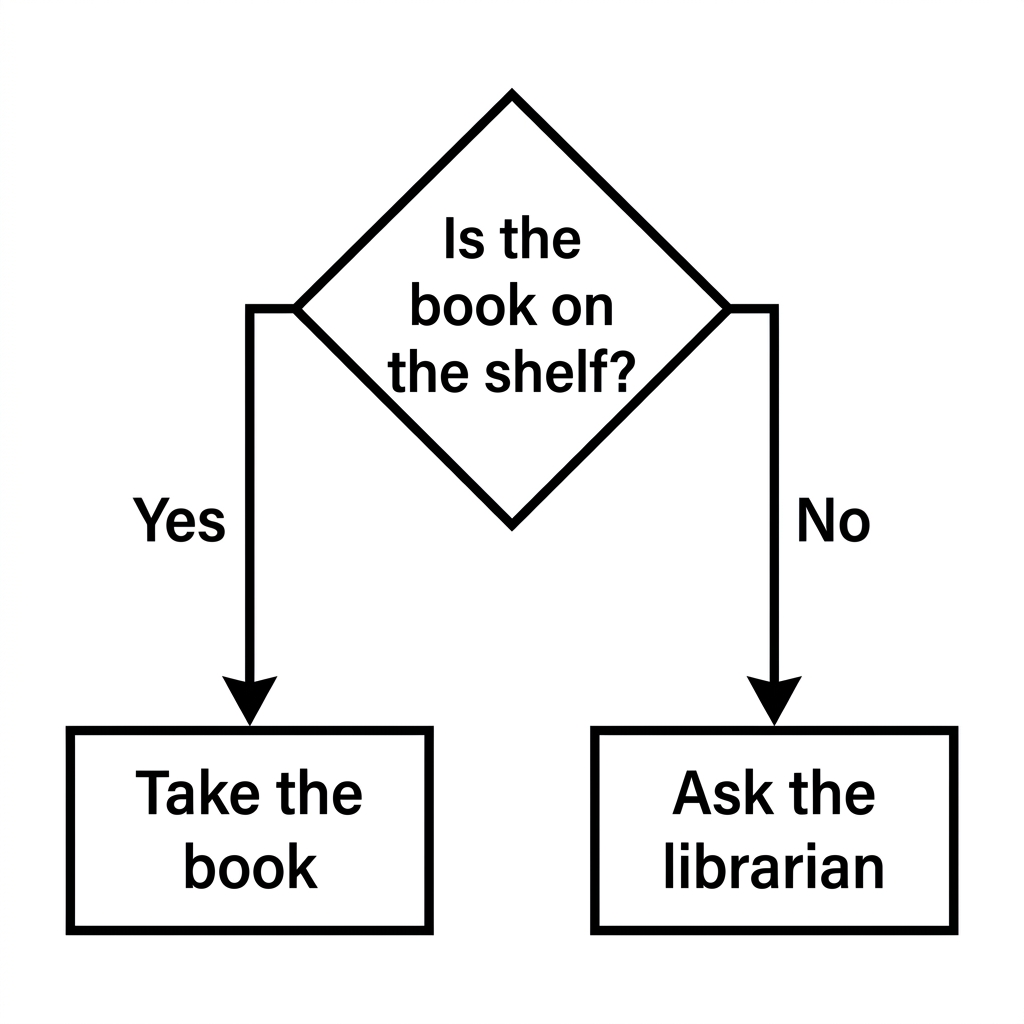
Designing Algorithms with Flowcharts and Pseudocode, Introduces planning methods for organizing logic before writing actual code