

I know the calendar always starts to squeeze right about the time we get into the heavy lifting of ancient history. Across districts like Sacramento City Unified, Fremont Unified, Sierra Unified, and Pittsburg Unified, teachers are constantly balancing deep discussions with the sheer volume of content we are expected to cover before the year ends. It is easy to fall a week or two behind when a class gets stuck on a complex concept or when attendance gaps create an uneven playing field for your students. That is when I turn to Ancient Civilizations: How Geography and Society Connect.
Keeping pace with the ancient history calendar
This lesson is a solid option for those moments when you need a clear, self-contained resource. Whether you are using it as a whole-class assignment to jumpstart a unit or handing it to a student who missed the week to get them back on track, it does exactly what it promises without unnecessary filler. It is also a decent choice for an independent study assignment or a day when a substitute will be running the room. The material moves quickly but keeps the focus on the big-picture ideas, which is helpful if your students find themselves overwhelmed by the sheer number of names and dates in this unit. Having a tool that works independently allows teachers to focus on supporting the students who need that extra one-on-one time to bridge the gap between geographic facts and social outcomes.

Using a pre-made resource for these concepts saves valuable preparation hours. By relying on a lesson that already maps out the connections between river flooding and grain storage, I can spend more of my energy facilitating the actual student discourse rather than building the primary sources from scratch. It allows for a more consistent delivery of complex content, which helps when managing mixed-ability classrooms where students require varying levels of scaffolding to access the same rigorous historical material. When time is the scarcest resource in the classroom, choosing lessons that already understand the constraints of the 6th grade schedule helps keep the entire class moving forward together.
What the lesson actually asks students to do
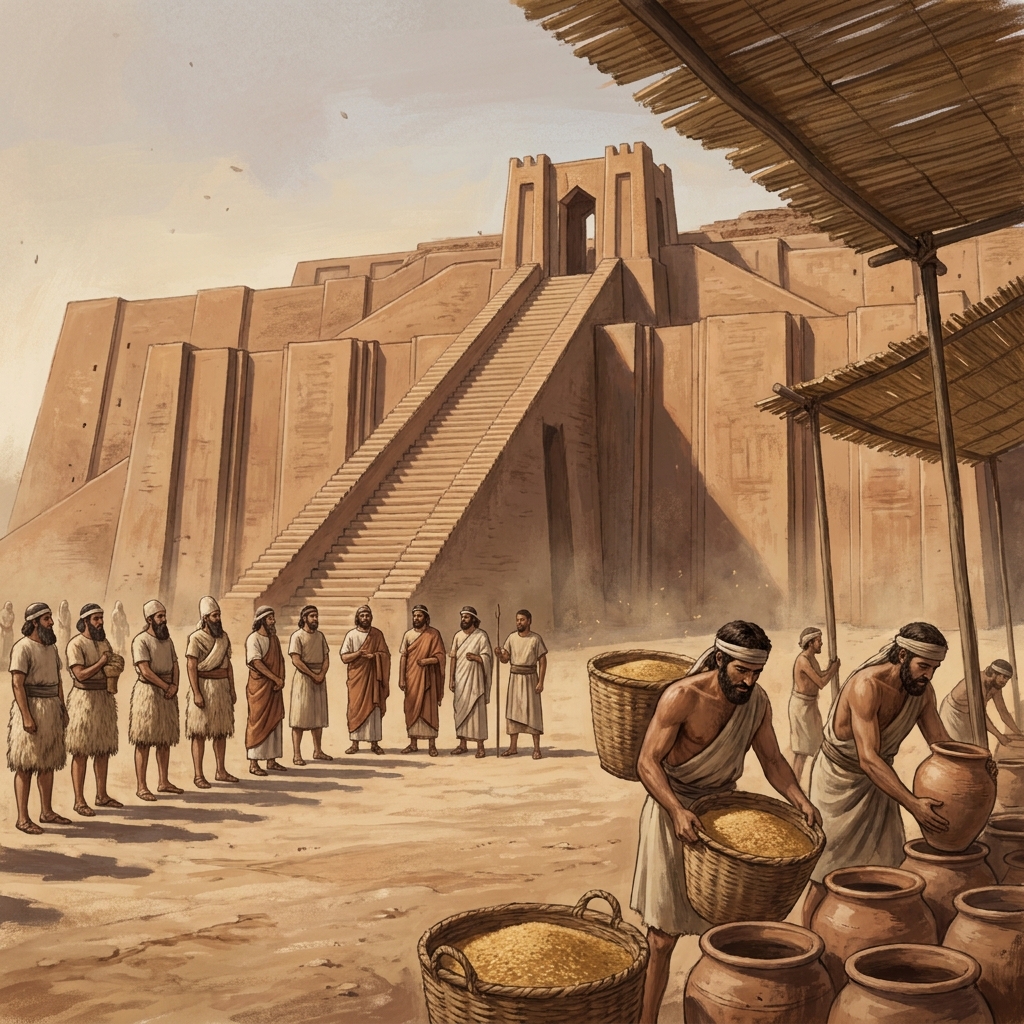
The core objective here is to get students thinking about how geography, government, and social hierarchy functioned together to keep a society alive. The lesson starts with a simple reality: ancient civilizations typically sprouted near rivers because water was the key to farming enough food. It uses a helpful example from Mesopotamia where a village leader would collect grain from farmers after the river flooded, then store and redistribute it to ensure communal survival. This shows students that the earliest governments were basically logistics operations on a massive scale.
The material does a good job of showing that these structures were not just about survival, but about power. I appreciate how it uses the ziggurat in a worked example to show that the tallest building served as both a food warehouse and a religious center, proving that those in charge were managing both the people’s spiritual lives and their physical stomachs. Later in the guided practice, students look at Kushite society, exploring how military rank and religious traditions tied directly to the legitimacy of their rulers. The vocabulary is manageable and includes clear definitions for civilization, surplus, and hierarchy. If you are searching for a straightforward 6th grade social studies geography lesson, this fits the bill nicely.
The lesson covers CA.HSS-6.2, which asks students to analyze the geographic, political, economic, religious, and social structures of early civilizations in Mesopotamia, Egypt, and Kush. In the context of the California-adopted standards, this standard is the spine of your early-year curriculum. It asks students to go beyond memorizing lists of pharaohs or inventions and start synthesizing how a group of people stays organized over time. One caveat: because it tries to cover so much ground in about 45 minutes, some students might need you to pause and talk through the leap between “river water” and “government structure” if they have not done much work with cause-and-effect reasoning yet.
Students often find that the most challenging part of these ancient history units is visualizing how a small farming village turns into a complex state. By keeping the focus on the actual mechanics of surplus grain and hierarchy, the lesson makes that transition feel logical rather than abstract. It provides students with the vocabulary to describe these systems, using words like hierarchy and surplus to articulate their understanding. When they can articulate that a ziggurat was not just a temple but a center for resource distribution, they move past simple memorization and begin to grasp the functional necessity of the social systems that defined these early civilizations.
Connecting the ancient world to the present day
The why-it-matters section at the end is a nice touch. It challenges students to consider how their own city still relies on government to make laws, social roles to divide labor, and infrastructure to manage shared resources. It is a good way to help them see that these ancient systems were not just historical relics, but early versions of the systems they interact with every single day. I find that when I can connect the Mesopotamian grain storage to our modern city water department, the students actually lean in to listen. It turns abstract history into a conversation about how we live right now.

Applying these frameworks of geography and society to the modern day allows students to see their own environment with a clearer eye. When they look at how a city manages water rights or how a local government handles the distribution of resources in times of crisis, they are effectively using the same analytical tools they used to study Mesopotamia or Egypt. By framing these ancient civilizations as the direct ancestors to our own logistical challenges, we help students realize that the study of history is a study of human patterns. This approach ensures that the geography of the ancient world feels relevant to the geography of their own backyard, providing a solid foundation for the remainder of their social studies curriculum.
Related lessons
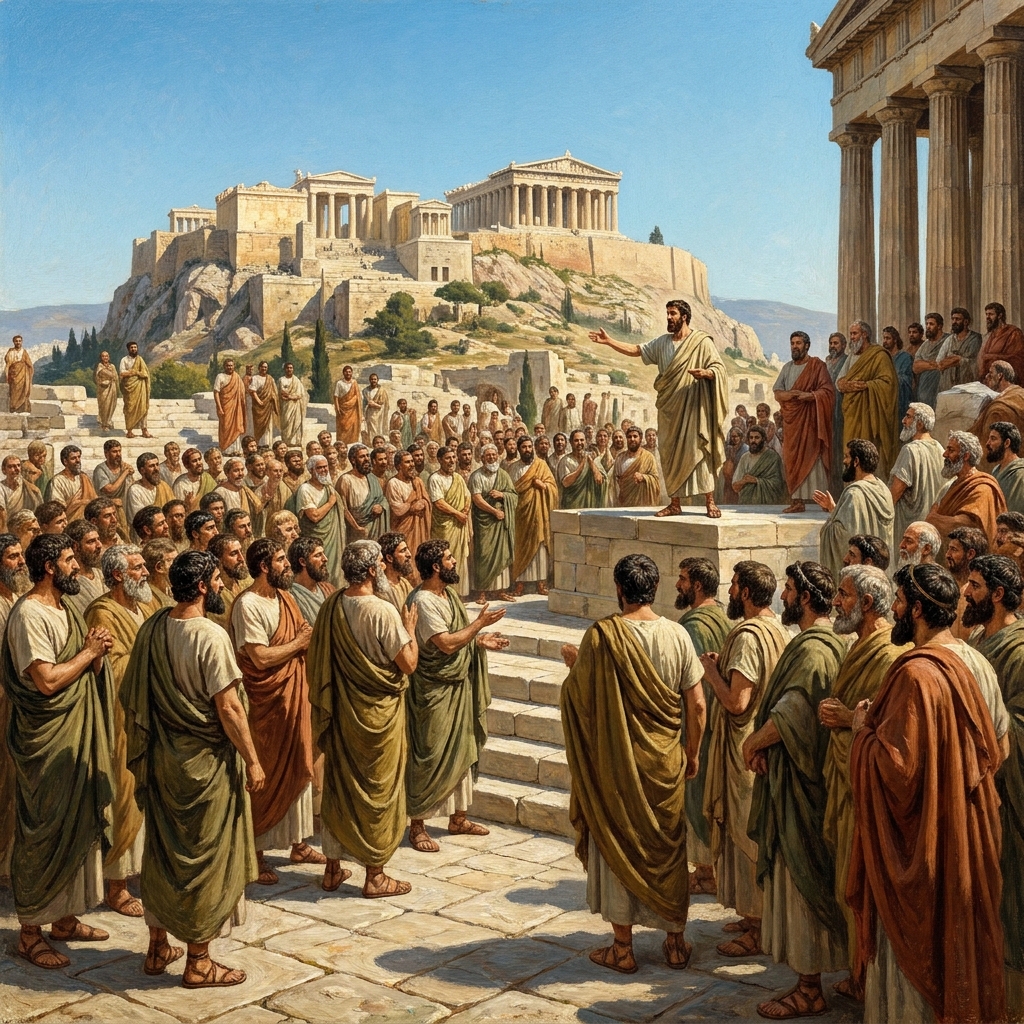
Geography and Life in Ancient Greece, Explores how Greek terrain shaped its distinct city-state cultures

The Enduring Legacy of Ancient Rome, Covers Roman infrastructure and its impact on later governance
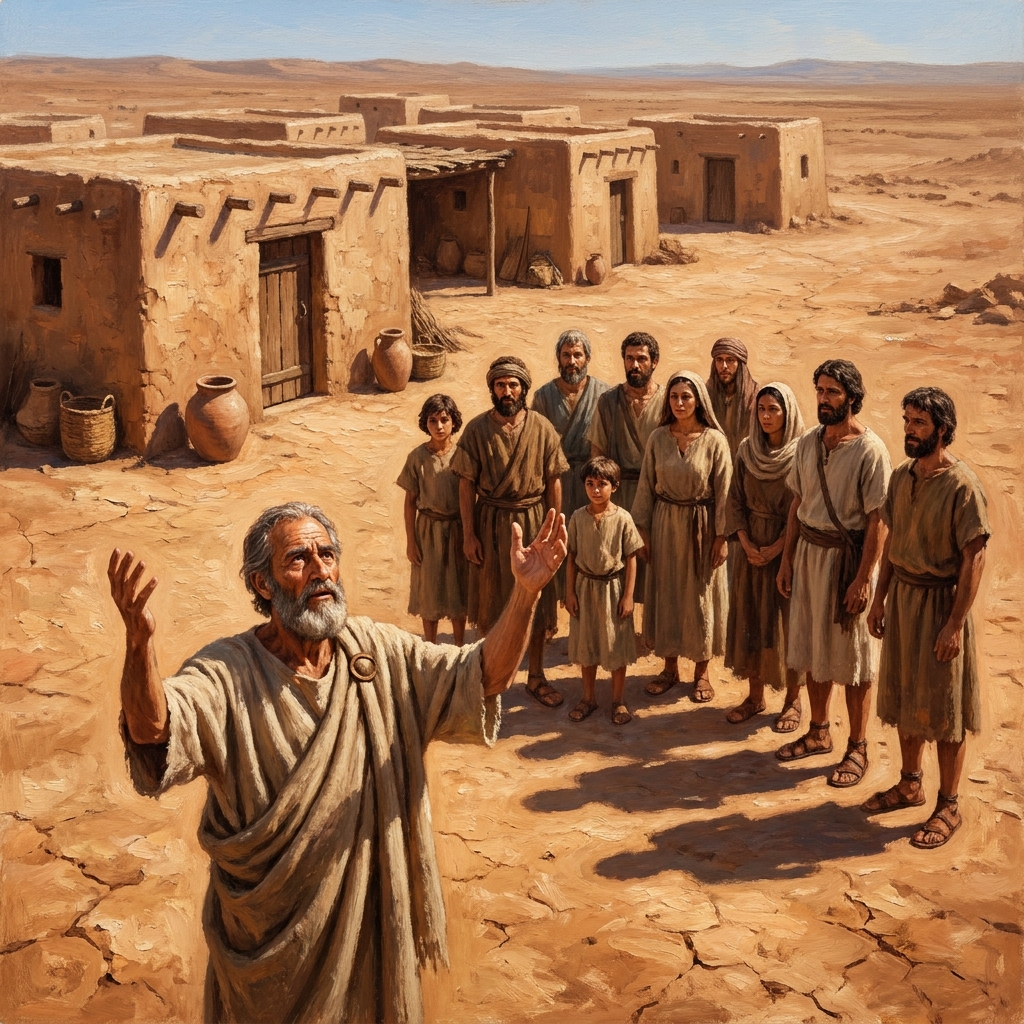
Foundations of Jewish Identity, Discusses the origins of traditions within early Semitic societies