


Helping students grasp the logic behind negative integers requires shifting their perspective from simple counting to understanding relative direction. This approach helps ground learners before more complex arithmetic operations begin.
The mistake students make with zero
The most common mistake I see when my 6th grade math students start working with negative numbers is their tendency to ignore the zero entirely. They treat the zero like it is invisible, as if the number line just leaps from positive to negative without a neutral stopping point. This causes headaches later when we move into addition and subtraction. Using Using Signed Numbers in California helps ground them before that confusion sets in.

In 6th grade math, we spend a lot of time on the number system, and this lesson acts as a necessary intervention for students who have missed a week or those who just need a refresh on why numbers do not just stop at zero. The lesson defines a signed number as a value that includes a positive or negative sign to show a direction or a value relative to a zero point. By starting with a thermometer, students can see that zero is the neutral point where water freezes, which is much more intuitive than a sterile mathematical definition on a whiteboard.
Understanding the California standard
This lesson helps you meet the expectations of CA.MATH.6.NS.5. This California-adopted standard asks your students to understand that positive and negative numbers are used together to describe quantities having opposite directions or values. It is a critical foundation for the year. This specific standard, which is also identified as CCSS.MATH.6.NS.C.5, requires students to take their previous knowledge of whole numbers and extend it to real-world quantities. Whether you are teaching in the William S. Hart Union High School District, Corona-Norco Unified, Coalinga-Huron Unified, or the Ross Valley Elementary School District, this standard requires that your students move beyond counting objects and start thinking about directionality and magnitude relative to a starting point.
The lesson provides a great worked example using Mount Whitney. By describing the peak as positive 14,494, students see why we use a positive number to denote a position above sea level. This concrete example makes the abstract concept of signed numbers stick. The vocabulary is simple and keeps the focus where it belongs: a positive number is a number greater than zero, often used to show a gain or increase, while a negative number is a number less than zero, often used to show a loss or decrease.
Where students slip
I find that students often understand the concept of a number being negative, but they stumble when they have to apply it to elevation changes in the Central Valley. They might correctly identify a mountain height but get mixed up when the terrain dips near or below sea level. I use this 6th grade integers lesson to let them visualize these shifts. It takes about 45 minutes to complete, which is perfect for a day where you need a solid, independent activity for a substitute teacher or for a student who needs to catch up on attendance recovery.

The lesson also touches on why this actually matters. It is not just about passing a test. Civil engineers rely on signed numbers to ensure that roads and bridges are built at appropriate elevations so they do not flood during the rainy season. Accountants use the same logic to track credits and debits in a bank account. Bringing these examples into the conversation usually wakes up the students who are just going through the motions of adding negative signs to a page of worksheets.
Fitting this into your year
I usually assign this as a whole-class assignment in the first semester, but it is equally useful for students who need extra time on the concepts during independent study. Because it covers such specific ground, it is a low-stress way to bring students back to the core of the number system without overwhelming them with operations like multiplication or division yet. If your students are getting stuck on the logic of opposites, this is the place to start. It keeps the math connected to the physical world, which is exactly where it needs to stay for this age group.
Related lessons
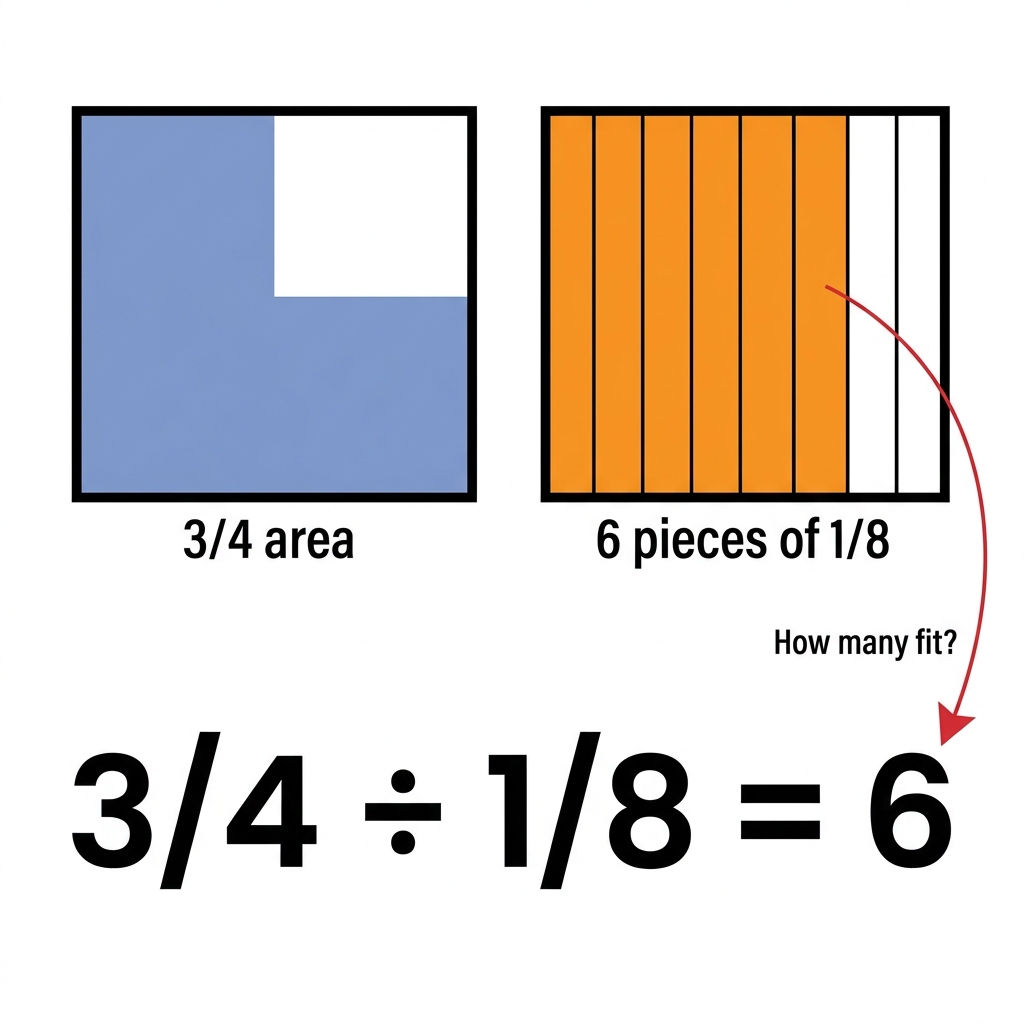
Dividing Fractions, Teaches the process of dividing fractions using standard algorithms
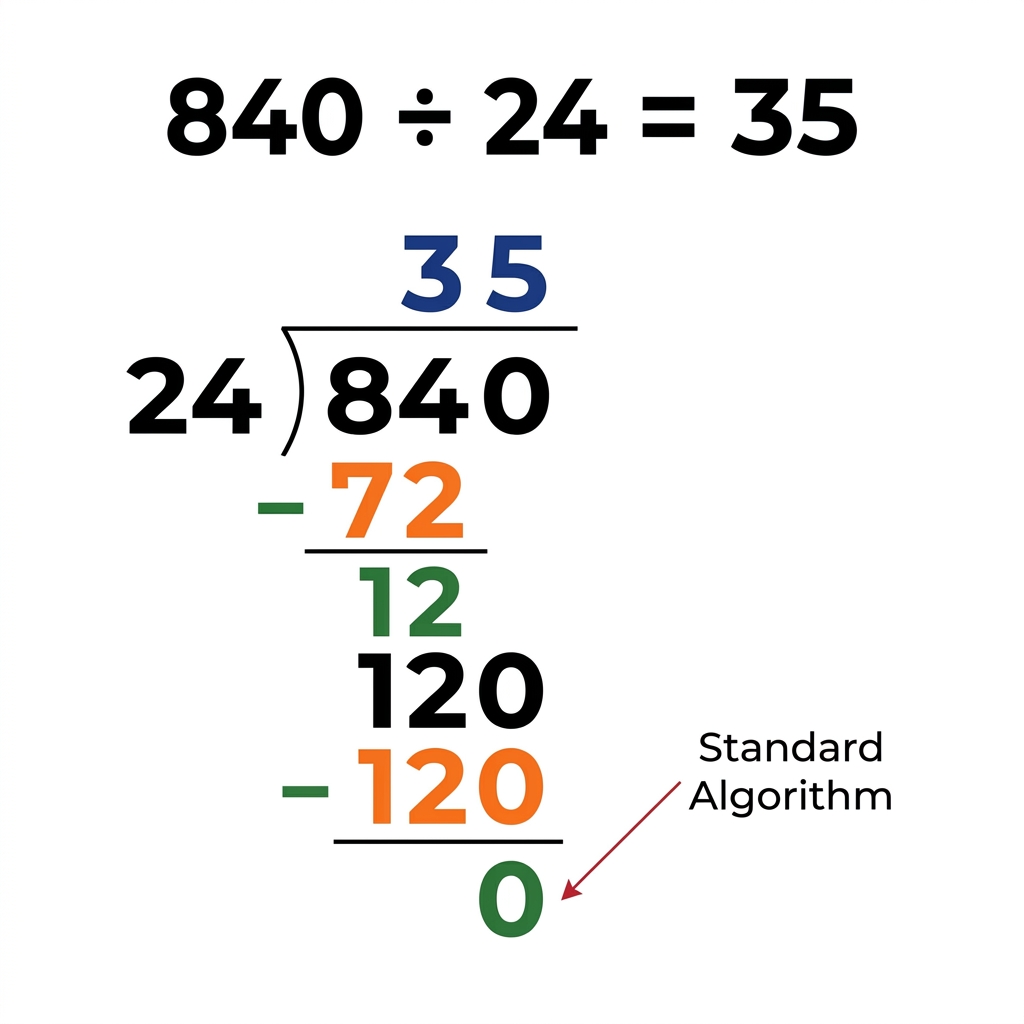
Mastering Long Division, Covers long division procedures for multi-digit whole numbers

Understanding Absolute Value, Explains the distance of a number from zero