

We often treat presentation skills as an afterthought in 6th grade English Language Arts, squeezing them into the final week of a unit when everyone is already counting down the days until the next break. I have learned the hard way that this approach misses a massive opportunity. When students are asked to talk about what they are learning before they fully master the content, their confidence takes a hit. That is why I suggest tackling presentation mechanics earlier in the semester. Providing a structured approach to how a student speaks and what they show the audience changes the quality of their work entirely.
Building clarity through visual evidence
The lesson Enhancing Presentations with Multimedia walks students through the shift from just reading notes to actually teaching an audience. The core of this work is realizing that words often struggle to carry the weight of a complex idea on their own. The lesson opens with a reality check: sometimes you cannot describe a process simply by talking about it. You need a map, a diagram, or a photo to show the parts of the whole.

Consider the example provided regarding ancient Rome. When a student talks about the empire’s trade routes, they might mention paths and sea lanes, but that description is flat until the student projects a visual of the network itself. By including that image, the student proves their point about the economy being connected. This is exactly what CA.ELA.SL.6.5 asks for: using media to strengthen claims, offer evidence, and clarify information. Whether you are teaching in Capistrano Unified, Moreno Valley Unified, Ventura Unified, or Campbell Union School District, the expectation remains the same across the state. This lesson covers the primary standard as well as CCSS.ELA-LITERACY.SL.6.5, which serves as the foundational requirement for including multimedia components to ensure the audience follows the logic of a presentation.
Refining the definitions for classroom use
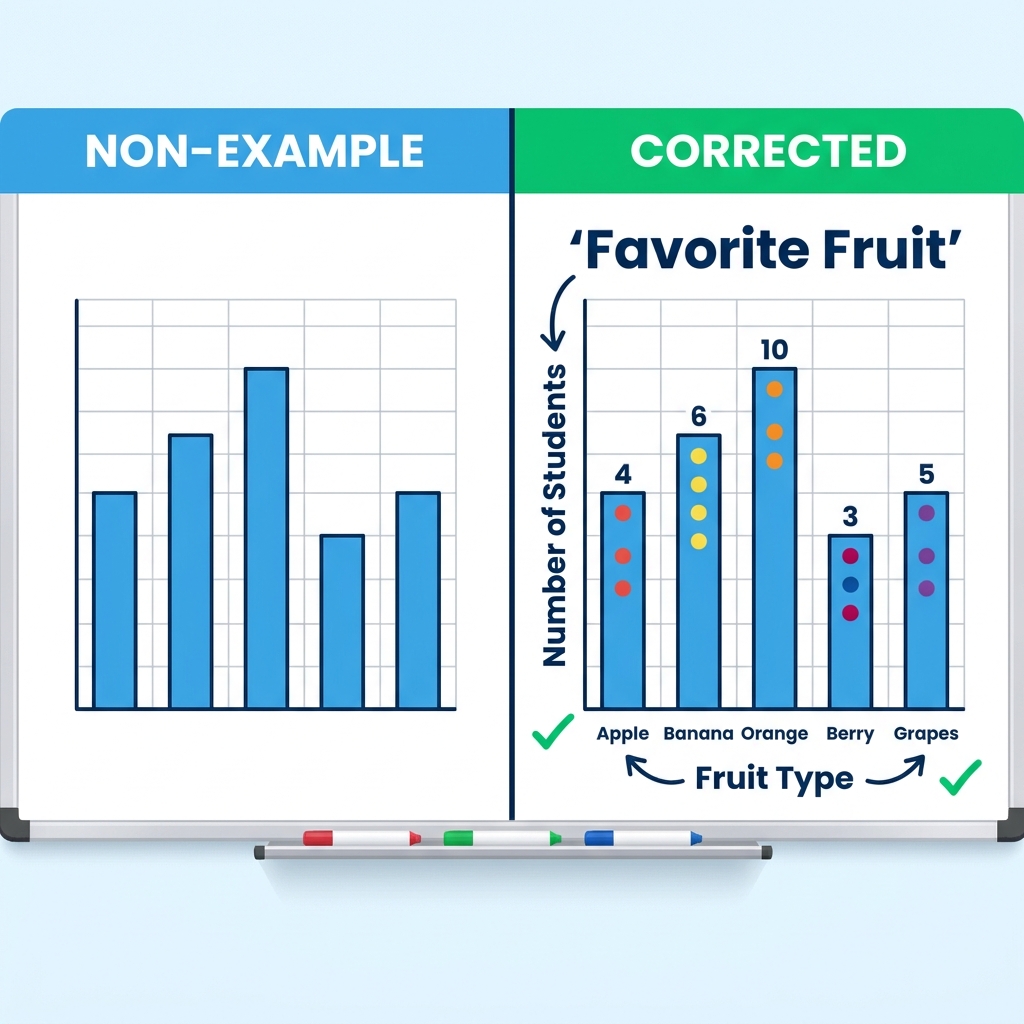
I find that 6th graders often think a slide deck is just a place to dump their bullet points. This 6th grade speaking lesson works because it forces a pause to define terms properly. We are not just talking about cool graphics. Multimedia means using different formats like audio clips, diagrams, and videos to share information. A visual display is specifically defined here as a chart, graph, or image that makes data easy to see, while evidence is correctly framed as the facts and data that prove a point is valid. When students understand that their visual aid is meant to act as evidence rather than decoration, their slides immediately become more functional.
During the guided practice, students look at a passage about local wildlife conservation. This is a smart choice for an exercise because it requires the student to sift through a text to find what actually needs a visual. They have to ask themselves if a map of a habitat or a chart showing population numbers would actually help the listener grasp the argument. It forces the student to look at their own work from the perspective of an audience member who is trying to follow a complex thread. I usually find that my students struggle to pick visuals that are too busy or off-topic, so this practice session is where the real correction happens.
Practical ways to integrate this material
One of the biggest frustrations I had as a teacher was finding a resource that felt useful for a student who missed the week or needed a quick review of core speaking standards. This lesson functions well as an independent study module or a solid addition to a sub day. If you are preparing for a major project where students have to stand up and speak, this is the preparation step that prevents the dreaded wall of text on a screen. It teaches them that the visual is a tool for the speaker, not a script to read from.

The standard CA.ELA.SL.6.5 is straightforward, but it demands that the student knows how to integrate these elements intentionally. The lesson successfully guides them toward the realization that every image or chart should have a job to do. If the visual doesn’t clarify information or make a claim stronger, it shouldn’t be there. That realization is the mark of a student who is finally moving past basic reports into actual public speaking. It is a small shift, but it changes the dynamic of the classroom during presentations from a performance of endurance to an actual exchange of information.
Related lessons

Evaluating Arguments and Claims, Learning how to assess the logic of persuasive arguments
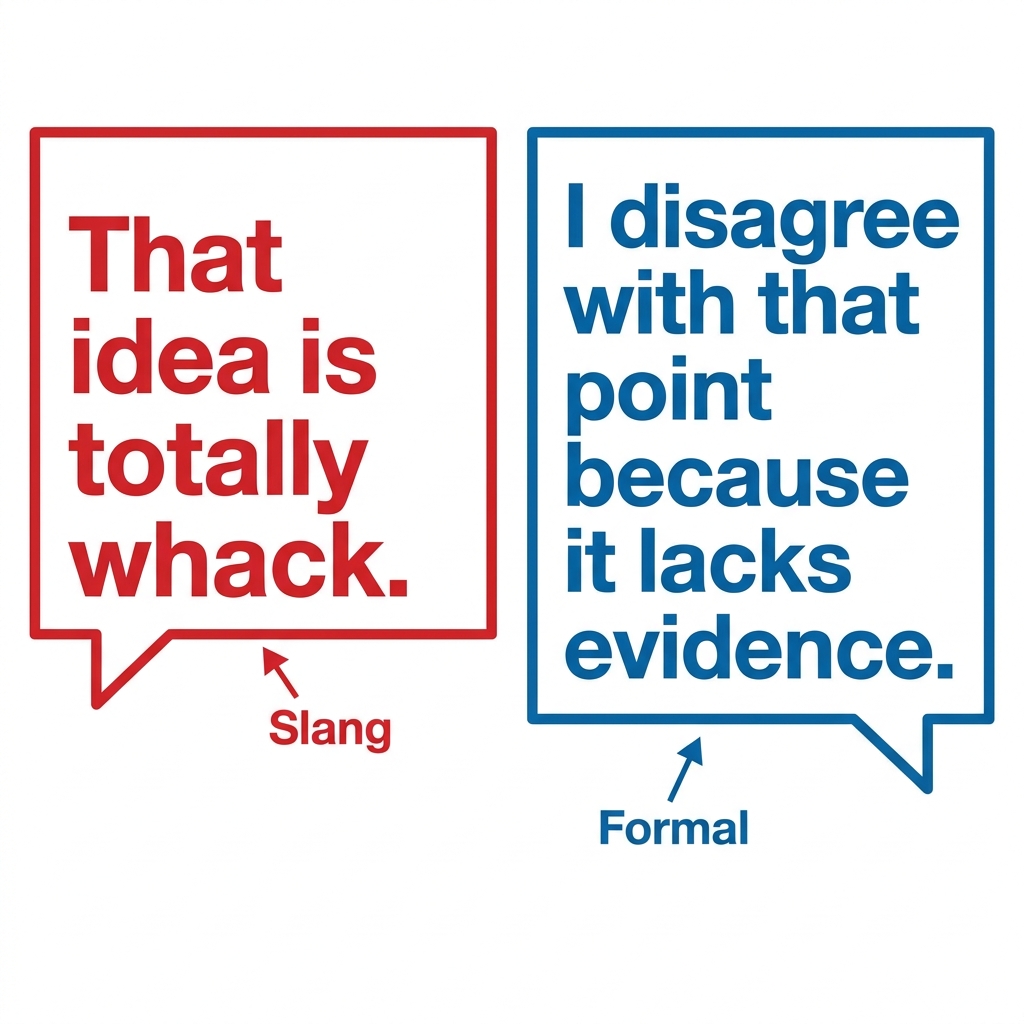
Speaking with Style and Purpose, Developing an effective and intentional voice for oral communication

Active Listening and Paraphrasing, Building skills for deep comprehension and feedback during discussions