

This lesson does not try to teach students how to write a full research paper or how to conduct original historical investigation from scratch. Instead, it focuses on the fundamental habit of looking at a text and pulling out the specific words or facts needed to prove a point. If you are looking for a straightforward seventh grade reading literacy in history lesson to plug into your ELA or social studies block, this is a solid choice.
The lesson covers the essential mechanics of citing evidence. Students begin by differentiating between primary and secondary sources, using a textbook as a standard example of a secondary source. The core of the work asks students to identify textual evidence, defined here as the specific words or sentences from a source that prove a point is correct. It provides clear, grounded examples, like referencing the Code of Hammurabi to support a claim about the strictness of ancient laws. By including specific details like the four-month flooding cycle of the Nile River in Egypt, the lesson keeps students anchored in concrete historical context rather than abstract theory.
What the lesson actually asks students to do
When students work through Using Evidence to Support Your Ideas, they are performing a specific act of analysis. They have to move beyond simply quoting a text to explaining how that quote supports their claim. The lesson introduces the vocabulary of analysis, claims, and textual evidence to ensure students have the right tools for this. Students also practice a bit of metacognitive reflection by pausing to consider how their own prior knowledge might influence their reading, which is a sophisticated touch that encourages them to set aside personal bias when looking at facts.

This lesson aligns with the California-adopted standard CA.ELA.RH.6-8.1. This standard asks students to cite specific textual evidence to support their analysis of primary and secondary sources. In practice, this means we want students to move away from vague summaries and toward precise, evidence-based arguments. The lesson also weaves in CA.ELA.WHST.6-8.9, which builds on the same foundation by asking students to draw evidence from informational texts to support their analysis, reflection, and research. These standards are taught consistently across the state in places like William S. Hart Union High School District, San Juan Unified, Redding Elementary School District, and Livingston Union School District. By aligning with these standards, the material ensures that classroom instruction remains consistent with broader expectations for historical literacy.
Where students slip
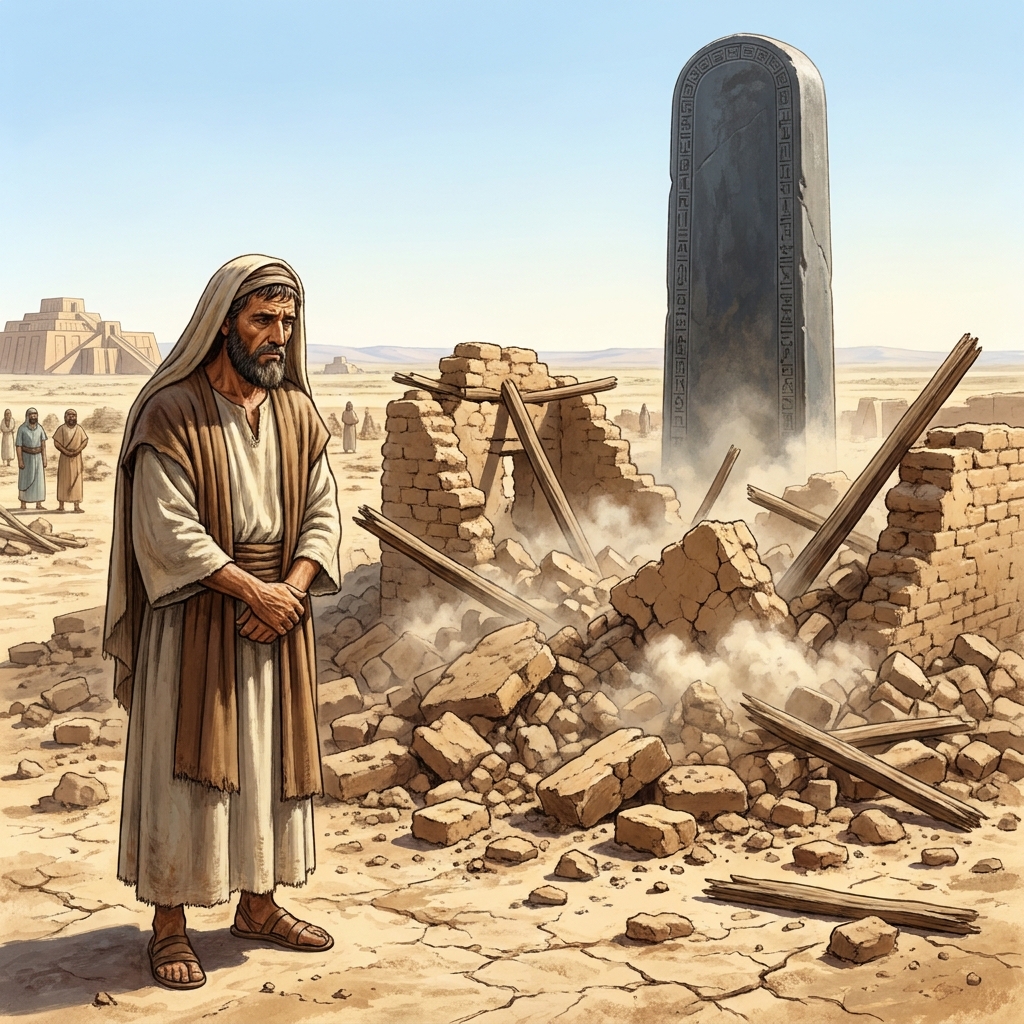
The most common hurdle here is the leap from finding a quote to actually using it to support a claim. I have seen many seventh graders treat a quote as a decoration or a summary rather than as an analytical tool. When your students work through the guided practice involving the merchant in the city of Ur or the text on the water cycle, listen for them to connect their quote back to their claim. If they just copy-paste a sentence without explaining why that sentence matters, they are missing the point of the standard. Push them to answer the question, “How does this specific fact prove that my claim is true?”
The mechanics of selecting evidence often require repetitive practice to master. Students often gravitate toward the first sentence they find rather than the most relevant one. For instance, when reading about the merchant in the city of Ur, they might select a general description of the city rather than a specific detail that supports a claim about economic complexity. This is why the lesson forces a pause to consider if the quote truly serves the argument. When teachers reinforce that the goal is proof rather than filler, students begin to see the difference between citing a source and simply using it as a reference.
Practical classroom application
I find this lesson works best as a whole-class assignment when introducing the unit, but it is also excellent for a student who missed the week and needs a quick, high-impact refresher on how we handle sources. You could also use it for independent study or as a backup for a substitute day. It is short, clocking in at about 45 minutes, so it fits easily into a period without disrupting the momentum of your larger unit. Just make sure they engage with the prompt about source evaluation; teaching them to check if a text is credible before using its facts is a skill they will need long after they leave your room. This keeps the work grounded in the real-world utility of literacy, showing them that historians and lawyers rely on these same simple moves to prove their points and build their cases.

Refining this skill helps across all content areas. When students understand how to handle textual evidence from history and informational texts, they apply that precision to science lab reports and literature responses. Focusing on these foundational habits early in the seventh grade allows for more complex argumentative writing later in the year. By treating textual evidence as the building blocks for logical arguments, you provide students with a consistent method for evaluating information, whether they are reading about ancient flooding cycles or modern scientific processes.
Related lessons
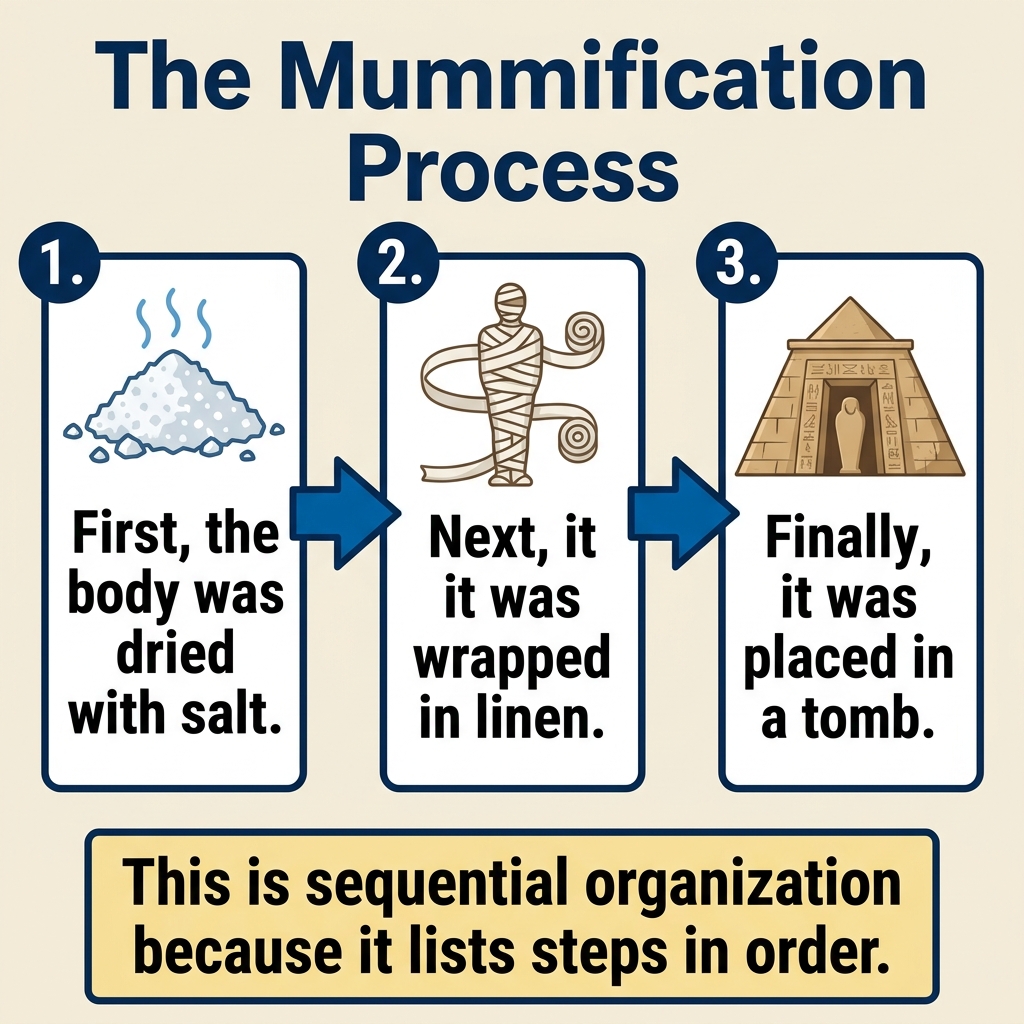
Understanding How Authors Organize Information, Teaches students to identify structures within informational and historical texts

Analyzing Evidence in Historical Texts, Focuses on interpreting facts found within various primary historical documents
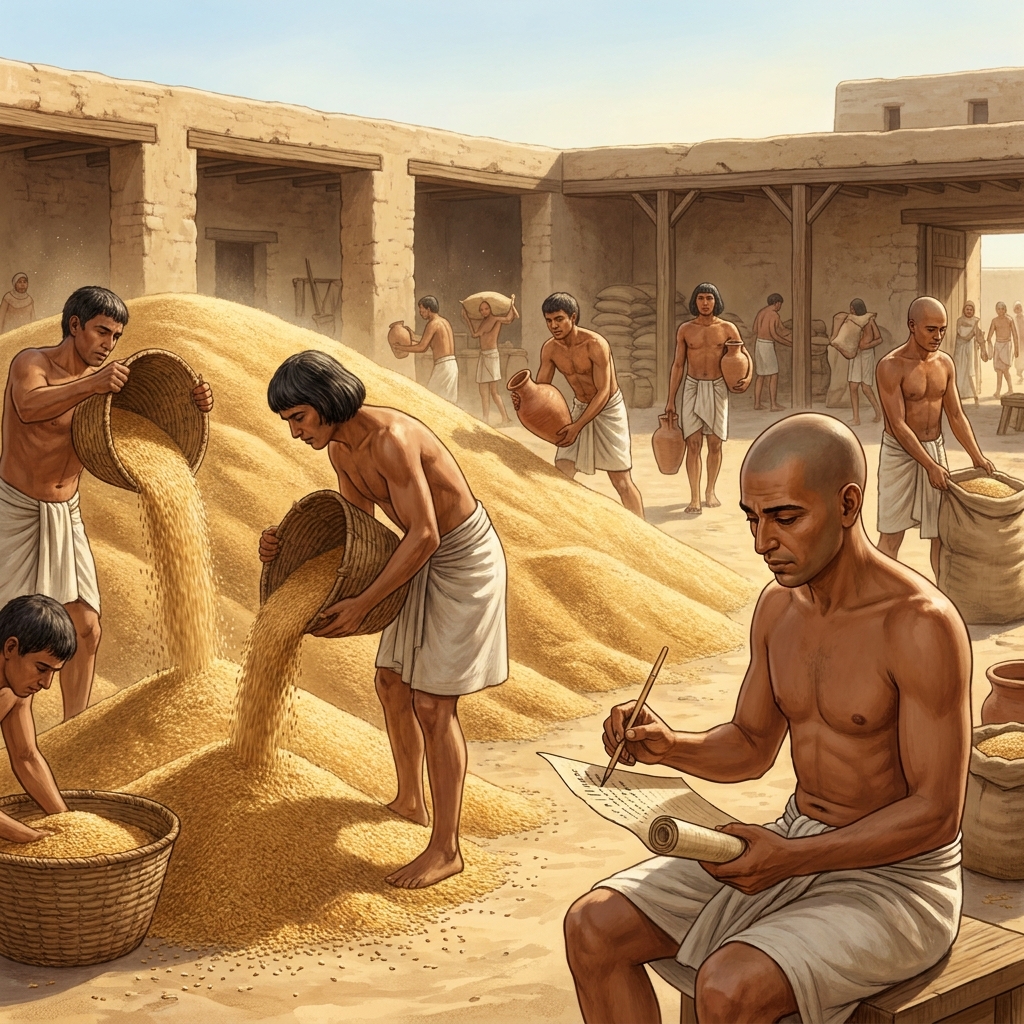
Comparing Historical Sources, Guides students through contrasting arguments from multiple historical source materials