


Imagine ten students sitting in a room and trying to decide on new rules for a local park. This is the scenario that opens the Understanding Tocqueville and the Promise and Perils of Democracy lesson for high school government. It is a simple setup, but it gets the job done by immediately grounding your students in the reality of democratic decision-making. When they have to reach a consensus that everyone will follow, they begin to see the tension inherent in our system. It is a great way to kick off a 45-minute period because it requires no extra setup and moves quickly into the meat of the content.
You will be teaching this to your twelfth graders as part of the Principles of American Democracy course. It is straightforward and focuses on how equality acts as both a benefit and a potential drain on social cohesion. The lesson walks them through the core concepts that define our government, and it is a resource that works well for a whole-class assignment or even as a make-up lesson for a student who missed the week.
The core theory behind the classroom discussion
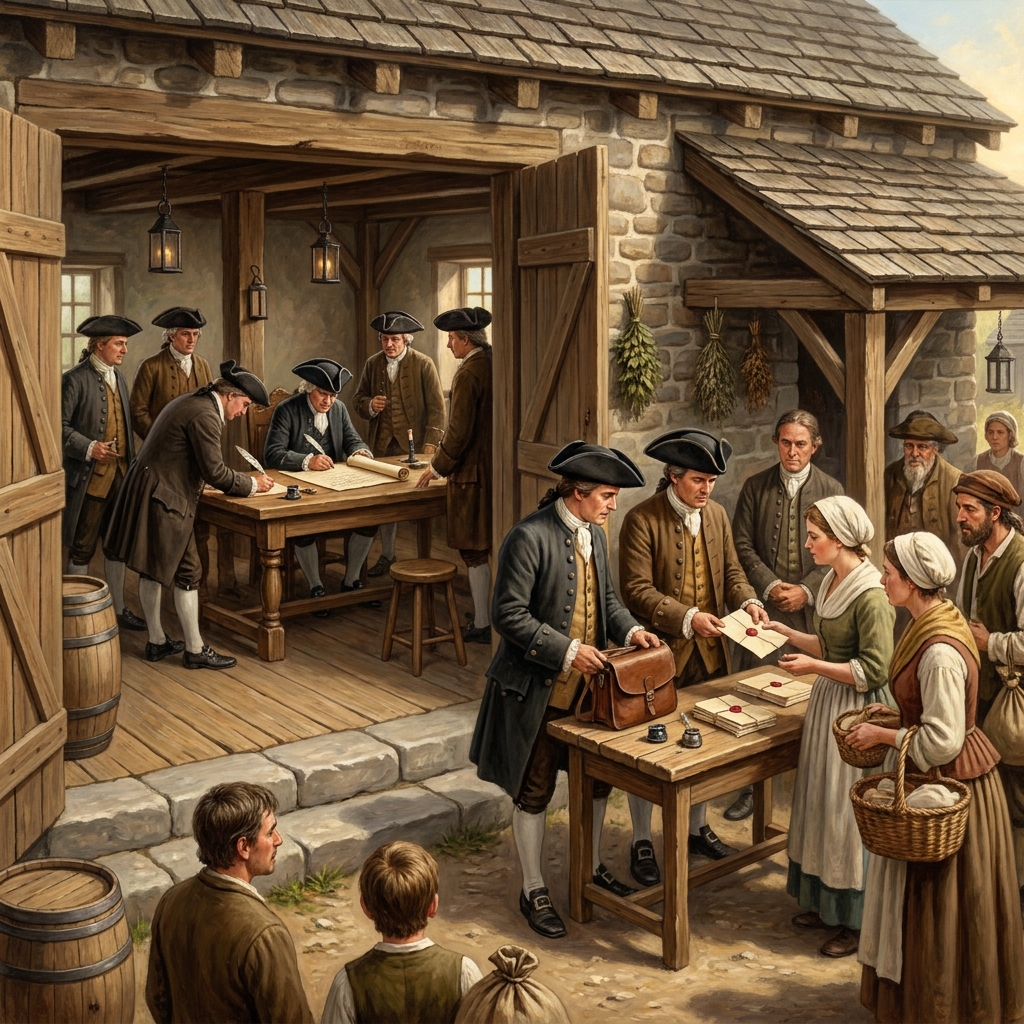
Once the class has engaged with the opening activity, the lesson transitions to the observations of Alexis de Tocqueville in the 1830s. He noted that American township meetings were successful because they forced neighbors to work together on shared interests, like maintaining local schools or building roads. By collaborating in person, these citizens built trust and solved problems collectively. It is a fantastic high school government democracy lesson that bridges history with modern political theory.

The instruction defines four key terms that your students need for their analysis: equality of conditions, tyranny of the majority, individualism, and civic participation. These concepts help them parse the difference between a healthy community and one where apathy or conformity takes root. This same material is taught in classrooms across the state, from the Salinas Union High School District and Sweetwater Union High School District to Live Oak Unified and Dinuba Unified, ensuring that every student engages with the same fundamental ideas about our democratic framework.
Applying the standards
This resource covers CA.HSS-PoAD.12.1.2, which requires students to analyze the nature of our democracy and the promise and perils identified by Tocqueville. Specifically, it satisfies the requirement that students explain the fundamental principles and moral values of American democracy as they are articulated in our most important documents. It is refreshing to have a lesson that centers so squarely on this specific code without wandering into unrelated territory. By focusing on the promise of active community involvement versus the threat of a majority forcing its will on a minority, your seniors move beyond simple definitions and start to weigh the practical reality of our government.
My only caution is that students might need a little extra prodding to move past the initial shock of the term tyranny of the majority. It is an abstract idea until they apply it to the guided practice scenario. In that section, they have to imagine a town meeting debating a park project and consider how one group might silence others. It forces them to reconcile the promise of everyone having a voice with the peril of that voice being ignored.
Wrapping up the session
To finish the lesson, the students review the idea that democracy is a double-edged sword. It offers a path to collective success through civic participation, but it carries the constant weight of potential apathy and the lure of individualistic conformity. As a teacher, I appreciate that the closure brings them back to their own responsibility: staying informed and staying active keeps the promise of our system alive. It is a sober, thoughtful way to end the class that resonates with most twelfth graders who are about to head out into the voting age world.

This lesson is a reliable go-to for a busy week. Whether you are using it for attendance recovery, as a targeted intervention for a student who needs more practice on government theory, or just as a solid day of instruction during a substitute day, it provides enough structure to keep the class focused while leaving room for the kind of messy, honest discussion that makes government class worth teaching.
Related lessons

Judicial Interpretation of Civil Rights, Examines how court rulings shape the application of civil rights
The Three Branches: Constitutional Powers in Action, Covers the specific functions and checks of government branches

The Lifecycle of American Public Policy, Explains the stages of creating new laws in America