


When we look at the standards we teach, sometimes they feel like a list of bureaucratic hurdles. Let us take a look at CA.MATH.3.OA.1, which asks students to “interpret products of whole numbers.” That sounds formal, but what it really means for your 3rd grade students is moving away from the slow, deliberate process of counting one by one and into the conceptual jump of seeing groups as a single unit. This is the moment when math starts to get efficient. You can find the Understanding Multiplication lesson on our platform, which does a fine job of bridge-building between basic counting and true multiplication.
This lesson is helpful whether you are looking for a whole-class assignment to kick off your unit, a solid way to catch up a student who missed the week, or just a dependable resource for an independent study packet. It focuses heavily on the shift from addition to multiplication. The lesson starts with a simple reality check: your students already know how to count single items, but they need to learn that multiplication is simply a faster way to find a total when those items are organized fairly. Teachers in Lodi Unified, Newport-Mesa Unified, Adelanto Elementary School District, and Dinuba Unified all work with this same standard, recognizing that this is the baseline for everything that comes later in their mathematical development.
What the lesson actually asks students to do
The standard CA.MATH.3.OA.1 is quite specific. It demands that students interpret products using equal groups, arrays, and area models, and that they connect multiplication directly to repeated addition. This is why I appreciate how this lesson handles vocabulary. It clearly defines an equal group as a set where every cluster has the same number of items. Without that bedrock of equality, the multiplication does not work, and the kids get lost. The lesson introduces the word product as the total number of objects found after multiplying, which is a term they need to get comfortable with early on.

One of the strongest parts of the lesson is the 3rd grade multiplication lesson because of how it uses concrete scenarios. It takes the abstract idea of an array and makes it visual. It defines an array as a set of objects arranged in equal rows and equal columns. For instance, the lesson uses a tile floor example with 3 rows and 4 columns. This is exactly what the standard asks for when it says we need to interpret 5 x 7 as the total number of objects in 5 groups of 7 objects each. It is not just about memorizing a times table. It is about visualizing that row and column structure and realizing that the math is just a reflection of what you see on the screen.
The lesson also touches on CCSS.MATH.3.OA.A.1, which is effectively the same requirement for interpreting products of whole numbers. By keeping these standards unified in your planning, you can ensure that your students see multiplication as a tool rather than a series of disconnected rules. The lesson connects this to real life by explaining that store managers use multiplication to track inventory. If they have 10 boxes of shoes and 2 pairs in each, they do not sit there counting pairs one by one. They multiply. That is a concrete hook that usually gets a few nods from the back of the room.
Where students slip
The trickiest part for most 3rd graders is the connection between repeated addition and multiplication. They are so used to adding 2 + 2 + 2 that the idea of 3 x 2 feels like a massive leap. When you use the CA.MATH.3.OA.1 standard as your guide, make sure to watch for students who try to skip the array or the group-counting phase. They want to rush to the product, but if they cannot draw the array or identify the number of groups, they will struggle when the numbers get bigger later in the year.
I recommend using the guided practice section on egg cartons as a diagnostic tool. If a student can identify the rows and columns in the egg carton, they are grasping the logic. If they are still struggling, it is usually because they have not solidified the concept of an equal group. Do not worry about speed. This lesson takes about 45 minutes, which is just enough time to let them work through the examples without feeling rushed. Let them take their time. The goal is to make sure they see the structure, not just that they get the answer right. After all, once they see that a multiplication problem is just a shorthand for a collection of equal groups, they have mastered the most important part of the grade-level standard.
Related lessons
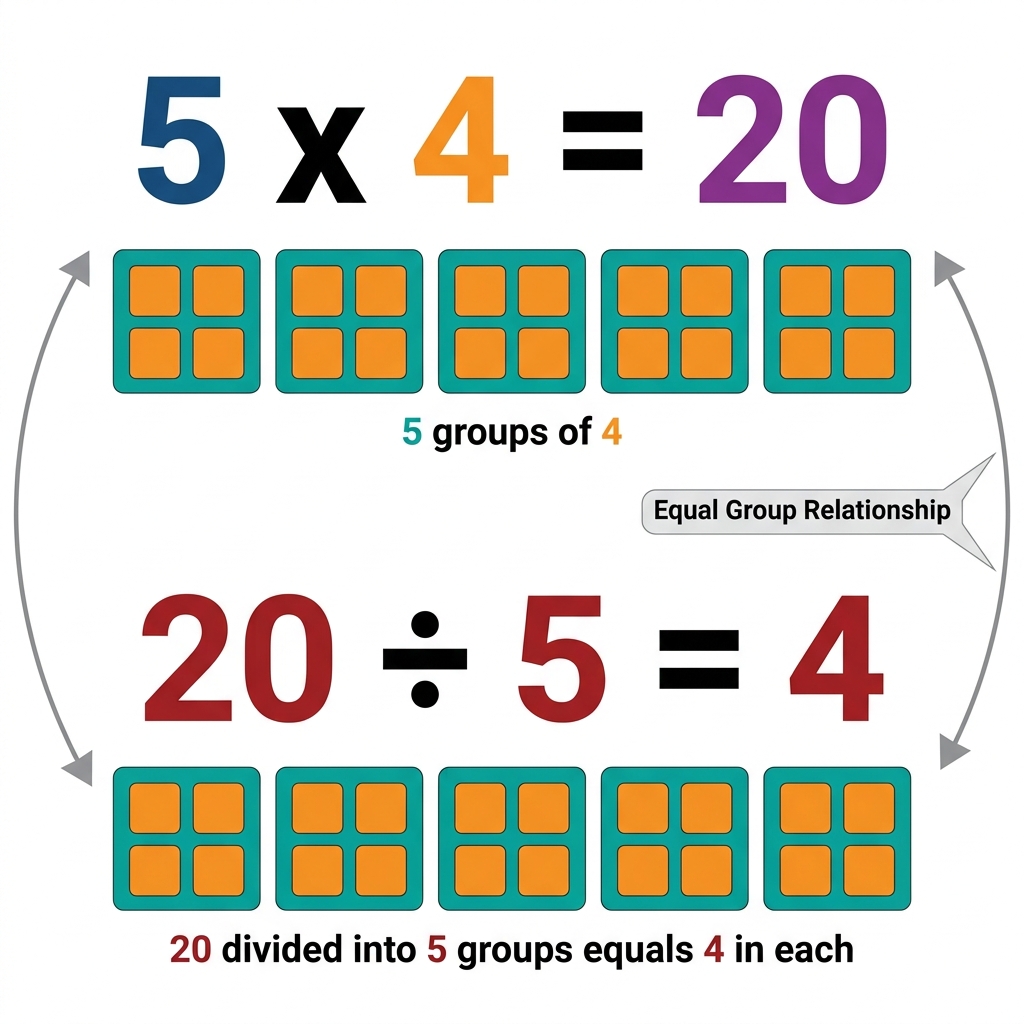
Solving Math Problems with Groups and Arrays, Teaches using groups and arrays to solve basic math problems
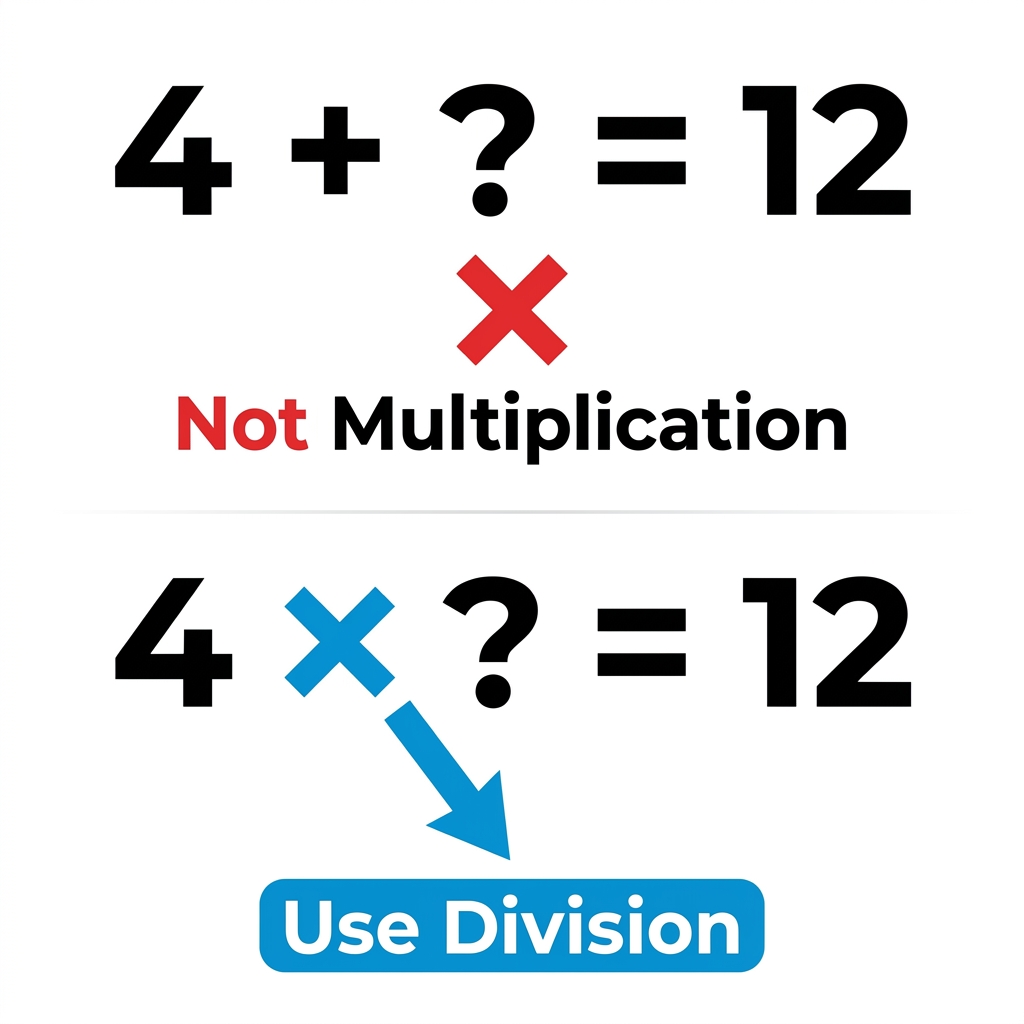
Finding Missing Numbers in Math Equations, Covers algebraic thinking by finding missing numbers in math equations
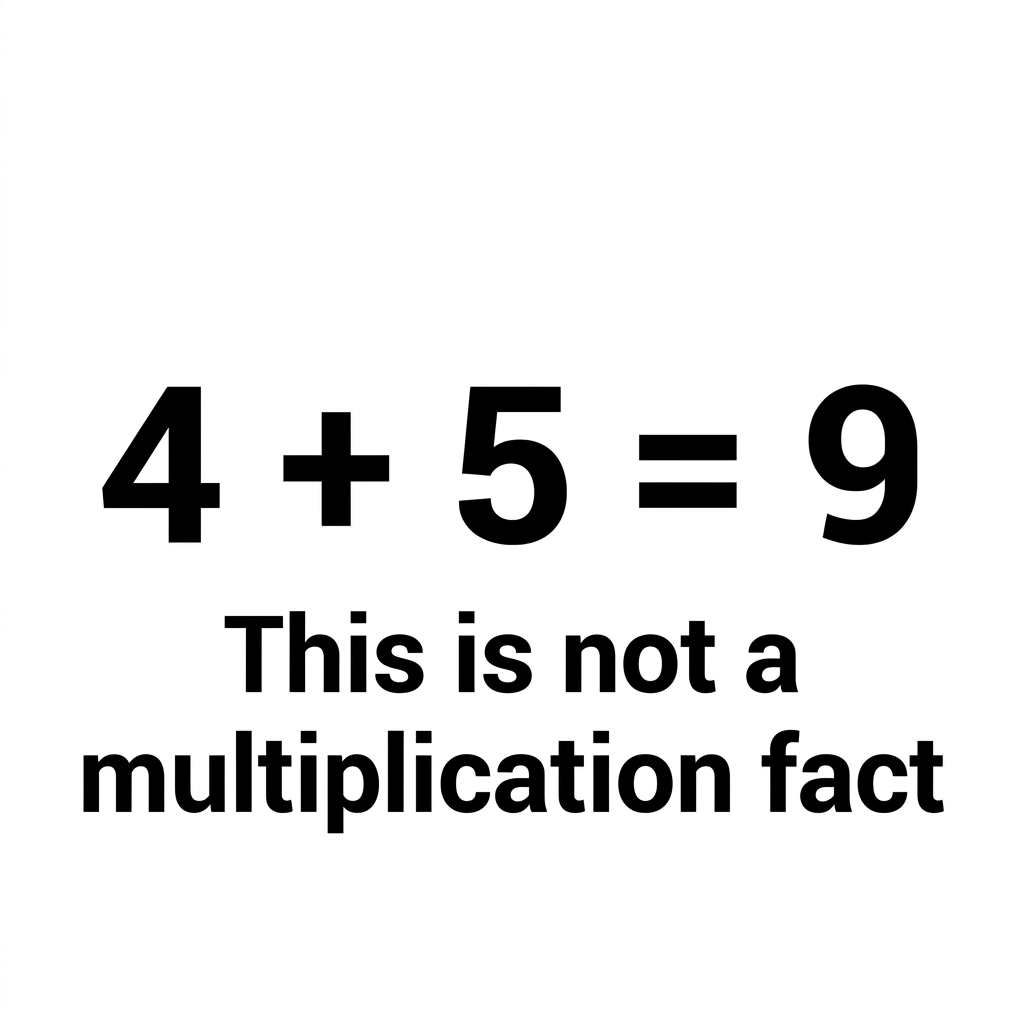
Multiplication and Division Fact Families, Explains the relationship between multiplication and division fact families