

The California Common Core standard CA.ELA.RI.4.5 asks students to “Describe the overall structure (e.g., chronology, comparison, cause/effect, problem/solution) of events, ideas, concepts, or information in a text or part of a text.” In fourth grade English Language Arts, this standard is the bridge between basic reading comprehension and deeper analytical thinking. Most students are comfortable finding a main idea, but they often struggle to see the scaffolding that holds an informational article together.
Students tend to treat an article like a collection of isolated facts rather than a carefully designed argument or explanation. When they encounter a challenging text, they look for keywords but lose the thread of the author’s logic. The lesson Understanding How Informational Texts Are Organized is built to slow them down and focus on that structural design. It pushes the class to recognize that authors use specific patterns so that readers can follow along with ease.
You will find that this material applies to students across the entire state. Teachers in San Diego Unified, Oakland Unified, Bassett Unified, and Arcadia Unified are all working toward the same outcome: ensuring students can identify how a piece of writing is built. The lesson objective is for your students to describe the structure of these texts, helping them learn faster and remember more information when they read.
What the lesson asks students to do
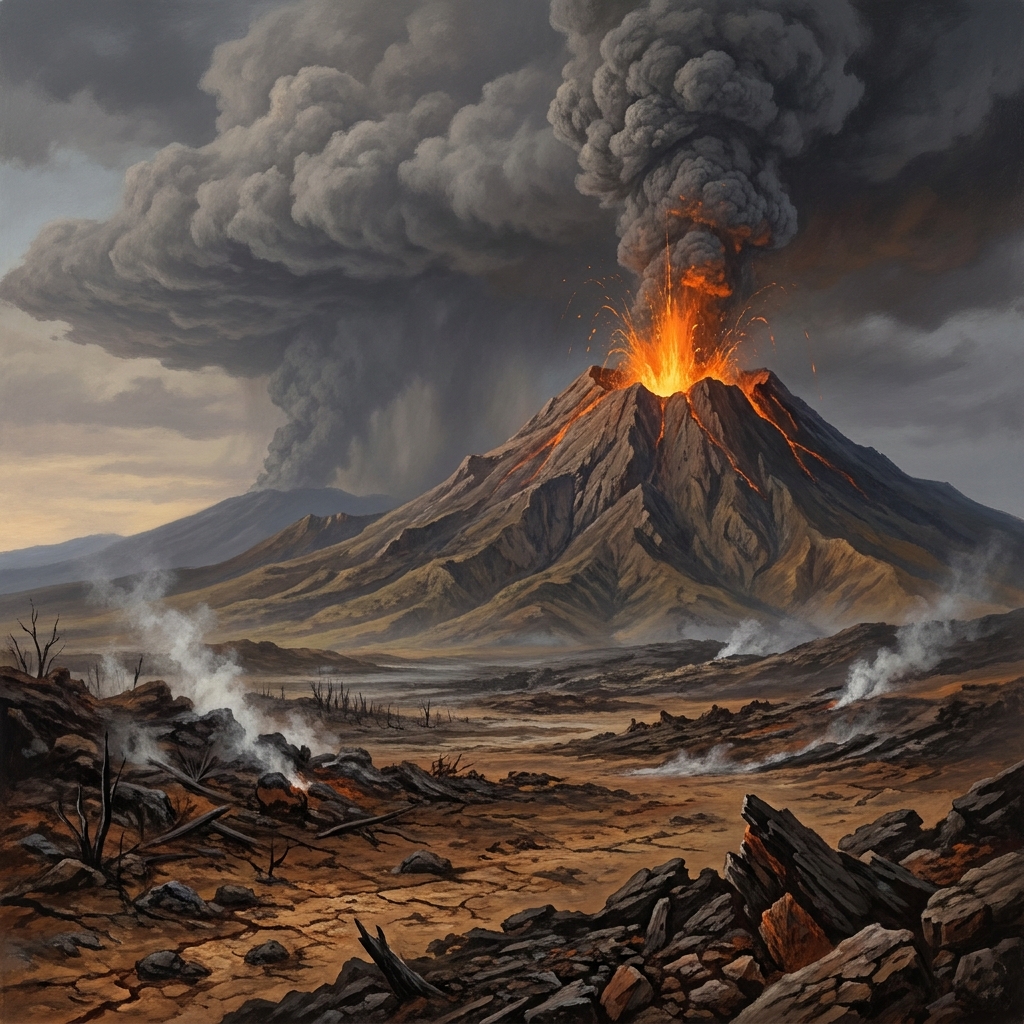
The lesson begins with a clear introduction to how history is often told through time. It uses a helpful example regarding George Washington, showing how listing events from his birth in 1732 to his presidency in 1789 provides a clear timeline for the reader. This provides a gentle entry point into the concept of chronological order. From there, it moves into more complex structures, specifically cause and effect. A volcano eruption is used as a case study: because the volcano erupted, the ash blocked the sun, which caused the temperature to drop. It is a simple, effective way to show how one event triggers another.

The vocabulary provided is straightforward and gives students the language they need to describe what they see in a text:
- Text Structure: The specific pattern an author uses to organize ideas and information in a piece of writing.
- Chronological Structure: A way of organizing events in the order they happened in time.
- Cause and Effect Structure: A way of organizing information by showing how one event or action leads to another.
The guided practice moves into a relevant discussion on deforestation. By defining deforestation as an environmental challenge, the lesson prompts students to identify a problem and solution structure. It explains that writers often propose ways to mitigate or resolve global issues like pollution or habitat loss, making the structure of the argument immediately visible to the reader.
Where students slip
The biggest hurdle in this fourth grade text structure lesson is that students assume every passage follows the same simple narrative pattern they see in picture books. When they hit a technical passage about cause and effect, they sometimes force it into a chronological framework, which leaves them confused. The lesson anticipates this by contrasting these patterns clearly. It is worth your time to emphasize that an author’s choice of structure is intentional. If you can get a student to ask, “Why did the author organize it this way?” they have already won half the battle.
One caveat: the lesson is dense enough that you should monitor students during the guided practice section on deforestation. Some students might get stuck on the definition of the environmental issue itself, forgetting to look at the pattern of the text. Keep them focused on the relationship between the problem and the proposed solution, rather than just the facts about the trees.
Practical application in the classroom
Because this lesson is concise and target-driven, it is a perfect candidate for a whole-class assignment when you are introducing the unit. It is also an excellent resource for a student who missed the week of instruction and needs a quick way to catch up on the core requirement of CA.ELA.RI.4.5. If you have students in intervention who struggle with reading stamina, the forty-five-minute timeframe is long enough to cover the concept without overwhelming them.

Understanding the structure of a text is a life skill that goes beyond the classroom. When your students know how to read a news article or a set of technical instructions, they are effectively teaching themselves how to learn. Remind them that identifying these patterns is not just about passing a test; it is about making sense of the information they encounter in their daily lives.
Related lessons

Finding the Main Idea and Summarizing, Teaches students how to identify main ideas and write summaries

Using Visuals to Understand Informational Text, Focuses on interpreting charts and images in informational reading material
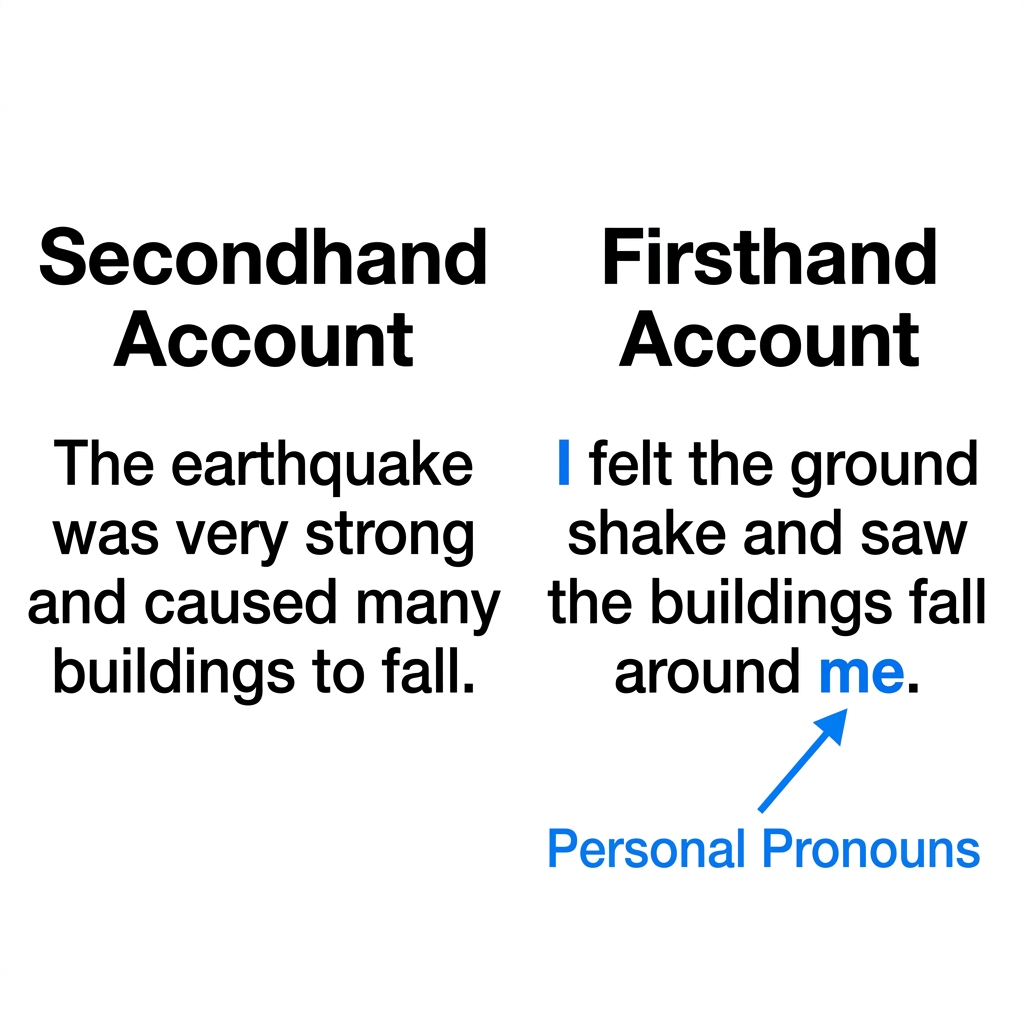
Understanding Firsthand and Secondhand Accounts, Explains the difference between firsthand and secondhand accounts in reading