

It is usually late in the term when I start feeling the crunch. My desk is covered in half-graded lab reports, the calendar shows we are behind, and the students know it too. That moment when a student asks if we have time for another big hands-on project is tough because you want to say yes, but you know you have to keep the curriculum moving. If you teach 8th grade science, you know that keeping up with energy units while balancing classroom time is a constant battle. This is where Thermal Energy Control in Architecture fits perfectly into a busy week.
Designing for Thermal Efficiency
This 8th grade science unit is focused on a core principle of physics: how we manage heat. It moves students past simple definitions and into the practical application of building design. The content covers the basics of thermal energy transfer, which is the movement of heat from a warmer area to a cooler area. It uses simple, relatable examples like a thermos keeping coffee hot to explain how we slow down heat movement. By focusing on insulation, reflection, and passive solar heating, the material gives students the vocabulary and concepts they need to solve real engineering problems.

The central task in this 8th grade science thermal energy lesson is to design solutions for an attic in a Central Valley home. The scenario is grounded in reality: high summer temperatures and intense solar radiation create a major cooling problem. Students must apply what they learn about insulation, which is a material that slows down the movement of thermal energy, and reflection, which is the bouncing of light or heat energy off a surface, to keep the house cool without relying on air conditioning. It is a straightforward way to show why energy control matters for our carbon footprint and our wallets.
Applying Science Standards to Local Climate
At the heart of the lesson is the California-adopted standard MS-PS3-3. This standard asks students to apply scientific principles to design, construct, and test a device that either minimizes or maximizes thermal energy transfer. It is a rigorous requirement, but it is also one of the most rewarding parts of the physical science year. Teachers in San Juan Unified, Clovis Unified, Redding Elementary School District, and Tahoe-Truckee Unified are all working toward this same standard. The California addition to this standard specifically emphasizes design solutions relevant to our local climate, including building design for hot summers, passive solar heating, and cool roof technologies. It connects the physics of energy to the actual houses where these students live.

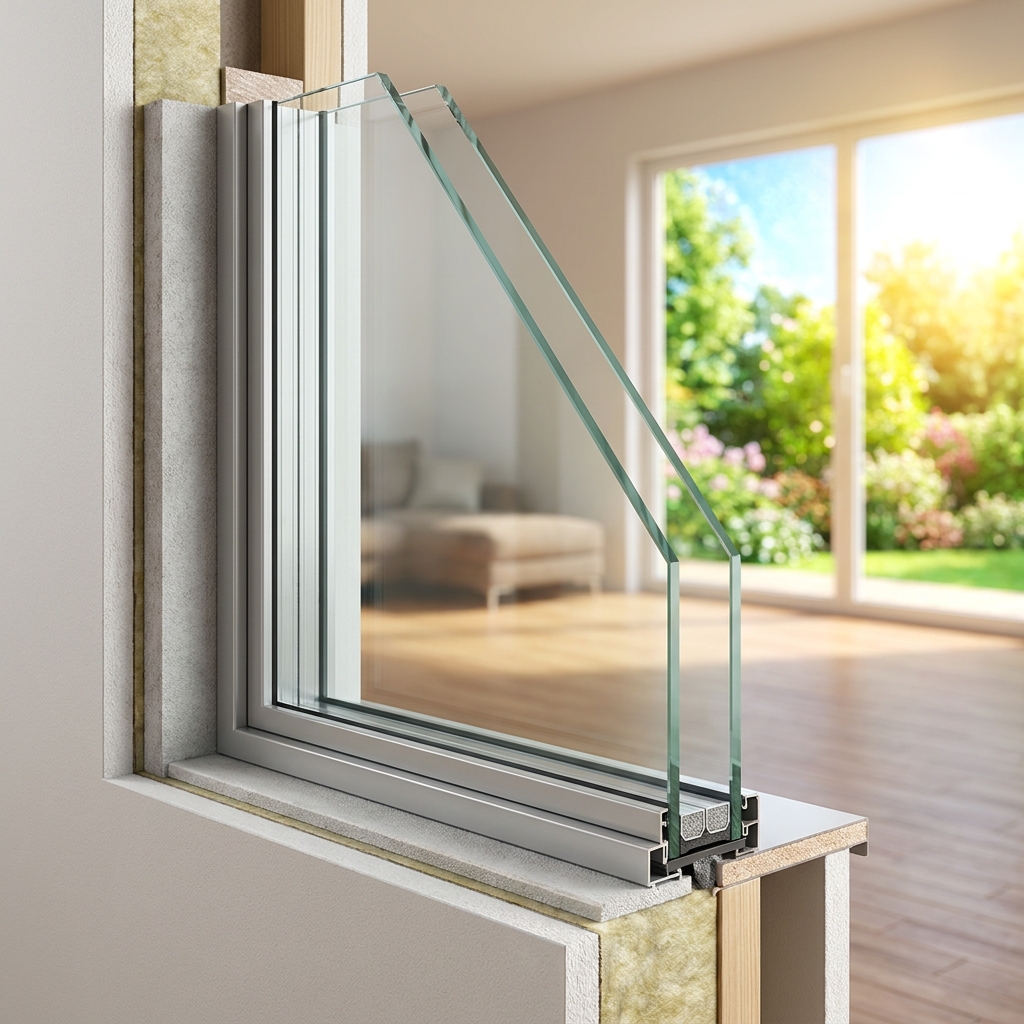
I appreciate how the material handles the worked examples. For instance, explaining how double-pane windows function as insulation by keeping a gap between layers of glass provides a clear mental model for students. It makes the concept of a thermal barrier concrete. When students move to the attic design phase, they are not just guessing. They have specific tools to think through heat flow. The lesson does not get bogged down in excessive theory, which is why it works so well for a classroom teacher who needs to keep things moving.
If you have a student who missed the week of instruction, this digital module is a lifesaver. It is self-contained enough that they can catch up on the logic of heat transfer without needing you to rerun a full lab setup. It also works as an excellent intervention for a student who needs to revisit the material, or even as a solid plan for a substitute day when you cannot be there to manage a physical experiment. It removes the guesswork from the day.
One caveat is that you will still want to facilitate a discussion about the design choices students make. While the digital tools explain the concepts of reflection and insulation well, the real learning happens when you ask them why they chose a specific material for their attic roof. They need to articulate the science. The lesson provides the foundation, but your role in guiding that conversation about efficiency and energy demand is what makes it stick.
When we teach students about passive solar heating, we are giving them a glimpse into how engineers think about sustainability. It changes the way they look at a building. Moving from an abstract definition of thermal energy to designing a home that does not bake in the summer sun is a tangible achievement for any 8th grader. It reminds us that science is about solving the problems we see in our own backyards.
Related lessons

Forces, Mass, and Motion, Concepts of motion and mass in physical science

Understanding Wave Energy and Amplitude, Principles of wave mechanics and energy transfer

Building Blocks of Matter, Fundamental properties of atoms and atomic structure